
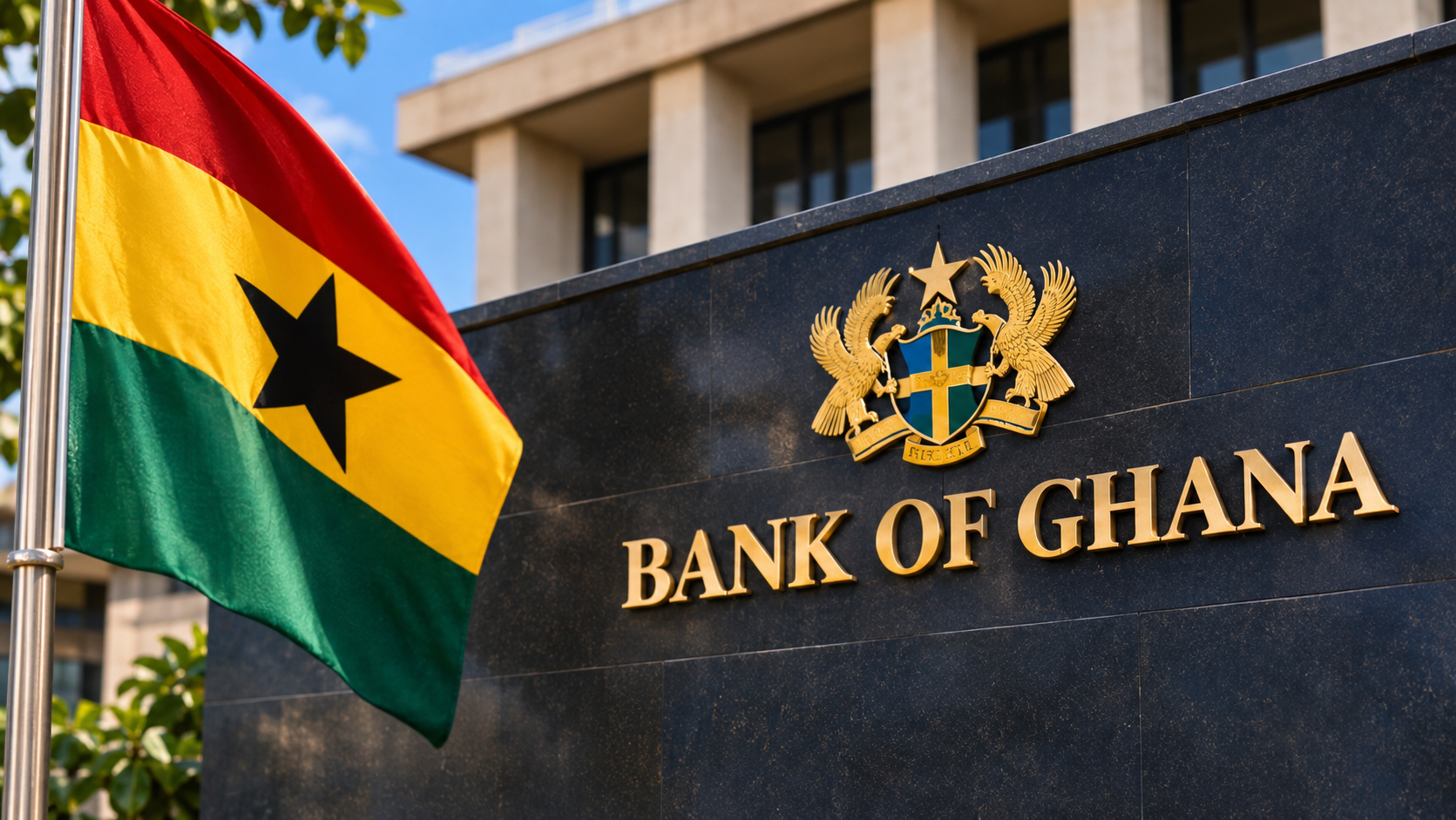
Ghana has unveiled new cedi banknotes featuring historical figures, cultural landmarks and improved security features. The redesigned currency will enter circulation on December 1, 2026.
The Bank of Ghana introduced the Heritage Series on Thursday, November 12, as part of efforts to modernise the country’s currency.
According to Africanews, the new banknotes will circulate alongside existing notes, which will remain legal tender.
The redesign does not change the value of the Ghanaian cedi or introduce new denominations.
Ghana’s new cedi banknotes feature eight denominations
The Heritage Series retains all eight existing denominations, ranging from GH₵1 to GH₵200.
Each banknote celebrates an important figure or landmark associated with Ghana’s history.
The designs also recognise contributions to education, religion, culture, justice and national independence.
The denominations feature:
- GH₵1: Market pioneer Agnes Oforiwa Tagoe-Quarcoopome and Accra’s Makola Market.
- GH₵2: Cardinal Peter Dery and the historic Larabanga Mosque.
- GH₵5: Educator James Emman Kwegyir Aggrey and Achimota School.
- GH₵10: Ghana’s first female judge, Annie Ruth Jiagge, and the Supreme Court.
- GH₵20: Composer Ephraim Amu and the National Theatre.
- GH₵50: Theodosia Okoh, designer of Ghana’s national flag.
- GH₵100: Former UN Secretary-General Kofi Annan and the peacekeeping training centre named after him.
- GH₵200: Ghana’s first president, Kwame Nkrumah, and his mausoleum in Accra.
Traditional Adinkra symbols also appear throughout the series, highlighting Ghana’s cultural identity.
Bank of Ghana introduces stronger security features
The Bank of Ghana says the redesigned banknotes include improved protection against counterfeiting.
Central bank Governor Johnson Asiama explained that the new currency also offers greater durability and more practical designs.
The changes follow more than two decades of using the core designs of Ghana’s existing banknotes.
Meanwhile, the central bank has reduced the size of some notes to make them easier to handle.
Dominic Owusu, the bank’s director of currency management, highlighted difficulties associated with the current GH₵200 note.
Its large size can make it inconvenient to carry in standard wallets.
The redesigned version aims to address that problem.
President Mahama welcomes currency redesign
President John Dramani Mahama attended the official unveiling of the new cedi banknotes.
He encouraged Ghanaians to take pride in their national currency and protect its long-term value.
Mahama also emphasised the importance of maintaining public confidence in the cedi.
The Heritage Series combines modern currency design with recognition of individuals who helped shape Ghana’s national identity.
Will Ghana’s old cedi notes remain valid?
The Bank of Ghana has confirmed that existing banknotes will remain legal tender after December 1.
Therefore, Ghanaians do not need to exchange their old notes immediately.
Both the existing currency and the Heritage Series will circulate together.
The central bank also plans a nationwide public education campaign.
The initiative will help citizens recognise the redesigned banknotes and identify their security features.
Additionally, officials have urged the public to handle the notes carefully.
They have warned against writing on banknotes, excessive crumpling and using currency in decorative money bouquets.
Proper handling can extend the lifespan of the notes and reduce replacement costs.
New banknotes celebrate Ghana’s national identity
The introduction of Ghana’s new cedi banknotes marks a significant update to the country’s currency.
Beyond improved security and durability, the designs recognise important achievements in Ghanaian history.
They also celebrate the contributions of women, educators, religious leaders, artists and independence figures.
With circulation beginning on December 1, the Heritage Series will gradually become part of everyday transactions across Ghana.
However, the Bank of Ghana has stressed that the introduction is a redesign rather than a currency replacement.
Existing cedi notes will continue to hold their value and remain valid for payments.