
Morocco’s annual trade deficit widened by 18.4% to 127 billion dirhams during the first four months of this year.
The foreign exchange regulator reported that rising imports completely outpaced export growth, driven by elevated global energy and fuel costs.
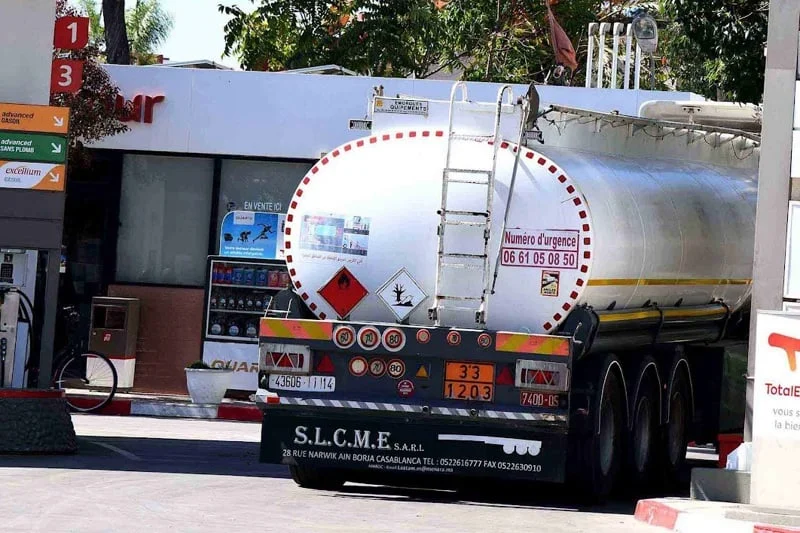
Sustained geopolitical tensions across the Middle East pushed the nation’s total energy import bill up by 12% to 41.8 billion dirhams.
Wheat imports also increased ahead of a planned government suspension designed to protect local agricultural harvests during the summer months.
The automotive sector remained Morocco’s primary export engine, generating 58.2 billion dirhams behind major production expansions by international manufacturers.
Conversely, the crucial phosphate export sector experienced a slight decline in revenue, dropping to 27.1 billion dirhams this period.
State-owned producer OCP Group intentionally accelerated facility maintenance schedules, triggering an expected 30% reduction in near-term industrial output.
Vital foreign currency inflows from tourism revenues surged by over 21%, providing a critical buffer for the domestic economy.
Financial remittances sent home by Moroccans living abroad also showed steady growth, reaching 4 billion dirhams by late April.
However, incoming foreign direct investment suffered a notable contraction, falling nearly 20% compared to the previous year’s figures.