
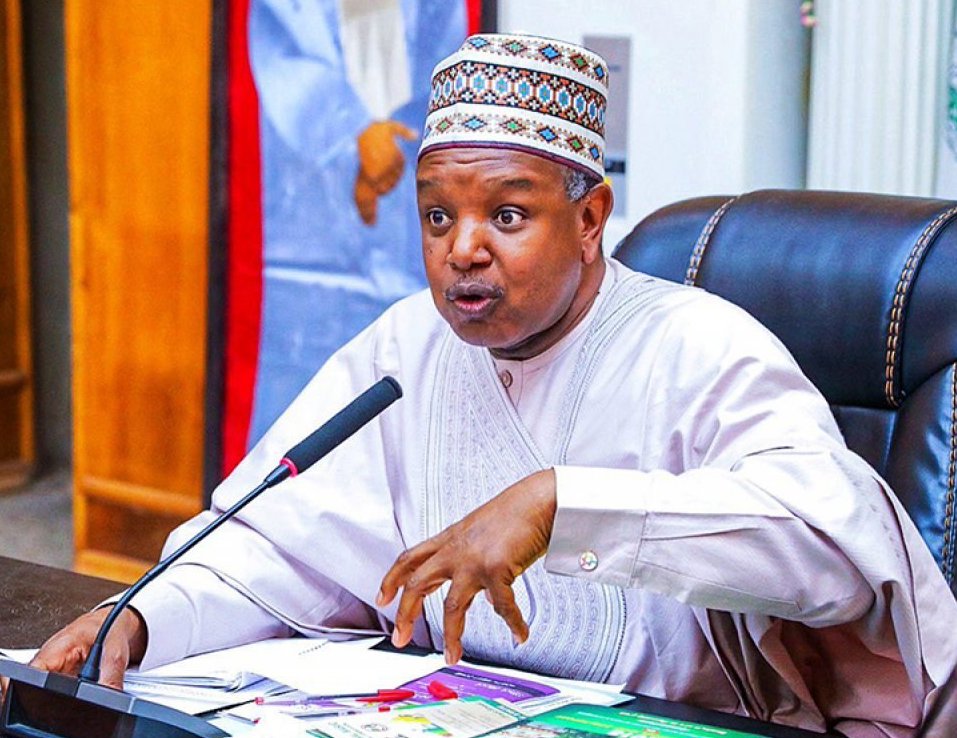
Nigeria has approved a new medium-term fiscal plan that outlines spending of 54.5 trillion naira in 2026, signalling another year of heavy financial pressure on the economy. The plan, endorsed by the cabinet on Wednesday, sets federal revenue at 34.33 trillion naira and leaves a deficit of 20.1 trillion naira, or 3.61% of GDP.
Budget and Planning Minister Atiku Bagudu said debt service alone is projected to cost 15.9 trillion naira next year, reflecting the country’s growing repayment burden.
He added that nonrecurrent debt spending is expected to reach 15.27 trillion naira, highlighting the fiscal strain facing Africa’s most populous nation. Oil remains the backbone of public finances, and the plan uses a benchmark price of $64.85 per barrel with daily output projected at 1.84 million barrels.
That figure remains well below Nigeria’s long-standing target of 2.06 million barrels per day, raising concerns about revenue performance in the year ahead. The framework also assumes an exchange rate of 1,512 naira to the dollar and forecasts GDP growth of 4.68% as the government aims to stabilise the economy.
Officials say the plan will guide the 2026 budget, which is expected to test Nigeria’s ability to balance ambitious spending with persistent revenue challenges.