
A leaked draft of a stalled US funding offer to Zambia reveals strict conditions linking health aid to mineral access.
The proposed deal would provide $320 million in 2026, declining annually to $112 million by 2030, raising alarms among activists.
Washington’s offer requires Zambia to finalise a separate, confidential “Bilateral Compact” by April 1 to maintain the health funding.
Health Gap, an advocacy NGO, criticised the agreement as exploitative, saying it explicitly ties aid to copper sector collaboration.
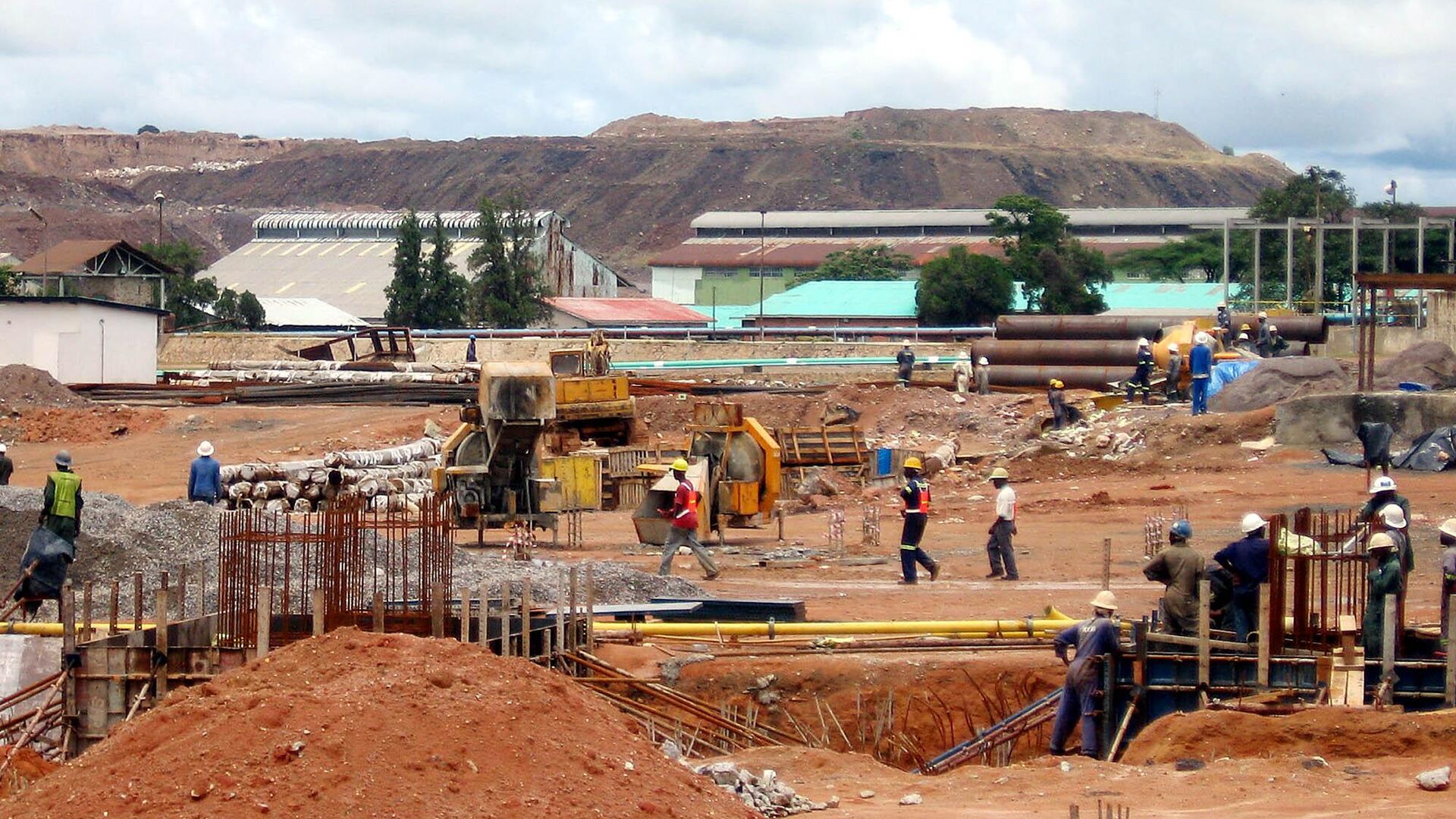
Zambia, Africa’s second-largest copper producer and eighth-largest globally, has long seen Chinese companies dominate mining and smelting operations.
The draft agreement also demands sharing of citizen health data, including genetic sequences of pathogens with epidemic potential.
Public health researcher Bupe Kabamba warned the terms risk privacy violations and could threaten national sovereignty if mismanaged.
President Donald Trump’s administration has made similar secretive one-on-one health deals with about a dozen African countries, bypassing USAID and NGOs.
Countries such as Rwanda, Uganda, Lesotho, and Eswatini have signed, while Kenya’s agreement is suspended pending legal challenges and Zimbabwe rejected it.
The US embassy in Lusaka defended the plan, saying reforms ensure mineral wealth benefits Zambians, not predatory external actors.
Zambian authorities have not publicly confirmed details, while activists call for aid that is collaborative and decoupled from mineral exploitation.
The five-year US package targets HIV, tuberculosis, malaria, and other health concerns, but the conditional approach has sparked intense debate.
Health Gap urges Zambia to reject both the significant funding cut and the linkage between aid and mining sector access entirely.