


Congo sentences three Chinese nationals for illegal mining activities
The three defendants were found guilty on charges of money laundering, illegal acquisition of mineral resources, and other offenses

South African govt faces criticism as mining siege death toll hits 60
The siege began in August when authorities attempted to block food and water supplies to force the miners out

Suspected Marburg virus outbreak claims 8 lives in Tanzania
Samples have been collected for testing, and the WHO is working with Tanzanian authorities to investigate and contain the potential outbreak.

Moroccan activist jailed for protesting earthquake response
Human rights groups have condemned the sentence as arbitrary and politically motivated.

Sierra Leone declares mpox emergency after two cases
Sierra Leone has declared a public health emergency after confirming two cases of mpox and implementing measures to control the virus.

EU announces $41M humanitarian aid package for Ethiopia
Aid will primarily be directed to internally displaced persons within Ethiopia, refugees from countries such as Sudan
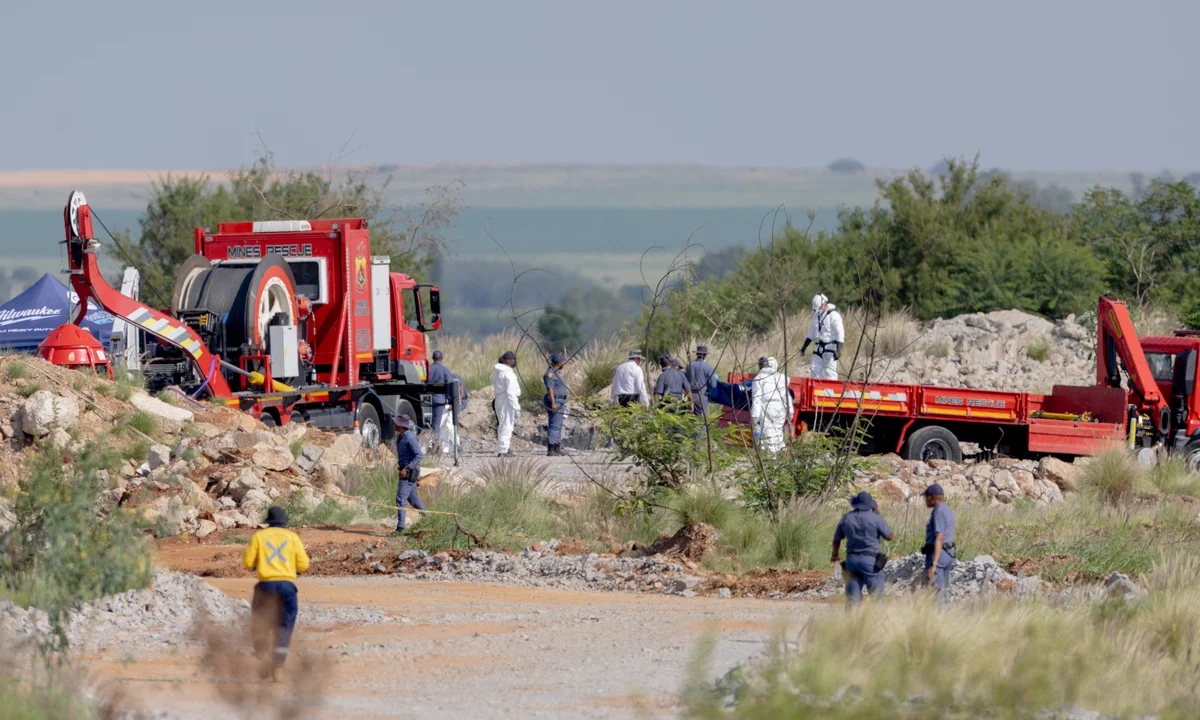
South African rescuers recover 36 bodies, save 82 from gold mine
The mine, located about 150 km (93 miles) from Johannesburg in Stilfontein, has been under siege by law enforcement since August
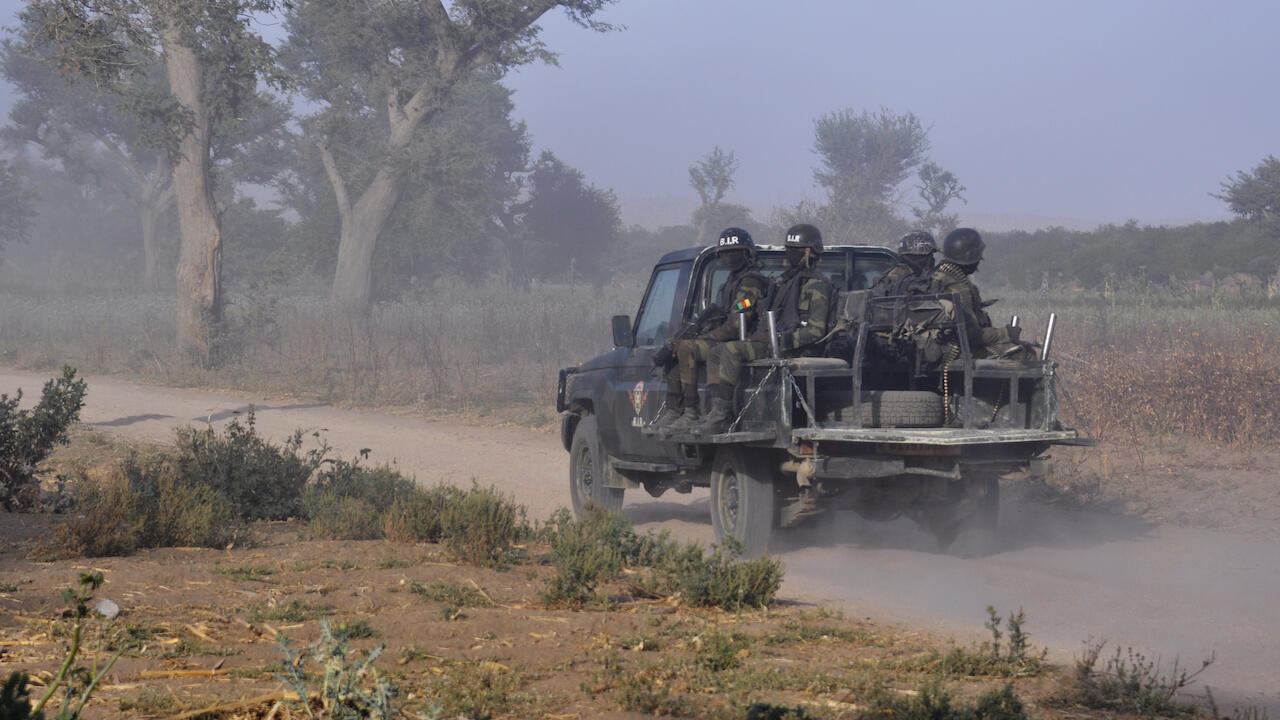
Boko Haram attack on Cameroonian military camp kills three
Suspected Boko Haram militants attacked a military camp in Cameroon’s Far North Region, killing three personnel and seizing weapons.
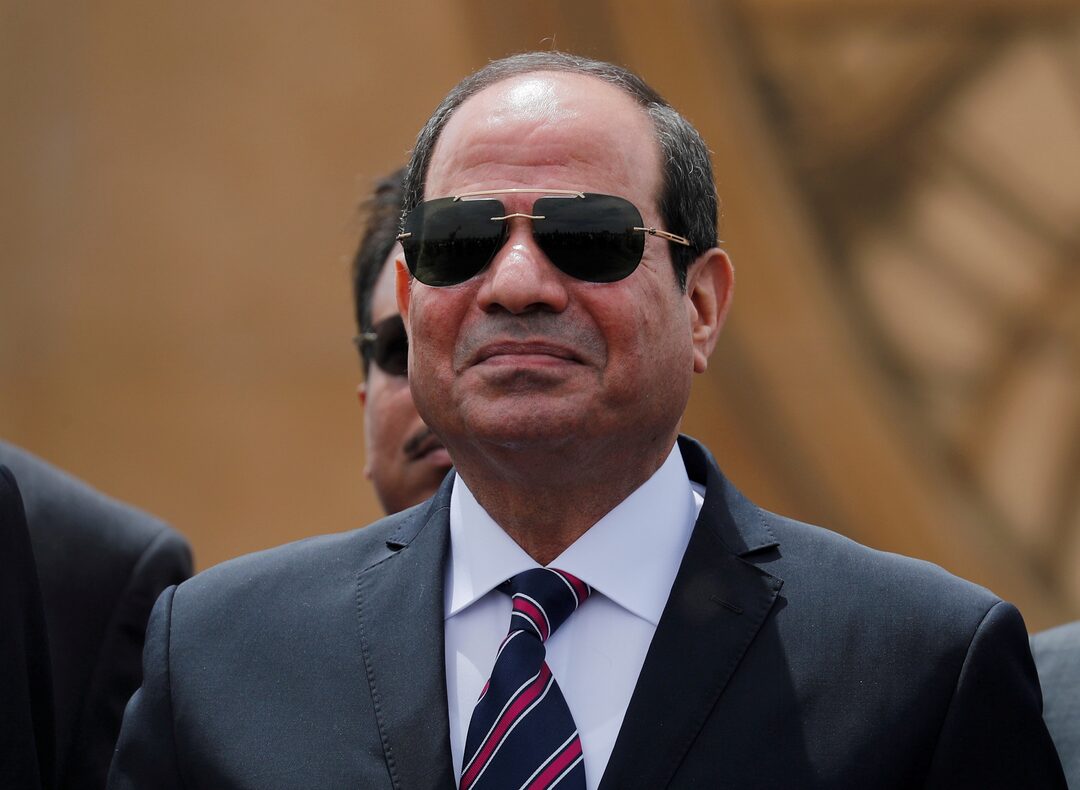
US Central Command commander visits Egypt to discuss security
US Central Command (CENTCOM) Commander Gen. Michael Erik Kurilla visited Egypt on Monday to discuss security issues. Kurilla met with Ahmed Khalifa, Chief of Staff of the Egyptian Armed Forces, in the capital Cairo to discuss a range of issues, including efforts to address shared security challenges and combat violent extremist organizations. He reaffirmed the military-to-military relationship between the two nations and discussed efforts to advance the partnership to ensure a secure and stable future, CENTCOM said in a statement. On Jan. 11-12, Kurilla visited US servicemembers and conducted key leader engagements in Saudi Arabia. Kurilla met with Gen. Fayyadh bin Hamed Al-Ruwaili, Chief of General Staff of the Saudi Arabian Armed Forces, to discuss shared security concerns. While in Saudi Arabia, Kurilla also met with Lt. Gen. Saghir Hamood Bin Aziz, Chief of Staff of the Yemini Armed Forces, to exchange views on efforts to strengthen security cooperation and combat regional threats such as the Houthis and their attacks against military and commercial vessels in the Red Sea and Bab Al Mandeb Strait. According to local media, Kurilla is also expected to visit Israel.

Mozambique parliament sworn in amid protests and general strike
Mozambique’s new parliament was sworn in on Monday in Maputo amid tight security, as opposition-led protests and a general strike paralyzed the city, leaving it eerily quiet. Opposition leader Venancio Mondlane, who continues to dispute the results of the October 9 election, called for the strike to protest alleged electoral fraud. During the swearing-in, around 30 seats were left vacant as opposition parties Renamo and MDM boycotted the event, demanding a recount. However, members of the Podemos party were present, with MP Ivandro Massingue accusing the boycotting parties of “cowardice.” Protests in the city included barricades and burning tires, with police deploying tear gas to disperse crowds. “We are tired of manipulation. Independence begins today,” said one protester, Osvaldo. Some businesses remained closed, fearing looting, though others, like shopkeeper Selzio, expressed support for the strike, saying, “Change requires sacrifice.” Incoming President Daniel Chapo has called for unity, while newly elected Speaker Margarida Talapa promised a parliament “open to dialogue.” Yet, many citizens remain skeptical, with widespread criticism of the government for neglecting the country’s worsening conditions.

ISIS militants killed in clashes with Somali security forces
Somali security forces killed several Islamic State fighters and seized eight of their outposts during military operations in the Puntland region, according to a statement from the Puntland army.
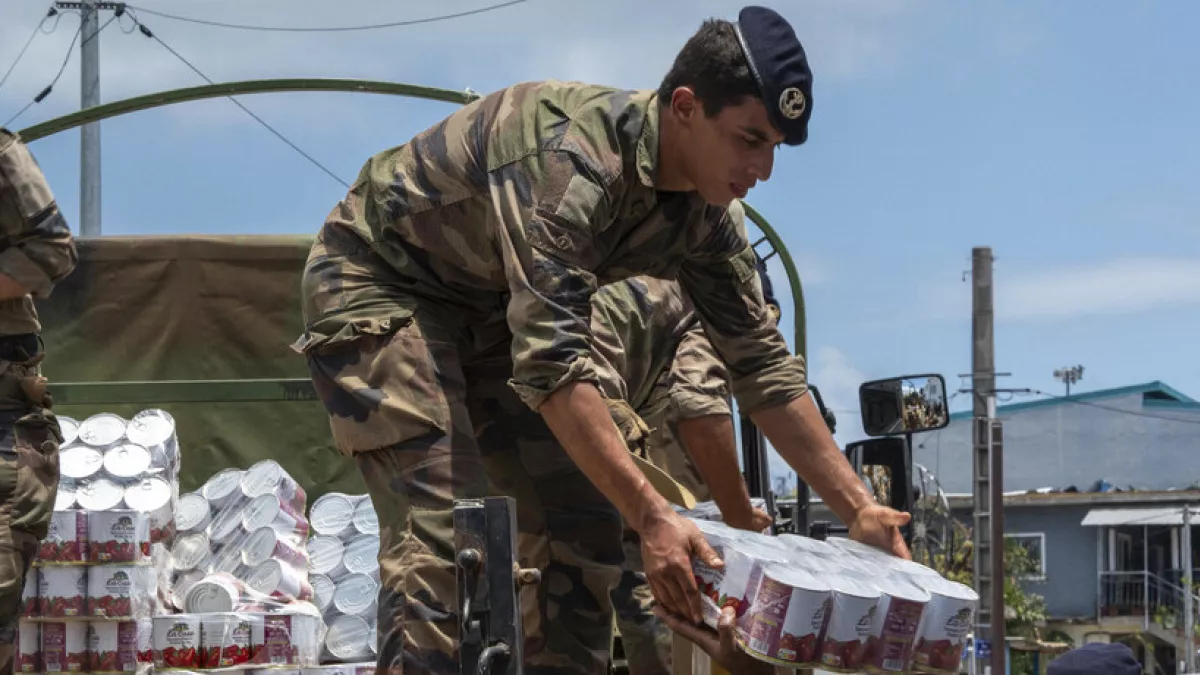
France declares state of calamity for cyclone-ravaged Mayotte
French Overseas Territories Minister Manuel Valls has pledged comprehensive support for Mayotte following the devastation caused by Cyclone Chido, including emergency aid.

Gold seizure at Barrick mine escalates Mali-miner dispute
The Malian government has begun enforcing a provisional order to seize gold stock at Barrick Gold’s Loulo-Gounkoto mine, escalating a dispute between the miner and the government over a new mining code.

At least 40 farmers killed in Nigeria by suspected militants
Nigerian officials confirm that suspected Boko Haram and ISWAP militants killed 40 farmers who had left a military-secured corridor in Borno state.
DRC army reclaims towns but rebels push back in conflict zones
The Congolese army has recaptured several towns from rebel groups in eastern Congo, but fighting has intensified in other areas, leading to a worsening humanitarian crisis.

250 MPs sworn in as calm returns to Mozambique after protests
Lawmakers were sworn in on monday in Mozambique, where calm has returned after protests against disputed elections claimed 300 lives, but opposition parties refused to attend.
Turkish UAVs find buyers in Africa
Turkish unmanned aerial vehicles (UAVs) have made inroads into Africa, with solutions developed in Türkiye from UAV technologies undertaking new missions abroad. Turkish drone company Zyrone Dynamics, renowned for its expertise in rotary-wing and variable-volume UAVs, has added a significant milestone to its export achievements. The company recently exported its ZD100 and ZD200 rotary-wing UAVs to an African country, where they will play a critical role in missions such as disaster search and rescue operations and the delivery of cargo to vital locations. Both the ZD100 and ZD200 models are distinguished by their advanced technical capabilities and versatile applications. The ZD100 sets itself apart from competitors with an impressive flight time of 80 minutes, a payload capacity of 3 kilograms (6.61 pounds), and a top speed of 130 kilometers (80.7 miles) per hour. Designed for ease of use and compactness, it excels in challenging environments thanks to its monocoque carbon body, which ensures durability and resilience in harsh weather conditions. The ZD100 is particularly valued for its high performance and adaptability across diverse terrains and operational needs. The ZD200, designed for more demanding missions, boasts a maximum payload capacity of 20 kilograms (44 pounds) and can achieve a flight range of over 25 kilometers (15.5 miles) when carrying a 10-kilogram (22-pound) payload. Its modular design supports the integration of specialized equipment such as thermal cameras, LIDAR sensors and environmental monitoring tools, making it suitable for tasks ranging from critical infrastructure inspections to coastline mapping and mine surveillance. Built with a durable carbon frame, the ZD200 can withstand wind speeds of up to 40 kilometers (24.8 miles) per hour, ensuring reliable performance in harsh conditions. – Confident steps in global market Murat Kanber, co-founder of Zyrone Dynamics, shared insights with Anadolu about the growing global interest in UAV technology. He highlighted the widespread adoption of UAVs across various fields and emphasized the increasing demand from both domestic and international markets for Zyrone’s innovative air vehicles. “We are proud to export our ZD100 and ZD200 UAV models to Africa, following our earlier ZD100 technology exports to India,” Kanber said. “Our UAVs are successfully deployed in critical missions such as post-disaster search and rescue, medical aid delivery, and essential cargo transportation.” Kanber underscored how these exports demonstrate Zyrone Dynamics’ global technological capabilities and reaffirm the company’s commitment to supporting humanitarian aid efforts. He also highlighted the ZD200’s flexible and advanced integration features, which open new possibilities in diverse sectors, from natural resource protection to critical infrastructure monitoring. “Our experience operating in varied geographies has been instrumental in developing more efficient and safer UAVs,” he said. “We aim to meet users’ evolving needs with enhanced performance and capabilities. As we continue to succeed in this mission, we’ve observed a steady rise in foreign demand.” Kanber revealed that the company is actively engaged in negotiations with other regions while continuing to deliver on existing international requests. “We are confident that our products rank among the best in their class globally,” he said. “With this confidence, we are taking bold strides toward becoming a leading and trusted solution provider in the global UAV market.”

Nine people were killed in an armed attack in Nigeria
Nine people have been reported dead in an armed attack in Nigeria’s Nasarawa State. According to local media, the attack took place in the Karu area, where armed gang members targeted victims, leaving nine dead and many others injured. Nigeria has long struggled with armed gang violence, as well as attacks from terrorist groups such as Boko Haram and the Islamic State West Africa Province (ISWAP). Although the country imposes the death penalty for kidnapping, abductions for ransom remain common. Armed assailants often target villages, schools, and travelers, demanding ransoms.

Ethiopians sweep Dubai marathon titles
Ethiopia celebrated a triumphant performance at the Dubai Marathon on Sunday, with its athletes dominating the top spots. Bute Gemechu claimed the men’s title with an impressive time of 2:04:51. The 23-year-old, still early in his international career, has only participated in a few major races to date. In a thrilling women’s race, Bedatu Hirpa surged past her compatriot Dera Dida in the final stretch to win with a world-leading time of 2:18:27. While Hirpa marked her biggest career victory and set a personal best, Dida, who finished just four seconds behind in 2:18:31, appeared devastated at the line. It was a remarkable sight against the iconic Dubai skyline, as Ethiopian runners claimed the top 10 spots in both the men’s and women’s categories.

Tanzania activist kidnapped in Kenya and freed after quick action
Tanzanian activist Maria Sarungi Tsehai was abducted in Nairobi, prompting international outcry, before being freed through quick intervention.

Military operation in Zamfara tragically claims 16 civilian lives
A Nigerian military airstrike in Zamfara State mistakenly killed 16 civilians, including vigilantes, during an operation targeting bandits.
Chad ruling party secures 124 seats amid low voter turnout
The ruling MPs party dominated Chad’s parliamentary elections, winning a majority as opposition groups boycotted the process and voter turnout reached only 51.5%.

Madagascar reels from storm as Mayotte prepares for recovery
A tropical storm moved away from Mayotte after torrential rains and flash floods killed three people in Madagascar, leaving widespread devastation in its wake.

UN reports mass displacement in southern Sudan due to fighting
Thousands have fled southern Sudan’s North Kordofan as clashes between the Burhan-controlled SAF and RSF forces escalate, exacerbating the region’s ongoing displacement and hunger crisis.

RSF accuses SAF of foreign support after Wad Madani loss
In an audio message broadcast on Telegram on Saturday, Dagalo described the setback as temporary and vowed to continue the fight

Austrian woman abducted in Niger’s Agadez, sources report
The woman was reportedly forced into a 4×4 vehicle by unidentified kidnappers in the Fada district, situated near the Sahara Desert

France hands over second base in Chad
France has handed over its second military base in Chad, marking a key step in the country’s military withdrawal after an agreement with Chad’s government.