




South Africa drops charges against Zizi Kodwa
Zizi Kodwa welcomed decision as South Africa drops corruption charges in significant move amidst political tensions.

Over 50,000 vaccinated in DRC, Rwanda amid mpox outbreak
The WHO has announced the allocation of nearly 900,000 mpox vaccine doses to nine African countries.

Nigeria charges 76, including minors, with treason for protest
The charges have sparked widespread condemnation from human rights groups.

CIA chief Burns meets Somali President Mohamud
Both hold ‘high-level discussion on strengthening the enduring Somalia-U.S. strategic partnership,’ says Somali presidency

Ethiopian shield returns home after 156 years
A significant cultural artifact, the shield of Emperor Tewodros II, has been returned to Ethiopia after being looted during the 1868 Magdala War.

Africa’s youth drive technology boom with start-up ecosystems
Africa is experiencing a technological and entrepreneurial surge as cities like Lagos, Nairobi, and Cape Town

Botswana’s Masisi concedes as opposition leads in election upset
Botswana’s President Masisi conceded defeat as preliminary results showed his party lost its majority, ending nearly 60 years of BDP rule.

DR Congo military rescues 118 hostages, including women, kids
Hostages freed during Wednesday patrol in northeastern Ituri province, says military
Kenyan court approves new deputy president
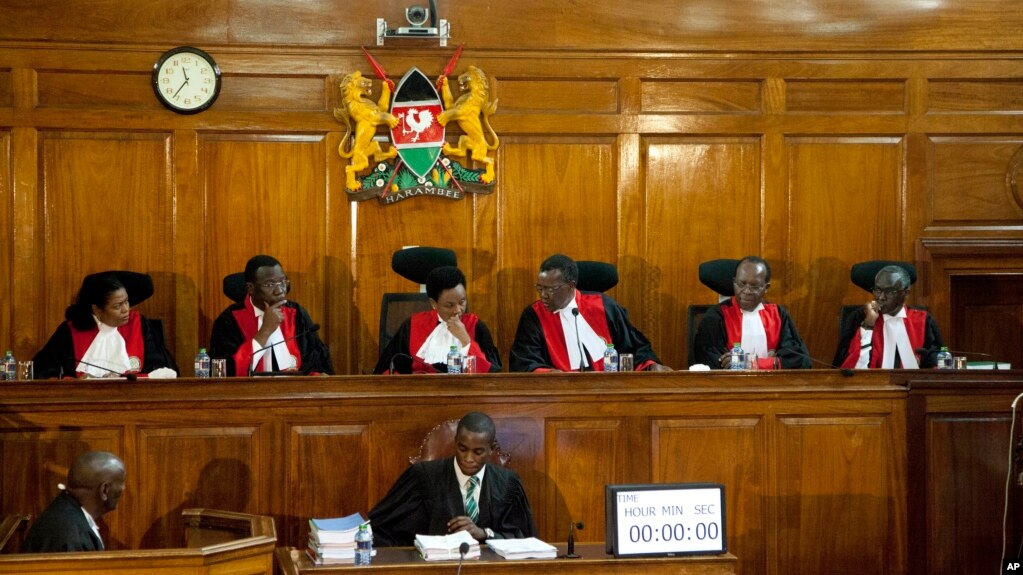
A Kenyan high court on Thursday, October 31, approved the swearing-in of Kithure Kindiki as the new deputy president, despite an ongoing legal challenge to the impeachment of former deputy president Rigathi Gachagua. The three-judge panel in Nairobi overturned a prior court order that had temporarily suspended Kindiki’s inauguration, stating that the suspension risked creating a political vacuum. Gachagua was impeached on October 17 by over two-thirds of legislators on charges of corruption, inciting ethnic tensions, and supporting anti-government protests. President William Ruto nominated Kindiki, currently the interior minister, the following day. The impeachment revealed divisions within Ruto’s United Democratic Alliance (UDA) party, particularly between Ruto and Gachagua. The former deputy president faced accusations of insubordination after opposing government policies regarding forced evictions during floods. Gachagua is contesting his impeachment in the High Court, claiming the charges lack evidence and the proceedings were unfair. He experienced chest pains and was hospitalized during the Senate hearings on October 17, prompting his lawyers to request a delay, which was denied. Following the Senate’s vote on the impeachment, Gachagua’s supporters condemned the process as rushed and biased, suggesting it had Ruto’s backing. Ruto, who initially campaigned as a champion for Kenya’s poorest citizens, has faced backlash over tax increases aimed at servicing foreign debt. This public discontent has led him to reorganize his Cabinet and reconsider certain policies.

The death toll from the cholera outbreak in Sudan has risen to 852
It has been reported that the number of deaths due to the cholera outbreak in Sudan has risen to 852. The Sudanese Ministry of Health stated that the total number of cholera cases in the country has reached 29,147. The announcement noted that the death toll from the cholera outbreak has increased to 852. Heavy rains and floods affecting Sudan since June have contributed to the spread of cholera. Sudanese authorities declared a cholera outbreak on August 12. The United Nations Office for the Coordination of Humanitarian Affairs (OCHA) reported on October 1 that 3.4 million Sudanese children are at risk of epidemic diseases. On October 5, the United Nations Children’s Fund (UNICEF) announced that it had sent 1.4 million doses of cholera vaccine to Sudan. In war-torn Sudan, the ineffective functioning of the healthcare system during this period exacerbates the spread of infectious diseases, making life even more difficult for the people.

Mozambique limits social media access amid election protests
Social media access in Mozambique has been restricted again, marking the second instance in a week, according to the global internet watchdog NetBlocks. This comes amid rising tensions following a controversial presidential election. The ruling Frelimo party, which has governed for 49 years, declared victory in the October 9 election, a result that opposition leaders and observers claim was flawed. Following this, social media platforms like Facebook, Instagram, and WhatsApp were restricted after a previous blackout last Friday, which severely impacted mobile internet access. Daniel Chapo of Frelimo won the presidency with nearly 71% of the vote, while opposition leader Venancio Mondlane of the Podemos party garnered about 20%. The announcement of the results sparked protests, leading to clashes with security forces that resulted in at least 11 deaths and over 50 injuries, according to Human Rights Watch. Despite the social media restrictions, Mondlane has called for a nationwide strike from October 31 to November 7 to protest the election results. The capital, Maputo, appeared largely deserted as residents seemingly observed the strike. Authorities have warned against participation in what they term “acts of sabotage,” while the public prosecutor acknowledged the right to protest, threatening consequences for any damage caused. The Podemos party has appealed to Mozambique’s Constitutional Court for a recount, urging for electoral transparency. The court has requested detailed election data from the electoral commission within eight days. With political tensions high and social media access limited, the situation in Mozambique remains precarious as opposition leaders seek justice and transparency.
At least 15 killed in attack in Nigeria’s Benue state
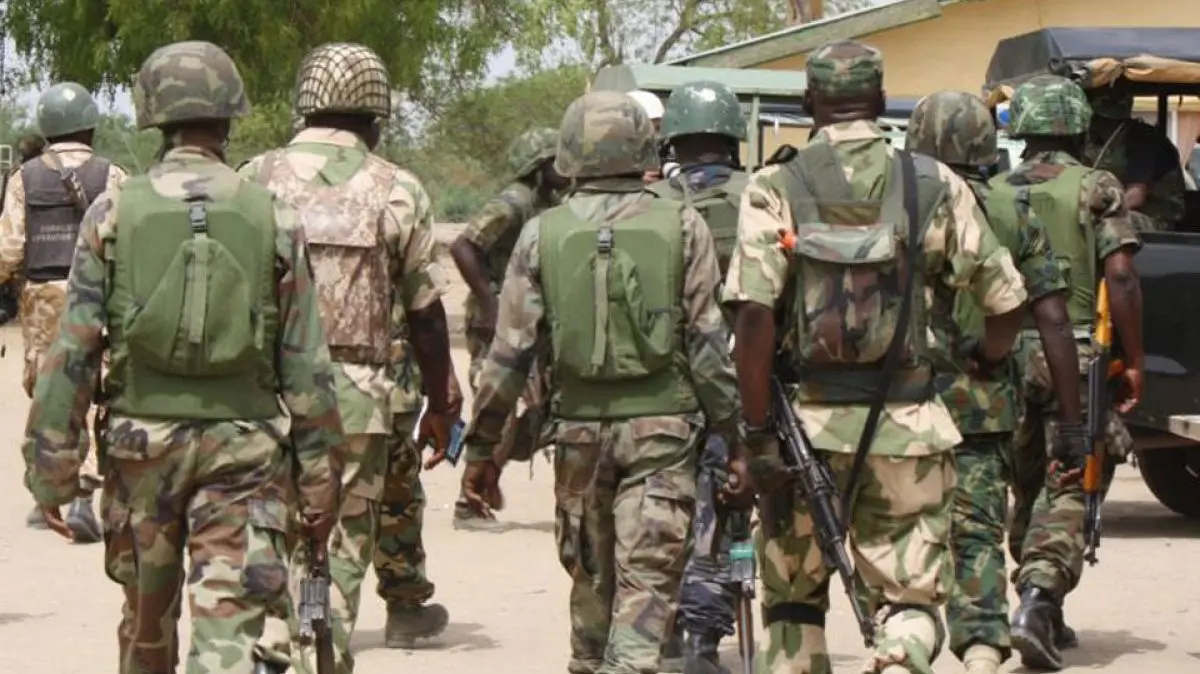
At least 15 people have been killed in an attack by armed bandits in Nigeria’s Benue state, local media reported Thursday. Several people were also wounded when the assailants invaded the town of Anyiin in the Logo Local Government Area. Nigeria has long been facing attacks from armed gangs as well as the Boko Haram and Islamic State West Africa Province (ISWAP) terrorist groups in various regions of the country. Despite the death penalty being enforced for kidnapping, incidents of abduction for ransom are still common. Armed perpetrators typically target villages, schools and travelers in the northern part of the country to demand ransoms.

Moroccan activist arrested over Macron visit
The arrest has raised concerns about the shrinking space for dissent in the country.
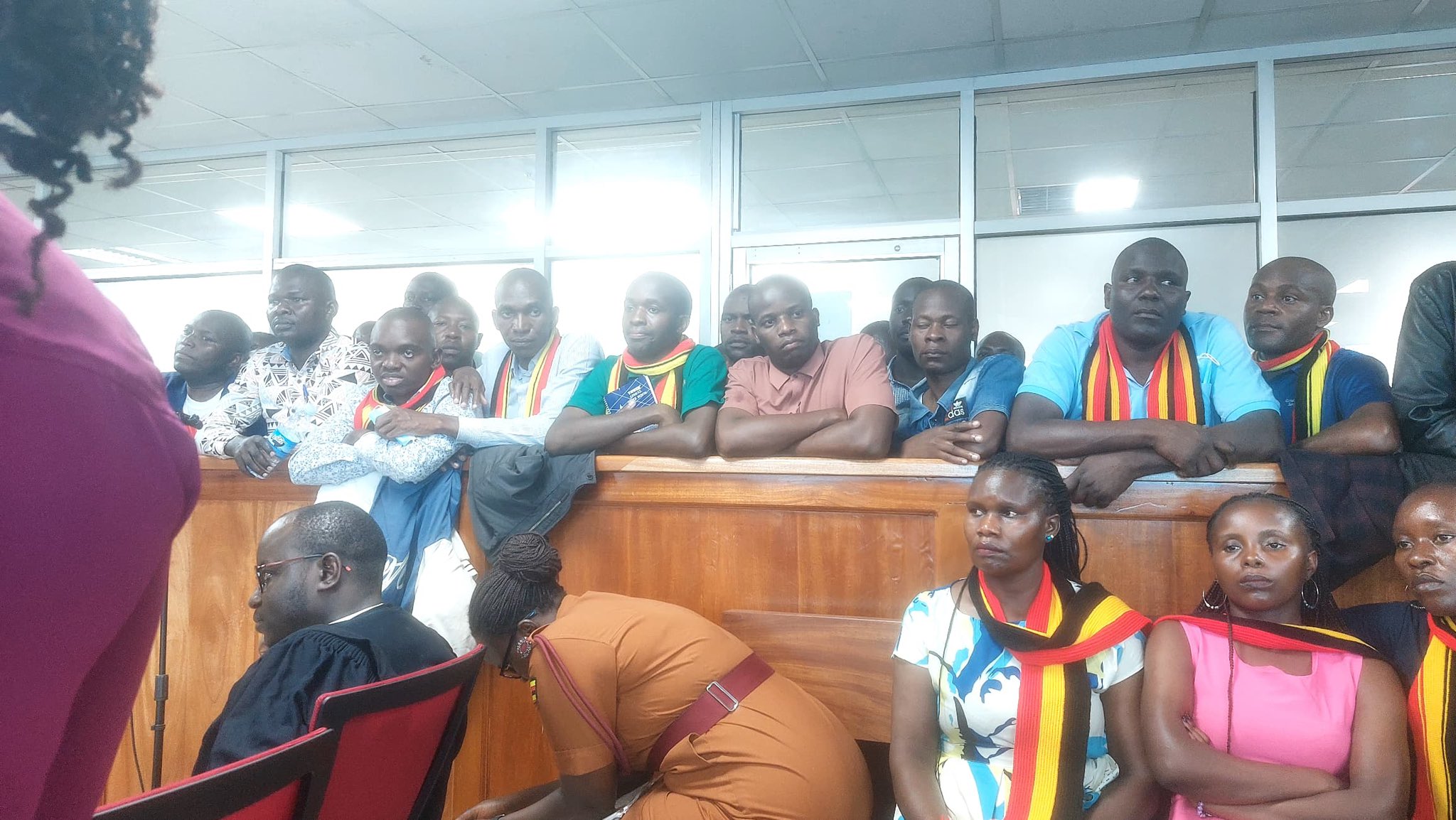
36 Ugandan opposition members released on bail
The release comes as a relief for the party and its supporters, who had expressed concerns about the health and well-being of the detainees.

Kenya faces scrutiny over human rights abuses
Western envoys have urged the government to conduct swift investigations into these incidents.

Cape Verde’s melancholic melody: Morna recognized by UNESCO
This soulful and melancholic style, is characterized by its expressive melodies and heartfelt lyrics

Ethiopia’s PM blames foreign embassies for resource theft
Abiy Ahmed vows strict monitoring, action if corrective measures not taken by embassies

Mozambique blocks social media amid protests over election dispute
Citizens across country have been unable to communicate through social media on 1st day of planned weeklong nationwide strike

Building collapse in Nigeria kills 10, injures 7
A building collapse in Ibadan, Nigeria, has resulted in the deaths of 10 people, with seven others injured.

Eight dead, one missing after mine collapse in Zambia’s copperbelt
This tragic incident has taken a toll on one family in particular, with six of the deceased belonging to the same household
Climate change fuels health crisis, warns new report
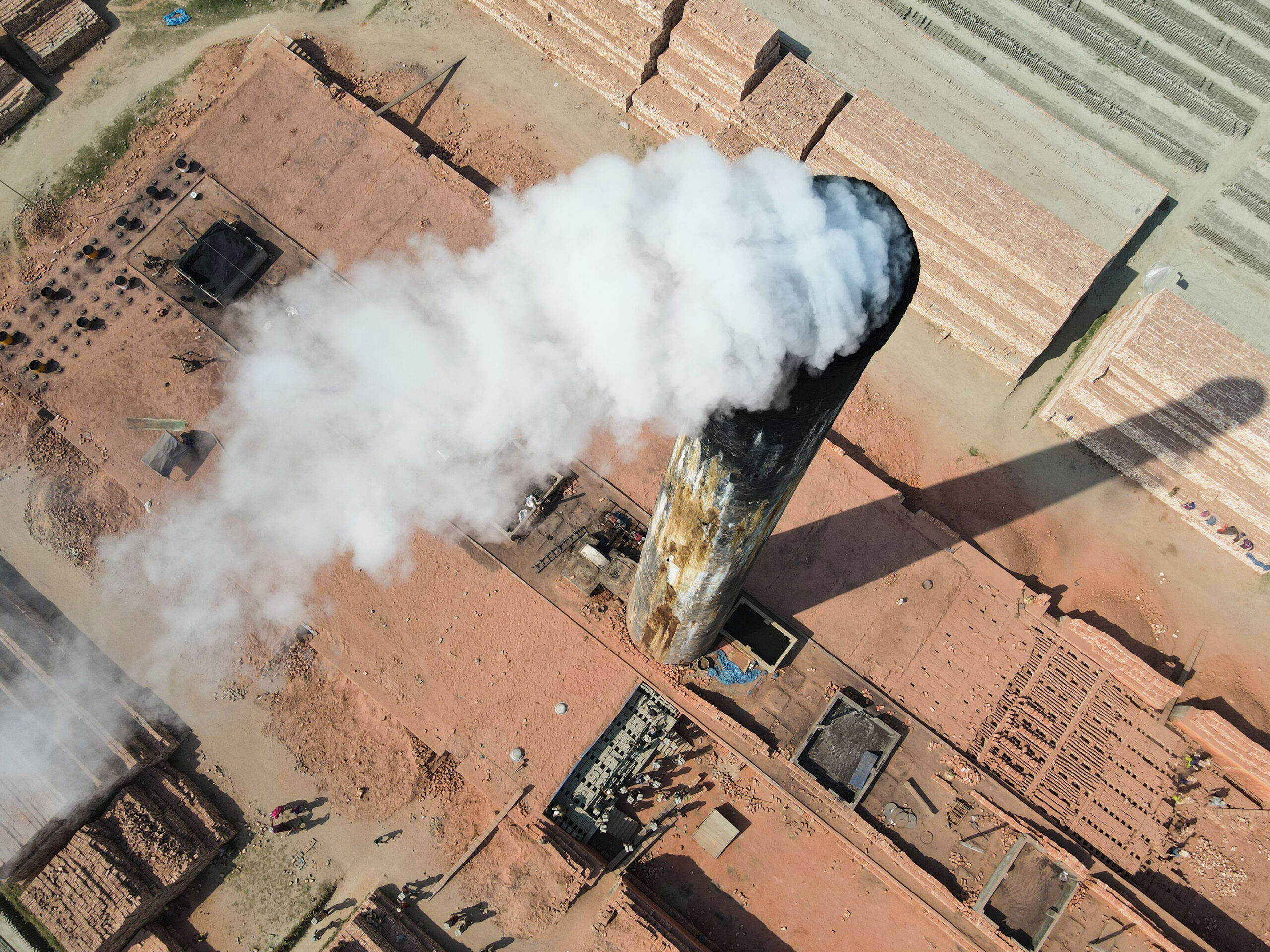
A new report from global health experts warns that climate change is pushing temperatures to dangerous levels, leading to increased deaths and the spread of infectious diseases. The Lancet Countdown report, released ahead of the COP29 climate summit, highlights that every country faces unprecedented health threats due to climate change. The experts urge governments to redirect the trillions spent on fossil fuels towards protecting health and livelihoods. “Resources should not perpetuate fossil fuel use but rather promote access to clean, renewable energy,” said Dr. Marina Romanello, the report’s executive director. The study, conducted by 122 experts, reveals record levels of heat-related deaths, food insecurity, and infectious diseases driven by climate change. In 2023, people faced an average of 50 additional days of extreme temperatures. Nearly half of the global land area is experiencing extreme droughts, exacerbating food insecurity for 151 million people in 124 countries. Romanello emphasized that climate change is a critical health issue affecting all demographics, particularly vulnerable populations. “The health implications are enormous,” she stated, referencing the acute hunger crisis in regions like Somalia due to drought.

Rwandan ex-doctor sentenced to 27 years for genocide complicity
A French court has sentenced Rwandan former doctor Eugene Rwamucyo to 27 years in prison for his involvement in the 1994 genocide against the Tutsi ethnic group. The Cour d’Assises de Paris found him guilty of “complicity in genocide,” “complicity in crimes against humanity,” and “conspiracy” to commit these crimes, while acquitting him of genocide and crimes against humanity charges. Rwamucyo, who denied the allegations during his trial, was accused of promoting anti-Tutsi propaganda and overseeing the burial of victims in mass graves in southern Rwanda’s Butare Prefecture. French prosecutors had sought a 30-year sentence. Genocide survivor Jean Pierre Gakwerere described the ruling as a positive step toward justice for victims. Rwamucyo, 65, was arrested in May 2010 and had previously been sentenced to life in absentia by a Rwandan court. This verdict follows a recent lawsuit by Rwandan genocide survivors against France, seeking $540 million in reparations, with a ruling expected on November 14. French President Emmanuel Macron has acknowledged France’s responsibility in the genocide, stating that France and its allies “could have stopped” it but “lacked the will to do so.” Approximately 1 million people, primarily Tutsis and moderate Hutus, were killed in the genocide within 100 days.

Former Zambian 1st lady arrested on money laundering charges
Zambia’s former first lady Esther Lungu was arrested and charged with possession of property reasonably suspected to be proceeds of crime and money laundering offences Wednesday by the country’s Drug Enforcement Commission (DEC). DEC spokesman Allan Tamba said this is in relation to ongoing investigations into her ownership of several properties. “Mrs. Esther Lungu has since been released on police bond pending court proceedings,” Tamba said in a statement issued in the capital, Lusaka. Her lawyer, Charles Changano, also confirmed the arrest to Anadolu. On the property-related charge, Changano said this was in relation to a property his client possesses in a Lusaka suburb. He said the second charge was that of money laundering for hiring a third party and that she had denied both charges. ”So she has been granted extended bond and we have been told that we may be called again, as this matter is under ongoing investigation,” Changano said after his client underwent questioning in Lusaka.

Botswana awaits election results
Botswana awaits election results that could extend the Botswana Democratic Party’s (BDP) 58-year rule. Duma Boko, leader of the opposition Umbrella for Democratic Change (UDC), expressed concerns about the integrity of the electoral process, suggesting the Independent Electoral Commission is undermining fair elections. Ballot counting began shortly after polls closed at 17:00 GMT, though some stations remained open late to accommodate voters in line. This election will shape the parliament of the diamond-rich nation, with lawmakers later selecting the president. In the previous 2019 election, the ruling party secured 38 of 57 contested seats. President Mokgweetsi Masisi, a former high school teacher, is vying for a second and final term, with a party needing at least 31 seats to claim victory.

African Union calls for UN action on Israel’s UNRWA ban
The African Union Commission has condemned Israel’s decision to ban UNRWA and called on the UN to take decisive action.

Eight miners killed in Zambia mine collapse
A deadly mine accident in Zambia has claimed the lives of eight informal miners. The incident occurred at an open-pit copper mine in Chingola.

UN council approves Somalia mission wind-down
The UN Security Council has voted to begin a two-year withdrawal of its political mission in Somalia, UNSOM, which will transition into UNTMIS.