
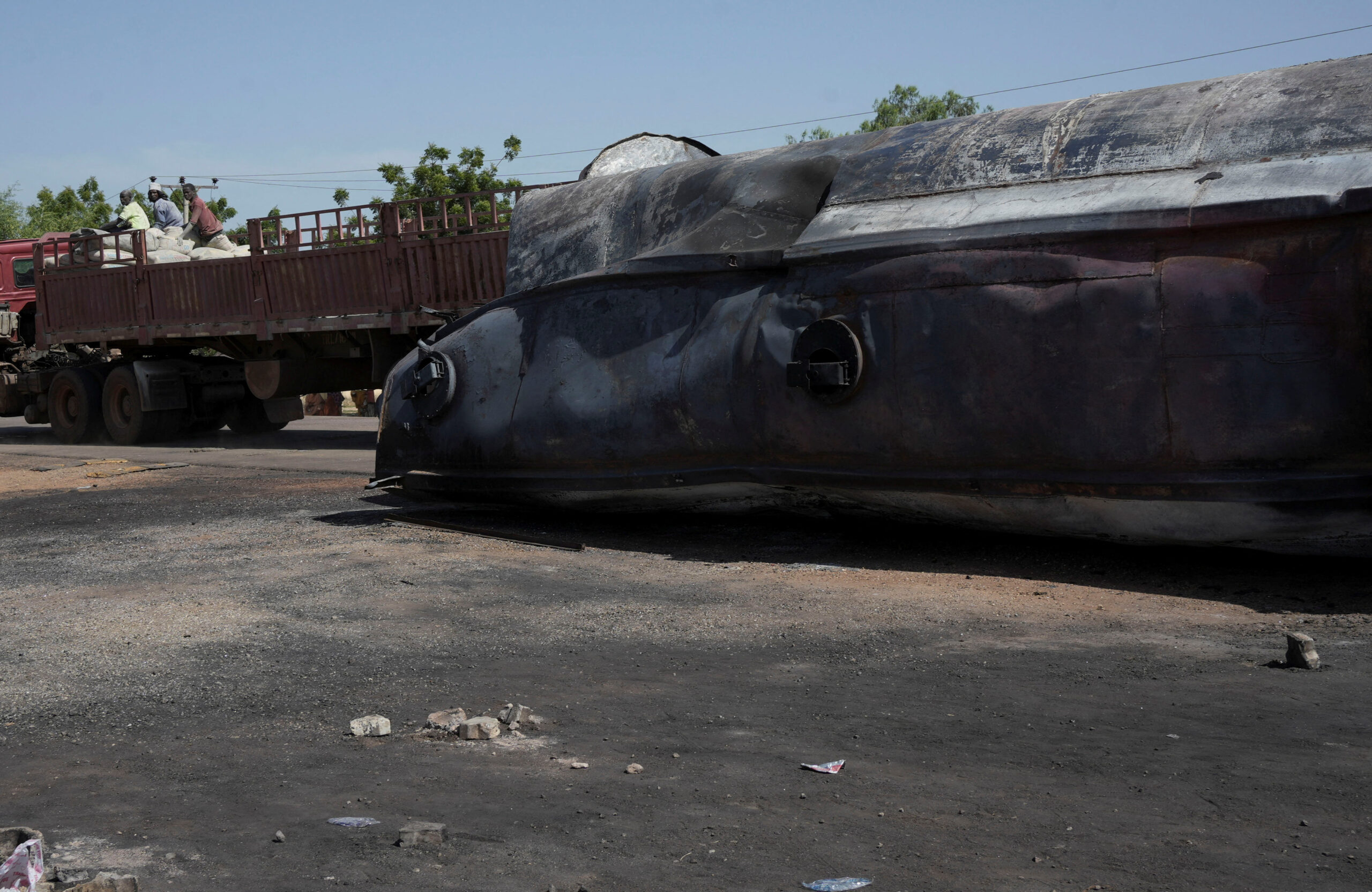
Fuel tanker explosion death toll in Nigeria hits 170
The incident has sparked widespread concern and grief across the nation.
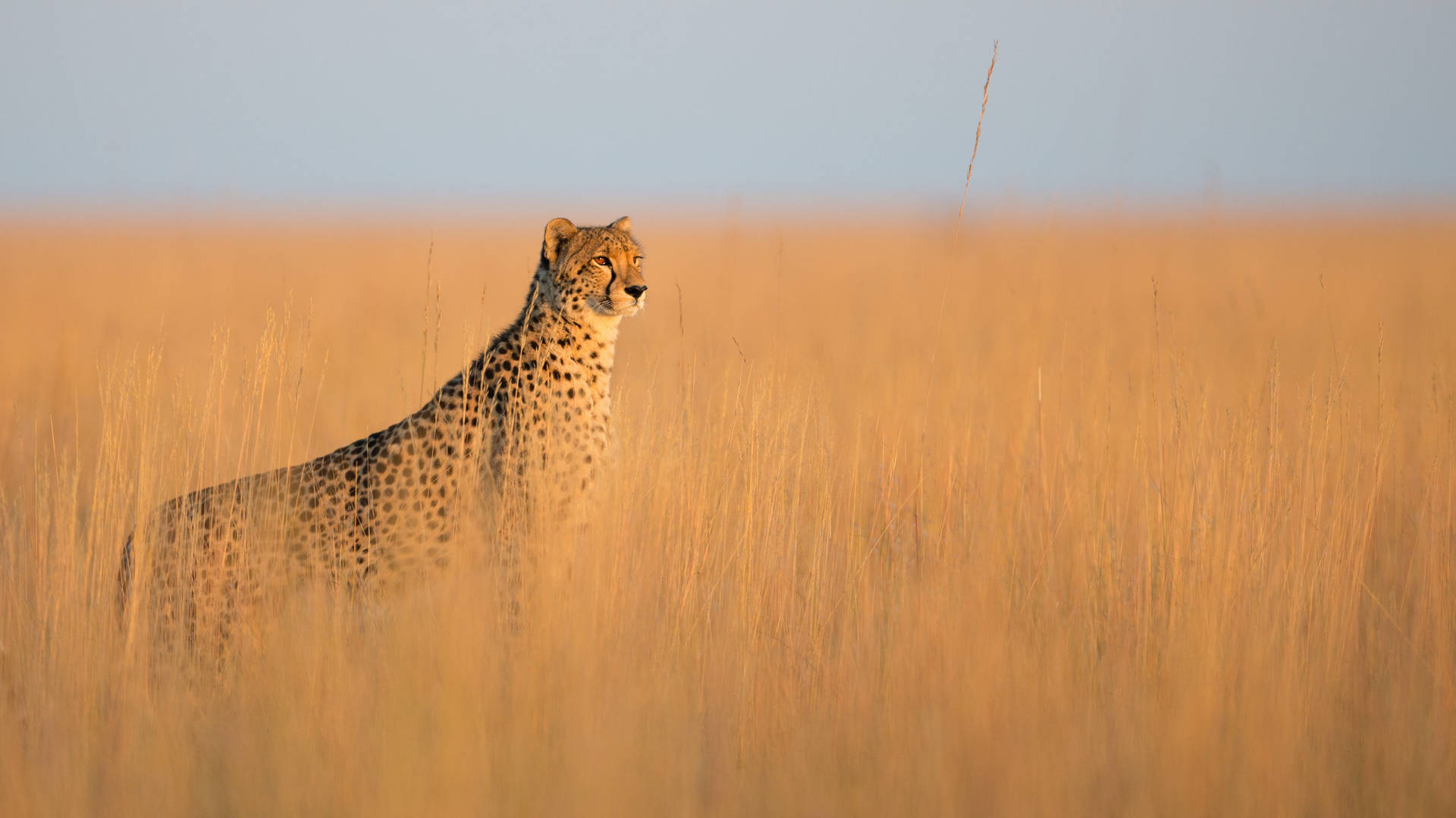
Africa’s cheetah: The world’s fastest land animal
Africa is home to one of nature’s most extraordinary creatures—the cheetah

Four MPs defect, giving opposition edges in Ghana’s parliament
Ghana’s parliament has tipped in favor of the opposition after four MPs defect, raising concerns over key legislation and the upcoming general elections.

Three Ugandan officials charged over landfill collapse
Three officials from the Kampala Capital City Authority face charges of manslaughter and criminal negligence.

Moscow displays art by Gaddafi’s daughter honoring late leader
Following the 2011 uprising, Aisha fled Libya. She lost her husband and two children in NATO airstrikes and later gave birth to her fourth child in Algeria
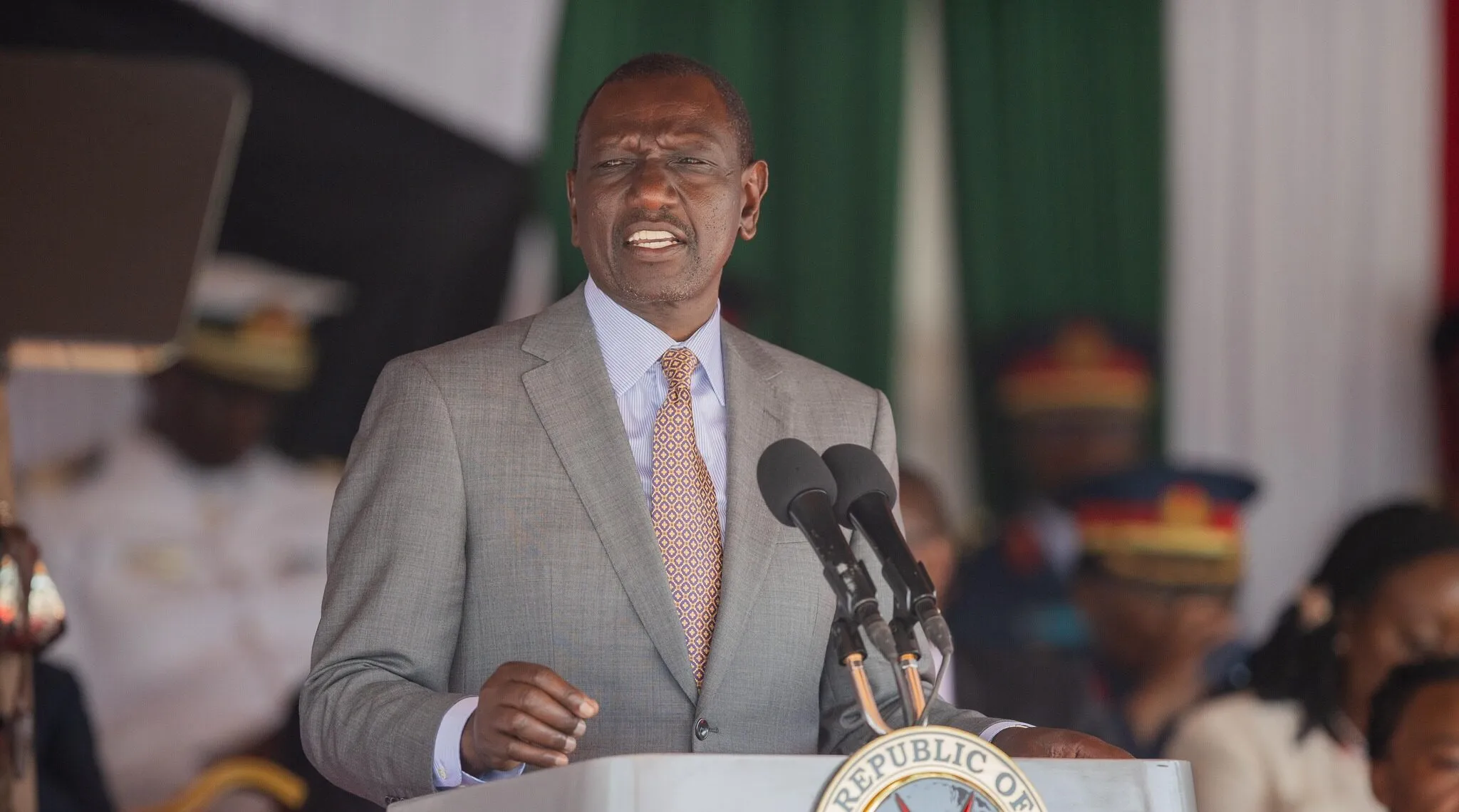
Ruto names interior minister as new deputy president of Kenya
Kithure Kindiki to replace Rigathi Gachagua, removed from office in unprecedented impeachment case

South Africa weighs cutting ties with Israel: Ramaphosa
South African lawmakers last November passed non-binding resolution calling for suspending diplomatic ties with Tel Aviv

Nigeria to launch new malaria vaccine
Nigeria is set to become one of the first countries to deploy a new malaria vaccine after receiving an initial batch of 846,200 doses. Developed by scientists at the University of Oxford and produced by the Serum Institute of India and Novavax, the R21 vaccine marks a significant step in the country’s fight against malaria. Health Minister Muhammad Ali Pate noted that these doses are crucial for eliminating malaria, a disease that affects around 97% of the Nigerian population. Nigeria is the hardest-hit country globally, accounting for 31% of malaria-related deaths. The vaccines, acquired in partnership with the international Vaccine Alliance, Gavi, will be provided free of charge. A trial rollout will start in Kebbi and Bayelsa, the states with the highest malaria burden, before expanding nationwide. An additional 153,800 doses are expected to arrive on October 26, bringing the total to nearly one million.
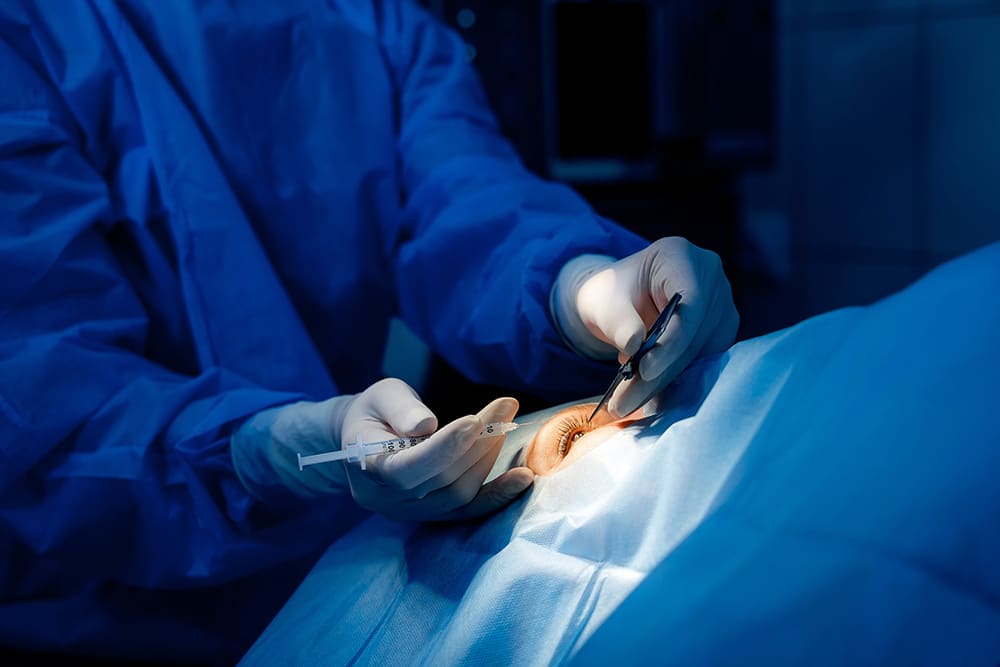
Senegal performs 1st eye transplant
Senegal on Thursday performed the West African nation’s first eye transplant. President Bassirou Diomaye Faye called the milestone a “big step for eye health in our country.” Cheikh Khadim Ndoyem, an ophthalmologist, and Dr. Awa Diama Thiam performed the cornea transplant. Ophthalmic surgeon Andre Mermoud and Dr. Felix Hammer supervised the procedure, which was carried out at the Swiss Visio clinic in Saly Portudal in the seaside resort of Thies. The landmark operation combined “local expertise and international training,” said the president. According to the World Health Organization (WHO), the African region is seeing a decrease in vision loss due to vitamin A deficiency, onchocerciasis, and trachoma, but emerging eye health challenges are growing. One in every six blind people globally live in Africa, along with 26 million others grappling with some degree of visual impairment, it said in a report last week. Statistics show only 14% of people who need cataract surgery receive it, while more than 80% of people with shortsightedness receive no treatment. In addition, only 12% of people in Africa who need glasses or surgical interventions to address blurred vision will receive the necessary care, at significant economic cost to countries. “The global estimated costs of uncorrected refractive errors and cataracts is $14.3 billion annually,” said the WHO.

Mpox deaths exceed 1,000 as outbreaks widen across Africa
Mpox-related deaths have surpassed 1,000 amid outbreaks affecting 18 of Africa’s 55 nations, according to the head of the Africa CDC, Jean Kaseya. This week alone saw 50 new fatalities, bringing the total to 1,100. Kaseya urged international partners to fulfill their pledges to support Africa’s response, highlighting a nearly $600 million budget for a six-month plan developed by Africa CDC and the WHO. Of this amount, 55% is earmarked for addressing mpox in 14 affected nations and enhancing preparedness in 15 others. Mpox, related to smallpox, typically causes milder symptoms like fever and body aches, but severe cases can result in lesions. Zambia and Zimbabwe recently confirmed new cases, with eastern DRC remaining the epicenter of the outbreak. The mpox virus was first identified in Denmark in 1958, and while it had sporadically spread in central and West Africa for years, a global outbreak began in 2022, prompting rapid vaccine distribution from wealthy countries.

Activist Kemi Seba regains freedom after custody in France
“Those who seek to dim our light will have to wait,” activist Kemi Seba declared on Thursday (Oct. 17) upon regaining his freedom. The Beninese activist, in his forties, spent nearly four days in custody at the French interior security agency (DGSI) headquarters in Paris. His lawyer, Juan Branco, stated during a press conference on Wednesday (Oct. 16) that Seba was questioned in relation to two charges: “collusion with a foreign power to foster hostility or acts of aggression against France” and “maintaining ties with a foreign power that could harm the fundamental interests of the nation.” Both charges carry a potential prison sentence of at least 10 years. According to French newspaper Le Monde, Seba, born Stellio Gilles Robert Capo Chichi, is not currently under prosecution, as confirmed by the Paris public prosecution. Seba, a vocal critic of neo-colonialism in Africa, was arrested on Monday (Oct. 14) while having lunch with a colleague. Branco condemned the arrest as “violent.” Seba’s organization, Urgences Panafricatistes, stated that he was in Paris to visit a sick relative and meet with members of the Beninese opposition. He was arrested alongside his close ally Hery Djehuty, who has also been released. Born in France, Seba was stripped of his nationality last July and has since relocated to West Africa with his wife and children.
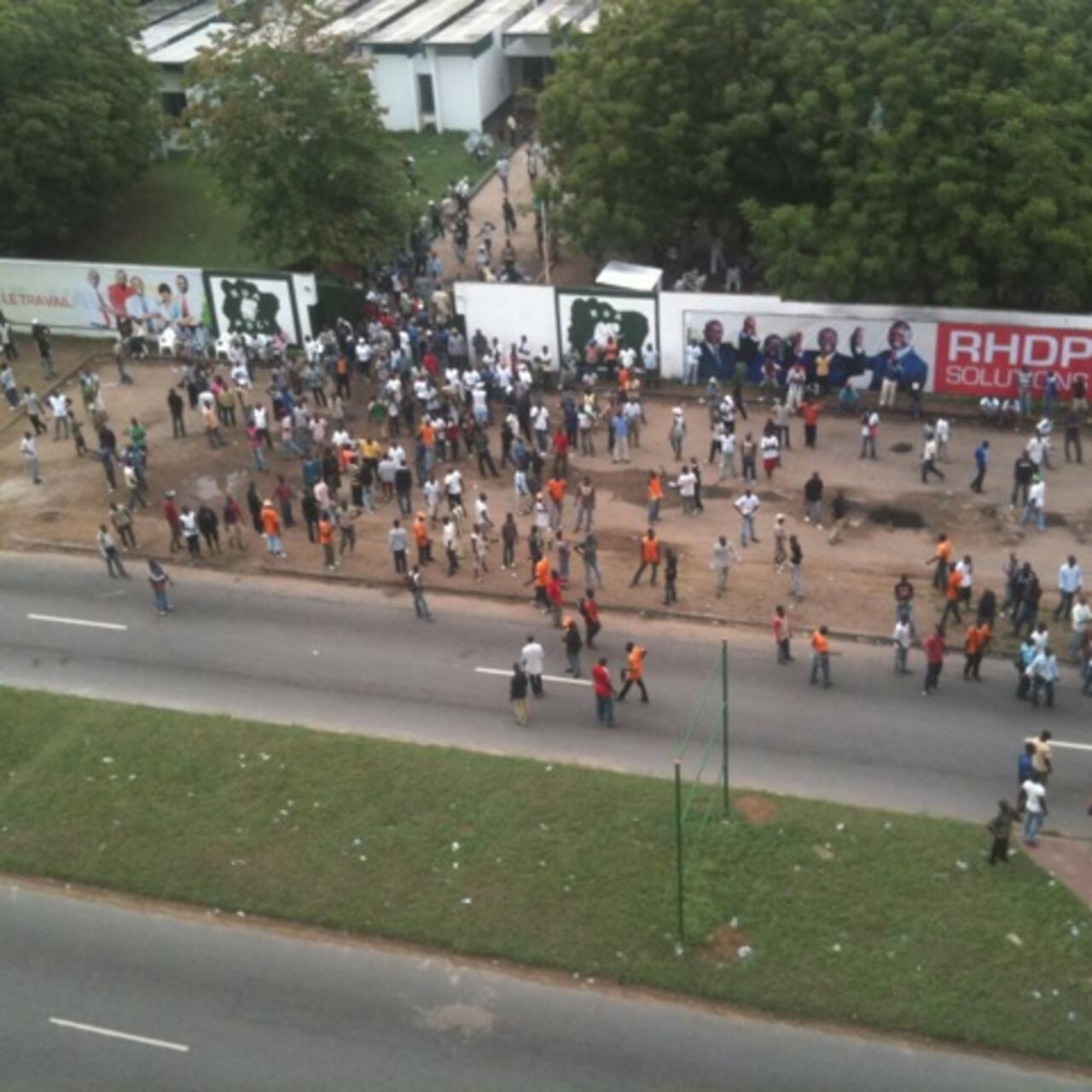
Ivory Coast bans student unions after deadly violence
The Ivory Coast government dissolved a powerful student union after two students were killed in violence allegedly perpetrated by its members.
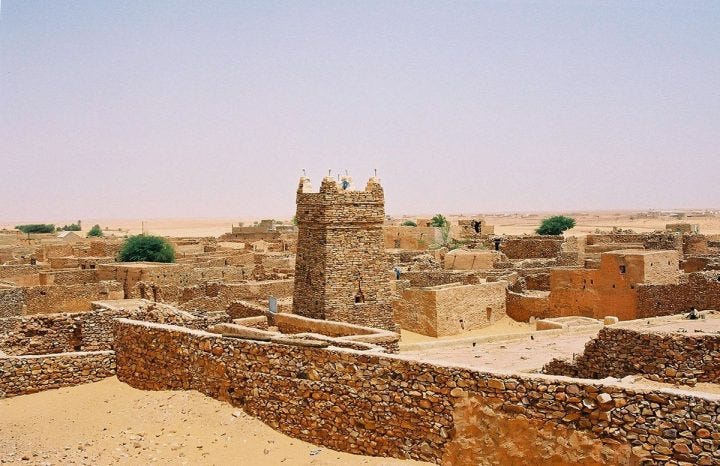
Kingdom of Wagadou: Ancient Ghana’s legacy of gold and metalwork
The Kingdom of Wagadou, also known as ancient Ghana, is remembered for its impressive wealth
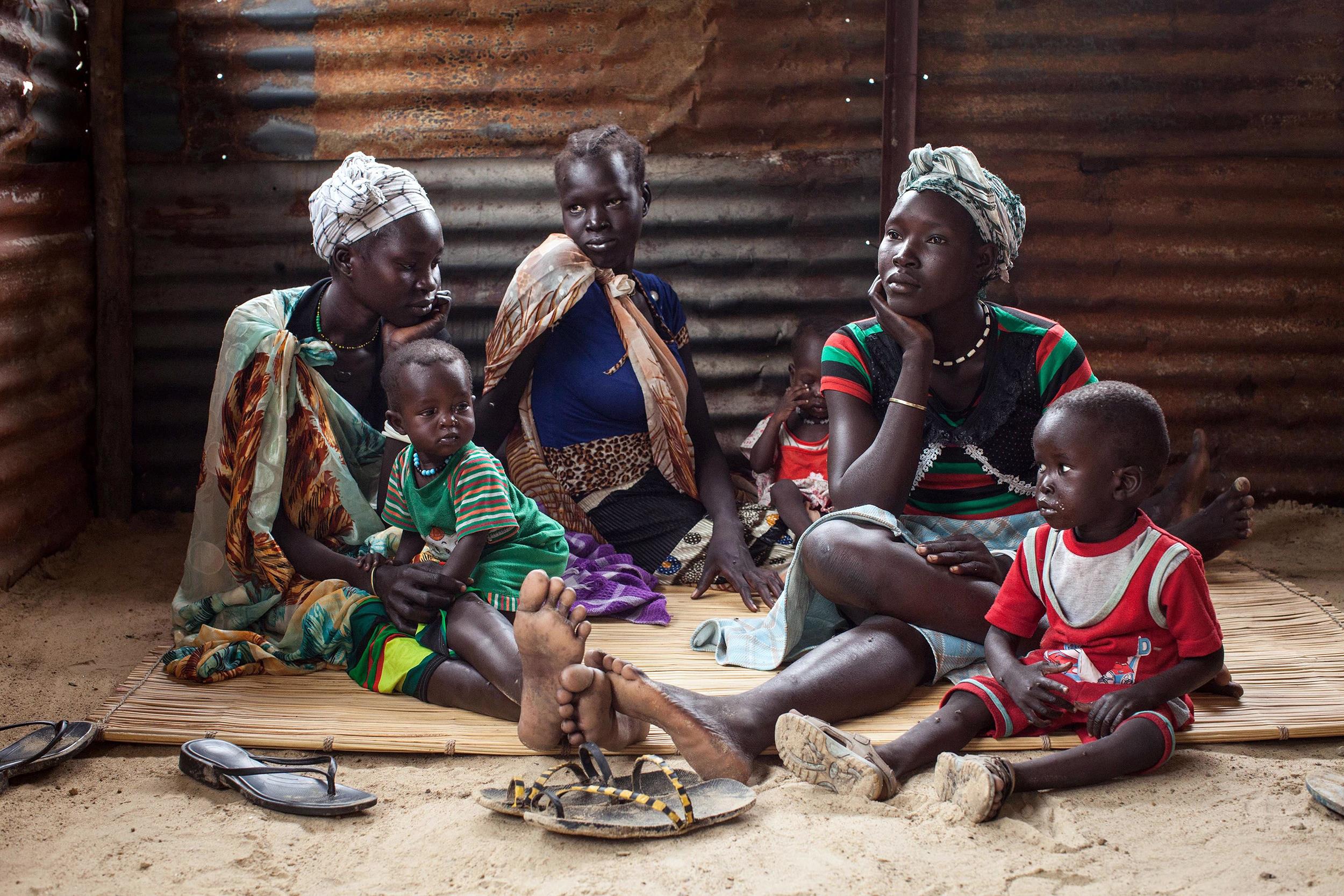
UN calls for humanitarian aid as Sudan faces famine
UN experts have accused the warring parties in Sudan’s civil war of using starvation tactics against millions of civilians, leading to a severe humanitarian crisis.

Seven killed in suicide bombing in Somalia
The targeted restaurant, located across from a police training facility, was popular among law enforcement officers
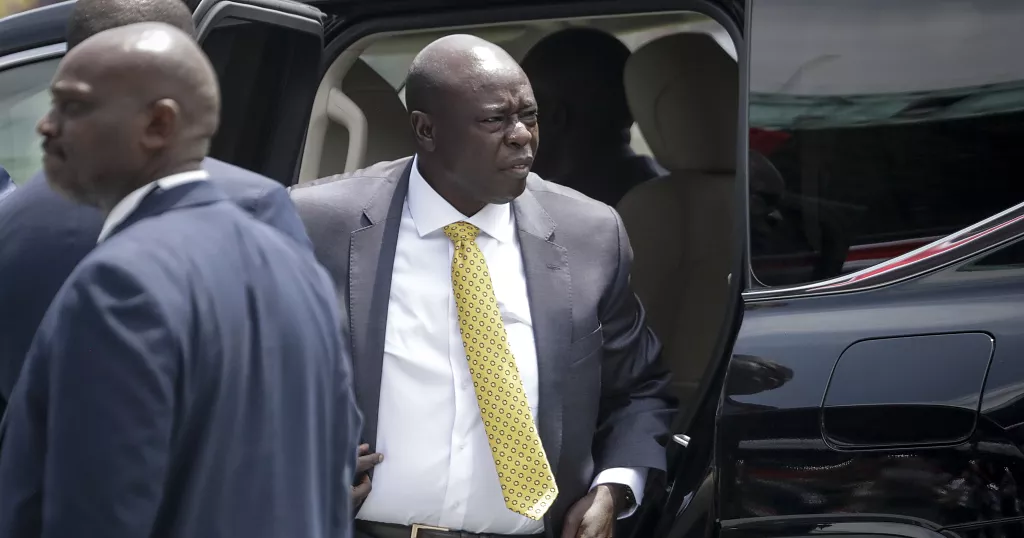
Kenya’s deputy president hospitalized during impeachment trial
Last week, the National Assembly voted to impeach Gachagua, who was instrumental in President William Ruto’s electoral victory two years ago

Kenya Senate to vote on deputy president’s removal
Last week, the National Assembly voted to impeach Gachagua, who played a key role in President William Ruto’s election victory two years ago

Africa: Flooding has left 10 million children in out of school
International humanitarian organization Save the Children reported that approximately 10 million children in Central and West Africa are unable to attend school due to flooding caused by heavy rainfall. In a written statement, the organization noted that nearly 1 million people have been displaced in Niger, Nigeria, Mali, and the Democratic Republic of the Congo (DRC) due to the floods. The statement highlighted that the rains have caused significant damage to school buildings, with some even collapsing, and many of those displaced are seeking refuge in schools. Mali and Niger have been the hardest hit by the flooding, with schools expected to open late—one month in Mali and three weeks in Niger. The statement also mentioned that, due to ongoing conflicts and poverty, 36 million children in these four countries were already out of school, and the floods have added another 10 million to this number.
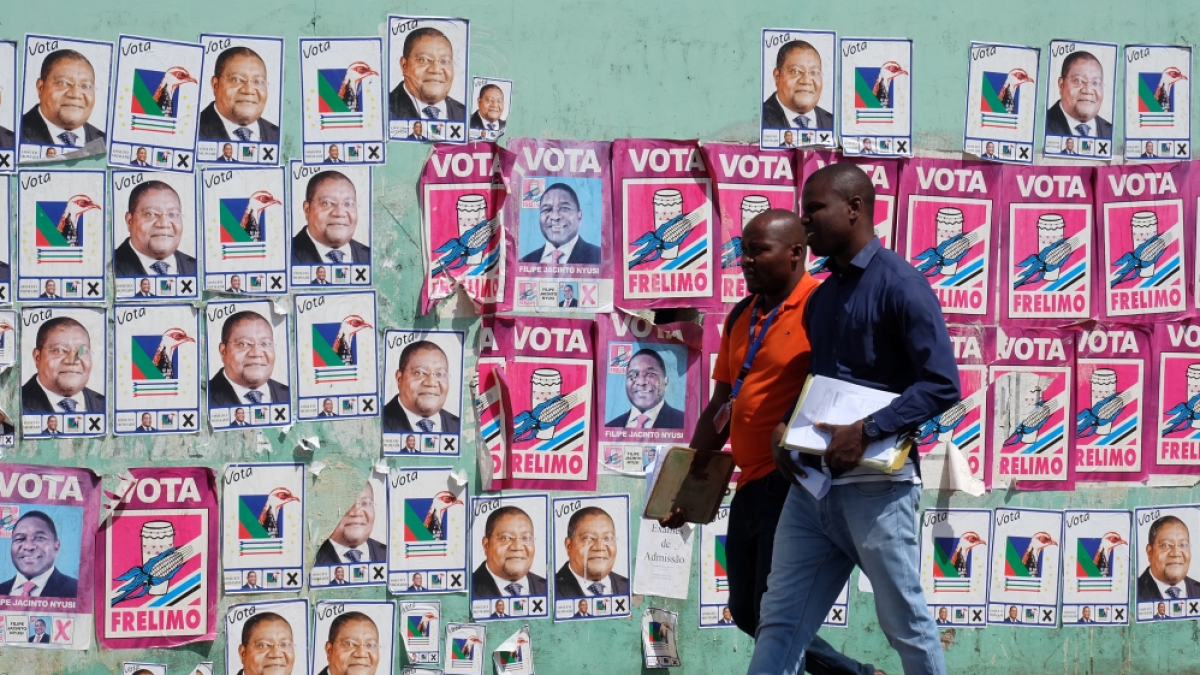
Frelimo’s Daniel Chapo leads Mozambique elections
Daniel Chapo, the presidential candidate for Mozambique’s ruling party Frelimo, participated in last week’s general election. Preliminary results released on Wednesday indicate that Frelimo is leading in all 11 provinces, positioning Chapo as the likely next president. However, election observers have expressed concerns about the integrity of the poll, stating it fell short of international standards. Reports of disorganized counting, poorly sealed ballot boxes, vote buying, inflated voter rolls, and intimidation have emerged. Opposition parties have alleged fraud, with at least one calling for a nationwide strike on Monday and another planning to contest the results in court. Frelimo has been in power since Mozambique gained independence from Portugal in 1975 and has faced persistent accusations of election rigging, which the party denies. Final results are expected on October 24.

Death toll in Nigeria’s tanker explosion rises to 153
Nigeria Police Force confirmed Wednesday that the death toll from a tanker explosion rose to 153. Police spokesman in Jigawa State, Lawal Adam, told Anadolu that 100 people were hospitalized at various facilities. He said the explosion occurred on an expressway in Jigawa state in northwestern Nigeria. The disaster, according to the police, was triggered by residents who had rushed to scoop petrol that had spilled after the tanker overturned. The zonal coordinator for the National Emergency Management Agency (NEMA), Nura Abdullahi, told the Turkish news agency that a mass funeral was held in Majiya town of the Taura local government. The head of the Jigawa State Emergency Management Agency, Haruna Mairiga, put the death toll at 153. Mairiga added that the victims were burned to ashes beyond recognition at the scene of the blast. President Bola Tinubu demanded a comprehensive review of fuel transportation safety protocols across Nigeria following the accident. Vice President Kashim Shettima, on behalf of Tinubu, sympathized with the families of those killed in the accident and prayed that God would grant them the fortitude to bear the loss.

Niger renames streets, squares from French colonial era
Niger replaced on Wednesday the names of streets and public squares inherited from the French colonial era with those of prominent African historical figures. The renaming, initiated by the Ministry of Youth and Culture, saw streets and squares in the nation’s capital of Niamey given new names. The locations had long carried names that reminded the public of the hardships and suffering endured under colonial rule, according to Youth and Culture Minister Amadou Abdourahaman. Among the changes, a boulevard previously named after former French President Charles De Gaulle was rechristened as Djibo Bakary Boulevard in recognition of Bakary’s pivotal role in Niger’s independence. In another symbolic gesture, the engraved portrait of French commander Parfait-Louis Monteil on a stone wall in Niamey was removed and replaced with the image of Thomas Sankara, the legendary revolutionary leader of Burkina Faso. Additionally, “Francophonie Square” was renamed the “Alliance of Sahel States Square” to honor the alliance formed by Burkina Faso, Niger and Mali. The changes follow another significant cultural shift in Niger. In June 2023, the country replaced its colonial-era national anthem, “La Nigerienne,” composed in 1961 by French composer Maurice Albert Thiriet, with “For the Honor of the Homeland (Pour l’honneur de la Patrie),” which celebrates Niger’s struggle against colonialism.

Netherlands eyes Uganda for rejected asylum seekers
The Dutch government is seeking solutions to reduce immigration in the country.

Kenya discusses $1.5B UAE loan to diversify finances
Finance Minister Mbadi announces UAE loan talks as Kenya seeks better financing options amid IMF delays.

Congo conflict sparks mental health crisis
The years of conflict in eastern Congo have caused a mental health crisis. Aid groups are overwhelmed by the number of people seeking mental health care.
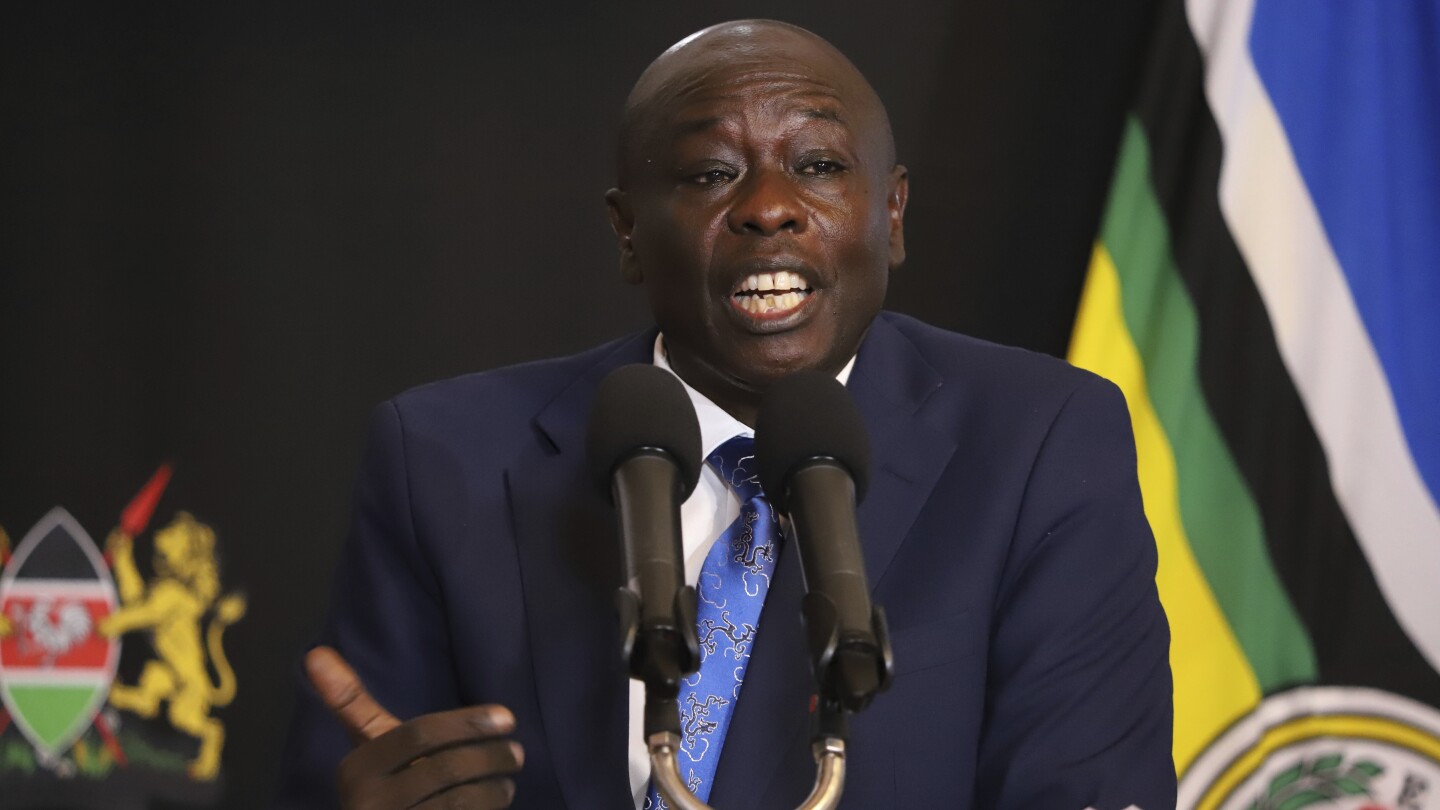
Kenyan court upholds deputy president’s impeachment process
The National Assembly voted last Tuesday to impeach Gachagua on 11 charges, including corruption, undermining the government, and inciting ethnic tensions
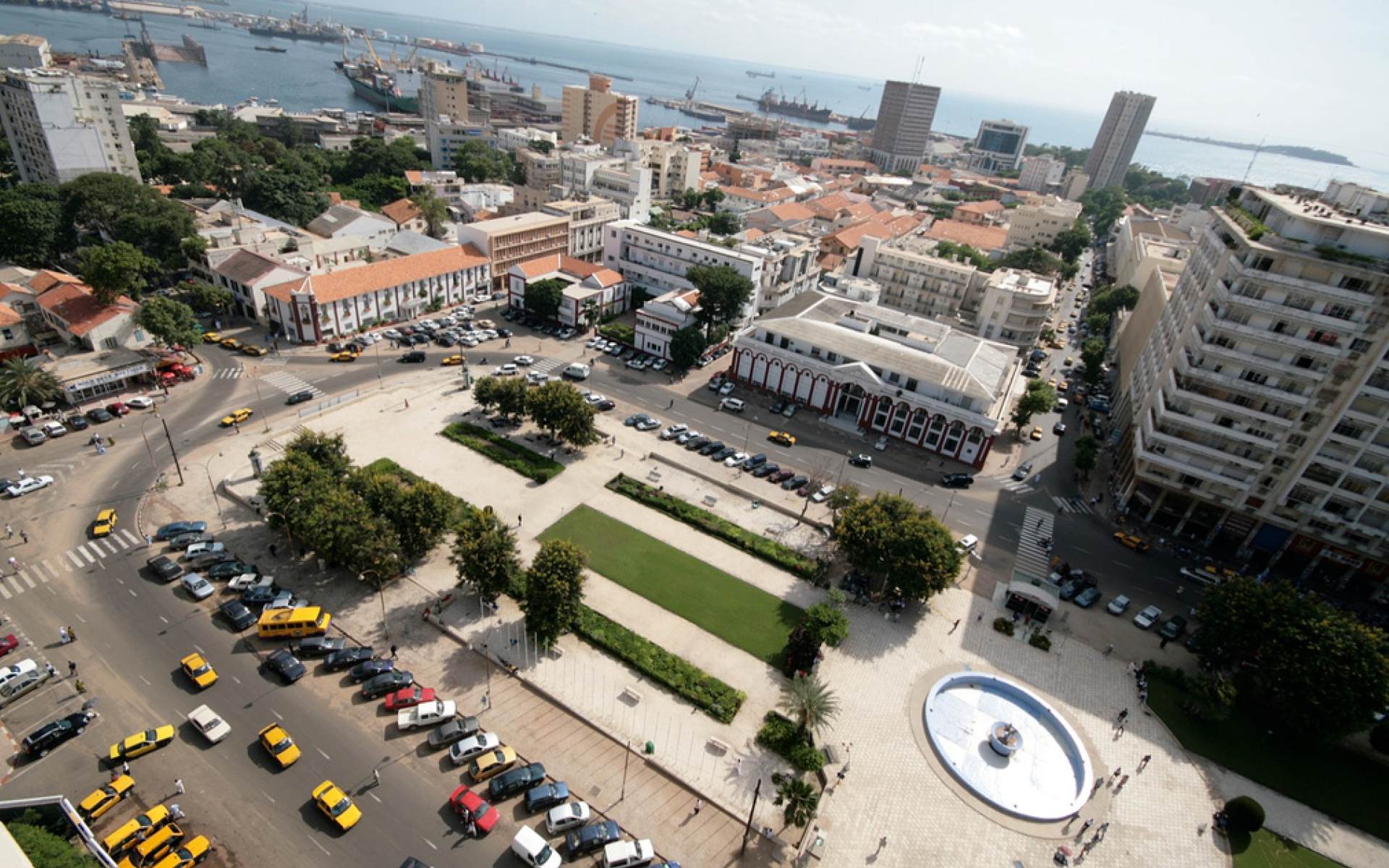
Africa experiences surge in foreign investment
With its rich resources and youthful population, Africa attracts attention from international investors

ICC renews Congo probe into North Kivu crimes
The International Criminal Court (ICC) prosecutor announced on Monday the renewal of an investigation in the Democratic Republic of Congo, focusing on allegations of crimes committed in the conflict-ridden North Kivu province since early 2022. Eastern Congo has long been plagued by over 120 armed groups competing for control of the region’s gold and other resources, leading to mass killings and one of the world’s largest humanitarian crises, with more than 7 million people displaced and many lacking access to aid. The most prominent rebel group, M23, gained attention over a decade ago when it seized Goma, the largest city in eastern Congo, near the Rwandan border. The group is named after a March 23, 2009, peace deal that it claims the Congolese government has failed to honor. In August, clashes between M23 and pro-government militias resulted in the deaths of 16 villagers, violating a cease-fire intended to aid the displaced population. The ICC initially opened its investigation in Congo 20 years ago amid ongoing armed conflict. Last year, the Congolese government requested an investigation into alleged crimes by armed groups in North Kivu since January 1, 2022. Prosecutor Karim Khan stated that the recent violence in North Kivu is linked to a long history of hostilities in the region since mid-2002, and therefore, these new allegations will be included in the ongoing investigation. Khan emphasized that the investigation will not focus on specific parties or groups, but will aim to independently and impartially assess the responsibility of all actors involved in crimes within the ICC’s jurisdiction. The ICC has previously convicted three rebels for crimes in the eastern Ituri region, including notorious warlord Bosco Ntaganda, known as “The Terminator,” who was found guilty of murder, rape, and sexual slavery. His 30-year sentence was upheld by appeals judges in 2021.