



Biden tours Angola as China’s duty-free LDCs access begins
China’s expanded zero-tariff access for African LDCs begins as U.S. President Biden visits Angola, signaling growing competition between the two countries for influence in Africa.

Egypt to float four state-owned firms on stock market
Egypt is set to privatize up to four military-owned companies as part of its broader economic reform plan.
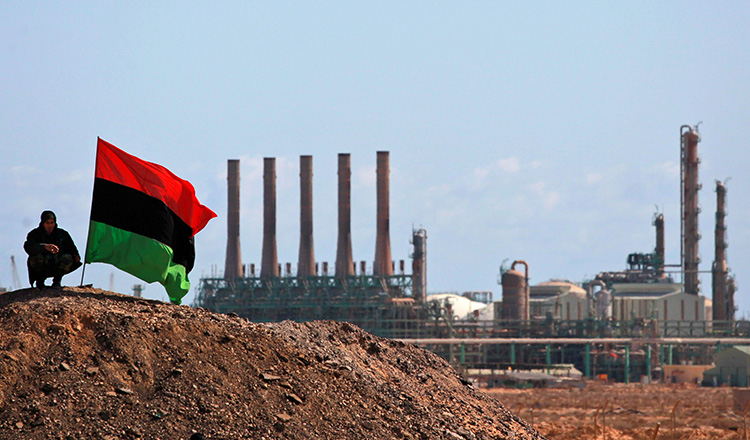
Libya’s NOC plans new oil and gas bidding round this year
NOC chief Farhat Bengdara confirms a new exploration bidding round is coming in Libya with oil output hitting 1.4 million barrels per day.

Cameroon plans fuel price hike in 2025
Cameroon is preparing to implement additional fuel subsidy cuts in 2025, which is expected to lead to higher fuel prices.
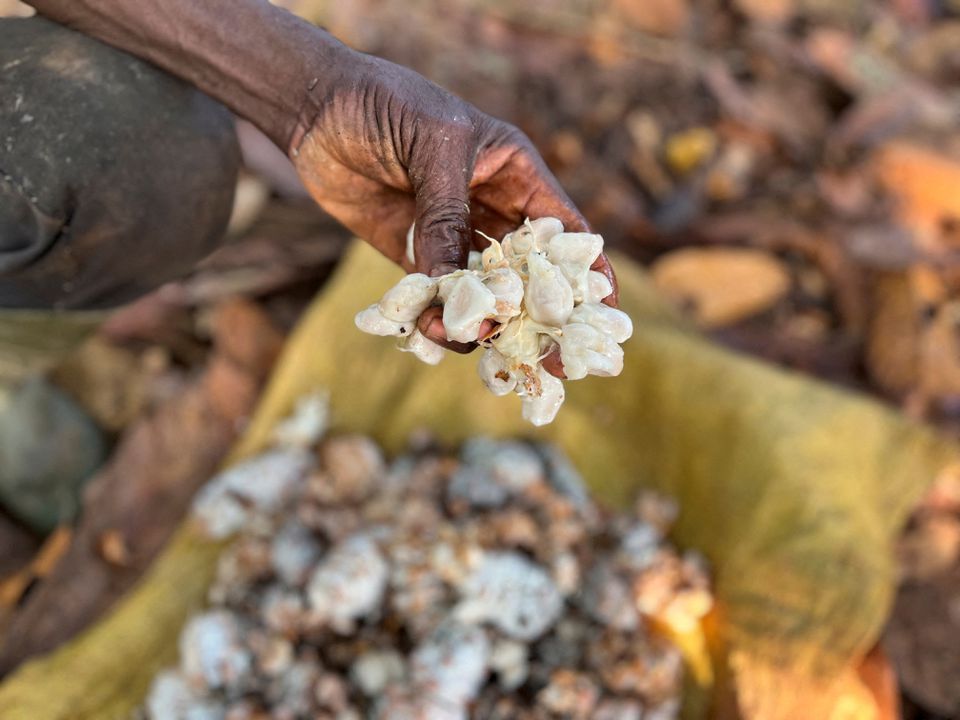
Ivory Coast cocoa crop threatened by dry weather
Farmers are concerned about the impact on cocoa bean quality and yield.

Morocco launches first futures market in North Africa
Morocco is set to launch its first futures market, with contracts based on the MASI 20 index.

Ghana voters face economic uncertainty before race
Voters in Ghana are deeply concerned about the economic crisis as elections near in December 2024.
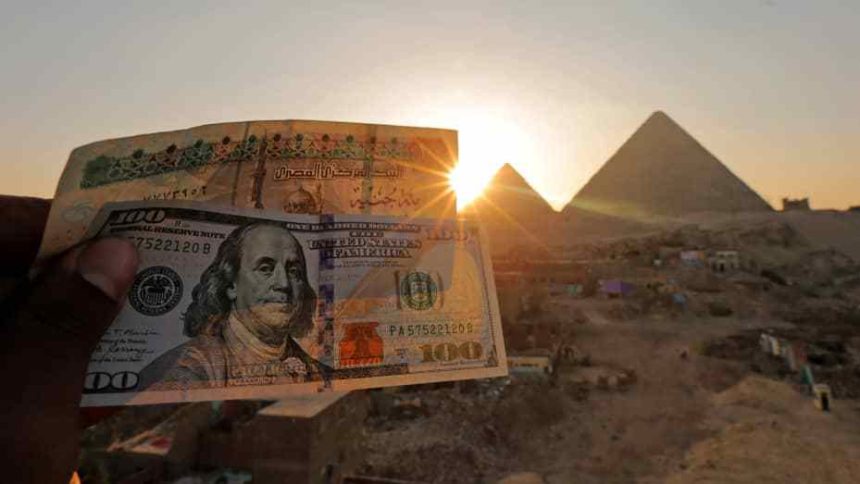
October sees Egypt’s net foreign assets decline by $1.12 billion
Central bank data reveals a $1.12 billion decline in Egypt’s net foreign assets in October, ending the month at $9.21 billion compared to $10.33 billion in September.

Black Friday online sales reach $10.8 billion in US
Black Friday online sales reached a record high of $10.8 billion, driven by strong demand for electronics, fashion, and home goods.

Nigeria’s port Harcourt refinery resumes operations
Nigeria’s state-owned oil firm, NNPC Ltd, has successfully restarted operations at the Port Harcourt refinery, a significant step towards reducing the country’s reliance on fuel imports.

Angola not in IMF talks, finance ministry confirms
While Angola sought a technical update from the IMF on risk management options, no formal program discussions are underway

MTN South Africa launches affordable 5G phone
South Africa’s MTN has introduced a budget-friendly 5G smartphone to make faster internet speeds and advanced features accessible to a wider range of consumers.
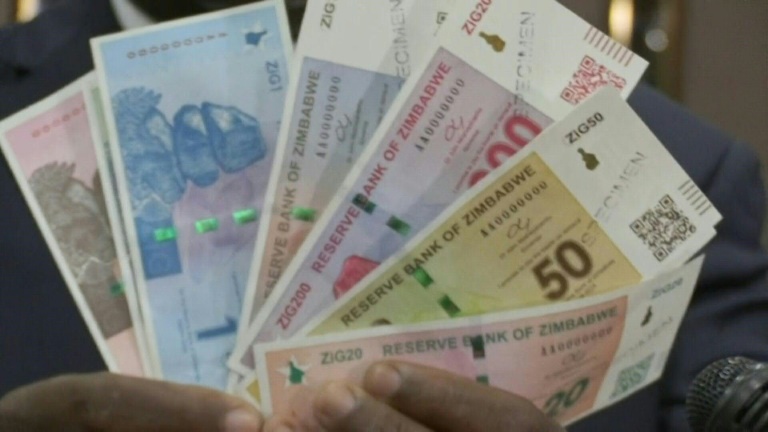
Zimbabwe discusses $12.7 billion debt restructuring
Zimbabwe’s President Emmerson Mnangagwa hosted creditors and finance executives on Monday to discuss plans for clearing the country’s $12.7 billion external debt and restructuring arrears. With the nation’s debt representing 81% of its GDP, the task is daunting for a country with a history of financial crises, including hyperinflation and failed currency reforms. Mnangagwa revealed that Zimbabwe is negotiating a Staff Monitored Program (SMP) with the International Monetary Fund (IMF), which would pave the way for key policy reforms. African Development Bank (AfDB) President Akinwumi Adesina expressed the AfDB’s readiness to provide financial support for these reforms and help clear arrears. Finance Minister Mthuli Ncube said timelines for debt restructuring would be clearer by mid-2025, once Zimbabwe secures bridge financing from lenders. Analysts warn that addressing arrears is crucial for the country’s economic recovery, as Zimbabwe currently cannot access funds from the IMF due to its debt situation. Clearing arrears with major creditors, including the AfDB, World Bank, and European Investment Bank, is key to unlocking future funding. The IMF has been unable to provide financial support due to Zimbabwe’s unsustainable debt. While the SMP would not include financial aid from the IMF, it would signal a return to sound economic policies. Zimbabwe’s debt situation remains complex, with a significant portion of the debt in arrears and penalties, limiting access to international financial assistance.
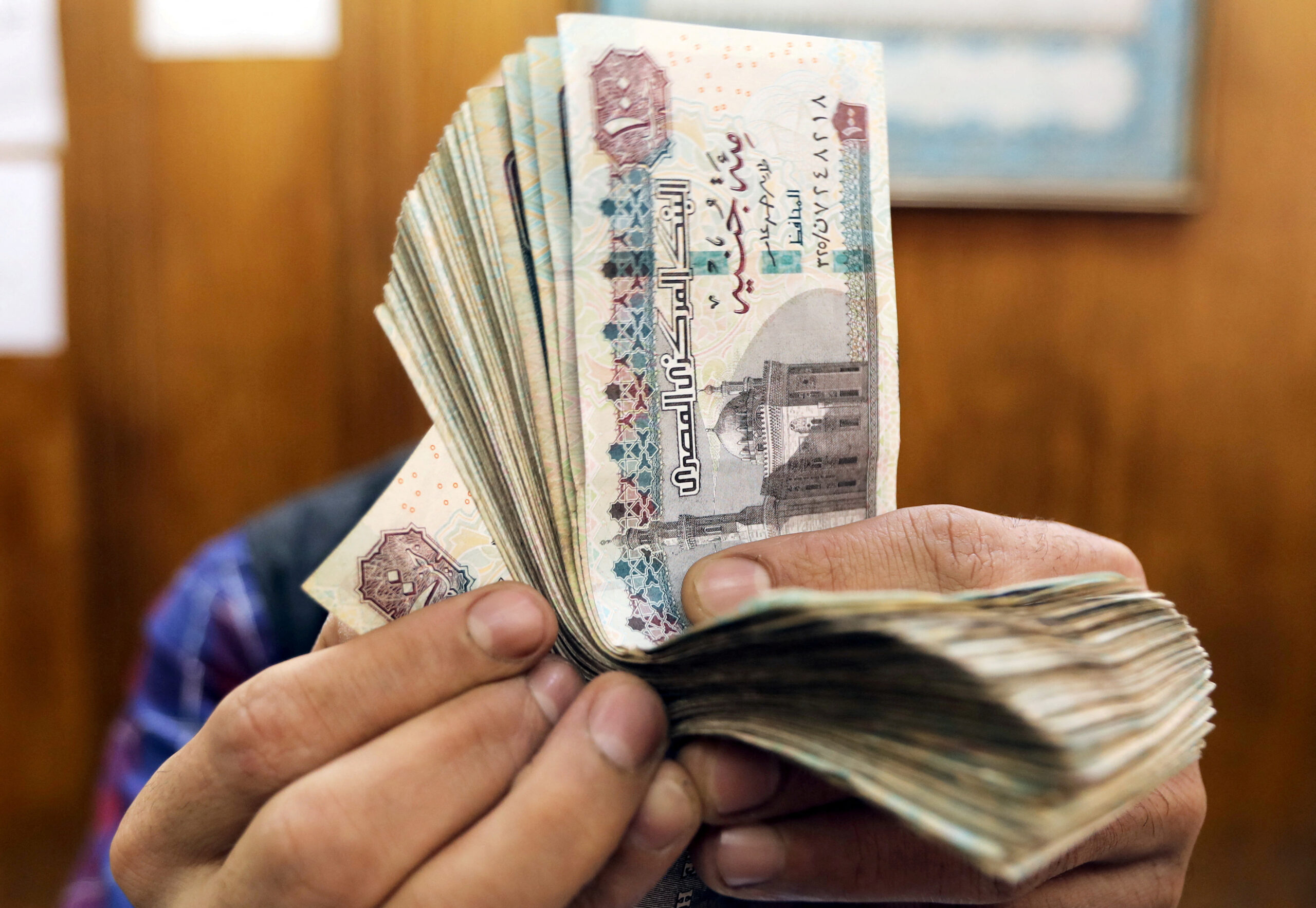
IMF backs Egypt’s reforms, addresses global economic challenges
IMF Highlights Progress in Egypt’s Reforms, Assesses Global Economic Challenges The International Monetary Fund (IMF) reiterated its support for Egypt’s reform program, noting significant progress despite ongoing economic difficulties exacerbated by regional tensions. Speaking in Washington, D.C. on Thursday, IMF Communications Director Julie Kozack praised Egypt’s commitment to key reforms designed to ensure macroeconomic stability. The IMF recently completed a mission to Egypt, making headway in discussions for the fourth review of the country’s 46-month loan program, which was approved in 2022 and expanded to $8 billion earlier this year. The program aims to address Egypt’s severe economic challenges, including high inflation and foreign currency shortages. Completing the review could unlock an additional $1.2 billion in financing for the country. Limited Economic Impact of Spain’s Floods The IMF also addressed the economic effects of the recent devastating floods in Spain, offering condolences to those impacted. While the floods caused significant damage in some areas, Kozack noted that the broader economic impact has been limited. Key infrastructure sectors such as transport and industry saw only minor disruptions. A more detailed assessment will be provided in the IMF’s World Economic Outlook update in January. Argentina’s Stabilization Efforts Show Progress The IMF also pointed to signs of economic stabilization in Argentina, following a challenging year of contraction. As the country works on restructuring its $44 billion loan with the IMF, Kozack reported progress in Argentina’s stabilization program, including reduced inflation, fiscal surpluses, stronger reserve coverage, and early signs of recovery in economic activity and real wages. The IMF pledged continued support to help Argentina maintain these gains and address remaining challenges. These updates underscore the IMF’s ongoing efforts to assist member countries in tackling complex economic issues and implementing reforms necessary for long-term stability.
Developing nations reject $250B climate deal at COP29
At the UN’s COP29 climate summit in Baku, Azerbaijan, delegates from developing countries expressed disappointment over a proposed climate finance deal in which wealthy nations pledged $250 billion to poorer countries by 2035. While this amount is more than double the previous goal of $100 billion annually set 15 years ago, it still falls far short of the $1 trillion that developing nations have been requesting to cope with the impacts of climate change. “This is a slap in the face,” said Mohamed Adow from Power Shift Africa. “Our expectations were already low, but this is not something any developing country will accept.” COP29 has centered around the issue of climate finance, which requires wealthy nations to compensate developing countries for the damage caused by extreme weather events, support their adaptation efforts, and help them transition away from fossil fuels. For many developing nations, the summit represents one of the few opportunities to hold wealthy countries accountable, especially since they are often excluded from meetings of the world’s largest economies. The proposed $250 billion deal was announced later than expected, leaving many countries, analysts, and advocates frustrated and concerned about the transparency and handling of the negotiations. “These texts form a balanced and streamlined package for COP29,” summit organizers said in a statement, urging parties to carefully study the proposal to reach a consensus on the remaining issues. While wealthy nations and analysts argue that the pledged amount will be leveraged to increase overall climate funding, much of this financing will come in the form of loans—further burdening countries that are already struggling with high levels of debt.

Ghana’s fashion industry tackles fast fashion problem
Ghana, a major importer of secondhand clothing, is grappling with the environmental consequences of fast fashion.

Eni expands Congo’s LNG capacity
Italy’s Eni is expanding its African gas footprint with the construction of a second FLNG facility for the Republic of Congo.

Amazon commits $4B to AI startup Anthropic
Anthropic to use Amazon’s cloud service provider as primary, train AI models on Amazon chips in new deal

Nigeria’s naira-priced crude sales miss target
The Dangote Refinery, Nigeria’s largest, is facing difficulties in securing sufficient crude oil supplies despite the government’s initiative to sell crude priced in naira.

Morocco fines Viatris over unreported merger
Viatris, a U.S. pharmaceutical company, has been fined by Morocco’s competition regulator for failing to notify the authority about its merger.

South Africa’s central bank lowers interest rate to 7.75 percent
The South African central bank cautiously reduced its key interest rate by 0.25% to 7.75%, reflecting lower inflation but acknowledging future uncertainties like global trade and policy changes.

Kenya cancels deals with Adani Group following US indictments
Ruto stated that he had ordered the immediate halt of a procurement process that was set to transfer control of Kenya’s main airport to the Adani Group

Nigeria to double Utapate crude output, seeks buyers
Nigeria is launching a new crude oil grade, Utapate, and aims to double its production by the end of 2025.

Putin’s nuclear doctrine update weighs on South African rand
The South African rand weakened due to increased global uncertainty caused by Russia’s updated nuclear doctrine.

Cameroon receives $96m EU loan for infrastructure projects
The European Union has pledged a $96 million loan to Cameroon to fund infrastructure projects, including energy, roads, and railways.

Ghana halts offshore pension investments
To mitigate the impact of currency fluctuations, Ghana has imposed restrictions on private pension fund managers investing in offshore assets.

Early harmattan threatens Ivory Coast cocoa
Early arrival of the Harmattan winds in Ivory Coast could negatively impact the cocoa crop, potentially leading to a shortage of beans in February.