



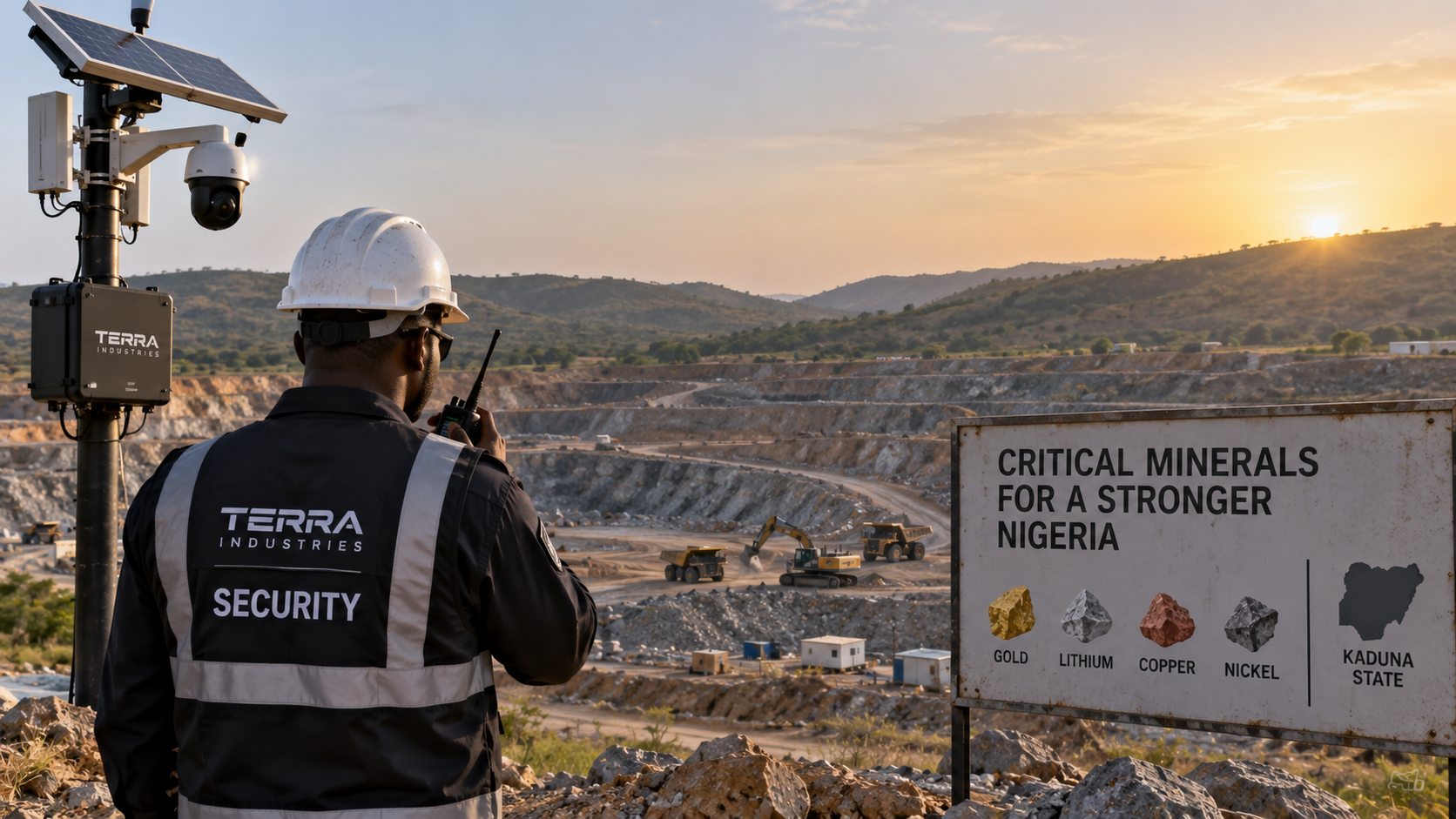
Nigerian tech firm wins $1m mining security contract
Nigeria mining security firm Terra Industries has secured a $1 million contract to protect a Kaduna project with gold and lithium deposits

Dangote launches $2.1bn refinery share sale in Nigeria
Dangote refinery IPO opens to investors in Nigeria, offering a 3% stake in the oil refinery through a share sale worth up to $2.1 billion

Chad suspends new mining exploration permits nationwide
Chad has suspended new mining permits for prospecting nationwide as the government reviews its mineral sector amid the growing importance of gold

South Africa pushes digital trade as BRICS seeks stronger business ties
BRICS Africa trade could gain from stronger digital links as South Africa pushes technology to connect businesses across the expanding economic bloc
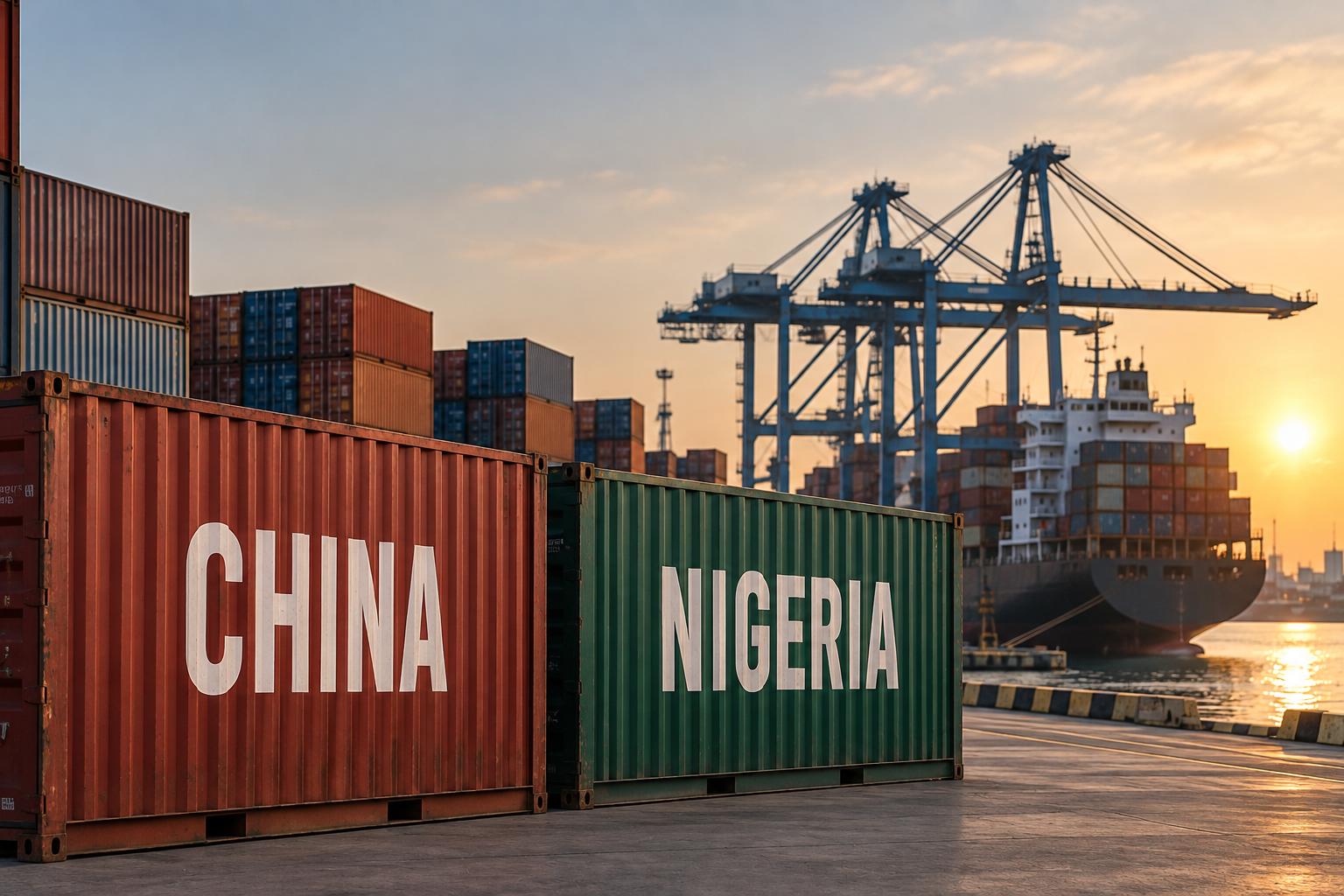
China supplies nearly 40% of Nigeria’s imports as trade gap widens
Nigeria China trade reached new levels as Chinese imports exceeded $8 billion and accounted for nearly 40% of Nigeria’s imports in early 2026

Chinese electric motorcycle imports to Africa jump 60%
Africa’s imports of Chinese electric motorcycles and three-wheelers jumped 60% in the first half of 2026. The value of imports reached $114.6 million, with Morocco, Egypt and Algeria leading the increase. The growth comes as electric motorcycles become more common across parts of Africa. However, different regions are developing very different EV markets. North Africa drives Chinese electric motorcycle imports Morocco recorded the highest number of imports during the first half of the year. The country imported 80,188 electric motorcycles worth $21.7 million. Egypt and Algeria followed. Meanwhile, South Africa led imports in sub-Saharan Africa. It brought in 19,635 electric bikes worth $6.9 million. Africanews, reporting with AP, said North Africa has become an important market for fully built Chinese electric scooters. Many of these vehicles are used by consumers for commuting and short journeys. Electric motorcycles grow across East Africa The market looks different in East and parts of Central Africa. There, companies are investing in local assembly plants and battery-swapping networks. Electric motorcycles are also widely aimed at commercial riders. Motorcycle taxis and delivery services are particularly important to the sector. Some riders travel long distances every day while carrying passengers or goods. As a result, waiting several hours for a battery to recharge can be difficult. Battery-swapping stations offer another option. Riders can replace an empty battery with a charged one and quickly return to work. Uganda and Kenya see growing demand Electric motorcycles are already gaining a share of new motorcycle sales in some markets. Tom Courtright, a non-resident fellow at the African Tech Futures Lab, told AP that electric motorcycles accounted for around 20% of motorcycle sales in Uganda last year. In Kenya, the figure was about 15%. He said wider adoption could also reduce demand for imported fuel. Courtright estimated that large-scale motorcycle electrification could eventually replace around $600 million in fuel imports in Uganda. In Kenya, the figure could reach between $600 million and $800 million. African companies build local EV networks Chinese manufacturers supply many of the electric motorcycles entering African markets. However, African companies are increasingly developing the systems needed to operate them. These include battery-swapping stations, financing, servicing and local assembly. Spiro, one of the continent’s largest electric motorcycle companies, has raised more than $348 million in investment over the past year. Still, much of the manufacturing process remains dependent on imported components. Motors, battery cells and controllers generally come from abroad. Local production tends to focus on simpler components such as frames, seats and footrests. Challenges remain for Africa’s electric motorcycle market The industry still faces several obstacles. Different companies often operate their own batteries, connectors and software. This can prevent riders from using batteries across different swapping networks. Affordable financing is another challenge. Reliable electricity, charging infrastructure and clear government policies will also influence how quickly the market develops. Greater standardisation could make it easier for companies to expand across different countries. Despite these challenges, the latest import figures show that electric motorcycles are becoming a larger part of Africa’s transport market.

Senegal’s $2.2bn IMF deal faces resistance in parliament
Senegal’s IMF deal is facing resistance in parliament as lawmakers debate the government’s new $2.2 billion programme and mounting debt pressures
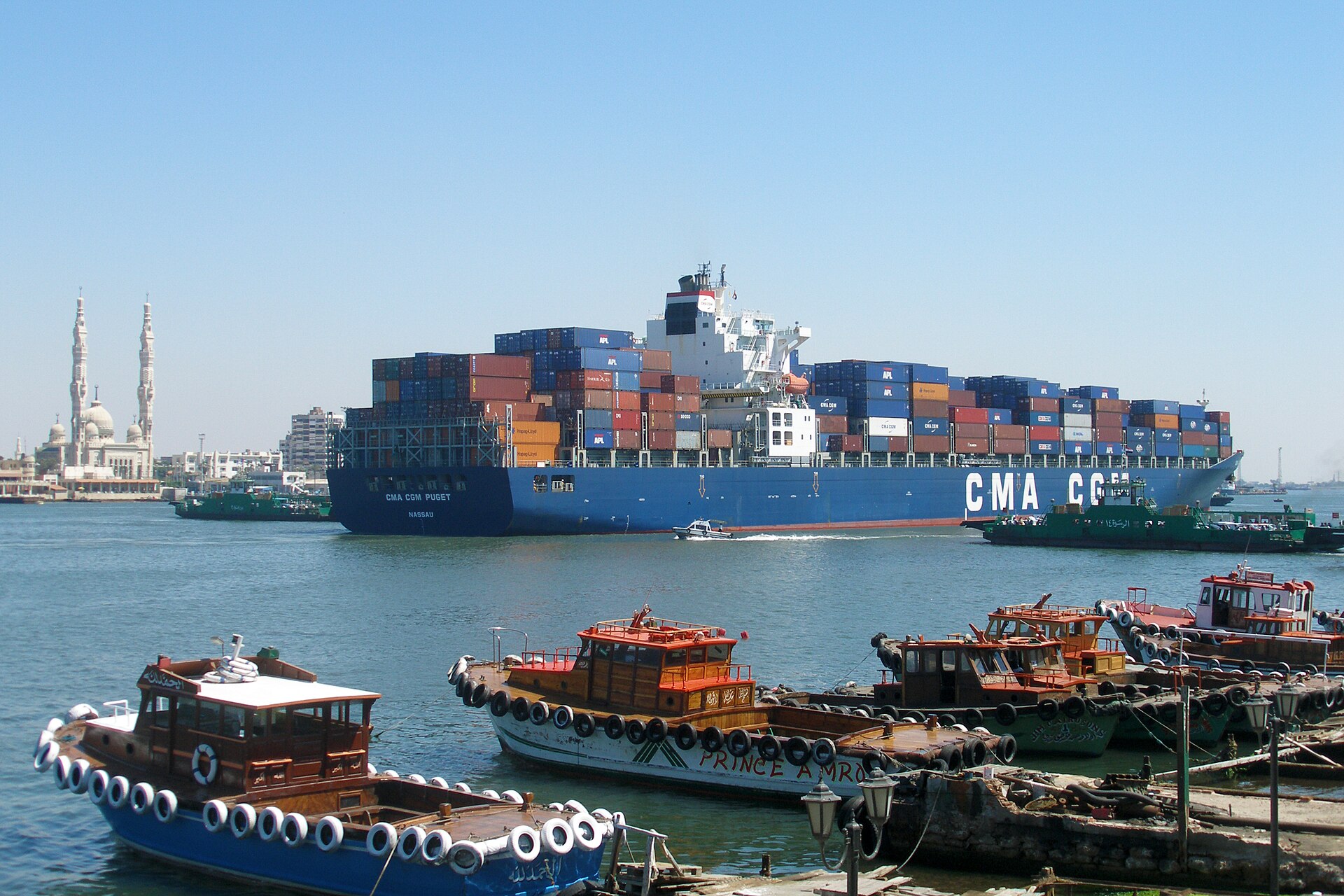
UAE eyes new investments in Egypt’s Suez Canal and fintech sectors
UAE investment in Egypt could expand as the two countries discuss new opportunities in Suez Canal logistics, port infrastructure and fintech

Egypt’s Air Cairo eyes up to 30 new Airbus jets
Air Cairo is reportedly considering an Airbus order for around 15 A320-family jets, with options that could increase the deal to 30 aircraft

South Africa-linked rare earth firm advances $916m Brazil project
Rainbow Rare Earths has advanced its $916 million Uberaba project in Brazil using rare earth expertise developed through its South African operations

Nigeria unlocks $25 million financing for local shipowners
Nigeria is moving ahead with a long-delayed fund that will allow qualified local shipowners to access up to $25 million each to buy vessels. The Nigeria shipowners fund aims to strengthen local shipping companies and reduce the industry’s dependence on foreign operators. The government also expects the programme to create thousands of jobs across Nigeria’s maritime sector. Nigeria shipowners fund offers up to $25m The money will come from the Cabotage Vessel Financing Fund (CVFF). Marine and Blue Economy Minister Adegboyega Oyetola said successful applicants could receive up to $25 million to acquire vessels. Applicants must first pass an assessment and approval process. The financing will also be available at low interest rates. Nigeria has expanded the number of participating banks from five to 12 to help speed up the process. Fund moves forward after 20-year delay Nigeria established the CVFF under the Coastal and Inland Shipping Act of 2003. The fund was designed to help Nigerian companies buy vessels and increase their role in domestic shipping. However, access to the money was delayed for about two decades. That is now changing. According to figures reported by Punch, the Nigerian Maritime Administration and Safety Agency (NIMASA) has received 92 applications. Twenty applications have been sent to banks for review. One has already been processed and sent for final approval. Nigeria wants local firms to compete Nigeria has one of Africa’s most important maritime industries. However, foreign operators have historically dominated many coastal and offshore contracts. The new financing could help Nigerian companies purchase modern vessels and compete for a larger share of that business. It could also increase activity in shipyards, marine engineering, vessel maintenance and logistics. More than 30,000 jobs expected The government estimates that the programme could support more than 30,000 direct and indirect jobs. Nigeria is also investing in its maritime workforce. Oyetola said 222 seafarers had received free training, while 333 cadets had graduated. Another 7,059 seafarers have been placed aboard vessels to gain practical experience. The government says its wider goal is to build a stronger Nigerian-owned shipping industry and keep more maritime wealth inside the country.

Ghana eyes Premier League shirt deal to boost tourism
Visit Ghana could appear on Sunderland shirts under a reported £10m tourism sponsorship deal aimed at reaching Premier League audiences worldwide
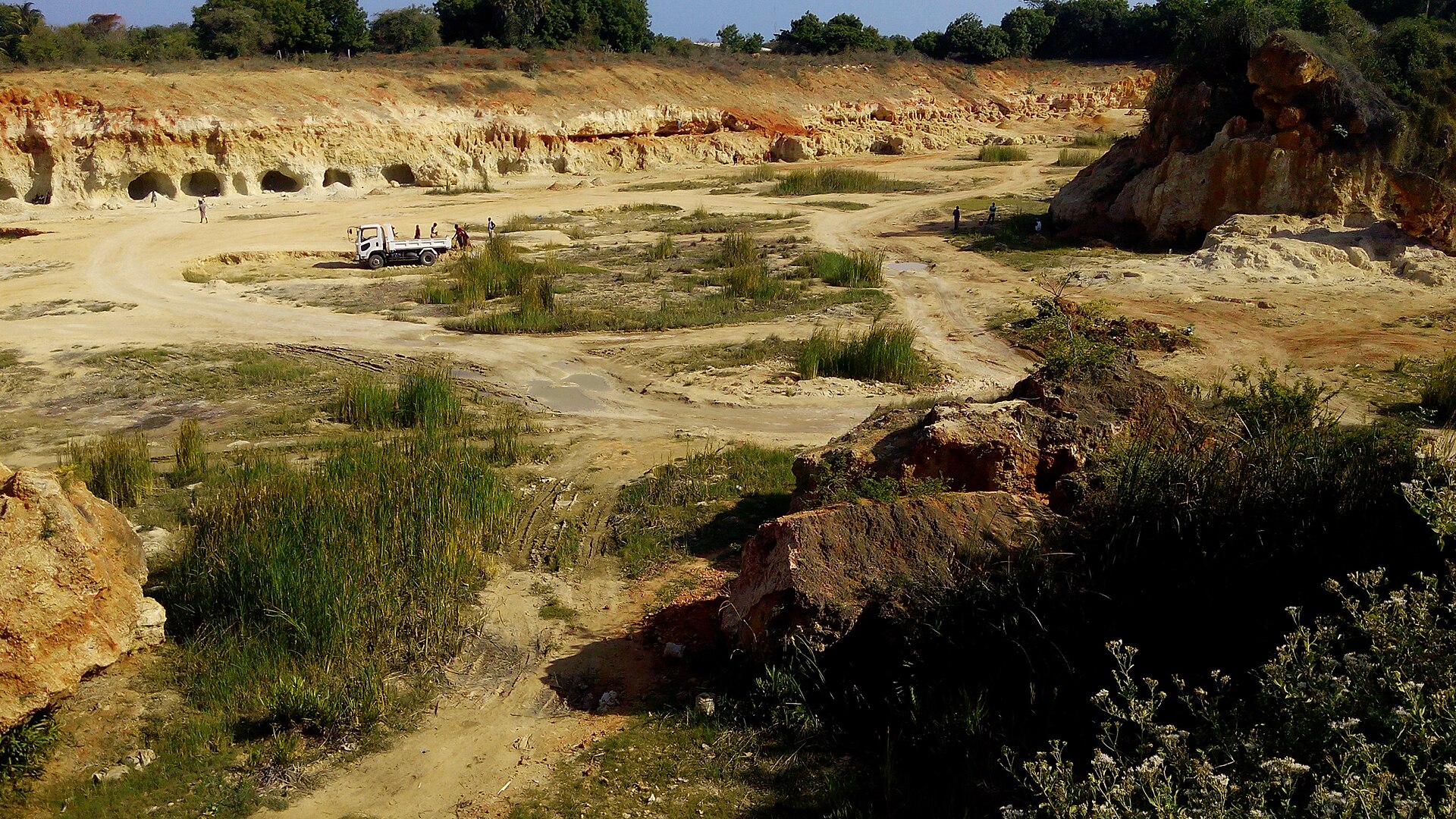
Kenya moves to end raw mineral exports in push for local processing
Kenya plans to end raw mineral exports as President William Ruto pushes for local processing, new factories and more jobs at home

Angolan group agrees $452m deal for major stake in BFA bank
The BFA Angola stake sale will see an Angolan company acquire Banco BPI’s 33.35% holding for at least $452 million, subject to approval

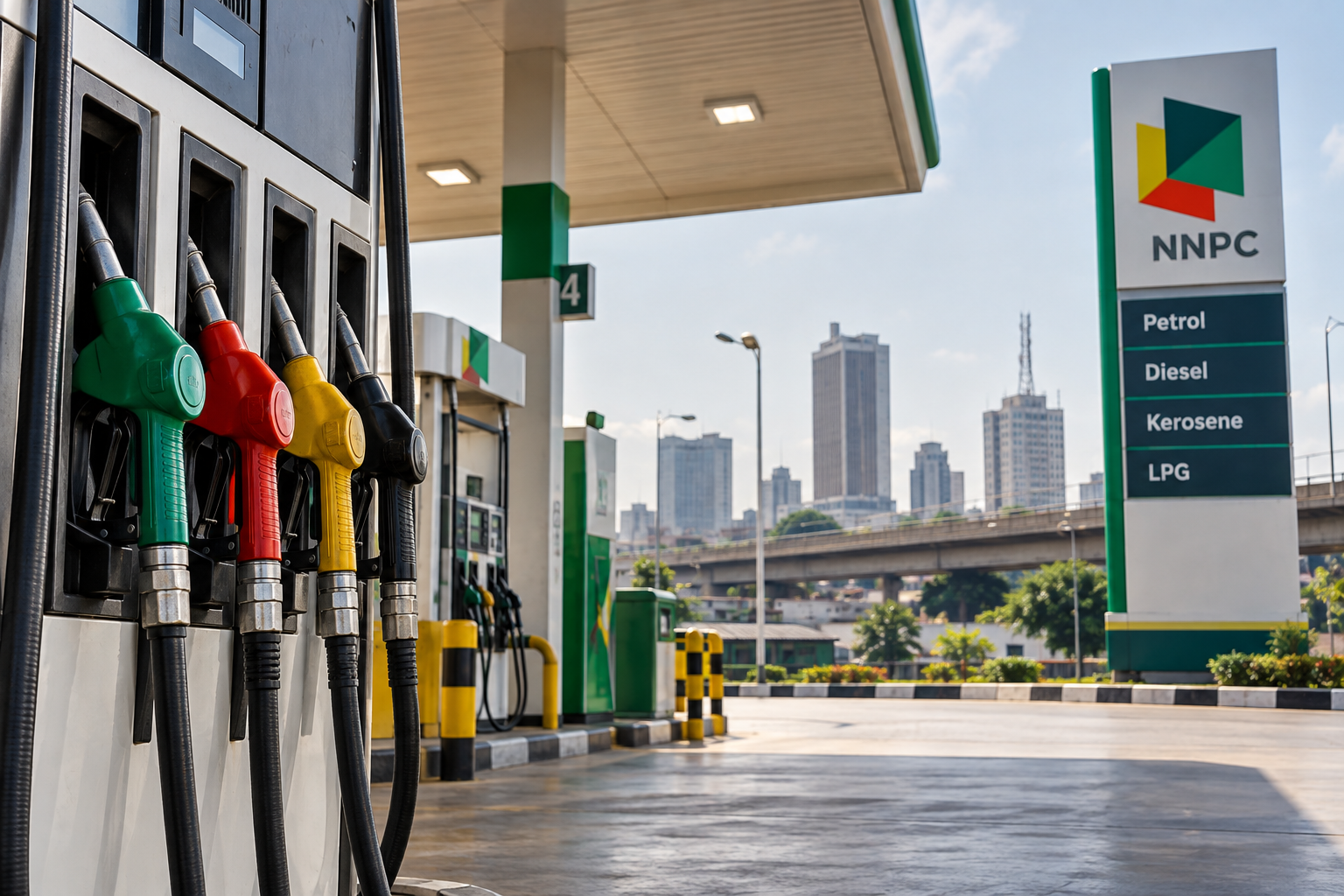
Iraq faces fuel shortage as Middle East war disrupts supplies
Iraq is facing a petrol shortage as the Middle East conflict disrupts tanker traffic and fuel supplies despite the country’s huge oil production

Burj Khalifa developer eyes major luxury hotel investment in Zimbabwe
Zimbabwe luxury hotel investment plans are advancing as Burj Khalifa developer Mohamed Alabbar explores a major hospitality project in the country

Saudi investors eye Burkina Faso’s booming gold sector
Saudi investors are eyeing Burkina Faso’s gold sector after the country exported around $10 billion worth of gold in 2025
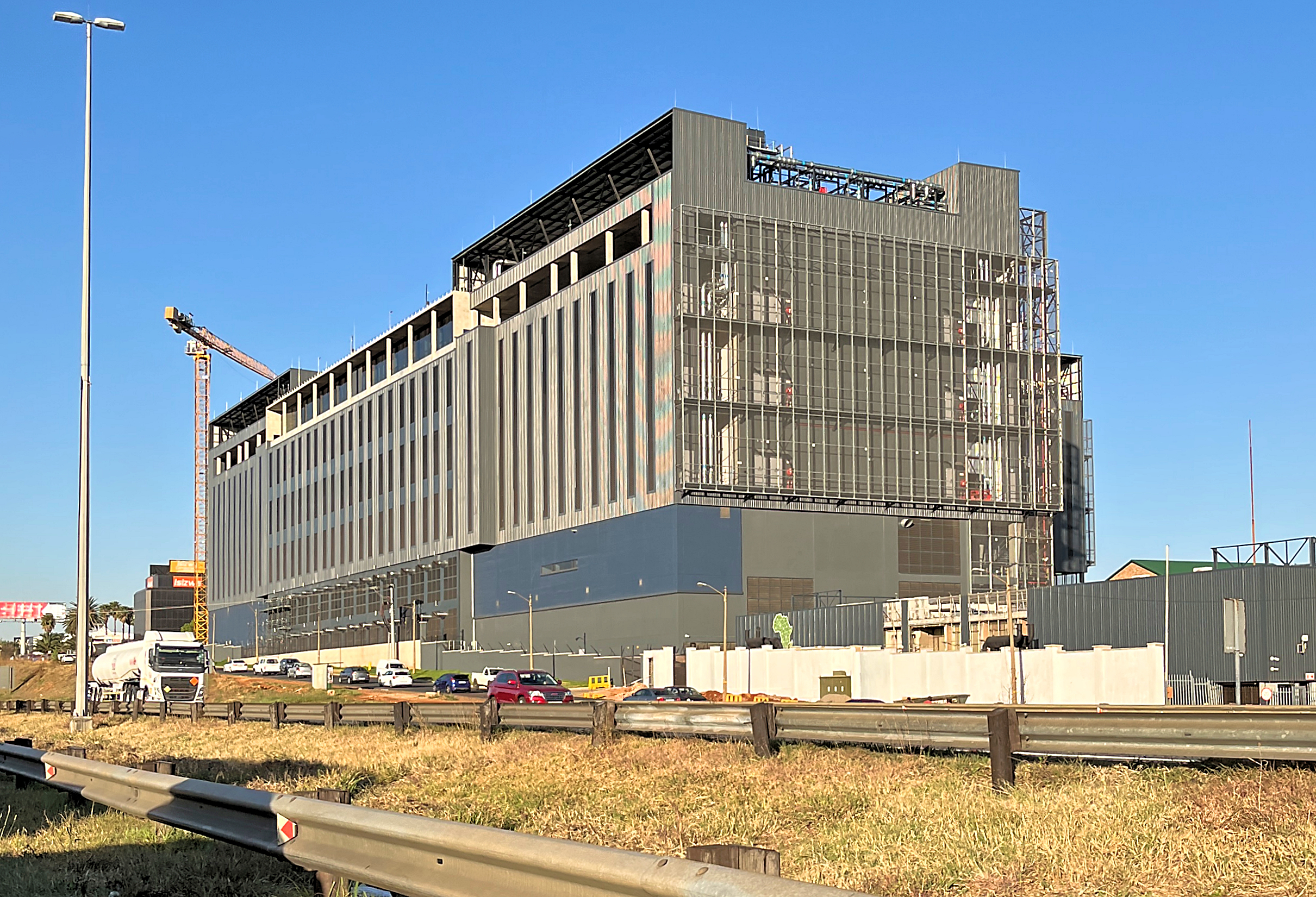
South Africa urged to halt new data centres
South Africa data centres face growing scrutiny as civil society groups raise concerns over their use of water, electricity and land

Uber exits Nigeria and Uganda as competition and costs rise
Uber exits Nigeria and Uganda as rising costs and growing competition reshape Africa’s ride-hailing market, leaving it active in four countries
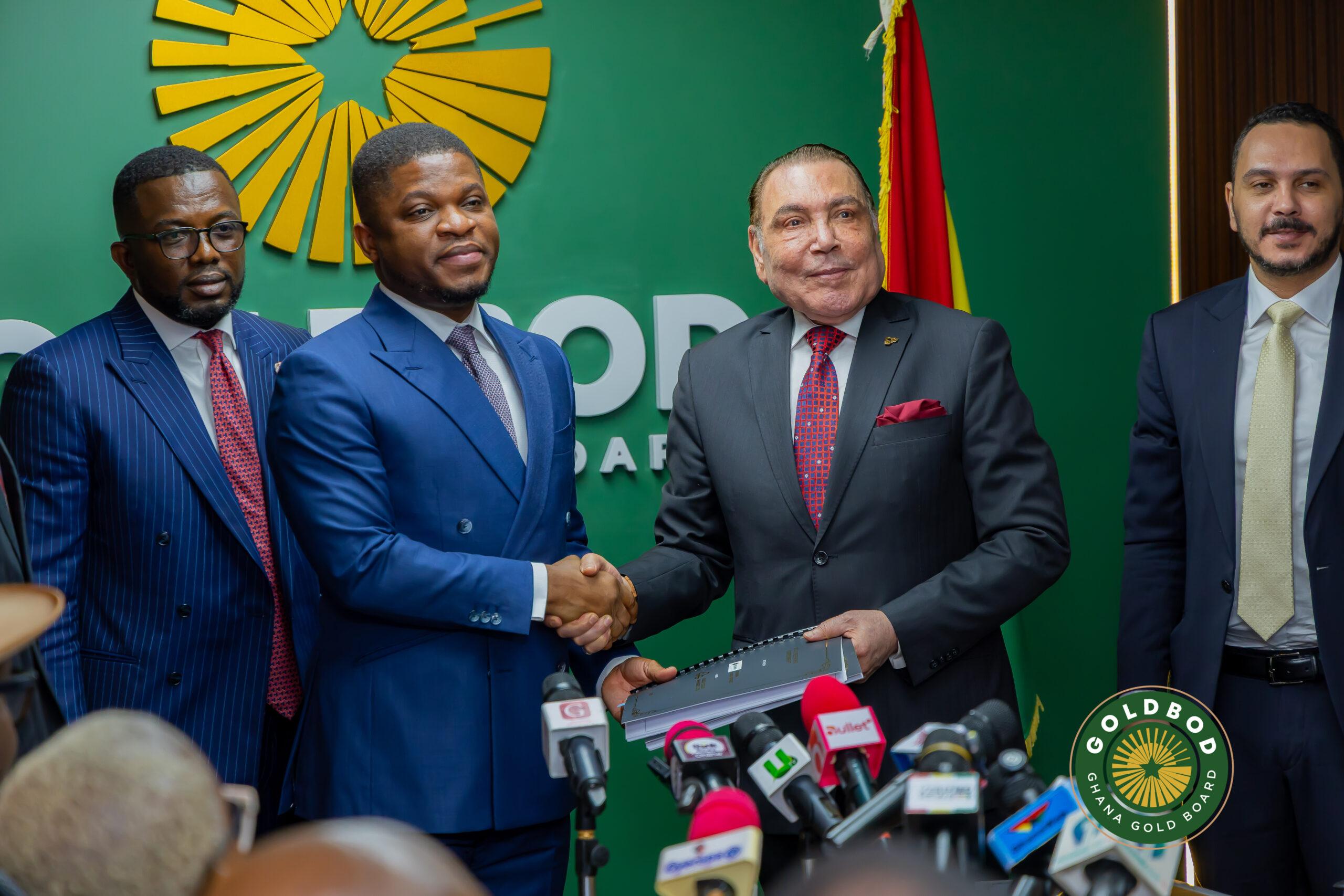
Ghana tightens gold export rules to boost local refining
Ghana gold export rules now require certain exporters to refine gold locally as the country seeks to keep more value from its booming industry
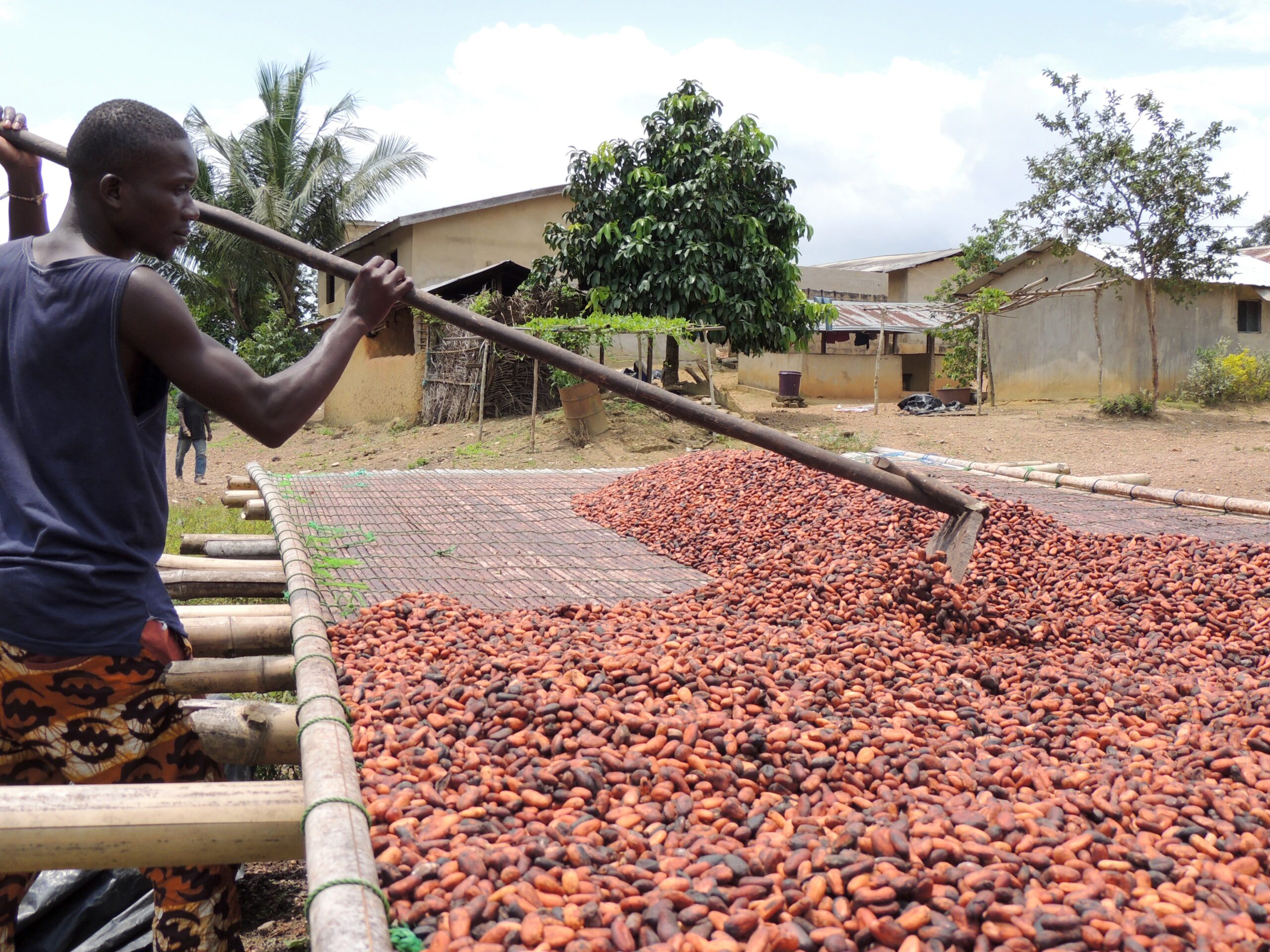
Ivory Coast keeps cocoa price unchanged, disappointing farmers
Ivory Coast cocoa price remains at 1,200 CFA francs per kilogram for the main harvest, disappointing farmers who hoped for an increase

Ethiopian Airlines nears Boeing cargo deal as $12.5bn mega-airport takes shape
Ethiopian Airlines nears a Boeing deal for up to 10 cargo jets as construction advances on Ethiopia’s $12.5 billion Bishoftu mega-airport

Apple in Africa: What Tim Cook leaves behind
Apple in Africa remains limited as Tim Cook leaves the CEO role and John Ternus takes control of the global technology giant.
Sasol withholds dividend as debt stays above $3 billion limit
The South African energy and chemicals group continues facing financial pressure after past project overruns and pandemic disruption.

Stronger currencies ease import costs across African economies
Foreign cash inflows and higher gold prices are helping Uganda and South Africa strengthen their currencies this month.
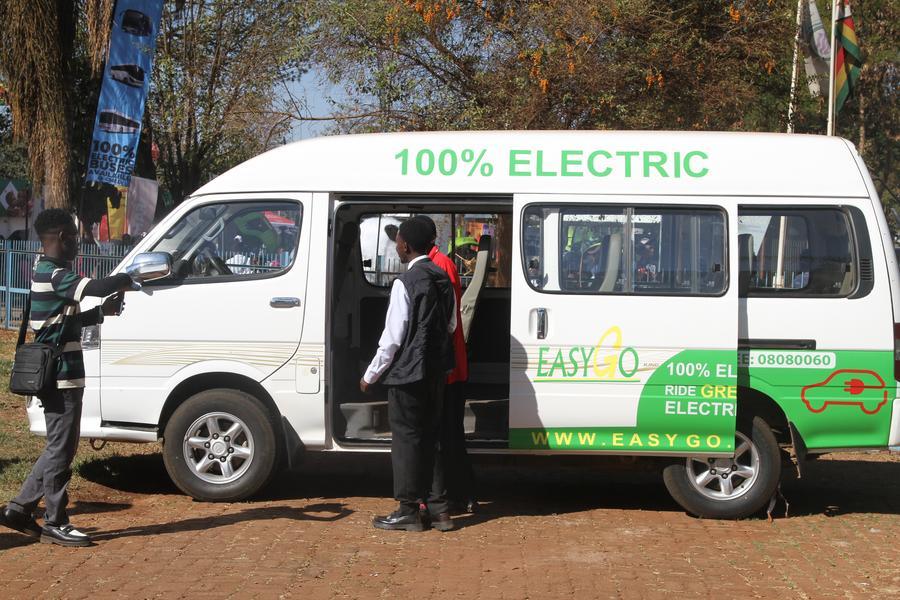
Chinese EV brands take center stage at Zimbabwe farm show
Zimbabwe cut electric vehicle import duties from 40 percent to 25 percent in 2025 to encourage adoption.
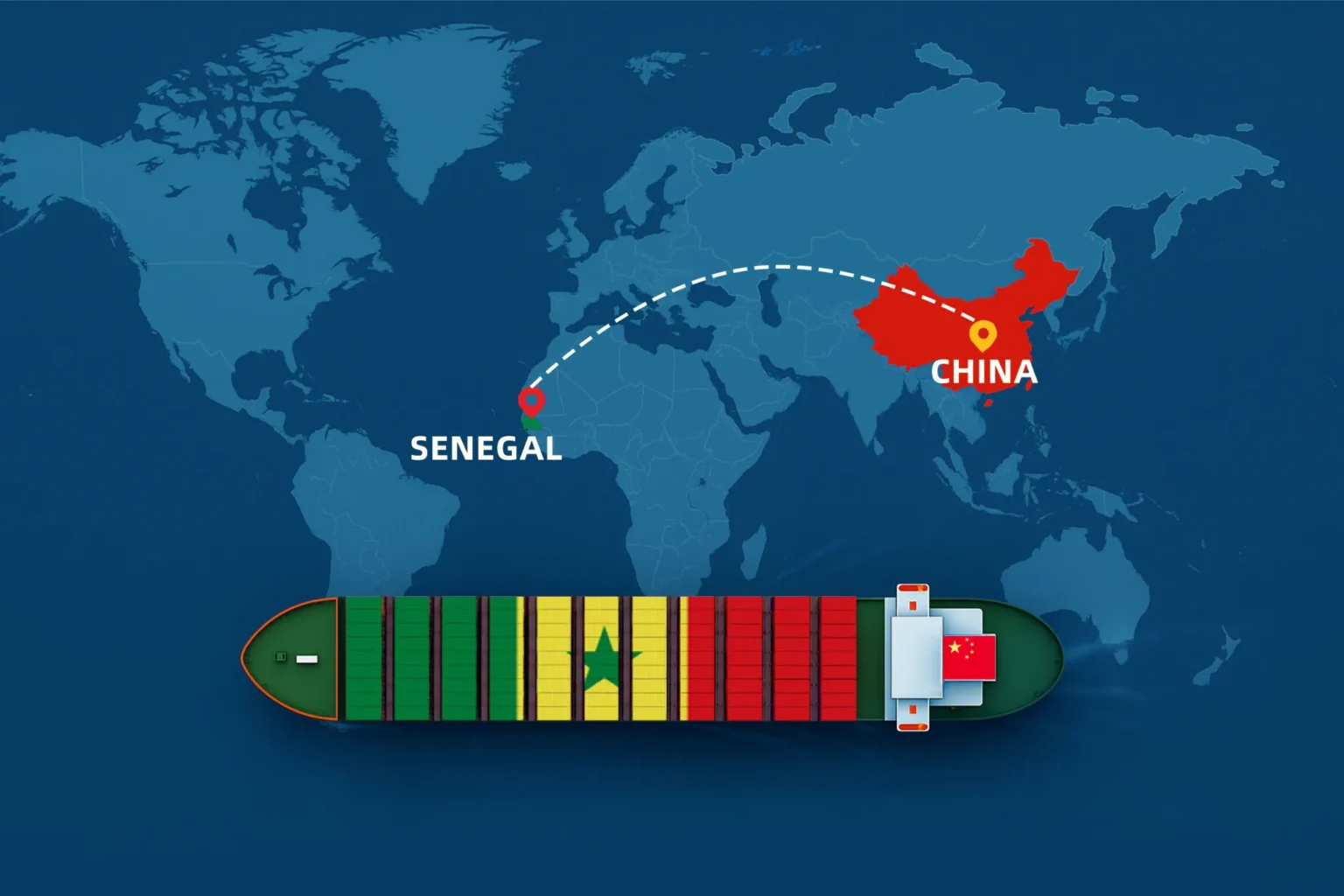
Senegal seeks more processed goods exports to China
Senegal aims to export more processed goods to China as groundnut trade grows and local producers seek greater value.