Kenya

WHO allocates 900,000 Mpox vaccines to Africa

Several African countries, including the Central African Republic, Côte d’Ivoire, Democratic Republic of the Congo, Kenya, Liberia, Nigeria, Rwanda, South Africa, and Uganda, are set to benefit from a new mpox vaccine allocation. The Democratic Republic of the Congo (DRC), which has reported 80% of Africa’s confirmed mpox cases this year, will receive 85% of nearly 900,000 doses allocated. The vaccine distribution is part of the World Health Organization’s Access and Allocation Mechanism (AAM), aimed at expanding access to mpox vaccines, treatments, and diagnostic tools. Limited vaccinations have already been carried out in DRC and Rwanda. The outbreak, which has spread across 19 African countries this year, was declared a public health emergency by the WHO and Africa CDC in mid-August. With over 38,000 suspected cases and more than 1,000 deaths, DRC remains the epicenter of the outbreak. Wealthier countries have pledged over 3.6 million vaccine doses to aid the response.

WHO allocates 900,000 Mpox vaccines to Africa Read More »

Democrats abroad in Kenya fear Trump victory

Members of Democrats Abroad in Kenya had gathered in Nairobi’s Westlands area, hopeful for a Democratic victory in the U.S. elections. However, as results began to roll in, disappointment set in as it became clear that Donald Trump had emerged victorious. For many, the outcome sparked fear and anxiety about the future. Project Manager Alexia Yun expressed her concerns: “I’m a little disappointed, not as surprised as I was in 2016, but now I’m scared about what’s going to happen in the next four years and beyond.” One of the key issues during this year’s election was abortion rights. In 2022, the U.S. Supreme Court overturned Roe v. Wade, cutting off abortion access for millions of women. Many Democrats abroad fear that under another Trump administration, women’s rights could face even greater restrictions. Robin Emerson, Chairperson of Democrats Abroad Kenya, voiced her concerns, saying, “I am very worried about what this possible new administration would do or say about a woman’s body and her reproductive rights.” Democrats Abroad, a global organization with 52 country committees, works to ensure that Americans living overseas can participate in U.S. elections and advocate for their political values.

Democrats abroad in Kenya fear Trump victory Read More »

Murderers of Ugandan Olympian Kiplagat receive 35-year sentences

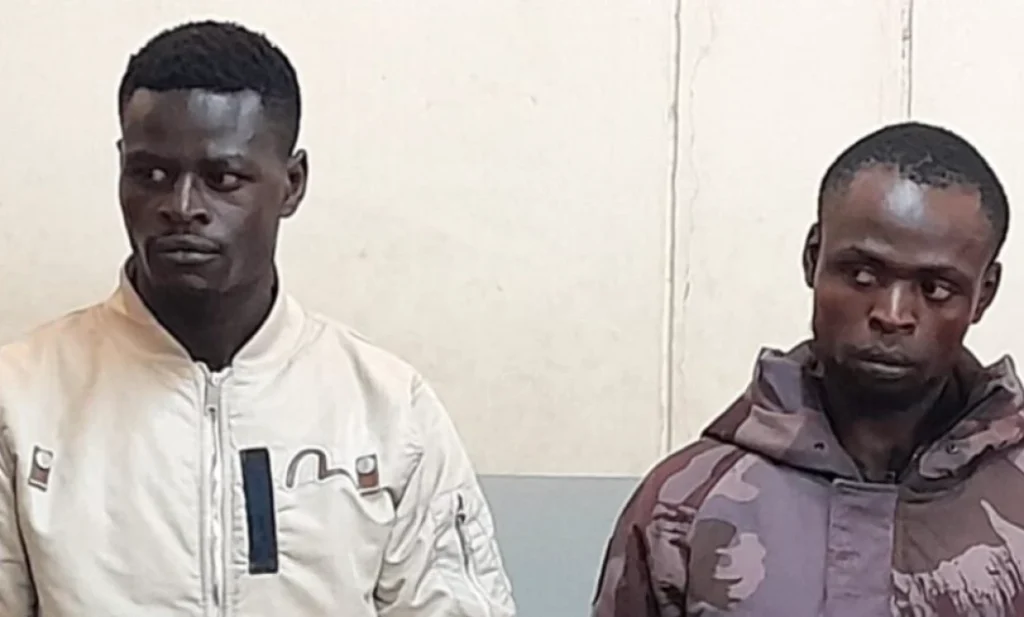
A Kenyan court has sentenced two men to 35 years each for the murder of Ugandan athlete Benjamin Kiplagat, who was tragically killed on New Year’s Eve in Eldoret, a renowned training hub for athletes. Kiplagat, a notable Olympic steeplechaser who competed in the 2016 Rio Games as well as in London and Beijing, was fatally stabbed in an incident that shocked the Kenyan sports community. During the sentencing hearing, Justice Reuben Nyakundi condemned the actions of Peter Ushuru Khalumi and David Ekai Lokere, stating, “Your actions were cruel to a defenseless person whose life you cut short.” Evidence presented during the trial, including CCTV footage, revealed that the two men had followed Kiplagat as he drove and had deliberately attacked him in a premeditated act. On Monday, Kiplagat’s mother emotionally urged the court to impose life sentences, recounting her son’s journey from running barefoot to becoming an international athlete and the family’s primary provider. She emphasized that the assailants left behind Kiplagat’s cash and valuable phone, indicating their intent to kill him rather than rob him. Although the court did not grant the request for life sentences, the family expressed their satisfaction with the verdict, feeling that justice had been served. Kiplagat, who was 34 at the time of his death, was a prominent figure in athletics, having reached the final of the 3,000m steeplechase at the 2008 Beijing Olympics and holding the Ugandan record in the event.

Murderers of Ugandan Olympian Kiplagat receive 35-year sentences Read More »

WHO Allocates Nearly 1 Million Mpox Vaccine Doses to Africa

The World Health Organization announced on Friday that nearly one million doses of mpox vaccines have been allocated to nine African countries. This follows the creation of an Access and Allocation Mechanism (AAM) last month to ensure equitable access to the vaccines. WHO Director-General Dr. Tedros Adhanom Ghebreyesus noted that over 50,000 individuals have already been vaccinated in the Democratic Republic of the Congo and Rwanda, thanks to donations from the U.S. and the European Commission. The Africa Centres for Disease Control and Prevention reported a 500 percent increase in mpox cases compared to last year, now affecting 19 countries. The WHO declared mpox a global health emergency in mid-August after a new strain began spreading from the Democratic Republic of the Congo. Dr. Ghebreyesus stated that the allocation of approximately 900,000 doses was based on public health needs, especially in areas with significant transmission. He emphasized that this is the first allocation of nearly six million doses expected to be available by the end of 2024. While vaccination is a critical component, he highlighted the importance of other strategies, including case finding, contact tracing, infection prevention, clinical care, risk communication, and testing, as part of a comprehensive response plan.

WHO Allocates Nearly 1 Million Mpox Vaccine Doses to Africa Read More »

Kenyan court approves new deputy president

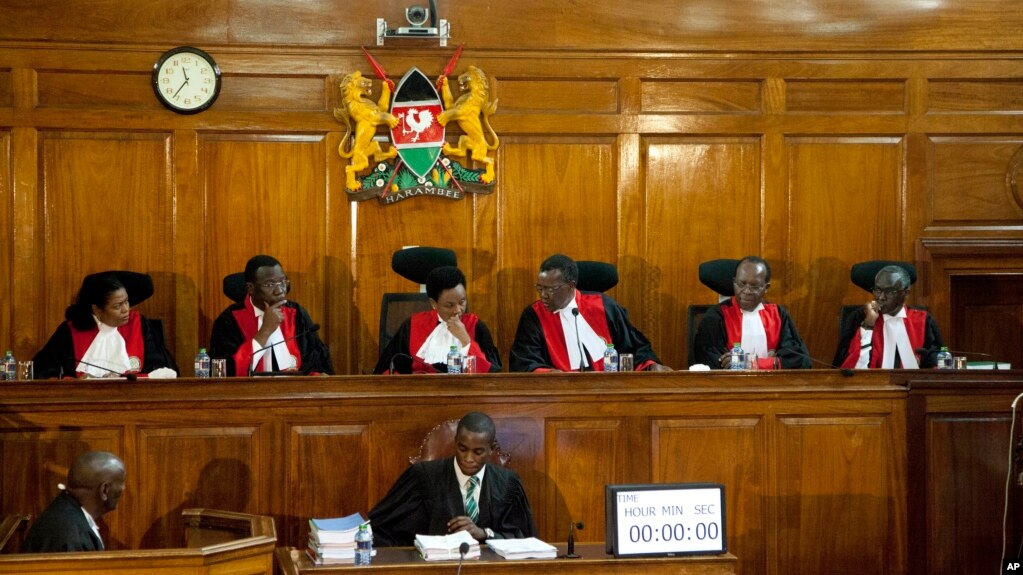
A Kenyan high court on Thursday, October 31, approved the swearing-in of Kithure Kindiki as the new deputy president, despite an ongoing legal challenge to the impeachment of former deputy president Rigathi Gachagua. The three-judge panel in Nairobi overturned a prior court order that had temporarily suspended Kindiki’s inauguration, stating that the suspension risked creating a political vacuum. Gachagua was impeached on October 17 by over two-thirds of legislators on charges of corruption, inciting ethnic tensions, and supporting anti-government protests. President William Ruto nominated Kindiki, currently the interior minister, the following day. The impeachment revealed divisions within Ruto’s United Democratic Alliance (UDA) party, particularly between Ruto and Gachagua. The former deputy president faced accusations of insubordination after opposing government policies regarding forced evictions during floods. Gachagua is contesting his impeachment in the High Court, claiming the charges lack evidence and the proceedings were unfair. He experienced chest pains and was hospitalized during the Senate hearings on October 17, prompting his lawyers to request a delay, which was denied. Following the Senate’s vote on the impeachment, Gachagua’s supporters condemned the process as rushed and biased, suggesting it had Ruto’s backing. Ruto, who initially campaigned as a champion for Kenya’s poorest citizens, has faced backlash over tax increases aimed at servicing foreign debt. This public discontent has led him to reorganize his Cabinet and reconsider certain policies.

Kenyan court approves new deputy president Read More »

Climate change fuels health crisis, warns new report

A new report from global health experts warns that climate change is pushing temperatures to dangerous levels, leading to increased deaths and the spread of infectious diseases. The Lancet Countdown report, released ahead of the COP29 climate summit, highlights that every country faces unprecedented health threats due to climate change. The experts urge governments to redirect the trillions spent on fossil fuels towards protecting health and livelihoods. “Resources should not perpetuate fossil fuel use but rather promote access to clean, renewable energy,” said Dr. Marina Romanello, the report’s executive director. The study, conducted by 122 experts, reveals record levels of heat-related deaths, food insecurity, and infectious diseases driven by climate change. In 2023, people faced an average of 50 additional days of extreme temperatures. Nearly half of the global land area is experiencing extreme droughts, exacerbating food insecurity for 151 million people in 124 countries. Romanello emphasized that climate change is a critical health issue affecting all demographics, particularly vulnerable populations. “The health implications are enormous,” she stated, referencing the acute hunger crisis in regions like Somalia due to drought.

Climate change fuels health crisis, warns new report Read More »

Scroll to Top