Kenya

Ruto Acknowledges Security Forces’ Abuse of Power

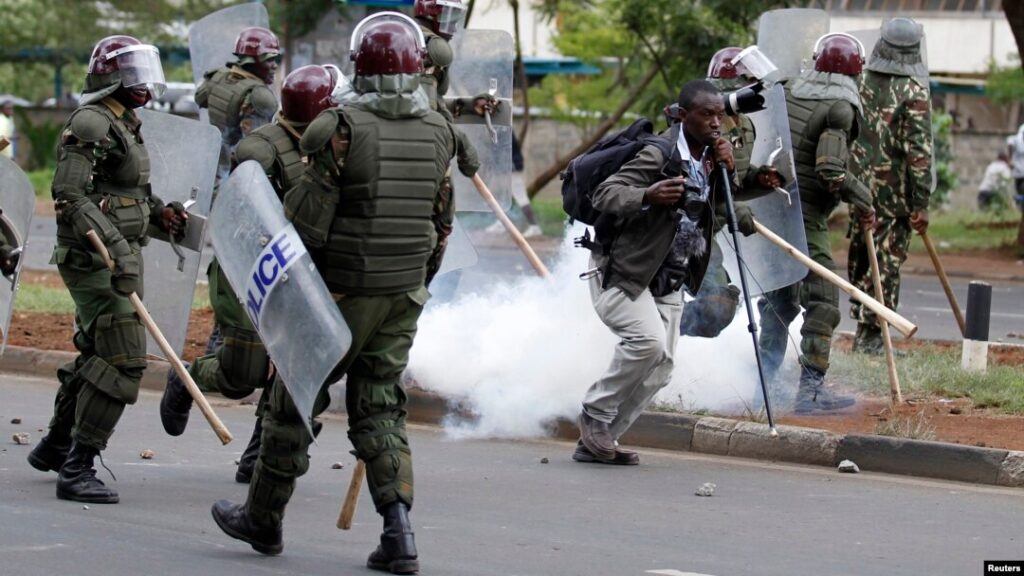
President William Ruto has publicly acknowledged the abuse of power by Kenya’s security forces for the first time, amid a wave of controversial kidnappings that have sparked widespread protests across the country. In his New Year’s address on Tuesday, Ruto admitted that there had been “instances of excessive and extrajudicial actions” by security personnel, though he did not provide specific details. His remarks come in the wake of youth-led demonstrations calling attention to the alleged abductions by security forces, particularly following the violent suppression of protests in June and July. These protests, which focused on growing concerns over disappearances, were met with heavy-handed responses, including the use of tear gas and mass detentions. “That said, it is crucial to remember that every freedom has its limits, and public safety and order must always supersede the desire for unchecked liberty,” Ruto stated. Human rights activists have raised alarms over the government’s failure to adequately investigate the disappearances. A recent court ruling ordered the immediate release of five men allegedly abducted by security forces, or that the police provide an explanation under oath. However, no one was brought to court on Tuesday, and a representative of the police inspector general attended the proceedings instead. Families of the missing individuals are growing increasingly desperate. Many of the recent disappearances involve young people critical of Ruto’s government, including two individuals who shared a controversial AI-generated image of the president in a coffin. In his address, Ruto linked these incidents to the rise in digital manipulation and harmful social media activity. “These are clear signals that our moral fabric is at risk of decay,” Ruto remarked. Human Rights Watch has identified a special security unit composed of multiple agencies allegedly involved in these actions, with the Kenya National Commission on Human Rights reporting seven abductions this month, six of which remain unresolved. Since June, 29 people out of 82 reported disappearances are still unaccounted for, intensifying calls for greater accountability from both the government and security forces.

Ruto Acknowledges Security Forces’ Abuse of Power Read More »
Malaria likely cause of mystery illness in Southwest Congo

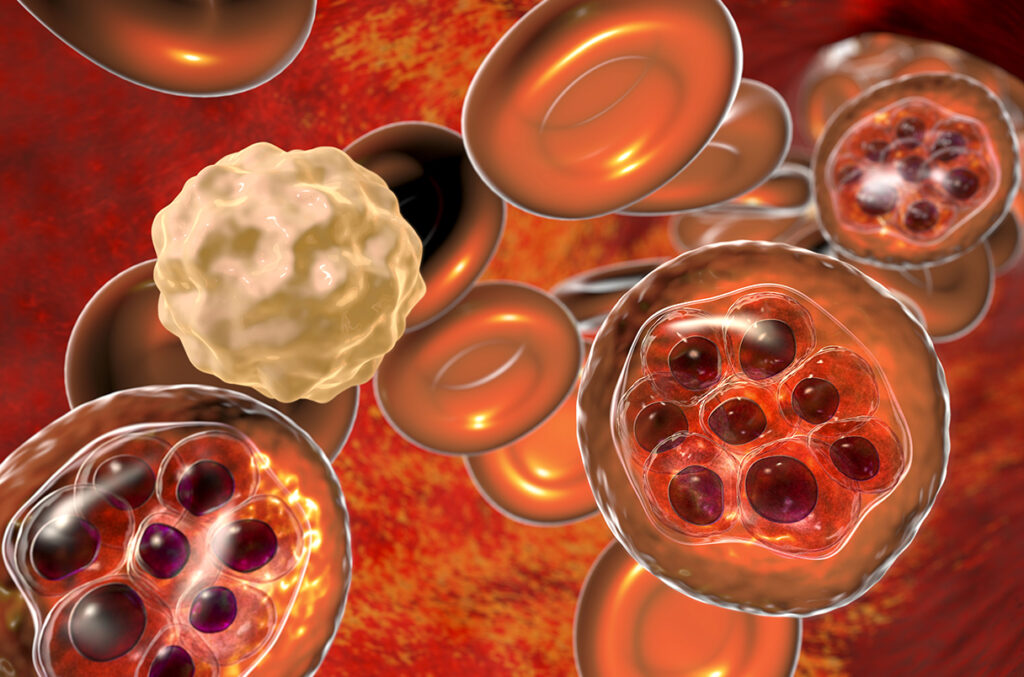
A mysterious flu-like illness that has claimed dozens of lives in southwest Congo in recent weeks may be malaria, according to initial laboratory tests of infected individuals, authorities reported Wednesday. Dr. Jean-Jacques Muyembe, Director-General of the National Institute for Biomedical Research in Kinshasa, said, “Of the 12 samples taken, nine tested positive for malaria, but the quality of the samples was not ideal. We are continuing our research to determine whether this constitutes an epidemic.” He added, “It is likely malaria, as most of the victims are children.” On Tuesday, WHO Director-General Tedros Adhanom Ghebreyesus also confirmed that most of the samples tested positive for malaria, but cautioned that other diseases could be involved. He noted that additional samples would be collected for further analysis. In recent weeks, there have been 416 reported cases and 31 deaths in hospitals, according to the WHO. Congo’s Health Minister, Roger Kamba, added that another 44 deaths were recorded in the community. The majority of cases and deaths have occurred in children under 14 in the remote Panzi health zone in Congo’s western Kwango province, the WHO reported. Ezekiel Kasongo, a Panzi resident, shared that his 9-year-old son was recently released from the hospital after falling ill two weeks ago. “He had a high fever, headache, and was very weak,” Kasongo said. “We were very worried because of the number of deaths, especially among children, but thank God, he is out.” Symptoms of the illness include fever, headache, cough, and anemia. Experts from the National Rapid Response Team and the WHO visited Panzi last week to collect samples and investigate. The Panzi health zone is difficult to reach, with experts taking two days to arrive. It is located about 435 miles (700 kilometers) from the capital, Kinshasa. Due to limited local testing capacity, samples had to be sent to Kikwit, more than 500 kilometers away, said Dieudonne Mwamba, head of the National Institute for Public Health. Mwamba also noted that Panzi had experienced a typhoid fever outbreak two years ago, and that there is currently a resurgence of seasonal flu across the country. High levels of malnutrition and low vaccination rates in the area make children particularly vulnerable to diseases like malaria, Tedros added.

Malaria likely cause of mystery illness in Southwest Congo Read More »

Red Sea film festival kicks off in Jeddah with 120 films

The fourth edition of the Red Sea International Film Festival is underway in Jeddah, Saudi Arabia, showcasing over 120 films from 81 countries. This year’s program includes 16 films in the Features Competition. One of the highlights is My Driver and I, a Sudanese drama about the bond between a taxi driver and a young Saudi woman. The film’s lead actor, Mustafa Shehata, describes it as a deeply emotional story of an immigrant driver who treats his young passenger like a daughter, while also longing for his own daughter back in Sudan. Saudi Arabia is aiming to expand its cultural influence, and since the festival’s launch in 2021, it has drawn global talent. This year, Academy Award winners Viola Davis and Spike Lee, as well as Bollywood stars Aamir Khan and Ranbir Kapoor, are attending, enhancing the festival’s growing international profile. However, some critics argue that such events are intended to distract from ongoing concerns over the country’s human rights record. The festival runs through December 14.

Red Sea film festival kicks off in Jeddah with 120 films Read More »

Scroll to Top