Kenya

1 year of Gaza genocide: Will Kenya change tack on supporting Israel?

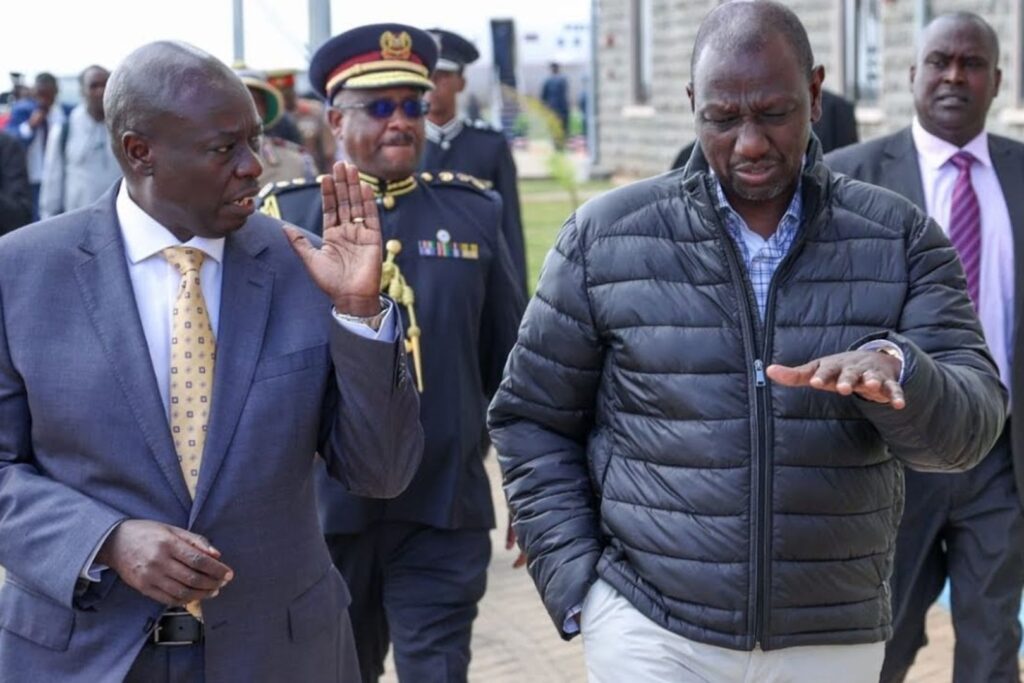
While Israel’s main benefactors during its ongoing war on Gaza have been major Western nations, it has also found support in parts of the African continent, including the East African nation of Kenya. The Kenyan government has consistently backed Israel with words and diplomatic actions, including votes at the UN, despite a clear divide in public opinion within the country. This support is rooted in diplomatic relations dating back to the 1960s, but the two countries have deepened ties in various sectors over the years, including security, technology and agriculture, while Israel is also viewed as a strategic counterterrorism ally in East Africa. Kenya’s relationship with Israel has existed “long before it became official,” going back to the days when apartheid still plagued South Africa and many African nations were vocally opposed to Israel, according to Herman Manyora, a political analyst and University of Nairobi lecturer. “Kenya has a very interesting relationship with Israel. Long before this relationship became official, when Israel was not recognized by most of Africa, Kenya had silent relations with Israel and apartheid South Africa,” he told Anadolu. However, while Kenya “came out strongly in support of Israel” after the Hamas-led Oct. 7 attack, the government was forced to “quickly retract, seeing as it wasn’t sitting well with many African countries,” he said. On multiple occasions, the Foreign Ministry issued statements condemning rocket attacks on Israeli cities, framing Israel’s military response as legitimate self-defense, while President William Ruto has reaffirmed that Kenya views Israel as a “great friend.” ​​​​​​​- Divisions within  Kenya’s close relationship with Israel has, at times, drawn muted criticism within Africa, particularly when it comes to Nairobi’s diplomatic support to Tel Aviv. On several resolutions brought before the UN General Assembly and Human Rights Council condemning Israel’s actions in Gaza, Kenya either abstained or voted against the motions, aligning with Western powers. Standing with Israel, which is accused of genocide at the International Court of Justice (ICJ), has made Kenya an outlier in Africa. Esther Mwai, a political analyst based in Nairobi, said Kenya “has suffered negatively across Africa” because of its support to Israel.  “Many African countries have traditionally supported Palestine, and Kenya’s position placed it at odds with the broader African consensus,” she said. Public opinion within Kenya is also divided as many feel a strong sense of solidarity with the Palestinian cause, seeing parallels between their struggle and Africa’s own historical battles against colonialism and oppression. “I’m disappointed that our government continues to support Israel despite the atrocities being committed in Gaza,” said Movicks Ogalo, 29, a laboratory technician in Nairobi. “The images we see every day of children and families suffering are heartbreaking. It feels like we’ve abandoned our principles of fighting for justice and human rights.” Ogalo’s sentiments are shared by many in Kenya’s civil society and activist groups, but not all Kenyans are critical of the government’s position. Some view Israel as an important ally in Kenya’s fight against terrorism, particularly in dealing with groups like al-Shabaab, which operates across the region. “I fully support our government’s stance with Israel,” said Vincent James Kamau, a businessman in Nairobi. “Israel has helped Kenya with intelligence-sharing and counterterrorism efforts.” Kamau’s views echo those of Kenya’s political establishment, which sees Israel as a key partner in ensuring regional stability and security cooperation between the two nations, especially in intelligence and military training, as critical in combating terrorism threats.  – A diplomatic pivot? Despite the government’s initial support for Israel, recent events suggest that Kenya may be reassessing its position. During a UN General Assembly session last month, Kenyan Ambassador Ekitela Lokaale condemned the humanitarian atrocities in the Middle East, particularly in Gaza. This marked a significant departure from Kenya’s position, suggesting that the government may be moving toward a more balanced approach. While the Kenya Foreign Ministry did not respond to multiple Anadolu queries on the subject, analysts see a potential shift as a response to growing international and domestic pressure over the humanitarian catastrophe in Gaza, where Israel has killed or wounded more than 140,000 Palestinians, most of them women and children. The relentless Israeli assault has devastated almost the entire Gaza Strip, displacing hundreds of thousands of Palestinians, while it has also imposed a crippling blockade on food, water, medicine and all essentials. “Kenya has always been an ally and friend of Israel, even when many African countries are against it,” said Manyora. However, he emphasized that recent actions such as the government backtracking on its post-Oct. 7 support to Israel reflect “a need to align with broader African sentiment.”

1 year of Gaza genocide: Will Kenya change tack on supporting Israel? Read More »

African Leaders warn of funding crisis in Malaria fight

African Leaders Warn of Funding Crisis in Malaria Fight Amid Global Challenges African leaders have highlighted significant funding gaps in the fight against malaria, exacerbated by the ongoing global financial crisis and climate change impacts. Meeting this week in New York alongside the United Nations General Assembly, they emphasized the urgent need for coordinated efforts to prevent a funding crisis that could reverse decades of progress. The African Leaders Malaria Alliance (ALMA), which hosted the meeting, warned that continued reductions in malaria funding could lead to an additional 112 million cases and approximately 280,000 deaths by 2029. Currently, Africa accounts for about 236 million malaria cases—95% of the global total—and 97% of deaths, with Nigeria bearing nearly a third of this burden. Guinea-Bissau President Umaro Sissoco Embalo, chair of ALMA, stated, “We must act urgently to protect lifesaving malaria interventions. Our target is to eliminate malaria in Africa.” Experts estimate that the continent needs up to $6.3 billion annually to eradicate the disease, urging sustained global support for malaria financing. ALMA also pointed to climate change and increasing resistance to insecticides and antimalarials as major hurdles in combating malaria. Ngashi Ngongo, head of the Executive Office at the African Union, noted that eliminating malaria alongside addressing other endemic diseases like HIV and tuberculosis is vital for reducing Africa’s overall disease burden and achieving universal health coverage. Following the World Health Organization’s approval last year, malaria vaccines are now being integrated into routine immunization schedules for children across Africa. Additionally, on Thursday, Nigerian health authorities signed an agreement with U.S.-based drone company Zipline to utilize AI-powered drones for distributing medical supplies, including blood and vaccines. Abdu Muktar, Nigeria’s national coordinator for the Unlocking Healthcare Value-Chain Initiative, praised the initiative’s ambition to produce healthcare products locally, emphasizing the importance of effective delivery systems. “What Zipline is doing is using technology to ensure delivery, reduce waste, and enhance accountability,” he said. In 2022, governments of malaria-endemic countries contributed approximately $1.5 billion to combat the disease.

African Leaders warn of funding crisis in Malaria fight Read More »

African countries, partners pledge $800M for Africa’s mpox response

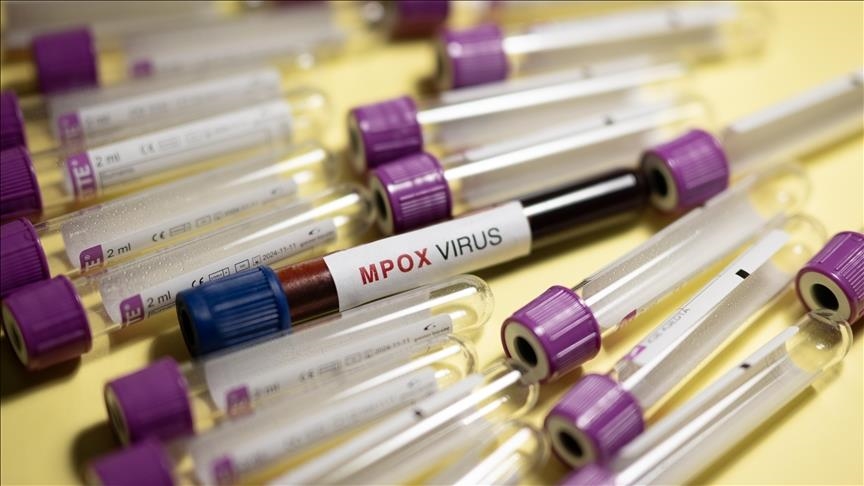
African countries and partners have pledged more than $800 million towards the continent’s mpox response amid surging infection, the director-general of the Africa Centres for Disease Control and Prevention (Africa CDC) announced Thursday. Jean Kaseya said $314 million was pledged to a new mpox fund created at a meeting of African heads of state earlier this week, of which $129 million is from the pandemic fund to support 10 countries impacted by mpox, while about $145 million from the Coalition for Epidemic Preparedness Innovations (CEPI). “Today we have around $814 million,” he said. Money from the pandemic fund will support 10 countries impacted by mpox: the Democratic Republic of Congo, Burundi, Rwanda, Uganda, Kenya, Sudan, Djibouti, Ethiopia, Somalia, and South Sudan. “Our team is working with the pandemic fund team on the way to allocate these resources in the 10 countries approved for support,” Kaseya said at a virtual news conference. The funding, created at a meeting of African heads of state earlier this week, is expected to bolster country and regional capacity in critical areas, including disease surveillance, diagnostics, laboratory networks and health workforce while addressing the immediate challenges posed by mpox. The continental preparedness and response plan for Africa has a budget of about $600 million. Kaseya said the US has also committed to provide $500 million to support the continental response plan and 1 million vaccine doses. He said Africa has secured 4.4 million vaccine doses against 10 million doses needed to control the disease spread. A total of 2,910 new cases of mpox, mostly in central and eastern Africa, were recorded last week and 16 new deaths, according to the latest data from Africa CDC. More than 32,000 confirmed cases in 2024 have been recorded on the continent with 840 deaths. Compared to the same period last year, Kaseya said there has been more than a 194% increase in cases in 15 African nations. Mpox cases are steadily increasing across all affected countries, Kaseya said, citing contact tracing and low testing capacity among the challenges. The testing rate on the continent stands at 49.5%, whereby many cases cannot be confirmed. Kaseya said this week Africa CDC would deliver available vaccines from the EU to some affected countries such as Rwanda, the Central African Republic, South Africa, Burundi and Cameroon. Congo, the most affected country in the region, will begin vaccinations in the first week of October. “Our objective is to stop this outbreak in the next six months and we need full support from member states and our partners,” he said.

African countries, partners pledge $800M for Africa’s mpox response Read More »

Kenya reports deaths, missing, and arrests in protests

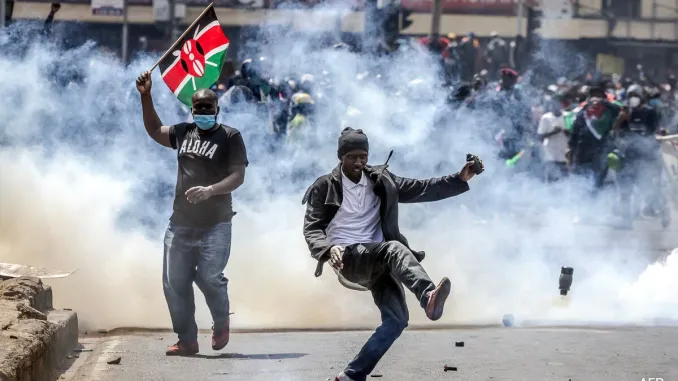
The Kenyan government, for the first time, has officially acknowledged the fatalities and disappearances linked to anti-government protests that have swept the country in recent months. Interior Minister Kithure Kindiki told the National Assembly Committee on Thursday that 42 people were killed, 132 missing, and 1,208 others arrested during the protests. Protests erupted across Kenya in June and July over tax increases in the Finance Bill 2024, killing at least 50 people, according to the Kenya Human Rights Commission (KHRC) and other officials. President William Ruto’s administration faced intense scrutiny for how it handled the protests, which also caused widespread property damage. “There were 42 cases of people who lost their lives during the Gen-Z demonstrations, a total of 1,208 people were arrested countrywide during the demonstrations, and most of the cases are still pending before court for various charges,” Kindiki told the committee, emphasizing the government’s commitment to holding those responsible for violence accountable, regardless of affiliation. He added that 132 people have gone missing, as reported by police stations across the country. “Myself and the president himself, have made it clear that this administration does not condone abductions or extrajudicial killings or enforced disappearances,” according to him. On extrajudicial killings of protesters, the interior minister was quick to defend authorities who shot at them, saying some cases were justified, citing the case in which thousands of protesters stormed and torched a section of parliament building in Nairobi. “If police never used lethal force during the invasion of parliament, we would never have a Kenya like we have today,” he added. The protests in Kenya, which began in June, were sparked by public dissatisfaction with rising living costs and Ruto’s controversial tax policies. Protests in the major towns of Nairobi, Kisumu, and Mombasa were some of the most intense, with citizens taking to the streets to demand economic reforms, which later evolved into protests calling for Ruto’s resignation. The government’s admission comes amid mounting pressure from civil society organizations and human rights groups, who have been calling for transparency on the number of casualties and missing persons during the protests. In July 2024, the president made a dramatic move by dissolving almost his entire Cabinet in response to widespread protests against his administration’s proposed tax increases. Following this, Ruto removed all Cabinet Secretaries except Prime Cabinet Secretary Musalia Mudavadi, citing the need for a “broad-based government” to restore trust and improve governance. This reshuffle also coincided with a meeting between Ruto and the then-opposition leader Raila Odinga, which fueled speculation about a potential power-sharing arrangement. The protests, sparked by tax increases in the Finance Bill 2024, swept across Kenya in June and July, leading to the deaths of at least 50 people, according to the Kenya Human Rights Commission (KHRC) and other authorities

Kenya reports deaths, missing, and arrests in protests Read More »

Biden to make first presidential visit to Africa next month

U.S. President Joe Biden will visit Africa next month, marking his first trip to the continent while in office, the White House announced on September 24. He will begin his journey in Berlin to strengthen alliances and express gratitude to Germany for its support of Ukraine against Russia, among other issues. Biden will then travel to Angola from October 13-15 to discuss economic ties and security with President Joao Lourenco. They will also explore a rail project linking the Atlantic and Indian oceans. White House press secretary Karine Jean-Pierre stated that Biden’s visit to Luanda will celebrate the evolving U.S.-Angola relationship and highlight America’s commitment to African partnerships. Although Biden aimed to visit Angola last year, plans were delayed due to the Israel-Hamas conflict. He has pledged to enhance U.S. relations with African democracies amid growing Chinese influence in the region. Biden had previously promised to visit Africa following a summit with African leaders in late 2022, but 2023 has passed without his visit, despite several high-ranking U.S. officials visiting the continent on his behalf. Earlier on Tuesday, Biden announced over $500 million in aid and 1 million mpox vaccines to support African nations in combating the mpox outbreak. He also delivered his final address to the UN General Assembly as president.

Biden to make first presidential visit to Africa next month Read More »

Amnesty calls on Kenya to probe protester deaths

On Wednesday, Amnesty International urged the Kenyan government to investigate the deaths of dozens of protesters during months of demonstrations earlier this year. Rights groups report that over 60 people were killed in the protests, with many more disappearing in the aftermath. The youth-led marches were sparked by a controversial finance bill proposing tax hikes on an already struggling population. Amnesty launched a petition accompanied by a dossier containing footage and interviews with eyewitnesses, lawyers, and medical professionals, arguing that security forces used lethal force against protesters. The organization identified specific rifles, submachine guns, and shotguns employed by the police. Recently, bereaved mothers gathered in Nairobi, demanding justice for their children who were killed or went missing during the protests. This week marks three months since the demonstrations began, yet there has been no thorough investigation into the actions of security forces.

Amnesty calls on Kenya to probe protester deaths Read More »

Scroll to Top