Nigeria

African Union, SADC urge lifting of US sanctions on Zimbabwe

The Chairperson of the African Union Commission Moussa Faki Mahamat, and the Southern African Development Community (SADC) on Friday called for the unconditional lifting of all sanctions imposed against Zimbabwe. “The Chairperson remains concerned by the negative impact of continued sanctions against the Republic of Zimbabwe on the country’s socio-economic development and recovery efforts,” his office stated in a message marking SADC’s Anti-Sanctions Day, observed annually on Oct. 25. “In solidarity, the SADC community today joins Zimbabwe in calling for the immediate and unconditional removal of these unwarranted and cruel sanctions, which violate the basic tenets of international law and the Charter of the United Nations,” stated Zimbabwe’s President and current SADC chairperson, Emmerson Dambudzo Mnangagwa. Mnangagwa emphasized that the imposition of sanctions undermines the collective efforts toward regional integration and sustainable development. “May this message transcend our borders and reach the ears and rattle the conscience of those perpetuating these cruel sanctions. They must realize the extent of harm their reprehensible actions inflict on the generality of the people of Zimbabwe, on the SADC region, and Africa at large,” he said. – March to US Embassy in Harare In Zimbabwe, Anti-Sanctions Day was marked under the banner of the Broad Alliance against Sanctions, with a small group of citizens gathering outside the US Embassy to call for the removal of US-imposed sanctions on Zimbabwe. The Broad Alliance Against Sanctions is a group of supporters of Zimbabwe’s ruling party who have protested outside the US Embassy for about five years, making headlines with their near-daily picketing in the capital Harare. The anti-sanctions demonstrators have blamed the sanctions for harming Zimbabwe’s economy, asserting that the embargoes are responsible for the challenges the country faces, including difficulties in obtaining credit, medicine, and educational opportunities. “The sanctions must go. Every ordinary Zimbabwean is suffering because of these sanctions,” Edwin Mbewe, a protester, said. However, the US Embassy refuted claims that the sanctions are to blame for the country’s economic struggles, instead attributing Zimbabwe’s economic crisis to government corruption. “The notion that U.S. sanctions are the cause of Zimbabwe’s difficulties does not align with reality. This false narrative diverts attention from the real issues plaguing Zimbabwe. According to reports by Zimbabwe’s own Prosecutor General, Zimbabwe loses $1.8 billion to corruption annually,” said Pamela Tremont, the US ambassador to Zimbabwe, in a statement. Further commenting on its page on X, formerly Twitter, the US Embassy stated, “there are no sanctions on the 16 million people in Zimbabwe. We urge the Government to deal with economic mismanagement and corrupt actors who are the root causes of Zimbabwe’s economic troubles.” Ambassador Tremont also indicated that Zimbabwe’s economic problems are largely due to mismanagement, which she attributed to corruption costing the country about $2 billion annually. The US Embassy concluded, “sanctions affect only 11 individuals and 3 companies in Zimbabwe, preventing them from using the U.S. financial and banking systems for their personal affairs and traveling to the United States.”

African Union, SADC urge lifting of US sanctions on Zimbabwe Read More »

Africa looks to BRICS for UN security council membership

African Union Chair and Mauritanian President Mohamed Ould Ghazouani stated that Africa is counting on BRICS countries for support in obtaining permanent membership in the UN Security Council. Speaking at the “Expanded BRICS+” meeting during the BRICS Leaders Summit in Kazan, Russia, Ghazouani highlighted that the delays in achieving sustainable development goals and the current inadequacies in addressing serious global security, economic, and environmental challenges stem from political and economic imbalances in the international system. He emphasized the need for Africa to foster a new dynamic of multilateral cooperation, international solidarity, and assistance. For this to happen, he argued, the financial and political rules of international governance must be reformulated. Ghazouani pointed out that Africa’s ability to leverage development opportunities and unlock its growth potential is hindered by debt issues. He also noted that Africa’s weak representation in multilateral financial institutions has led to urgent development needs—particularly in infrastructure, technology transfer, and education—not being prioritized on the international agenda. He called for the establishment of a new development finance agreement that ensures equitable access to financing aligned with the priorities of least developed countries. Ghazouani underscored the importance of granting Africa permanent membership in the UN Security Council to ensure its voice is heard and its priorities are considered globally, expressing trust in BRICS countries for this support.

Africa looks to BRICS for UN security council membership Read More »

Nigeria takes out 140 terrorists and gang members in a week

In Nigeria, operations against terrorist groups Boko Haram and ISWAP (the West African branch of ISIS) resulted in the neutralization of 140 individuals over the course of one week. Edward Buba, the Director of Media Operations for the Nigerian Defense Ministry, provided this information at a weekly press briefing, highlighting the country’s ongoing battle against escalating security challenges. Buba stated that the operations took place across various regions, leading to the deaths of 140 terrorists and gang members, while 135 were captured. Additionally, 76 individuals held for ransom were rescued. Nigeria has long faced threats from armed gangs, as well as attacks from Boko Haram and ISWAP, despite the death penalty for kidnapping crimes. Armed groups typically target villages, schools, and travelers in the northern parts of the country to demand ransoms.

Nigeria takes out 140 terrorists and gang members in a week Read More »

African leaders condemn Terror attack on Turkish defense facility

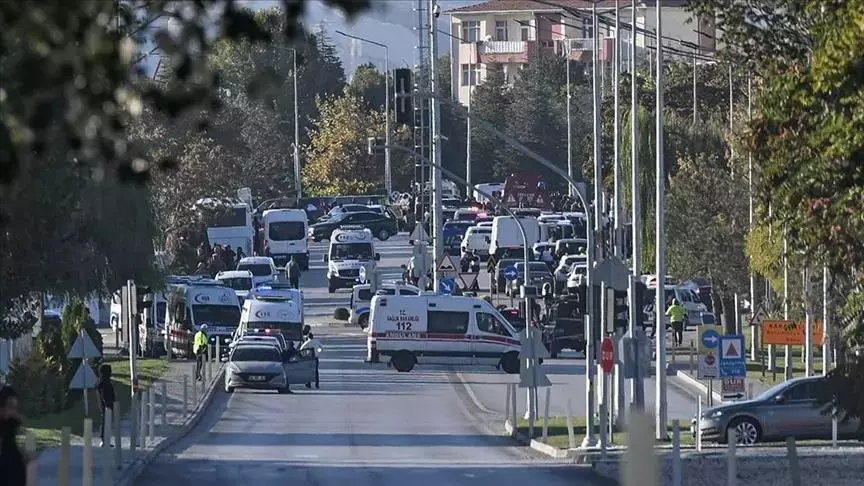
Mali, Senegal, and Somalia condemned a “heinous” terrorist attack on a defense industry facility in Turkey’s capital on Wednesday. Mali’s transitional government president, Col. Assimi Goita, expressed “total solidarity” with Turkey, a key defense partner, and extended condolences to the victims’ families. The attack on Turkish Aerospace Industries (TAI) resulted in at least five deaths and 22 injuries, according to Turkish Interior Minister Ali Yerlikaya. Senegal’s President Bassirou Diomaye Faye labeled the attack “cowardly,” expressing compassion for the Turkish people and condolences to President Recep Tayyip Erdogan. Somalia condemned the incident as a “heinous” act, noting it poses a threat to global peace. The Foreign Ministry commended the swift response of Turkish security forces and expressed confidence that the perpetrators would be brought to justice. Somalia reiterated its commitment to fighting terrorism alongside Turkey and the international community, calling for strengthened cooperation against such threats.

African leaders condemn Terror attack on Turkish defense facility Read More »

Scroll to Top