Nigeria

Climate change triggers deadly flooding in Africa

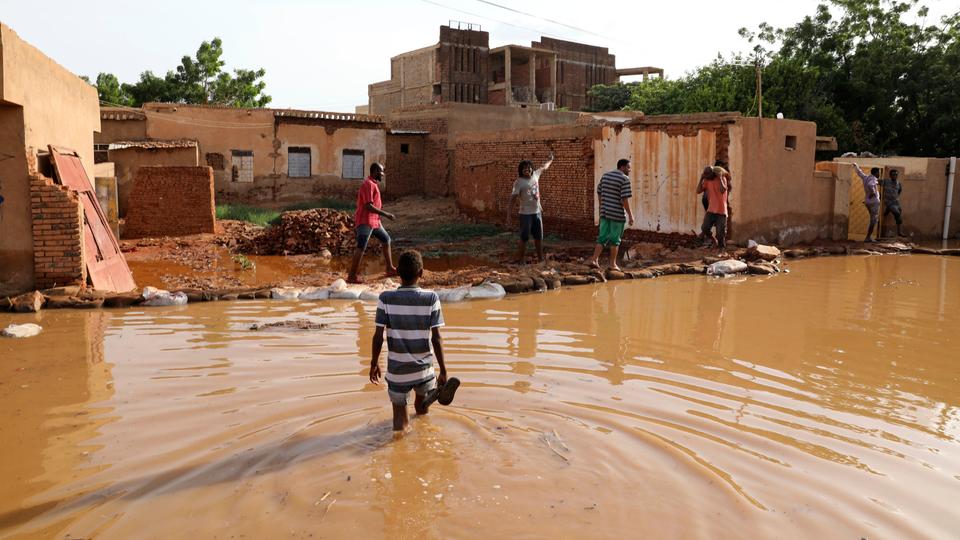
Human-caused climate change has intensified seasonal rains across the Niger and Lake Chad basins this year, leading to catastrophic flooding, according to a study released by international scientists on Wednesday. Researchers from the World Weather Attribution (WWA) initiative reported that floods in Chad, Cameroon, Niger, Nigeria, and Sudan have resulted in over 2,000 deaths and displaced millions. The heavy rains also overwhelmed dams in Nigeria and Sudan. The study found that rainfall this year was 5 to 20 percent more intense in the affected regions, which encompass four of the five countries. Scientists indicated that such extreme rainfall patterns are becoming the new normal due to climate change and are likely to continue annually if global warming persists. Factors such as poverty, rapid urbanization, and poor water management have worsened the impact of these floods. Ongoing conflict has further complicated the situation, displacing millions in Chad, Nigeria, and Sudan, who now live in makeshift shelters with heightened vulnerability to flooding. The WWA noted that the severe flooding from June to September exacerbated an already critical humanitarian crisis in Sudan, overwhelming the response capabilities of aid organizations and governments. The scientists emphasized the need for the region to prepare for even heavier rainfall in the future and to urgently improve water management systems. They called for increased investment in early warning systems and dam upgrades, as well as meaningful financial contributions from wealthier nations. Additionally, they urged delegates attending the upcoming COP29 climate summit in Azerbaijan to act decisively in reducing reliance on fossil fuels, which are responsible for over 75 percent of greenhouse gas emissions and nearly 90 percent of carbon dioxide emissions.

Climate change triggers deadly flooding in Africa Read More »

African leaders at BRICS Summit urge reforms and cooperation

African leaders at the ongoing BRICS summit in Russia highlighted key international issues on Wednesday. Originally consisting of Brazil, Russia, India, China, and South Africa, the coalition has expanded to include Iran, Egypt, Ethiopia, the United Arab Emirates, and Saudi Arabia. Turkey, Azerbaijan, and Malaysia have applied for membership, with many other nations also expressing interest. Egyptian President Abdel Fattah el-Sisi noted that the current international system’s shortcomings extend beyond political and security concerns to economic and development challenges. He emphasized the “escalation of the debt problem and the lack of necessary funding” as barriers to rapid economic growth for developing countries. He stressed Cairo’s commitment to raising awareness about its role in fostering development. South African President Cyril Ramaphosa called for reform of the World Trade Organization, advocating for updated trade rules to facilitate industrialization. He urged BRICS members to enhance cooperation by launching joint development programs in exports, industrial collaboration, and technology exchange. Ramaphosa also expressed concern over the ongoing crisis in Gaza and the Middle East, demanding an immediate ceasefire and recognition of Palestinian self-determination. Ethiopian Prime Minister Abiy Ahmed suggested reforms for the UN Security Council, asserting that developing nations must have their voices heard in global governance. “This is not just about representation; it’s about justice, equity, and allowing all nations to contribute,” he stated. The three-day summit marks the largest gathering of world leaders in Russia in decades, occurring as the West seeks to isolate Moscow over its actions in Ukraine.

African leaders at BRICS Summit urge reforms and cooperation Read More »

Diphtheria Claims 1,191 lives in Nigeria over 17 months

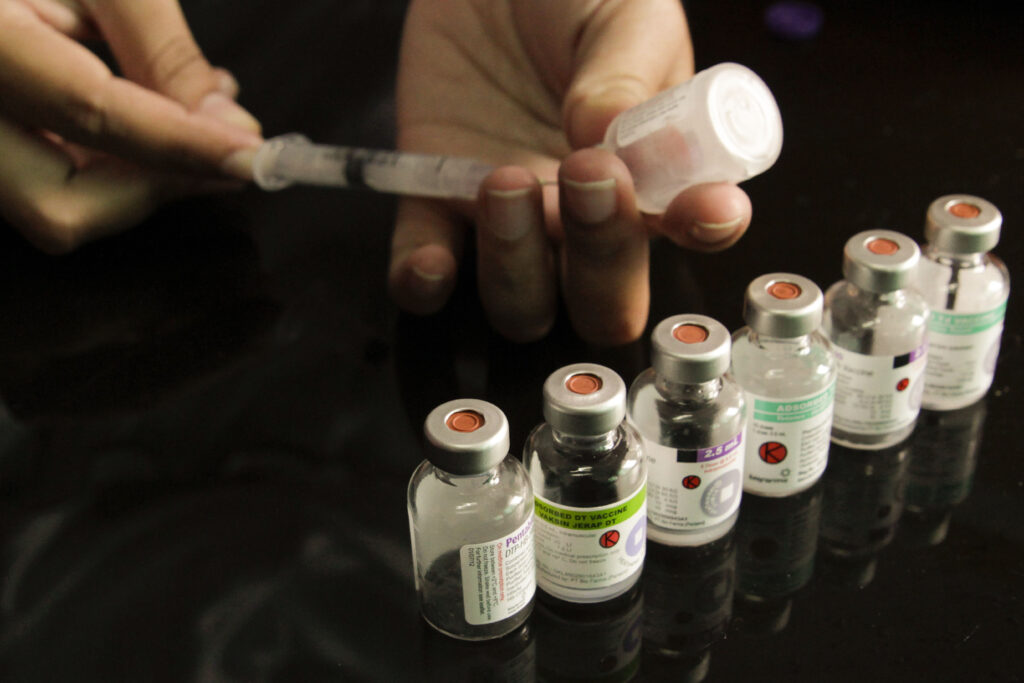
Nigeria’s Disease Control Center Reports 1,191 Deaths from Diphtheria Outbreak The Nigeria Center for Disease Control (NCDC) has reported that 1,191 people have died from a diphtheria outbreak in the country over the past 17 months. Muzzammil Gadanya, Director of the Diphtheria Emergency Operations Center at the NCDC, stated that between May 2023 and September 2024, 1,191 individuals lost their lives to the outbreak. During this period, over 38,000 suspected diphtheria cases were recorded, with confirmed cases numbering around 23,000. The World Health Organization (WHO) has confirmed that the country is experiencing a second wave of the outbreak due to the rising number of diphtheria cases. In response to the crisis, the United Nations Children’s Fund (UNICEF) sent 9.3 million doses of vaccine to Nigeria last year as part of the effort to combat the outbreak. Diphtheria, also known as “corynebacterium diphtheriae,” is caused by a microorganism that infects the throat, nose, eyes, and skin. The contagious disease can lead to severe health complications and even death.

Diphtheria Claims 1,191 lives in Nigeria over 17 months Read More »

32 illegal oil refineries have been destroyed in Nigeria

In Nigeria, Africa’s oil and gas-rich country, 32 illegal refineries where crude oil was being processed have been destroyed. Danjuma Jonah Danjuma, acting director of the Nigerian Army’s Public Relations, stated that operations against oil smugglers in the Niger Delta region are ongoing. He reported the destruction of these refineries, along with the seizure of oil tankers and 25 boats, and the recovery of 250,000 liters of stolen oil. Oil theft is negatively impacting Nigeria’s economy. Senator Ned Nwoko revealed that the country faced over $3 billion in losses in 2023 due to increasing oil theft and pipeline attacks. Nigeria has approximately 37 billion barrels of confirmed oil reserves, accounting for 3.1% of global reserves. Ranked among the top 15 countries in crude oil production, Nigeria is the eighth largest holder of oil reserves worldwide and the sixth largest exporter. In the Delta region, home to these oil deposits, armed groups have been involved in sabotage, conflicts, and kidnappings related to oil fields.

32 illegal oil refineries have been destroyed in Nigeria Read More »

21 die from Lassa fever in Nigeria’s Edo State

Lassa fever has claimed 21 lives in Nigeria’s Edo State, where the disease has spread to various regions. Dr. Joseph Okoeguale, a health official, reported 240 confirmed cases in the state. This year, over 170 people have died nationwide due to the outbreak. The government has identified three medications for treatment. Lassa fever was first detected in Nigeria in 1969 in Borno State and has since appeared in several African countries, including Mali, Togo, Ghana, Liberia, and Sierra Leone. The Nigerian government declared a state of emergency for Lassa fever on January 23, 2019. The disease is transmitted through contact with rodent droppings and can spread from person to person, causing severe hemorrhagic fever. Authorities have warned the public to avoid contact with rats and other rodents.

21 die from Lassa fever in Nigeria’s Edo State Read More »

Economic hardship linked to tragic fuel tanker explosion in Nigeria

Residents of Lagos on Wednesday linked economic hardship and hunger to the tragic deaths of individuals who were collecting fuel from an overturned tanker before it exploded. The explosion in Nigeria claimed over 140 lives, including children, and left many injured. The incident occurred in Majiya, Jigawa State, around midnight when the driver lost control of the gasoline tanker on a highway, leading to a massive fire as people rushed to scoop up the spilling fuel, according to emergency services. “I blame both the people and the government,” said civil servant Emenike Okpaga. “If the government prioritized citizens’ welfare, incidents like this wouldn’t happen.” Software engineer Emmanuel Isaac added, “No one in their right mind would scoop fuel unless driven by hunger. When people see a chance to make money from it, they take it.” In Majiya, residents mourned as they held a mass burial for the victims, most of whom were unrecognizable, according to emergency responders. Fatal tanker accidents are frequent in Nigeria, where traffic regulations are often ignored and efficient cargo transport systems are lacking. The rising fuel prices, which have tripled since the end of government subsidies last year, have led many to salvage fuel from such accidents.

Economic hardship linked to tragic fuel tanker explosion in Nigeria Read More »

Scroll to Top