
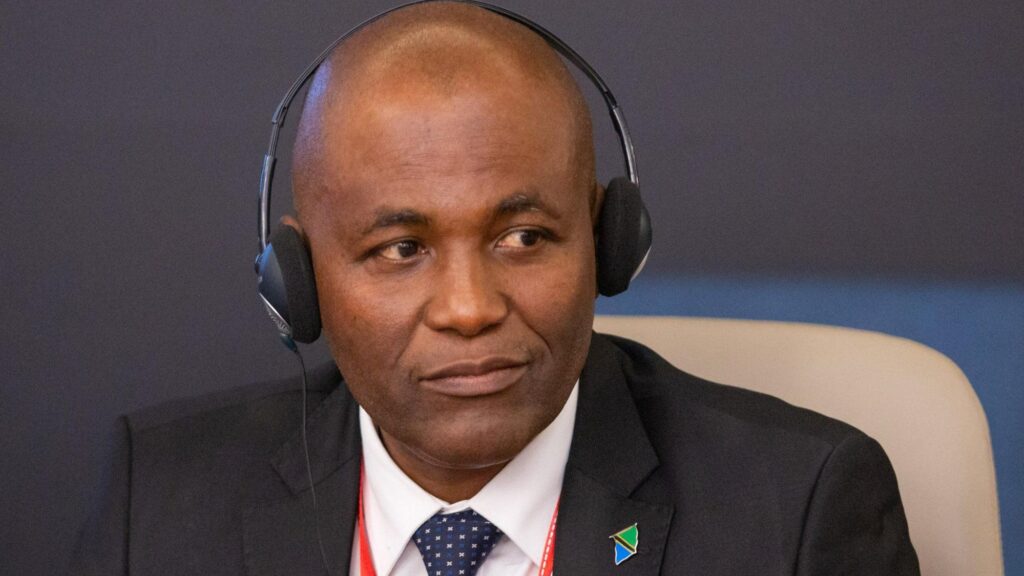
Tanzanian WHO Africa director-elect dies at 55
Dr. Ndugulile’s death marks the first time a WHO regional director-elect has passed before taking office
Tanzanian WHO Africa director-elect dies at 55 Read More »
Dr. Ndugulile’s death marks the first time a WHO regional director-elect has passed before taking office
Tanzanian WHO Africa director-elect dies at 55 Read More »

As the G20 Leaders’ Summit takes place in Rio de Janeiro, Brazil, the World Health Organization (WHO) has called for decisive global action to eliminate cervical cancer, a preventable disease that claims the lives of over 350,000 women annually. In an op-ed published ahead of the summit, WHO Director-General Tedros Adhanom Ghebreyesus emphasized the urgency and feasibility of eliminating cervical cancer, describing it as an historic opportunity. “Unlike most other cancers, almost all cervical cancer cases and deaths can be averted,” he wrote, highlighting the transformative impact of vaccines, diagnostics and treatments in combating the disease. Nearly all cervical cancer is caused by the human papillomavirus (HPV) and disproportionately affects women in low- and middle-income countries, which account for 94% of cervical cancer deaths. While high-income nations are nearing elimination—defined as fewer than four cases per 100,000 women—many countries still lack equitable access to life-saving tools. The global burden is staggering, with 660,000 new cases diagnosed annually. These losses devastate families and communities, leaving children orphaned and plunging families into poverty. With scientific advances, achieving this target has become increasingly realistic. The introduction of a single-dose HPV vaccine, now adopted by 60 countries, is a game-changer in improving vaccination coverage, he said. Since the WHO’s 2018 call to action, more than 60 additional countries have included the HPV vaccine in their immunization programs, bringing the total to 144. Tedros stressed that achieving elimination depends on a strong political commitment and international cooperation to ensure equitable access to the tools needed. “Realizing this opportunity requires determined political leadership,” he said. The WHO hopes the G20 summit will galvanize support for expanded vaccination programs, enhanced diagnostic services and accessible treatments, particularly in resource-limited settings. Cervical cancer elimination would be a monumental public health achievement and a testament to the power of global solidarity. “We have the tools and the opportunity,” said Tedros, adding “now is the time to act.”
WHO chief calls for action against cervical cancer Read More »
The country received 10,000 doses of the mpox vaccine from the United States in August
Nigeria launches delayed mpox vaccination campaign Read More »

More than 22M children missed their first dose of measles vaccine last year, says UN health agency
Measles cases rise 20%, infecting 10.3M in 2023: WHO Read More »
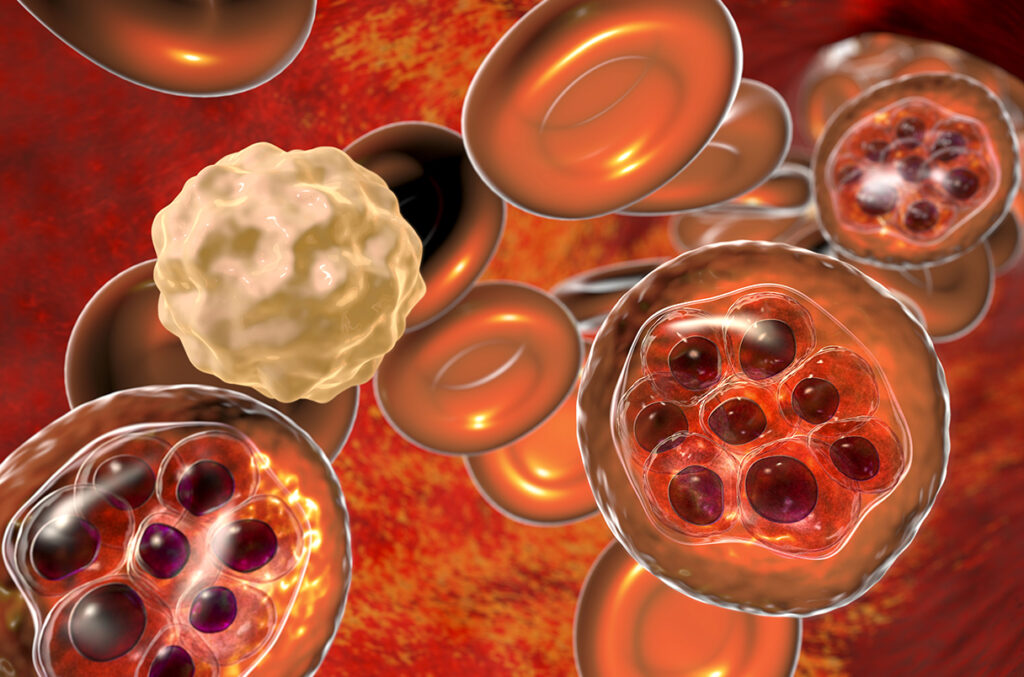
World Health Organization says malaria poses significant public health challenge in Ethiopia
Ethiopia reports 7.3M malaria cases, 1,157 deaths in 9 months Read More »

The World Health Organization reports that mpox cases in the Congo region, where a new, more infectious variant emerged, are stabilizing.
Mpox cases plateau in DR Congo’s outbreak origin Read More »

The WHO’s allocation of 899,000 mpox vaccine doses to nine African countries is a crucial step in protecting vulnerable populations and preventing further spread of the virus.
WHO allocates 899K mpox vaccine doses to 9 African nations Read More »

Mpox cases in Congo appear to be declining, but health officials warn that the virus is still spreading in some areas and more vaccines are needed to stop the outbreak.
DR Congo’s mpox cases may be leveling off Read More »

The WHO has announced the allocation of nearly 900,000 mpox vaccine doses to nine African countries.
Over 50,000 vaccinated in DRC, Rwanda amid mpox outbreak Read More »

The World Health Organization (WHO) released alarming new data Tuesday showing tuberculosis (TB) once again ranking as the world’s deadliest infectious disease. According to the latest WHO report, approximately 8.2 million people were diagnosed with TB in 2023. “This represents a notable increase from 7.5 million reported in 2022, placing TB again as the leading infectious disease killer in 2023, surpassing COVID-19,” a statement by the organization noted. WHO Director-General Tedros Adhanom Ghebreyesus, expressed “outrage “over the continued toll of the disease. “The fact that TB still kills and sickens so many people is an outrage, when we have the tools to prevent it, detect it, and treat it,” he said. He urged nations to fulfill their commitments to effectively combat TB. The report highlights the alarming disparities, with 30 high-burden countries — primarily India, Indonesia, China, the Philippines and Pakistan –accounting for 56% of the global TB burden. It also emphasized funding a crisis for TB prevention, diagnosis and treatment, especially in low- and middle-income countries (LMICs), which bear 98% of the global TB burden. Noting that only 26% of the $22 billion target for annual global TB funding was reached in 2023, Tereza Kasaeva, director of WHO’s Global Tuberculosis Program, said: “We are confronted with formidable challenges: funding shortfalls, catastrophic costs to affected households, and drug-resistant tuberculosis.” While the report warned that treatment success rates for multidrug-resistant TB remain low, WHO urged the international community to fulfill their commitments from the 2023 UN High-Level Meeting on TB, with a renewed push for funding research into new TB vaccines.
Tuberculosis leading infectious killer, WHO warns Read More »