
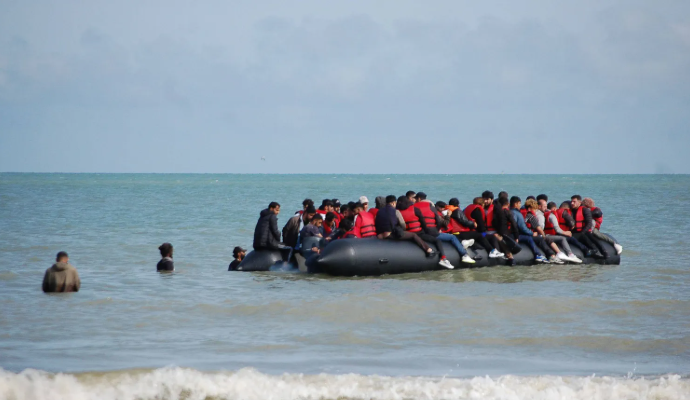
The 24 defendants are linked to the Emergency Response Center International, a nonprofit search and rescue organisation that operated on Lesbos between 2016 and 2018. They face felony charges including forming a criminal group that allegedly facilitated the illegal entry of migrants, as well as money laundering connected to organisational funding. Among those on trial is Syrian activist Sarah Mardini, whose story inspired the 2022 film The Swimmers, along with German volunteer Sean Binder. Both were arrested in 2018, spent more than 100 days in pre-trial detention, then were released pending further proceedings.
A defence lawyer said the outcome of the case would determine whether humanitarian work can be protected from what he described as unfounded prosecutions, or whether it remains vulnerable to “arbitrary narratives” by authorities. Greece has taken a tougher stance on migration since 2019, reinforcing border controls with expanded fencing and sea patrols. In July, the government temporarily paused processing asylum claims for arrivals from North Africa. Under a 2021 law, individuals helping migrants reach Greek shores may face charges for facilitating illegal entry or assisting a criminal enterprise.
Espionage charges against the defendants were dropped in 2023, but the remaining accusations continue to draw criticism. Rights groups say the case lacks evidence and is based on flawed reasoning, arguing that saving lives has been misinterpreted as smuggling, which then allows authorities to frame legitimate fundraising by search-and-rescue groups as money laundering.