
Iran said on Monday that no negotiations were under way with the United States and that no meetings had been scheduled, directly contradicting President Donald Trump’s claim that talks would begin later in the day.
Trump cited the anticipated negotiations as his reason for cancelling planned military strikes against Iran, continuing a pattern seen repeatedly during the five-month conflict in which he has threatened major attacks before stepping back at the last moment.
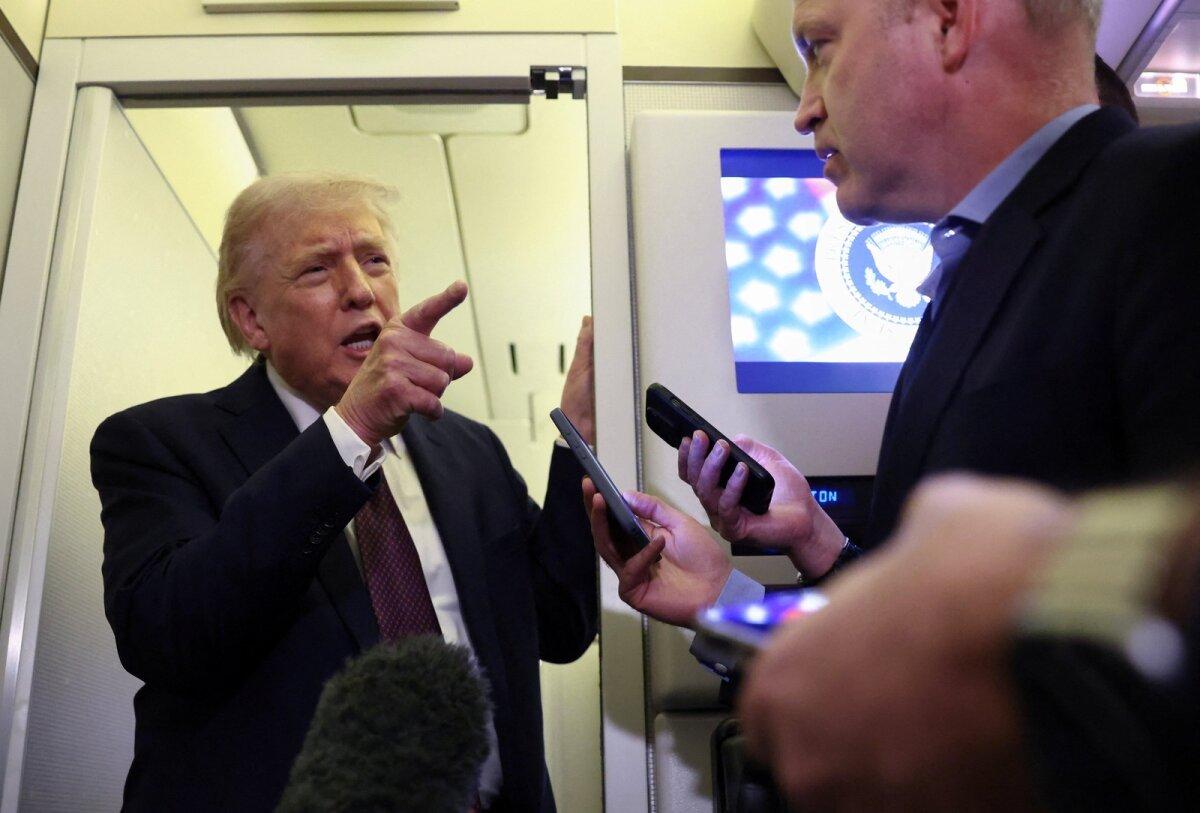
Speaking aboard Air Force One on Sunday, Trump said he preferred reaching an agreement to launching further military action.
“Would I rather make a deal? I’m not looking to kill people,” Trump said, adding that negotiations with Tehran would begin on Monday afternoon. He did not identify the location, participants or format of the proposed talks.
Iranian Foreign Ministry spokesman Esmail Baghaei rejected Trump’s account, saying Tehran was neither negotiating with Washington nor preparing for any meetings.
Baghaei said Iran had no plans to receive foreign delegations or send negotiators abroad in the coming days. He added that all members of Iran’s negotiating team remained inside the country, except Foreign Minister Abbas Araqchi, who was on a religious pilgrimage in Iraq.
According to Baghaei, Iran’s only current diplomatic discussions were with Oman and concerned the management of the Strait of Hormuz.
A senior Iranian source also told Reuters that no US-Iran talks had been arranged and that Araqchi would remain unavailable until at least the end of the week.
Repeated threats and reversals
The latest contradiction follows a pattern that has developed since Trump launched “Operation Epic Fury” alongside Israel more than five months ago.
On several occasions, Trump has announced or threatened major military action against Iran, only to later cite diplomatic contacts as a reason for delaying or cancelling the strikes.
Iran has publicly ruled out direct negotiations with Washington since a memorandum of understanding intended to end the conflict collapsed in early July.
Trump has also yet to achieve the principal objectives announced at the beginning of the war, including dismantling Iran’s nuclear programme, restricting Tehran’s ability to strike regional rivals and creating conditions for Iranians to overthrow the country’s clerical leadership.
Successive US military escalations have been followed by Iranian attacks on American forces in the region, Gulf Arab states allied with Washington and commercial shipping. Each round has ultimately ended with Trump stepping back from further action.
Hormuz dispute remains unresolved
Control of the Strait of Hormuz remains one of the conflict’s most serious unresolved issues.
Washington says the June memorandum required Iran to fully reopen the strategically important waterway. Tehran argues that the agreement explicitly preserved its authority to regulate shipping through the strait.
Such an arrangement could leave Iran with greater leverage over maritime traffic than it held before the war, an outcome likely to be viewed as a major setback for Trump.
The United States has so far failed to force Tehran to surrender its grip on the waterway. Disruptions to shipping have driven up global oil prices and increased politically sensitive petrol costs in the United States.
Oil prices fell sharply on Monday after Trump again decided against immediate military action. Brent crude futures dropped by more than 4% to around $84 a barrel.
Meanwhile, Britain’s maritime security agency UKMTO said the captain of a vessel travelling through the strait had reported an explosion in the water near the ship overnight. No injuries were reported.