
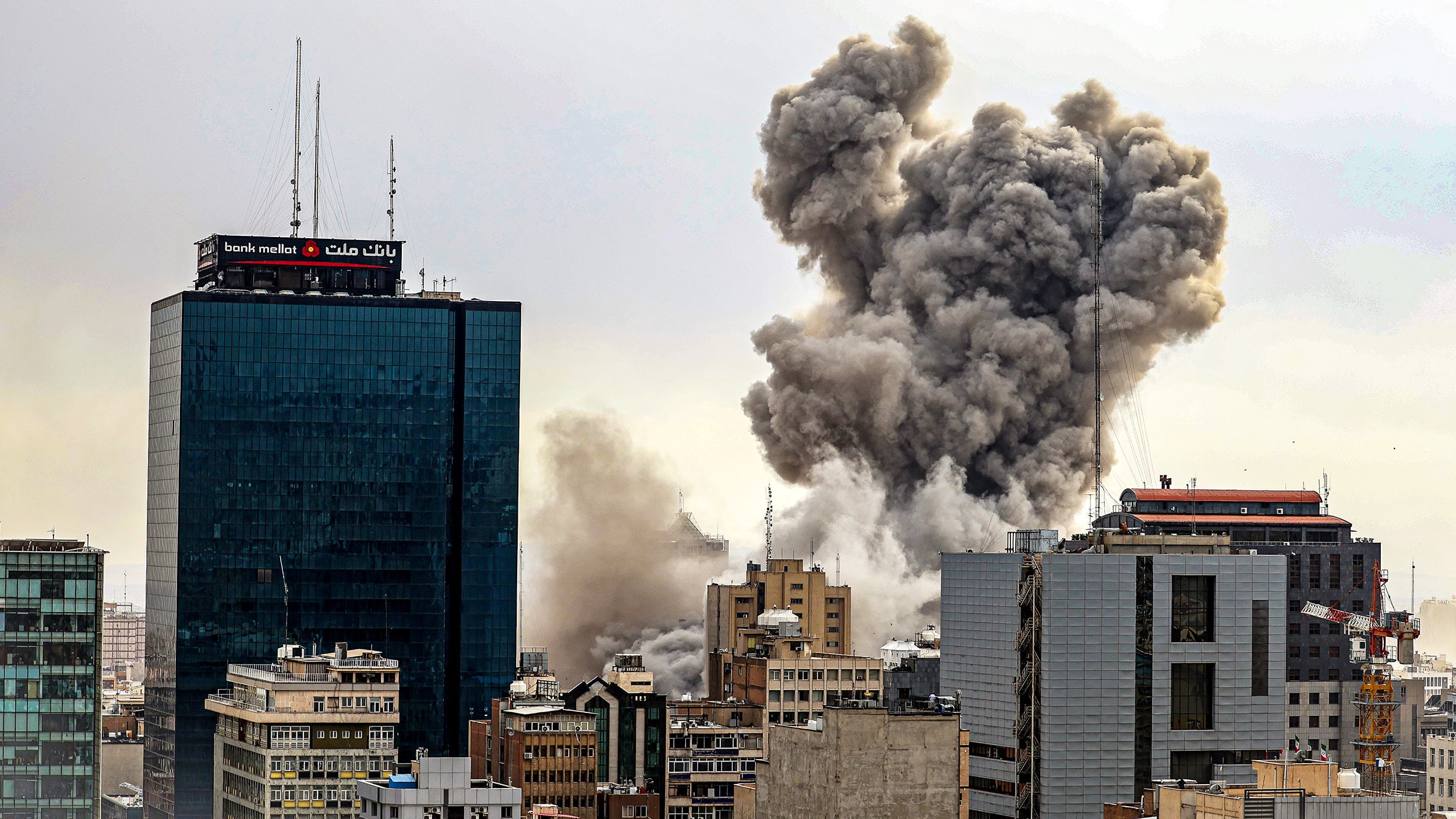
The war between the United States, Israel and Iran has entered its fourth day, with hostilities showing no sign of easing as military operations spread across the Middle East and the strategic Strait of Hormuz remains effectively closed.
Since joint US-Israeli strikes on Iran began on February 28, the campaign — dubbed Operation Epic Fury — has brought intense bombardment of Iranian military and nuclear-related targets. The offensive included the killing of Iran’s Supreme Leader, Ayatollah Ali Khamenei, a seismic development that shattered the Islamic Republic’s leadership structure and sent shockwaves across the region.
Escalation Across Multiple Fronts
Iran has responded with an expanded campaign of missile and drone attacks targeting Israel, US military bases and diplomatic missions throughout the Gulf. Iranian strikes hit the US Embassy in Riyadh, causing minor damage, and attacks on energy and commercial infrastructure have been reported in several Gulf states, including Kuwait, Qatar, Bahrain and the UAE.
Allied defence systems have intercepted large numbers of missiles and drones launched by Tehran, but civilian and military sites have sustained damage, and casualties continue to mount.
Strait of Hormuz Disruption
One of the conflict’s most significant economic impacts has been on the Strait of Hormuz, a key chokepoint for global oil exports. Iran has effectively halted vessel passage through the strait in retaliation for strikes on its homeland, disrupting about 20 % of worldwide oil shipments and driving up energy prices.
US Military Position and Casualties
The United States military reports continued air and missile operations with substantial targets struck inside Iran. President Donald Trump has said the campaign could last four to five weeks — or longer if needed — and has not ruled out deploying ground troops.
As of Day 4, at least six US service members have been killed and several more wounded during retaliatory attacks, primarily around Kuwait and other allied bases.
Broader Regional Impact
The conflict’s reach has widened, drawing in multiple nations. Lebanese territory has become a secondary front as Israeli forces engage Hezbollah positions; airspaces remain volatile; and US embassies in several capitals have suspended services or evacuated personnel amid security concerns.
Diplomatic and Strategic Stakes
The US and its allies describe the strikes as necessary to dismantle Iran’s ballistic missile and nuclear capabilities. Tehran claims it is defending its sovereignty against aggression and has vowed continued retaliation. International calls for de-escalation and negotiations have intensified, though a clear pathway to ending the war remains elusive.
With no ceasefire in sight and daily exchanges of strikes and counter-strikes, Day 4 marks a deepening of one of the most consequential conflicts in the Middle East in decades, with far-reaching implications for regional security, global energy markets and international diplomacy.