
An international team of paleontologists has identified a previously unknown dinosaur species in Zimbabwe, offering new evidence that southern Africa supported more varied dinosaur ecosystems than scientists once believed.
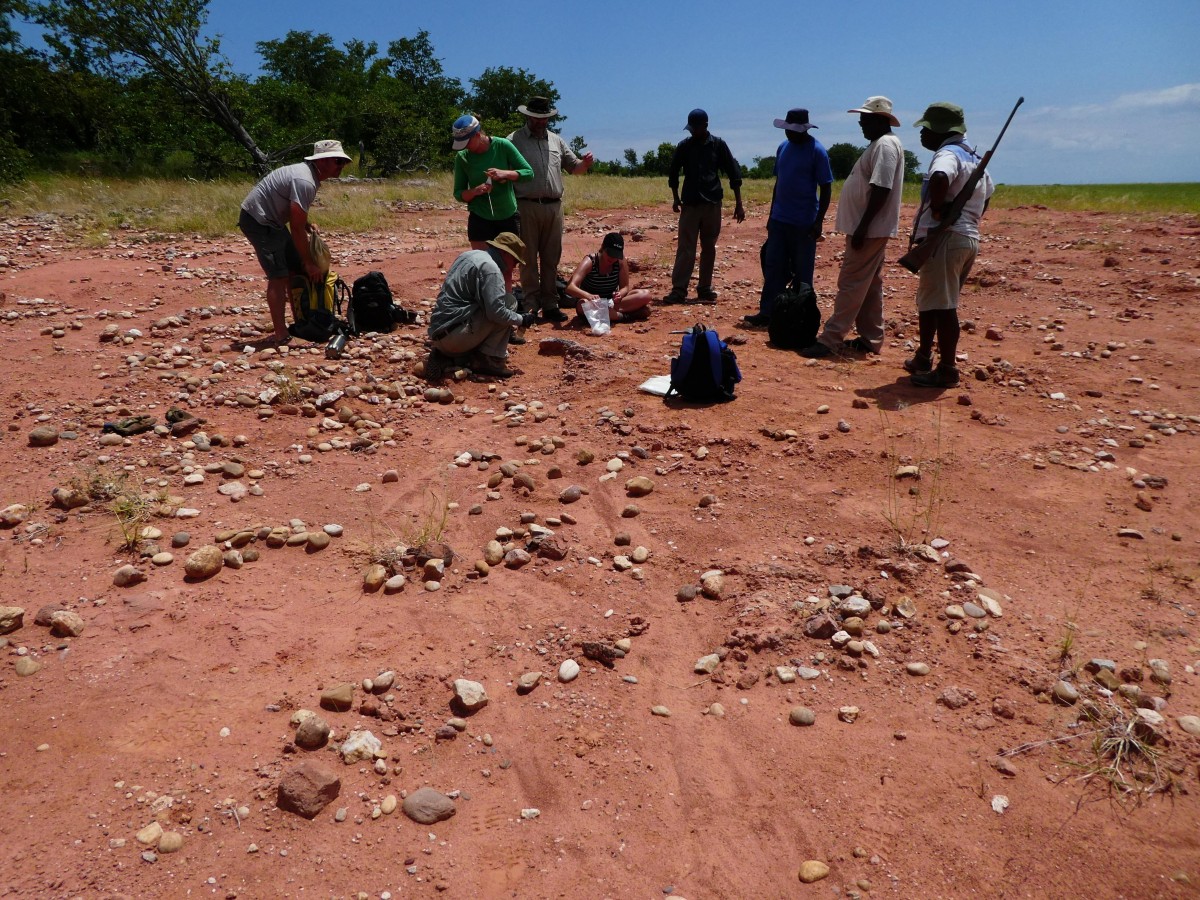
The species, named Musango matusadonaensis, lived around 210 million years ago during the Late Triassic period. It was formally described in the Journal of Systematic Palaeontology following an analysis of fossils excavated in 2018 near Lake Kariba in northern Zimbabwe.
The discovery marks only the fifth dinosaur species formally recorded in the country.
Measuring about 4.5 metres, or 15 feet, Musango matusadonaensis belonged to a group known as early sauropodomorphs. These primarily two-legged dinosaurs were distant ancestors of the enormous, long-necked sauropods that later included species such as Diplodocus.
The animal lived at a time when dinosaurs were spreading across the world but had not yet become the dominant animals on land.
Researchers from Britain, Zimbabwe and South Africa recovered parts of the dinosaur’s spine, ribs, limbs and feet. Scientists said the remains represent one of the most complete dinosaur skeletons of its age ever found in Zimbabwe.
Their analysis indicated that the dinosaur was close to full maturity when it died. Its bones also showed signs that it had survived a serious injury or infection earlier in its life.
Paul Barrett, the study’s lead author and a merit researcher at London’s Natural History Museum, said the findings challenge the traditional view that dinosaur communities across southern Africa were broadly similar during the Late Triassic.
Instead, the discovery suggests the region contained several distinct environments, each supporting different groups of dinosaurs.
Scientists said the new species, combined with other recent fossil discoveries in Zimbabwe, underlines how little remains known about Africa’s prehistoric wildlife.
They believe many more previously unidentified dinosaur species may still be buried across the continent.