
The United Nations has officially closed its political mission in Somalia, ending more than three decades of involvement in the country’s political transition and post-war reconstruction efforts.
The United Nations Transitional Assistance Mission in Somalia (UNTMIS) ceased operations on Saturday, October 31, following a two-year transition requested by the Somali government.
The closure marks a significant moment for Somalia as responsibility for political coordination and institutional development shifts further towards national authorities.
According to Al Jazeera, the mission’s responsibilities have been gradually transferred to Somali institutions, UN agencies and the UN office supporting African Union forces.
However, Somalia continues to face political disputes, security threats and growing humanitarian challenges.
UN Somalia mission officially closes
The closure follows a transition process agreed between the Somali government and the United Nations.
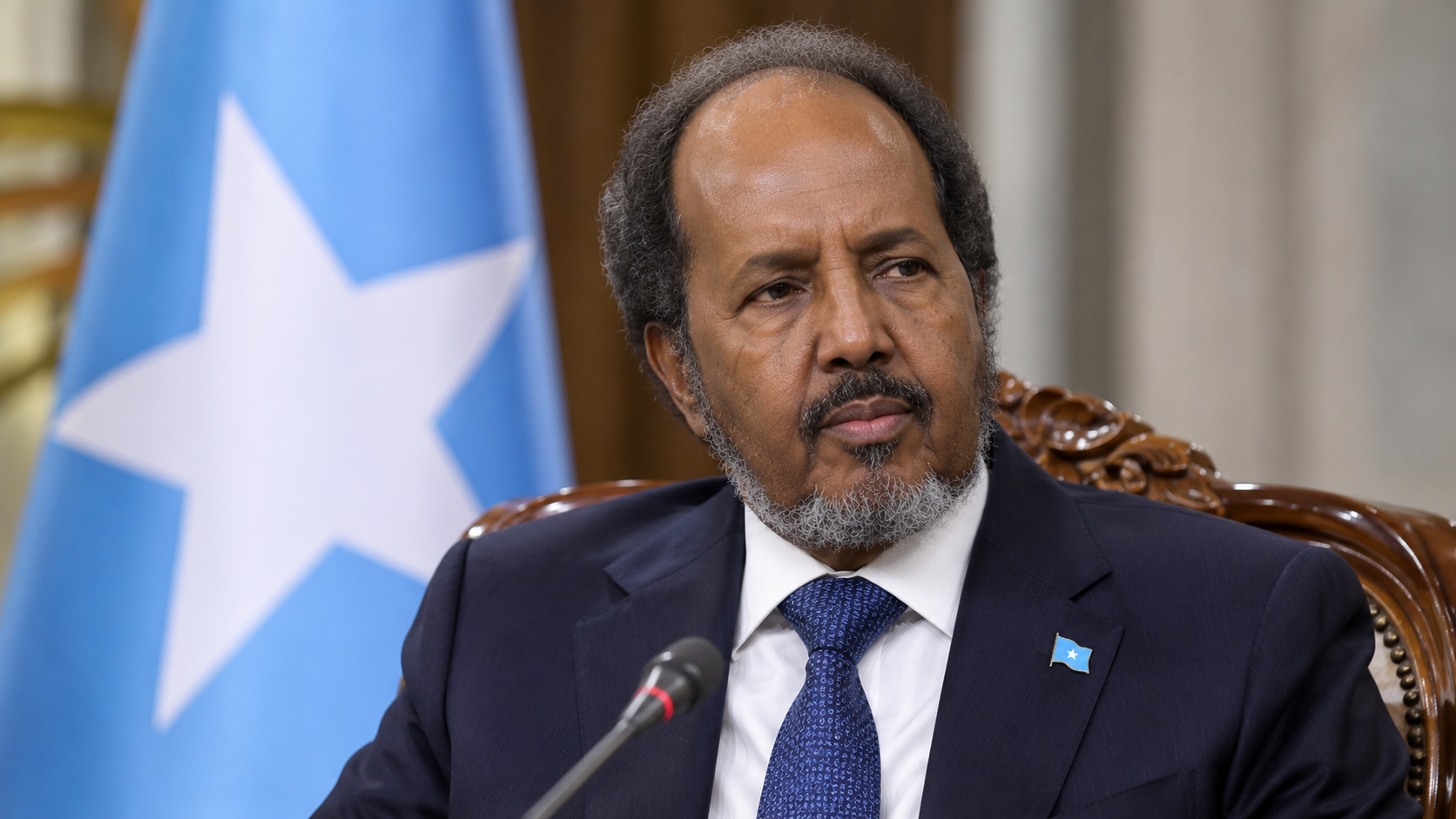
President Hassan Sheikh Mohamud’s administration formally requested the withdrawal of the UN political mission in 2024.
Under the agreed roadmap, UNTMIS gradually transferred its responsibilities to Somali institutions and other international partners.
UN Secretary-General António Guterres welcomed Somalia’s progress towards assuming greater responsibility for its political affairs.
However, he stressed the importance of continued international support.
The UN has maintained a political presence in Somalia for more than three decades, helping successive governments navigate political transitions and institutional reforms.
Its departure represents a major change in the country’s relationship with international partners.
Somali government welcomes UN withdrawal
Somalia’s government has presented the mission’s closure as an important step towards greater national ownership.
Speaking at a farewell ceremony in Mogadishu, Deputy Prime Minister Saleh Ahmed Jama described the development as a victory for the country.
He said Somalia was moving beyond its long period of political transition.
The government has argued that Somali institutions are increasingly capable of managing domestic political processes.
However, relations between Somali authorities and the UN mission have not always been smooth.
Previous governments accused the mission of interfering in domestic political affairs.
These tensions contributed to Somalia’s decision to request the mission’s withdrawal.
Political tensions remain in Somalia
Despite the closure, Somalia continues to face significant political challenges.
Disagreements over constitutional changes have created tensions between the federal government and opposition leaders.
President Hassan Sheikh Mohamud’s administration maintains that constitutional amendments allow the president and parliament to remain in office until 2027.
However, opposition figures dispute that interpretation.
Relations between the federal government and some regional leaders also remain strained.
The UN mission previously played a role in helping political rivals negotiate election agreements.
No replacement mechanism for that mediation role has been announced.
President Mohamud has invited opposition leaders to participate in political discussions.
However, major opposition groups have not confirmed whether they will attend.
Al-Shabab threat continues despite UN exit
Somalia also faces continuing security threats from al-Shabab, an armed group linked to al-Qaeda.
The group remains active in parts of the country and continues to fight government forces.
African Union troops remain deployed to support Somali security operations.
Their activities depend heavily on logistical assistance from the United Nations Support Office in Somalia (UNSOS).
The office provides essential services, including food, fuel, medical support and transportation.
However, the future of this assistance remains uncertain.
Reuters reported in September that a US-backed proposal could lead to the closure of UNSOS by December 2027.
Such a move could affect the logistical support available to African Union forces.
Importantly, the closure of UNTMIS does not mean that all UN operations or African Union deployments in Somalia have ended.
Humanitarian concerns grow as aid funding declines
Somalia’s humanitarian situation remains another major concern.
International aid reductions have affected essential services across the country.
UN humanitarian and development agencies will continue operating despite the political mission’s closure.
However, many programmes face financial difficulties.
In August, UNICEF reported that 205 health and nutrition facilities had closed because of funding cuts.
The closures have raised concerns about access to essential healthcare and nutrition services.
Continued international assistance remains important as Somalia addresses humanitarian needs alongside political and security challenges.
What the UN withdrawal means for Somalia
The closure of UNTMIS marks an important transition in Somalia’s relationship with the international community.
For the Somali government, it represents progress towards greater responsibility over national political affairs.
However, the departure also removes a diplomatic mechanism that previously helped mediate disputes between political leaders.
Somalia must now navigate constitutional disagreements, regional tensions and continuing security threats without the same UN political presence.
Meanwhile, humanitarian agencies and African Union forces will continue their separate operations.
The coming months will test Somalia’s ability to manage its political transition while maintaining stability and securing international support.