
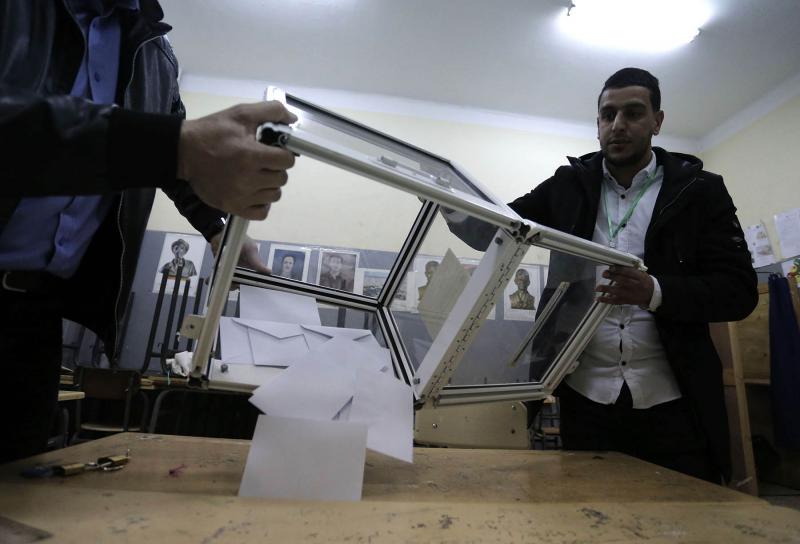
Algeria’s ruling coalition maintained its firm grip on parliament following legislative elections marked by record-low voter turnout.
A quiet apathy enveloped polling stations as the National Liberation Front and its allies secured a commanding legislative majority.
Official results confirmed the pro-government bloc won enough seats to comfortably insulate President Abdelmadjid Tebboune from any opposition challenges.
The victory allows the president to appoint a compliant prime minister, effectively anchoring the nation’s governing structure around his administration.
Meanwhile, independent candidates suffered a staggering defeat, losing over half of their previous seats as traditional parties reclaimed dominance.
Islamist opposition groups also bled support, failing to capitalize on public discontent despite a newly diversified parliamentary map.
The true protagonist of the election was silence, with a staggering 78 percent of eligible voters boycotting the polls.
This historic abstention paints a vivid picture of a disillusioned public still weary from years of political gridlock.
Nearly one million spoiled ballots further underscored a quiet, symbolic protest against an election that changed faces but not power.
Officials defended the vote’s integrity, blaming political parties for failing to bridge the deep chasm with ordinary citizens.
The outcome unfolds under the lingering shadow of the 2019 Hirak movement, which once promised sweeping democratic reforms.
Instead, a persistent political skepticism remains deeply entrenched across the nation following intense crackdowns on activists and journalists.
The Constitutional Court must still certify the final results, but the structural status quo appears entirely unshaken.