Author name: yasir

Death toll from Israeli airstrike on central Gaza rises to 33

 The death toll from an Israeli airstrike on Thursday on the Nuseirat refugee camp in the central Gaza Strip has risen to 33, with 84 others injured and missing, the Gaza-based Government Media Office said Friday. In a statement, the office condemned the “horrific massacre” targeting a residential block housing dozens of civilians, including women, children, and elderly individuals. “The targeted area was made up of multiple apartment buildings densely populated with displaced individuals who had already fled their homes due to prior bombings,” it said. The attack, it said, is part of a “broader policy of forced displacement and a violation of international law and a crime against humanity.” The media office also pointed to the strain on Gaza’s collapsing health care system, saying that “hospitals and medical centers are being systematically targeted.” During its 14-month-old ongoing war on Gaza, Israel’s repeated attacks on civilian buildings and facilities – mosques and churches, residences, hospitals, and others – have drawn international condemnation and been identified as likely war crimes. In October 2023, Israel launched a genocidal war on the Gaza Strip that has so far killed more than 44,800 people, mostly women and children. The second year of genocide in Gaza has drawn growing international condemnation, with officials and institutions denouncing the attacks and the blocking of aid deliveries as a deliberate attempt to destroy the population. The International Criminal Court (ICC) in November issued arrest warrants for Israeli Prime Minister Benjamin Netanyahu and his former defense chief Yoav Gallant for war crimes and crimes against humanity in Gaza. Israel also faces a genocide case at the International Court of Justice for its war on Gaza.

Death toll from Israeli airstrike on central Gaza rises to 33 Read More »
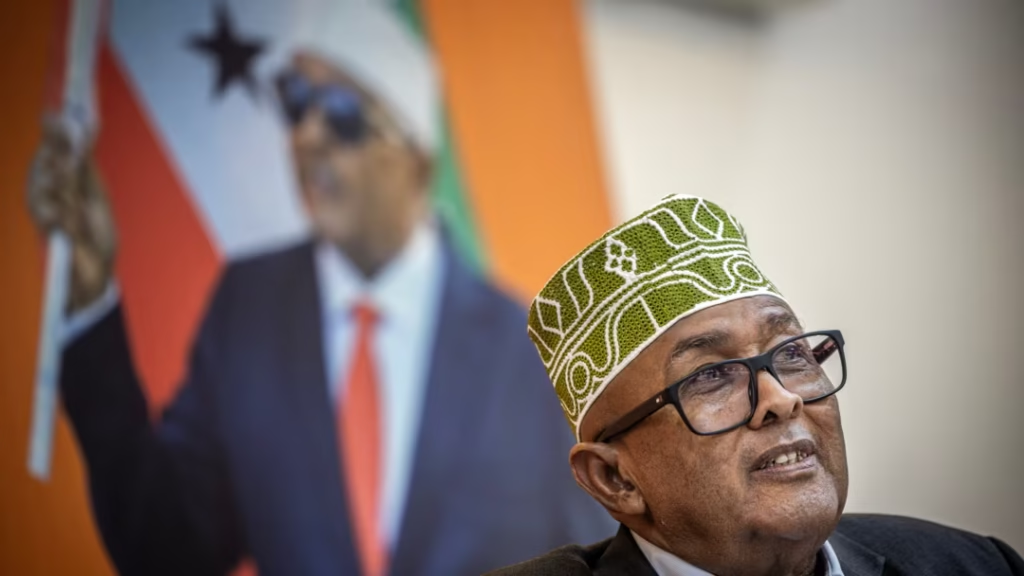
Somaliland inaugurates new president in push for recognition

Somaliland Inaugurates New President Amid Tensions Over Regional Disputes and Quest for Recognition Somaliland, the self-declared independent region of Somalia, inaugurated its new president on the heels of last month’s election, reinforcing its push for international recognition. The ceremony took place just one day after Somalia and Ethiopia reached an agreement in Turkey to begin “technical talks” over a contentious deal between Somaliland and Ethiopia. Abdirahman Mohamed Abdullahi, the newly elected president, took office after defeating incumbent Muse Bihi, who had served for seven years. Abdullahi, from the opposition Waddani Party, secured over 50% of the vote in the November 13 election, which was hailed for its high voter turnout and peaceful conduct—further solidifying Somaliland’s reputation as a stable democracy in a region often beset by instability. In his inaugural speech, Abdullahi outlined his government’s priorities, stressing the importance of renewing Somaliland’s international relations. “Our first job is to renew relations with the rest of the world to create a new Somaliland that contributes to the security of the entire region, including the Red Sea,” he said. Richard H. Riley, the U.S. ambassador to Somalia, congratulated Abdullahi on behalf of the United States and the international community. “We extend our warmest congratulations to you on this historic occasion,” Riley said, acknowledging Somaliland’s democratic achievements. Despite its stable governance, Somaliland’s quest for recognition remains a challenge. It declared independence from Somalia in 1991 but has yet to receive official recognition from the African Union, the United Nations, or any other nation. Somalia continues to regard Somaliland as part of its territory. Somaliland’s pursuit of recognition has been complicated by its recent agreements, including a controversial deal with Ethiopia to lease coastal land for a marine base. In exchange, Ethiopia would acknowledge Somaliland’s independence—something Somalia has condemned as a violation of its sovereignty. During his campaign, Abdullahi criticized the deal for its lack of transparency and promised to reassess such agreements to ensure they align with Somaliland’s strategic interests. Abdullahi’s presidency will also face challenges in managing ongoing tensions in the Sool region, where clashes between Somaliland forces and local militias have persisted. As he works to strengthen his country’s international standing, his leadership will play a critical role in shaping Somaliland’s future, both regionally and globally.

Somaliland inaugurates new president in push for recognition Read More »

Clashes erupt in Southern Somalia over disputed Jubbaland election

Clashes erupted in the southern Somali town of Raskamboni on Wednesday between federal government forces and regional troops from Jubbaland, amid rising tensions over a disputed regional election. The fighting, which lasted for several hours, subsided by midday, but both sides blamed each other for sparking the violence. Details about casualties remain unclear due to a telecommunications blackout in the area. The conflict highlights growing tensions between Somalia’s federal government and Jubbaland’s administration, raising concerns about further instability in this strategically important region near the Kenyan border. Somalia’s federal forces are taking over the fight against the al-Qaida-linked militant group al-Shabab, with plans to replace the African Union peacekeeping mission by the end of the month. The federal government accused Jubbaland’s forces, led by Ahmed Madobe, of attacking federal positions vital to the fight against al-Shabab. Madobe’s reelection for a third term as Jubbaland president in November has sparked controversy, with the federal government claiming it violates term limits. Opposition groups in Jubbaland have rejected the results and formed a rival government. Jubbaland officials, however, claimed the federal forces initiated the fighting by targeting their positions, accusing the federal government of trying to undermine regional authority. The violence comes as Somalia prepares for a new African Union mission starting in January, though it will exclude Ethiopia, with which Somalia is engaged in a dispute over the breakaway region of Somaliland.

Clashes erupt in Southern Somalia over disputed Jubbaland election Read More »

Malaria likely cause of mystery illness in Southwest Congo

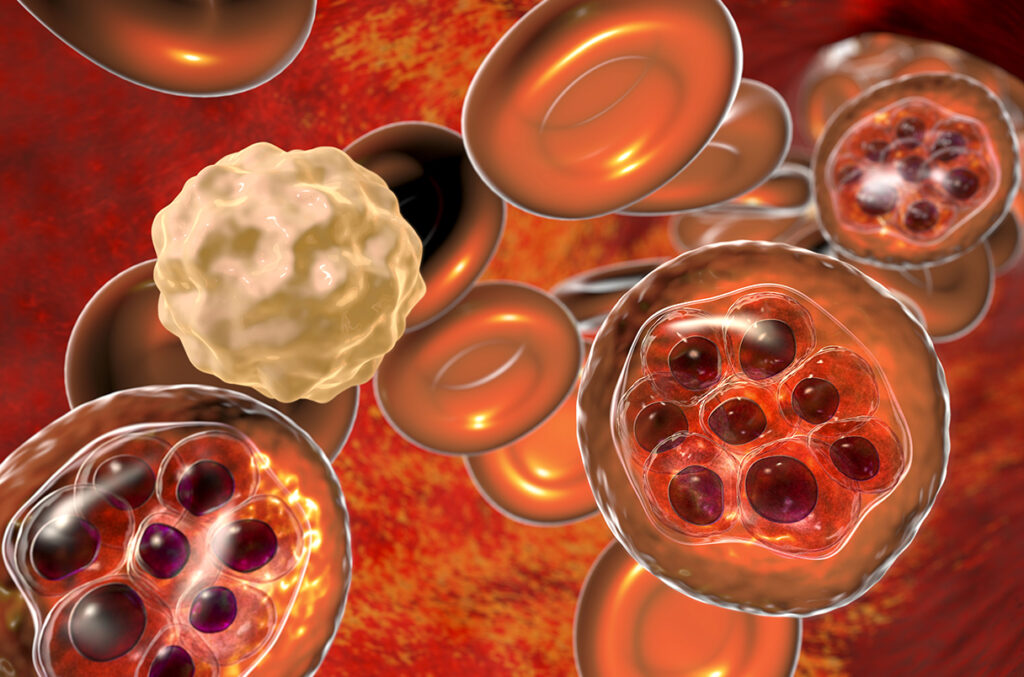
A mysterious flu-like illness that has claimed dozens of lives in southwest Congo in recent weeks may be malaria, according to initial laboratory tests of infected individuals, authorities reported Wednesday. Dr. Jean-Jacques Muyembe, Director-General of the National Institute for Biomedical Research in Kinshasa, said, “Of the 12 samples taken, nine tested positive for malaria, but the quality of the samples was not ideal. We are continuing our research to determine whether this constitutes an epidemic.” He added, “It is likely malaria, as most of the victims are children.” On Tuesday, WHO Director-General Tedros Adhanom Ghebreyesus also confirmed that most of the samples tested positive for malaria, but cautioned that other diseases could be involved. He noted that additional samples would be collected for further analysis. In recent weeks, there have been 416 reported cases and 31 deaths in hospitals, according to the WHO. Congo’s Health Minister, Roger Kamba, added that another 44 deaths were recorded in the community. The majority of cases and deaths have occurred in children under 14 in the remote Panzi health zone in Congo’s western Kwango province, the WHO reported. Ezekiel Kasongo, a Panzi resident, shared that his 9-year-old son was recently released from the hospital after falling ill two weeks ago. “He had a high fever, headache, and was very weak,” Kasongo said. “We were very worried because of the number of deaths, especially among children, but thank God, he is out.” Symptoms of the illness include fever, headache, cough, and anemia. Experts from the National Rapid Response Team and the WHO visited Panzi last week to collect samples and investigate. The Panzi health zone is difficult to reach, with experts taking two days to arrive. It is located about 435 miles (700 kilometers) from the capital, Kinshasa. Due to limited local testing capacity, samples had to be sent to Kikwit, more than 500 kilometers away, said Dieudonne Mwamba, head of the National Institute for Public Health. Mwamba also noted that Panzi had experienced a typhoid fever outbreak two years ago, and that there is currently a resurgence of seasonal flu across the country. High levels of malnutrition and low vaccination rates in the area make children particularly vulnerable to diseases like malaria, Tedros added.

Malaria likely cause of mystery illness in Southwest Congo Read More »

Ethiopia, Somalia reach agreement in Ankara

Turkish President Recep Tayyip Erdogan announced late Wednesday that Ethiopia and Somalia reached an agreement to solve the conflict between the two nations in Ankara-mediated peace talks. “We have taken the first step toward a new beginning based on peace, cooperation between Somalia, Ethiopia,” President Erdogan said at a joint news conference with his Somalian counterpart Hassan Sheikh Mohamud and Ethiopian Prime Minister Abiy Ahmed. Erdogan expressed his satisfaction with hosting his guests and their delegations in Türkiye. He noted that the Ankara Process, initiated approximately eight months ago due to the trust Somalia and Ethiopia placed in Türkiye, had reached a significant milestone. “Thus, by overcoming certain grievances and misunderstandings together, we have taken the first step towards a new beginning based on peace and cooperation between Somalia and Ethiopia,” he said. “We carefully listened to the sensitivities, priorities and expectations of both parties throughout this process. With the valuable contributions of both countries, we have prepared the joint declaration text agreed upon today.” Erdogan emphasized that despite having faced numerous injustices and serious conflicts in the past, the region where Somalia and Ethiopia are located has also experienced bright periods in history and made significant contributions to humanity. “This joint declaration focuses not on the past, but on the future, recording the principles that these two friendly nations will build upon moving forward, which is of great importance to us,” he said. Ankara’s fundamental expectation is to establish peace and stability “in this distinguished corner” of Africa between Somalia and Ethiopia, he added. Türkiye believes the agreed-upon joint statement by Somalia and Ethiopia will establish a solid foundation for cooperation and prosperity based on mutual respect, he said. Erdogan said that Türkiye, Somalia and Ethiopia will plan future steps together and implement projects to boost regional peace and prosperity. He also praised Somalia’s president and Ethiopia’s prime minister for “reaching this historic reconciliation with great dedication” during the Ankara-mediated peace talks. The Turkish president also expressed his gratitude to Mohamud and Ahmed. He said he believes Mohamud will provide the necessary attention, care and support, particularly in line with Ethiopia’s requests for access to the sea. “This world is enough for all of us. Together, we will undoubtedly secure our place here, and we will take these steps together,” he said. Ahmed hailed Türkiye for its efforts in resolving the Somalia-Ethiopia conflict during the talks. Mohamud also hailed Türkiye’s efforts in resolving the perennial territorial and political conflict between Somalia and Ethiopia. Ties between Ethiopia and Somalia have worsened since Ethiopia struck a deal with the breakaway region of Somaliland on Jan. 1 to use its Red Sea port of Berbera. Türkiye has been working to end tensions between the two countries. Ethiopia lost its Red Sea ports in the early 1990s after the Eritrean War of Independence, which lasted from 1961 to 1991. In 1991, Eritrea gained independence from Ethiopia, leading to the establishment of two separate nations. The separation resulted in Ethiopia losing direct access to the Red Sea and key ports. Ethiopia has since been landlocked, affecting its ability to conduct efficient maritime trade.

Ethiopia, Somalia reach agreement in Ankara Read More »

Nigerian president Tinubu meets with German president Steinmeier

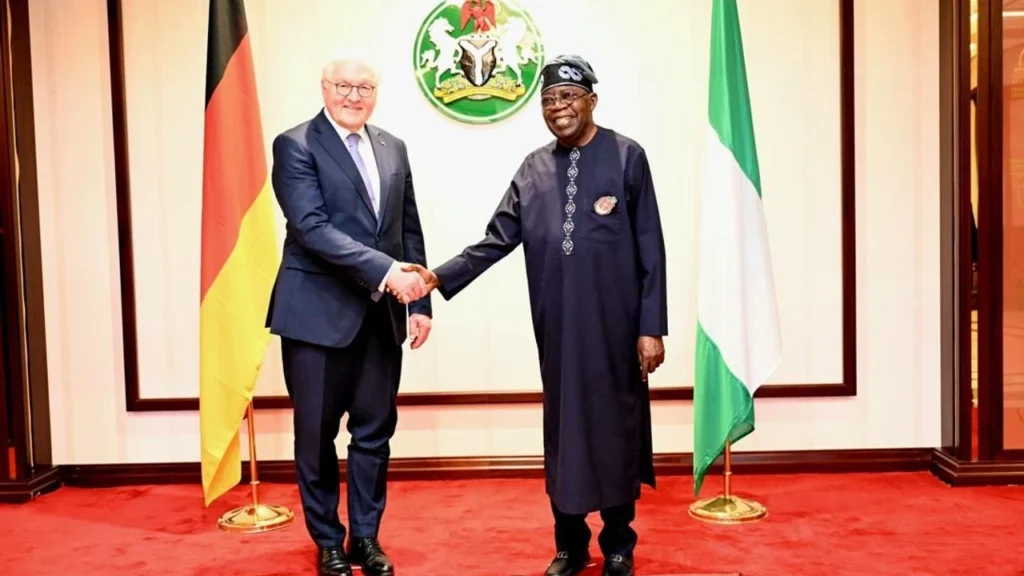
Germany’s president Frank-Walter Steinmeier on Wednesday met with Nigerian leader Bola Ahmed Tinubu in the capital Abuja during a two-day visit aimed at enhancing the countries’ “energy partnership”. Steinmeier was joined by a delegation of German firms operating in the energy (Siemens, Enertrag, Off-Grid Europe, Neuman & Esser), finance (Exficon), distribution (C. Woermann) and technology (Dermalog, LiveEO) sectors. “We have one of the longest energy partnerships that Germany has ever had with Nigeria,” said Steinmeier, adding that the collaboration is not limited to oil and gas. The “energy partnership” between Europe’s largest economy and Africa’s most populous nation has gravitated “towards solar and wind power in recent years” but the next goal is “hydrogen production”, the German leader said. The Nigerian president after the talks said his goal was to “continue to give you assurance that our business doors are opened and our reforms are working very well”. “Our businessmen and policy makers are very anxious to do business with Germany,” Tinubu said. Since coming to power in May 2023, Tinubu has ended a costly fuel subsidy and freed up the naira currency in reforms that government officials and analysts say will revive the economy and attract investors. But in the short term, the moves have deepened one of its worst crises in decades with inflation at a nearly thirty-year high of more than 33 percent in October. “German companies are seeing an improvement in investment relations,” Steinmeier said of Tinubu’s reforms. Adebayo Adelabu, Nigeria’s energy minister, said no fresh deal had been signed during the visit, but that both sides “discussed how we can accelerate the existing agreements”. The Union Bank of Nigeria and the German DWS Group in November 2023 pledged to invest $500 million in renewable energy.

Nigerian president Tinubu meets with German president Steinmeier Read More »

World economy to decelerate in 2025: Institute

World economic growth is expected to decelerate to 2.7% in 2025 from 2.9% in 2024, the International Institute of Finance (IIF) forecasted Wednesday. The IIF’s expectation for mature markets’ GDP rate for 2025 was at 1.3% on average, down from 1.5% in 2024. The expectation for the US was at 1.9%, 0.6% for the euro area, 3.8% for emerging markets (EMs), 1.7% for Russia, 2.5% for Türkiye and 4.2% for China. Capital flows to EMs are forecast to decline to $716 billion in 2025 from $944 billion in 2024, driven by weaker flows to China, said the institute. In 2024, China saw its first net foreign direct investment outflows in decades, with an equally disappointing forecast for 2025. Capital flows to non-China EMs will moderate to $781 billion in 2025 from $824 billion in 2024, the IIF said. Geopolitical tensions and US energy policies will add uncertainty to commodity prices, it noted.

World economy to decelerate in 2025: Institute Read More »

Nigeria launches Malaria vaccination campaign for young children

Nigeria has begun implementing a malaria vaccination programme in an effort to ease the world’s highest burden of the mosquito-borne disease which last year killed some 200,000 people. The vaccination schedule targets young children, with the first dose administered at five months. One of the first areas where the programme is being rolled out is the southern state of Bayelsa, which has one of the country’s highest rates of malaria. Rebecca Godspower brought her six-month-old baby to a clinic for the vaccination after having twice treated him for malaria. “Now that there’s a vaccine for malaria, at least I’m happy, I am glad that stress won’t be there again,” she said. A view echoed by another mother, Esther Michael, who also visited the clinic. “I’m happy to bring my child to the health centre to take a vaccine because we hear that malaria is killing other children.”

Nigeria launches Malaria vaccination campaign for young children Read More »

Guterres calls for climate justice in Africa during G20 visit

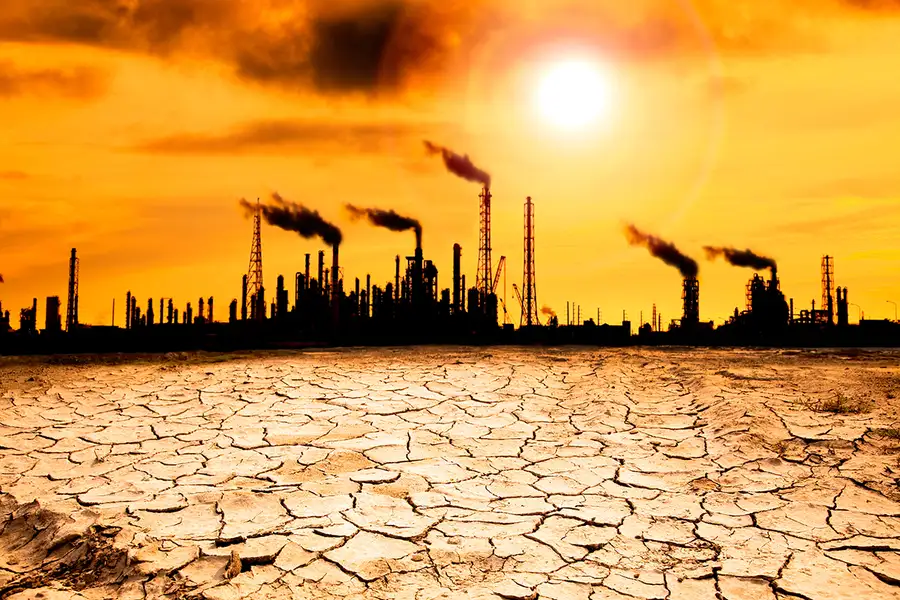
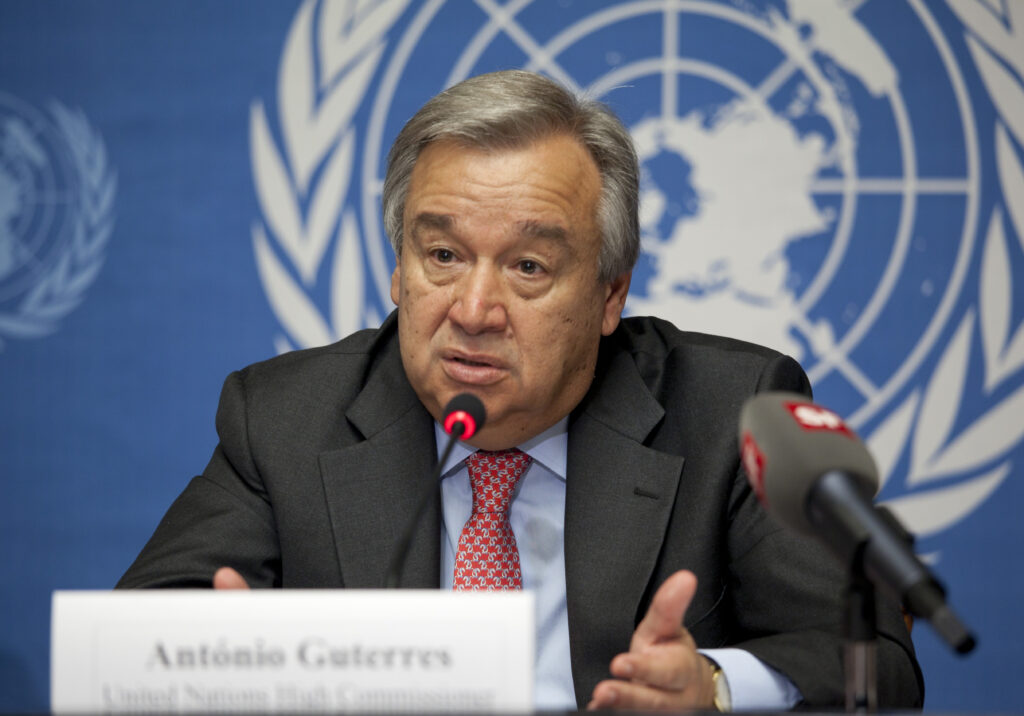
UN Secretary-General António Guterres visited South Africa during its G20 Presidency, emphasizing the urgent need for climate justice. He stressed that Africa, with its young and growing population, rich cultural and natural diversity, and entrepreneurial spirit, continues to face the lingering injustices of its colonial past. “I am here at a critical time as South Africa assumes the G20 presidency. Africa’s potential is undeniable… but it needs climate justice. The continent is on the frontlines of the climate crisis. Despite contributing minimal emissions, climate change is wreaking havoc on your people and economies. Africa is warming faster than the global average. We must limit global temperature rise to 1.5°C to prevent this crisis from spiraling further,” Guterres said. The UN chief also expressed concern about the escalating chaos in the Middle East, particularly following the recent ousting of Syrian President Bashar Al-Assad, though he maintained a sense of cautious optimism about the region’s future.

Guterres calls for climate justice in Africa during G20 visit Read More »

Scroll to Top