

Haiti’s interim president condemns gang attack, two journalists killed
Haiti’s interim president, Leslie Voltaire, has condemned a deadly gang attack during the reopening of Port-au-Prince’s General Hospital on Christmas Eve, which left two journalists dead and several others wounded. Speaking on behalf of the transitional presidential council, Voltaire expressed outrage: “We condemn what happened today… when members of the population, journalists, and police officers were attacked,” he said. “We extend our condolences to the families, the Haitian National Police, and the journalists’ association. This act will not go unpunished.” The attack took place as reporters gathered to cover the hospital’s reopening, which had been delayed by gang violence earlier in the year. Suspected members of the Viv Ansanm gang coalition opened fire, causing panic and chaos. The Online Media Collective confirmed the deaths of journalists Markenzy Nathoux and Jimmy Jean. Graphic footage from the scene showed two bloodied bodies on stretchers, one wearing a press badge. Street gangs control around 85% of Port-au-Prince, paralyzing essential services. Despite government promises to restore order, violence continues to escalate, with journalists and law enforcement increasingly targeted. Haitian authorities have vowed to investigate the attack and hold the perpetrators accountable.
UN’s Guterres warns of famine in Sudan
UN Secretary-General Antonio Guterres expressed deep concern over the worsening food security situation in Sudan, warning that famine conditions are present in at least five locations across the country.

Morocco proposes family law reforms for women
The proposed changes include raising the minimum age for marriage exemptions and expanding women’s custody rights.

Deadly fire exchange in eastern DR Congo village
Deadly clashes erupted in North Kivu as the Congolese army and Wazalendo militia exchanged fire, leaving multiple civilians dead and others injured.

At least 50 injured in protests after Mozambique election
As Mozambique’s Constitutional Council declared Daniel Chapo the winner of the October election, violent protests broke out, injuring 50 people.

Voters push for change in southern Africa 2024 elections
Economic hardships and generational change reshaped southern Africa’s 2024 elections, signaling a decline in liberation-era party dominance.

Ethiopian and Somali spy chiefs meet as bilateral ties strengthen
Meeting coincides with arrival of Somali delegation led by Minister of State for Foreign Affairs Ali Omar, also aimed at reinforcing commitments under Ankara Declaration

Famine fears grow in Sudan as UK urges political solution
The UK Foreign Secretary, David Lammy, has expressed deep concern over the rapidly worsening famine and hunger crisis in Sudan.

Famine worsens in Sudan as conflict blocks aid delivery
Humanitarian aid efforts remain severely hampered by ongoing conflict between warring factions, exacerbating one of the world’s worst hunger crises

Mount Nyiragongo: Congo’s fiery wonder illuminates the night
Mount Nyiragongo is home to one of the world’s most breathtaking natural phenomena

In Nigeria, 190 people have died from Lassa fever this year
In Nigeria, Africa’s most populous country, 190 people have died this year from Lassa fever, a viral disease transmitted from animals to humans. Jide Idris, Director of the Nigeria Centre for Disease Control (NCDC), confirmed a worrying rise in both cases and fatalities nationwide. According to Idris, 9,492 suspected Lassa fever cases have been reported this year, with 1,154 testing positive. The outbreak has claimed 190 lives, and the fatality rate remains alarmingly high. In response, the Nigerian government has designated three drugs for treatment. Lassa fever was first identified in Nigeria in 1969 in the northeastern Borno State. The disease is spread through contact with rat droppings, can be transmitted person-to-person, and causes severe hemorrhagic fever, often fatal. Health authorities are urging Nigerians to avoid contact with rodents and other pests to help prevent the further spread of the disease.

France mourns Cyclone Chido victims
France observed a national day of mourning Monday in honor of the victims of Cyclone Chido, which devastated the French overseas department of Mayotte earlier this month. Flags were flown at half-staff across the country, and a minute of silence was observed at 10 a.m. GMT. President Emmanuel Macron commemorated the victims at Elysee Palace as ‘The Last Post’ was played, while recently appointed Prime Minister François Bayrou led what he said “a very moving moment of silence” at his residence Hôtel de Matignon. Bayrou spoke to media after the observance, saying the tribute “signifies a commitment so that the international community is present to reconstruct Mayotte.” The cyclone, the most destructive to hit Mayotte in 90 years, caused extensive damage to the island, known as France’s poorest department. It left at least 35 dead and around 2,500 injured, with the actual toll likely higher due to the widespread destruction of infrastructure and precarious living conditions. Cyclone Chido struck Mayotte on Dec. 14, destroying homes, disrupting water and electricity supplies, and severing communications. Emergency crews continue efforts to restore basic services, but the scale of the damage has made recovery efforts particularly challenging.

Somalia-Ethiopia border tensions resurface
Despite a recent agreement aimed at resolving tensions, deadly clashes have erupted between Somali and Ethiopian forces in the border region.

Cyclone Chido death toll in Mozambique rises to 120
The cyclone, which also impacted Mayotte and Malawi, has exacerbated existing challenges for the country, including a severe drought and ongoing political unrest.

Nigeria declares Lassa fever emergency after 190 deaths
The viral hemorrhagic fever has infected over 1,100 people across the country.

Battle for Al-Zurug: Key base at center of RSF-SAF clash in El Fasher
Built under RSF commander Mohamed Hamdan Dagalo (Hemedti), Al-Zurug symbolizes RSF dominance in Darfur

Sahel alliance rejects ECOWAS timeline, alleges destabilization
During a recent summit in Abuja, Nigeria, ECOWAS outlined a six-month grace period following the official withdrawal date in January 2025

Mozambique court affirms ruling party win
The Constitutional Council of Mozambique upheld the ruling Frelimo party’s win, despite opposition protests and allegations of election fraud, leading to unrest and economic challenges.

Africa: The continent of seven time zones
Africa, showcases its vast geographical diversity through its unique span of seven time zones
Chad orders full withdrawal of French troops
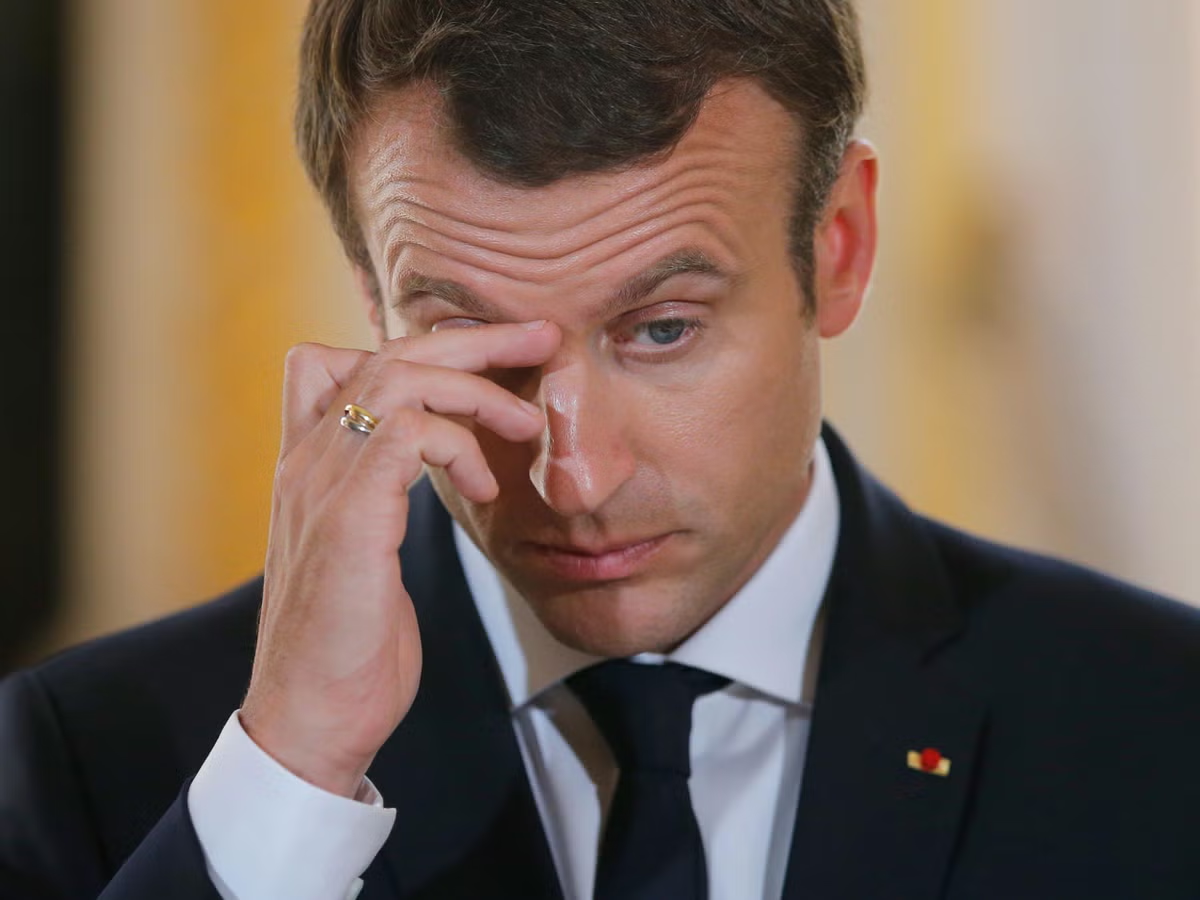
France Forced to Speed Up Troop Withdrawal from Chad After Sudden Demand France was caught off guard as Chad ordered the full withdrawal of French personnel from its N’Djamena base by December 31, despite plans to begin a gradual repatriation of troops starting next week. This marks a significant blow to France’s influence in the Sahel, as Chad was its last stronghold in the region. The rapid change in circumstances comes after a deadly Boko Haram attack in October that killed 40 Chadian soldiers. The Chadian government accused France of failing to provide necessary assistance following the attack, leading to a breakdown in relations. The French army’s departure follows public demonstrations demanding that France end its military presence in the country. As a result, France began sending the first batch of 120 soldiers back on Friday, with more expected to follow in the coming weeks. This sudden withdrawal raises questions about Chad’s future alliances and the broader impact on security in the Sahel.

Cyclone Chido death toll rises to 94 in Mozambique
The powerful cyclone also destroyed over 110,000 homes and caused widespread devastation across the country.

Sudanese party accuses SAF and allied groups of “atrocities” in Darfur
Thus far, neither the SAF nor representatives of Minawi and Jibril have responded to the allegations

The remarkable clicks of African languages: Xhosa and Zulu in focus
Languages serve as windows into the cultures and histories of the people who speak them

Ferry capsizes in DR Congo, 38 dead, over 100 missing
Overloading and poor safety regulations are suspected to be contributing factors.

Over 20 killed in central Mali attacks
The tragic incident highlights the ongoing security challenges faced by Mali, which has been grappling with an insurgency for years.

France redefines Djibouti base as key military hub
French President Emmanuel Macron has emphasized the importance of the French military base in Djibouti, describing it as a key “projection point” for France’s evolving military operations in Africa.
Chad leader elevated to marshal, following father’s footsteps
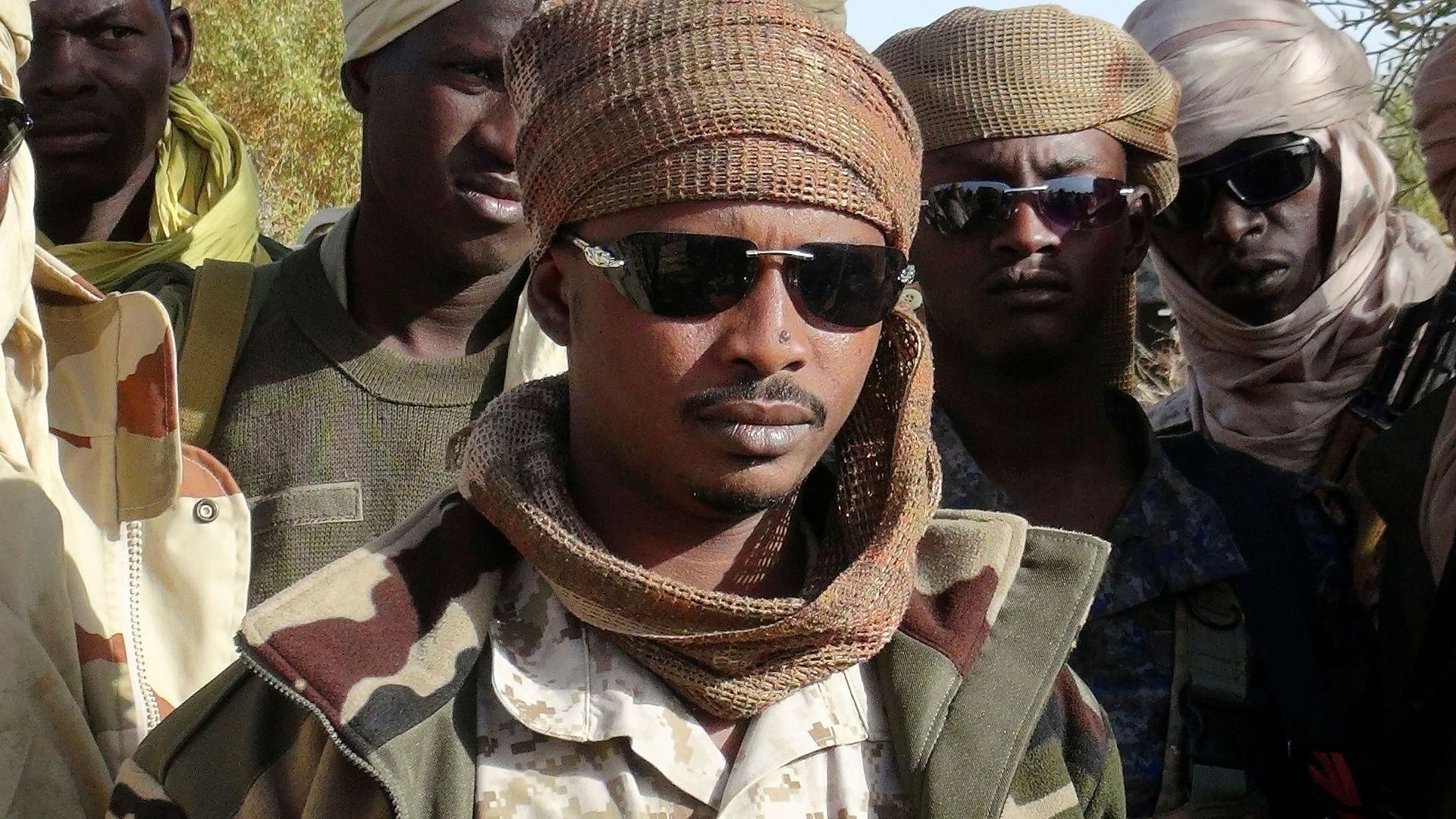
Chad’s President, General Mahamat Idriss Déby Itno, has been elevated to the rank of Marshal, the highest military title in the country.