



Congo summons Uganda over alleged support for M23 rebels
Ugandan charge d’affaires denies accusations, asserts Kampala’s commitment to regional stability cooperation

Key developments from Sudan Peace Talks in Geneva
Initially, General al-Burhan’s forces boycotted the talks, leading to only the RSF delegation attending the start of the Geneva meetings

Rwanda sets ambitious economic goals
Rwanda has announced an ambitious plan to become an upper-middle-income country by 2035
Ivory Coast deports 164 Burkinabe refugees amid concerns
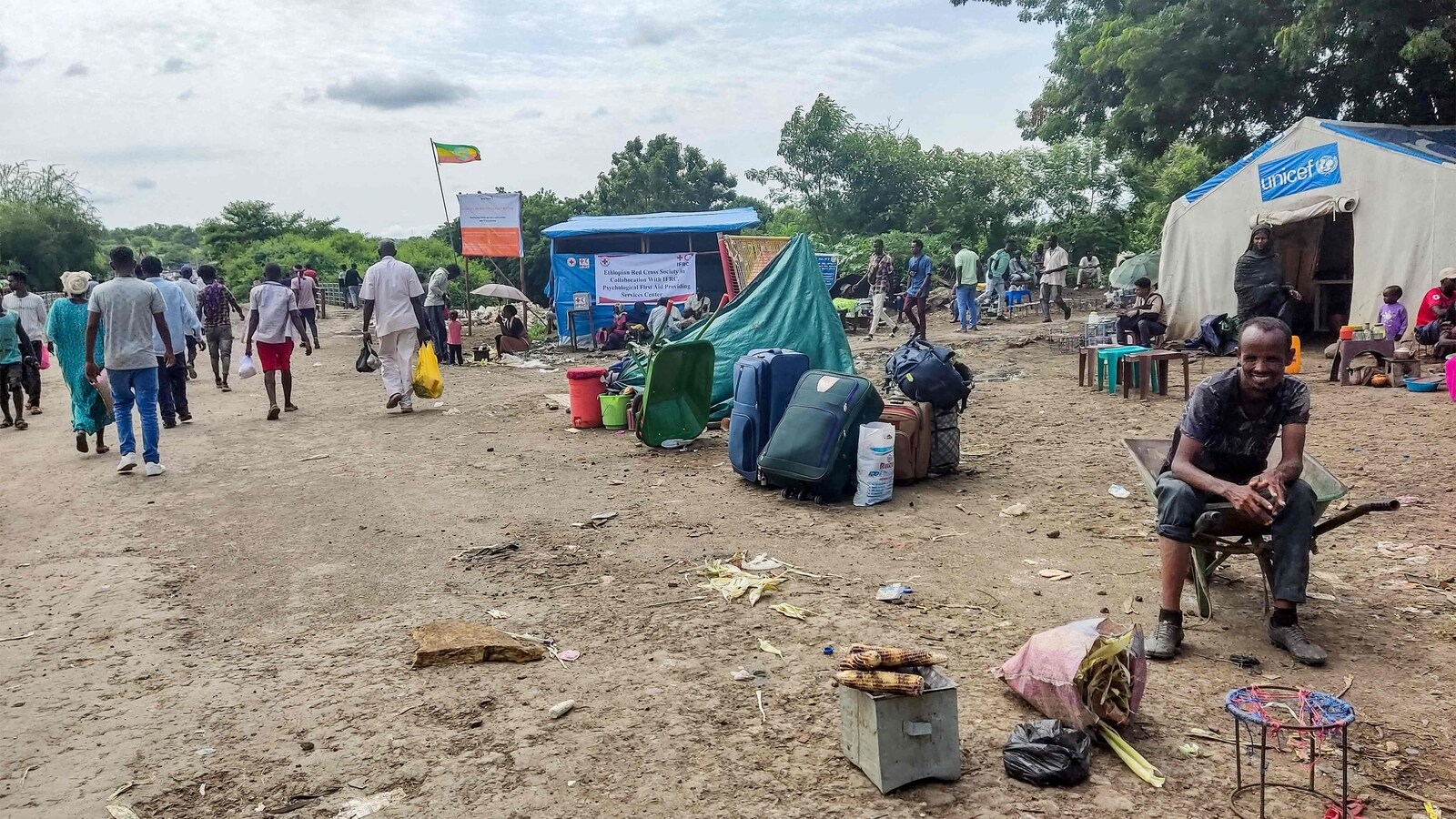
The Burkinabe government has expressed regret over the deportation of 164 of its citizens, who recently sought refuge in Ivory Coast. This comes amid ongoing efforts to accommodate the 60,000 Burkinabe who have fled instability in their homeland since 2021. Many of these refugees are hosted by local families, while others are housed in government-established reception centers. On July 13, 2024, a group of 173 Burkinabe, predominantly women, children, and about fifty men, arrived in Ouangolodougou, Ivory Coast. Seven members of the group reported to local authorities to register their livestock. However, three days later, 164 of the refugees were deported back to Burkina Faso without any official explanation. Local sources suggest the deportations were due to the refugees’ failure to register with authorities and concerns over potential migratory influxes and security infiltrations. Jean Emmanuel Ouédraogo, spokesperson for the Burkinabe government, condemned the deportations as a violation of humanitarian principles during a Council of Ministers meeting on Wednesday. In response, Burkina Faso’s Minister of Humanitarian Action visited Niangoloko to provide support and supplies to the affected individuals. The Ivorian government insists that the deportation was an isolated incident and reaffirmed its ongoing commitment to assisting asylum seekers, a practice it has maintained for nearly three years.

Protests erupt in Tunisia, Morocco against Israeli attacks on Gaza
Demonstrations against Israel’s attacks on the Gaza Strip took place Friday in Tunisia and Morocco, drawing thousands of protesters. In the Tunisian capital of Tunis, protesters gathered on Habib Bourguiba Avenue for a Solidarity with Palestine march. Demonstrators carrying Palestinian and Tunisian flags, chanted slogans such as “Freedom for Palestine” and “The hypocritical world has set Gaza and Palestine on fire.” Human rights activist Said Buacle, who participated, told Anadolu that protesters have been holding support demonstrations for Gaza for 37 weeks and plan to continue. Similar demonstrations were held in cities across Morocco, including Rabat, Fez, Meknes, Tangier, Kenitra, Nador, Ahfir, Taroudant and Agadir. Thousands took part to demand that Israel stop its attacks on Gaza and allow humanitarian aid into the enclave. Israel, flouting a UN Security Council resolution demanding an immediate cease-fire, has faced international condemnation amid its continued brutal offensive on Gaza since an Oct. 7 attack by the Palestinian resistance group, Hamas. More than 38,800 Palestinians have since been killed, mostly women and children, and nearly 89,400 injured, according to local health authorities. Over nine months into the Israeli onslaught, vast tracts of Gaza lie in ruins amid a crippling blockade of food, clean water and medicine.
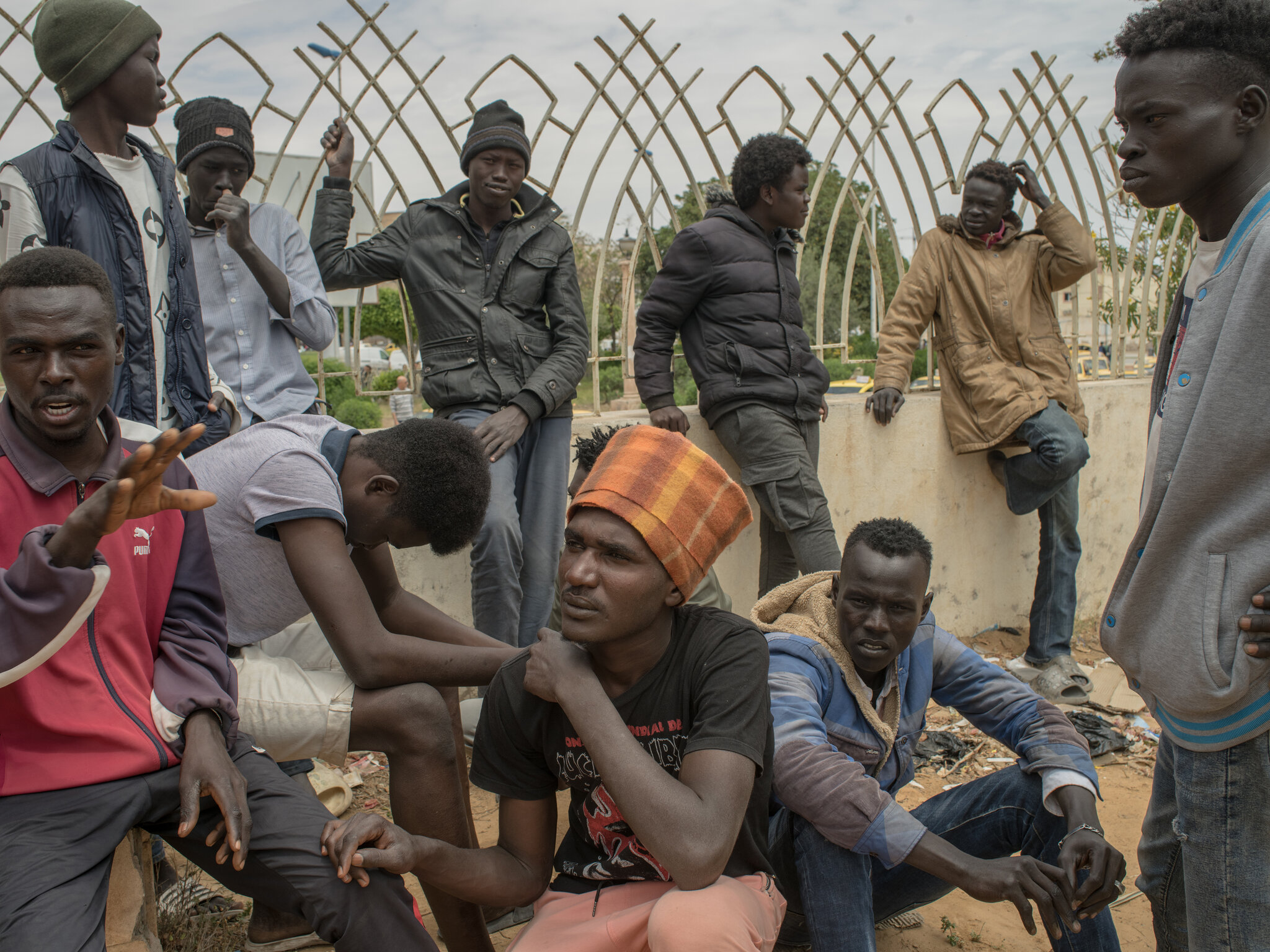
110 irregular migrants caught in western Libya
Security Forces Capture 110 Irregular Migrants in Libya’s Western Hamada el-Hamra Desert Security forces in Libya have apprehended 110 irregular migrants from various African countries in the Hamada el-Hamra desert region in the west, according to a statement from the Border Security Unit under the Ministry of Interior. The statement reported that patrol teams from the Border Security Unit detected a group of irregular migrants scattered across the terrain in the Hamada el-Hamra desert region. It was noted that the 110 irregular migrants, originating from several African countries, underwent health screenings and were subsequently handed over to relevant authorities for legal proceedings. Libyan authorities had previously collaborated with the International Organization for Migration (IOM) to deport 174 irregular migrants from Nigeria on June 25. Libya is recognized as a departure point for irregular migrants attempting to reach Europe via illegal routes across the Mediterranean Sea.

Namibia denies visa extension to Ugandan king
Namibia denied a visa extension, citing threats to diplomatic staff. Discover the reasons behind the dispute.
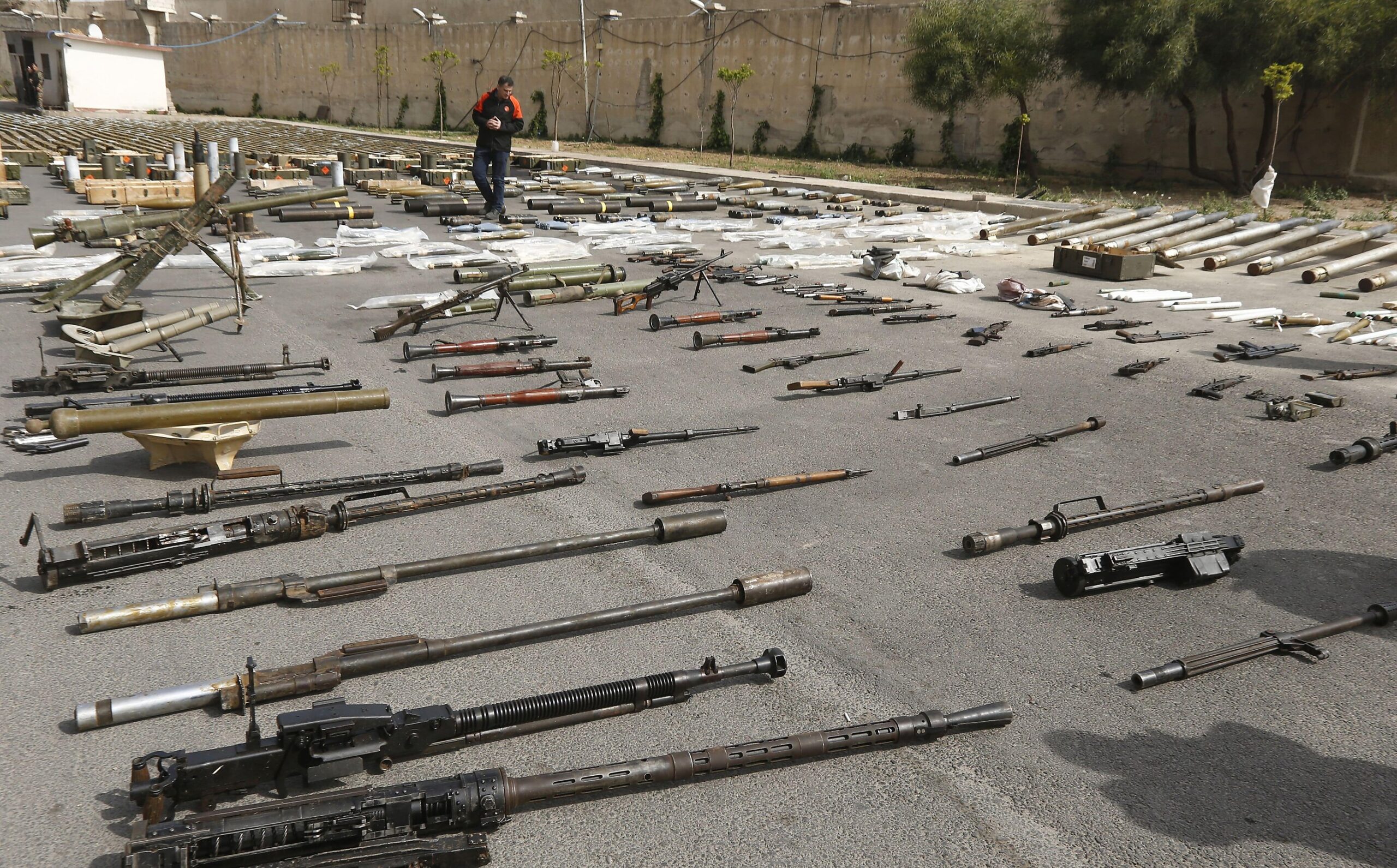
South African court blocks arms sales to Myanmar
The decision applies to Myanmar and potentially other countries accused of coups, war crimes, or genocide.
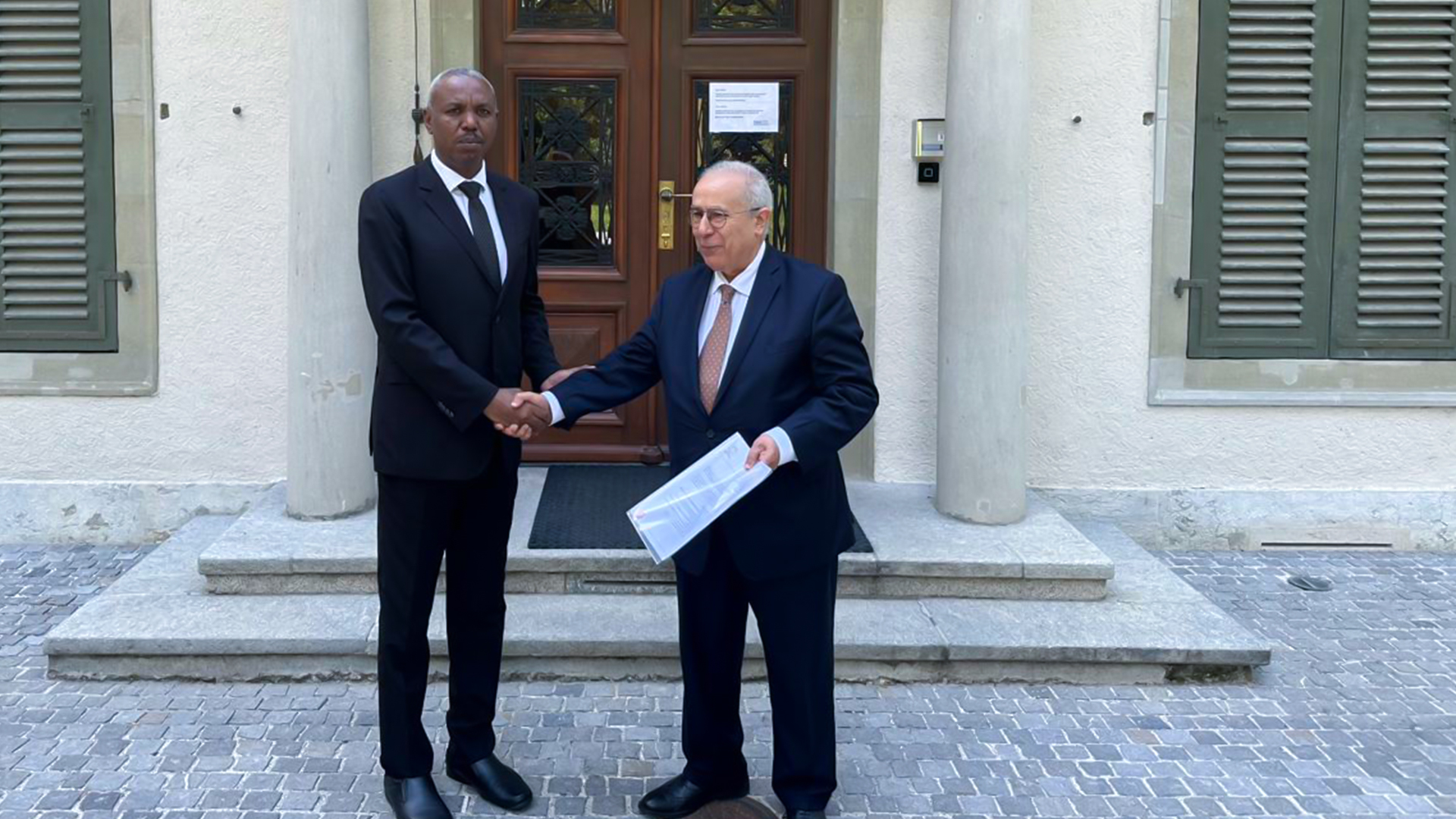
RSF says talks with UN in Switzerland’s Geneva successfully concludes
The Geneva talks, held from July 11 to July 19, initially faced a setback when General al-Burhan boycotted the event.

DR Congo province suspends mining activities
The decision aims to restore order and improve control over mineral production.
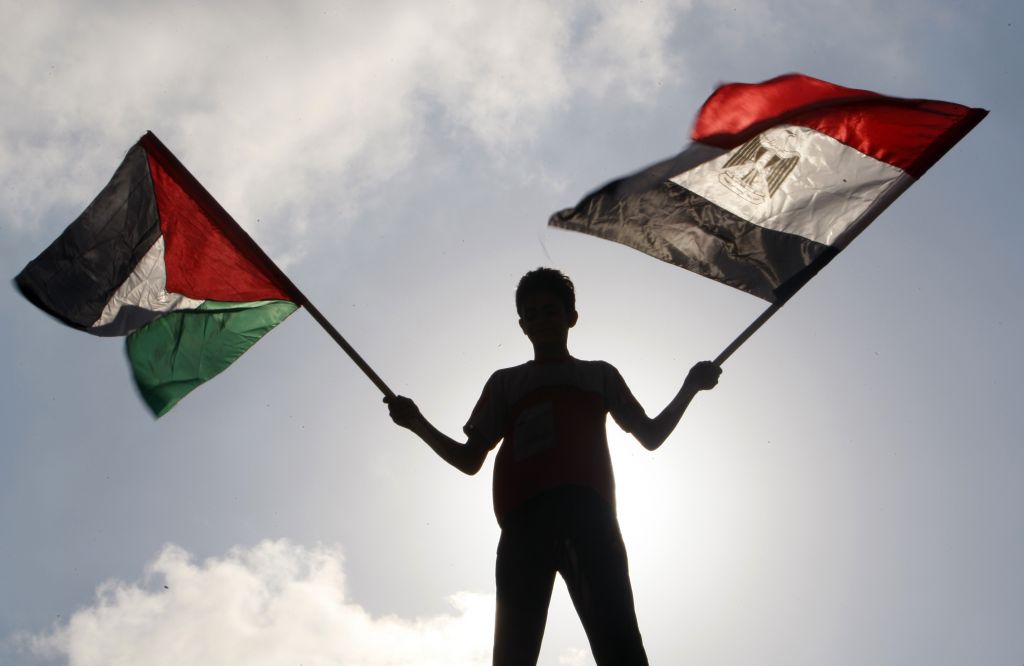
Egypt, Kuwait back ICJ on Palestinian self-determination
The ICJ demands Israel evacuate settlements and end its occupation of Palestinian territories.

Nigeria fines Meta $220 million for data violations
A $220 million fine follows accusations of data exploitation and privacy violations on Facebook and WhatsApp.

Algeria detains Hirak activists, citing terrorism law
Eight Algerian pro-democracy activists from the Hirak movement are detained, raising concerns about the government’s crackdown on dissent.

Kenya warns Ford Foundation over deadly anti-gov’t protests
East African country’s government questions funding to groups linked to violent demonstrations that have left at least 50 dead

Kenyan court lifts protest ban amid rising death toll
The protests, ignited by economic hardships and political grievances, have gripped the nation for weeks.
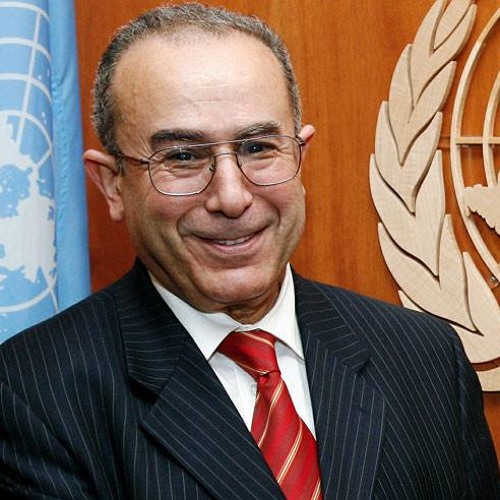
Sudan’s warring parties end Geneva talks
Sudan plunged into conflict in mid-April 2023, when longstanding tensions between military leaders erupted in Khartoum and spread to other regions, including Darfur
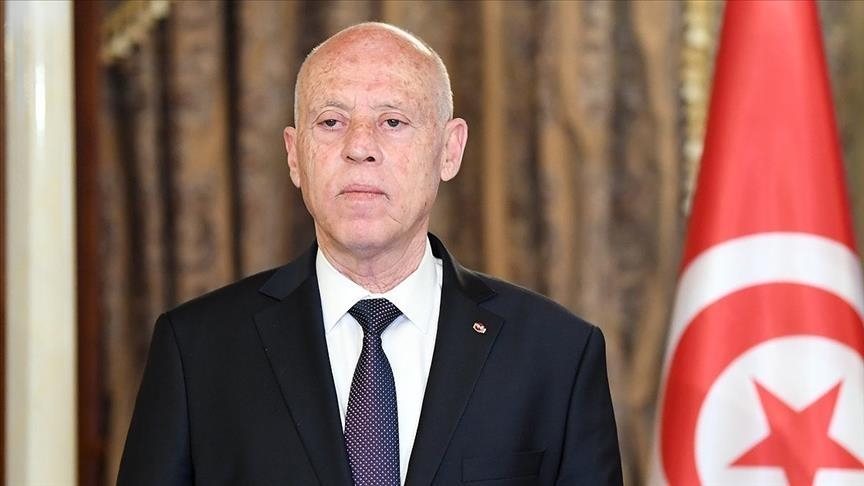
Tunisia’s Kais Saied announces bid for new five-year term
President Kais Saied aims for re-election in the October presidential race, announcing his candidacy amidst significant political challenges and a controversial crackdown on rivals.

President Ruto unveils partial new cabinet amid protests
In response to recent deadly protests, President Ruto named 11 new ministers and began forming a new cabinet aimed at creating an inclusive citizen coalition for national transformation.
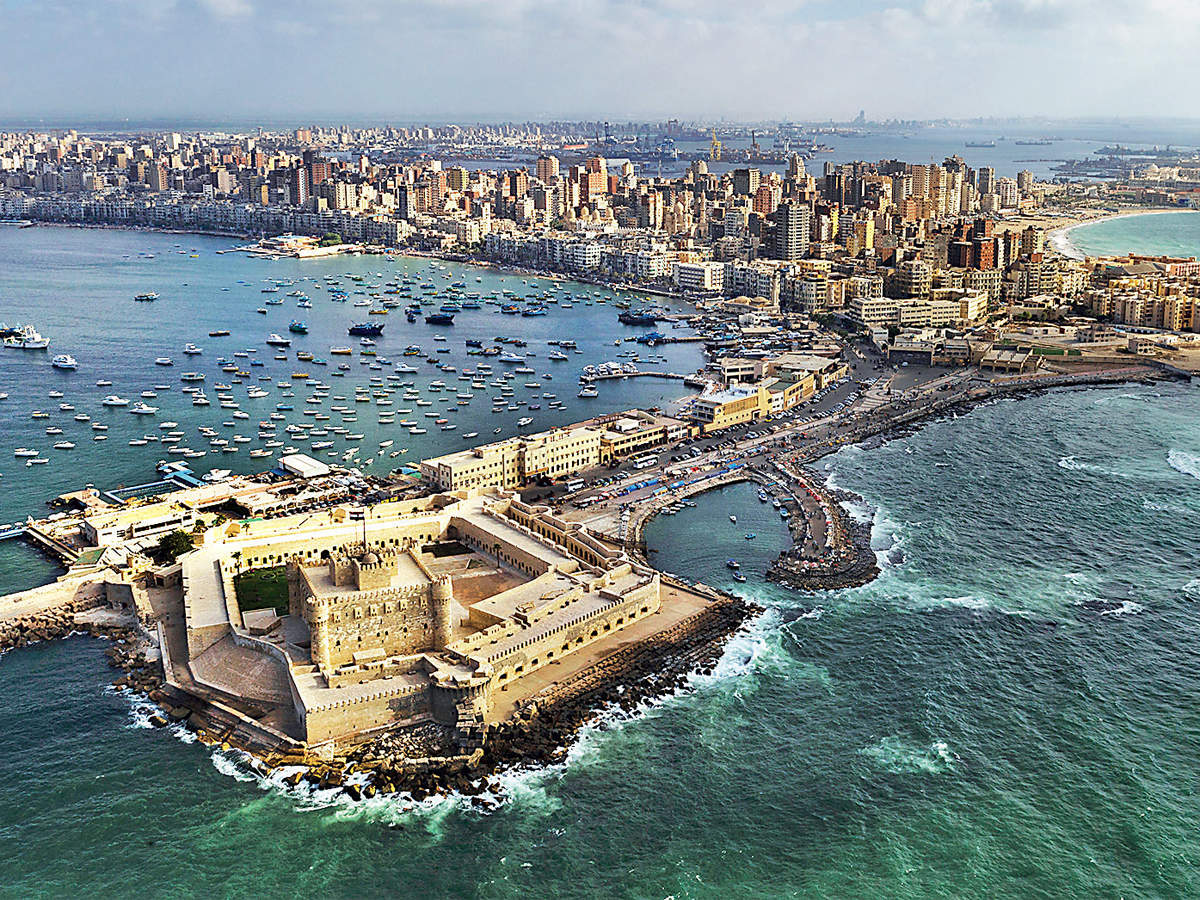
North Africa’s Mediterranean coastline: A treasure trove
North Africa boasts an extensive and stunning coastline along the Mediterranean Sea
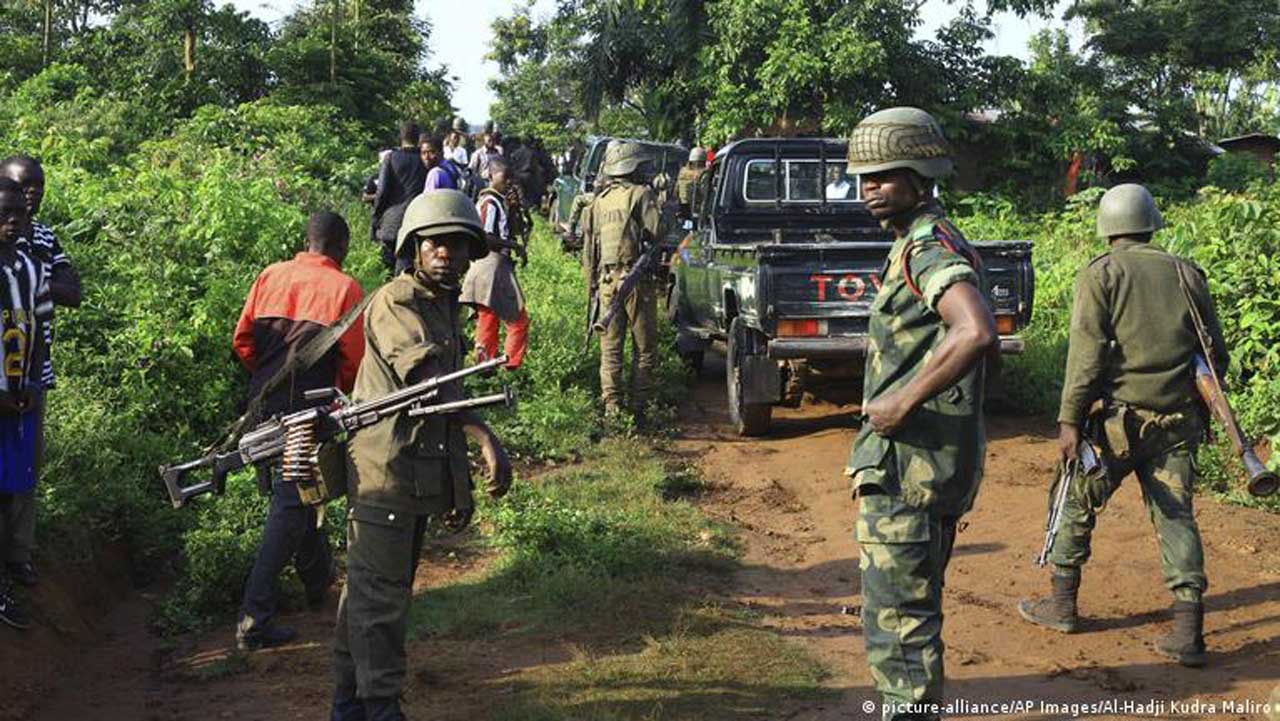
Ceasefire in DR Congo extended by 2 weeks
In the Democratic Republic of Congo (DRC), the ceasefire agreed upon between the army and armed groups on July 5th has been extended by 2 weeks. According to local reports, following mediation talks held in the United States, conflicting parties in the DRC have agreed to extend the ceasefire. Under this decision, which aims to allow displaced people to return home, the ceasefire declared on July 5th has been prolonged for an additional 2 weeks. Adrienne Watson, spokesperson for the White House National Security Council, expressed satisfaction with the ceasefire decision. Human rights advocates highlight that the conflicts intensified in the eastern part of the country have led to numerous human rights violations, including murder, arrests, and sexual abuse targeting women and children. The renewed attacks by the M23 Movement in eastern DRC since November 2021 have displaced thousands of civilians in the region and sparked a crisis between Rwanda and the DRC. The DRC has accused Rwanda of attempting to occupy its mineral-rich territories, including gold, coltan, and cobalt, for its own interests, as well as supporting M23 rebels. Rwanda denies these allegations.
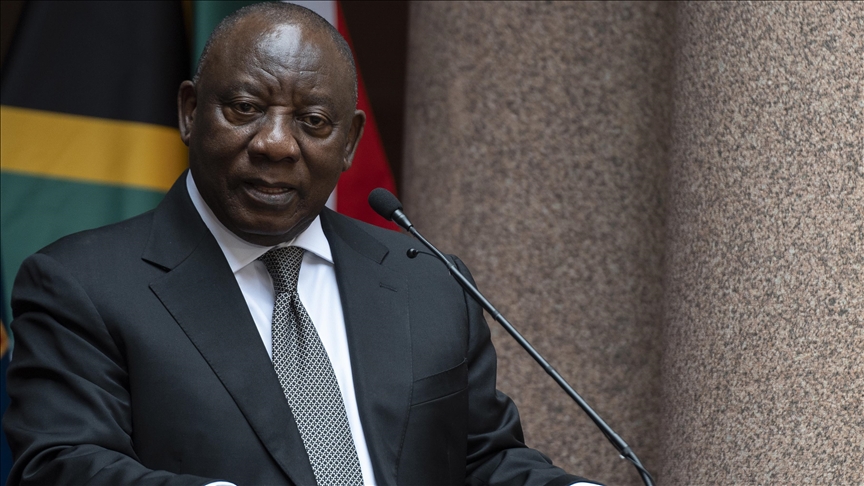
South Africa’s new government focuses on inclusive economic growth
President Cyril Ramaphosa said late Thursday that South Africa’s new Government of National Unity (GNU) will prioritize inclusive growth, job creation and the reduction of poverty. “We have decided to place inclusive economic growth at the center of the work of the Government of National Unity and at the top of the national agenda,” he said at the opening of the Seventh Parliament in Cape Town. Ramaphosa’s address on Thursday is historic because it coincides with former President Nelson Mandela’s birthday and it is when he presided over a GNU in 1994 during the first democratic government. “Our experience over the past 30 years has shown that when our economy grows, jobs are created. When our economy contracts there is no job creation and jobs are lost,” said Ramaphosa. He said the GNU will pursue every action that contributes to sustainable, rapid economic growth and remove every obstacle that stands in the way of growth. Ramaphosa said the government is determined that growth must be inclusive, transformational and drive the redistribution of wealth and opportunity. “It must support the empowerment of black South Africans and women, and all those who in the past had been relegated to the fringes of the economy,” he said. Ramaphosa explained that the move is part of the constitutional imperative to redress the imbalances of the past caused by apartheid and deal with the slow process of development. “Inclusive growth demands that we affirm the position of women and youth in the economy. Requires that we remove the social, economic, cultural and other barriers to the full participation of persons with disabilities and other vulnerable groups in the economy,” he added. South Africa held national and provincial elections on May 29 where Ramaphosa’s African National Congress party (ANC), which ruled South Africa without a coalition for the last three decades, lost its majority. The ANC reached a deal with nine parties to form the GNU, and Ramaphosa appointed partner members to his Cabinet as ministers and deputy ministers.
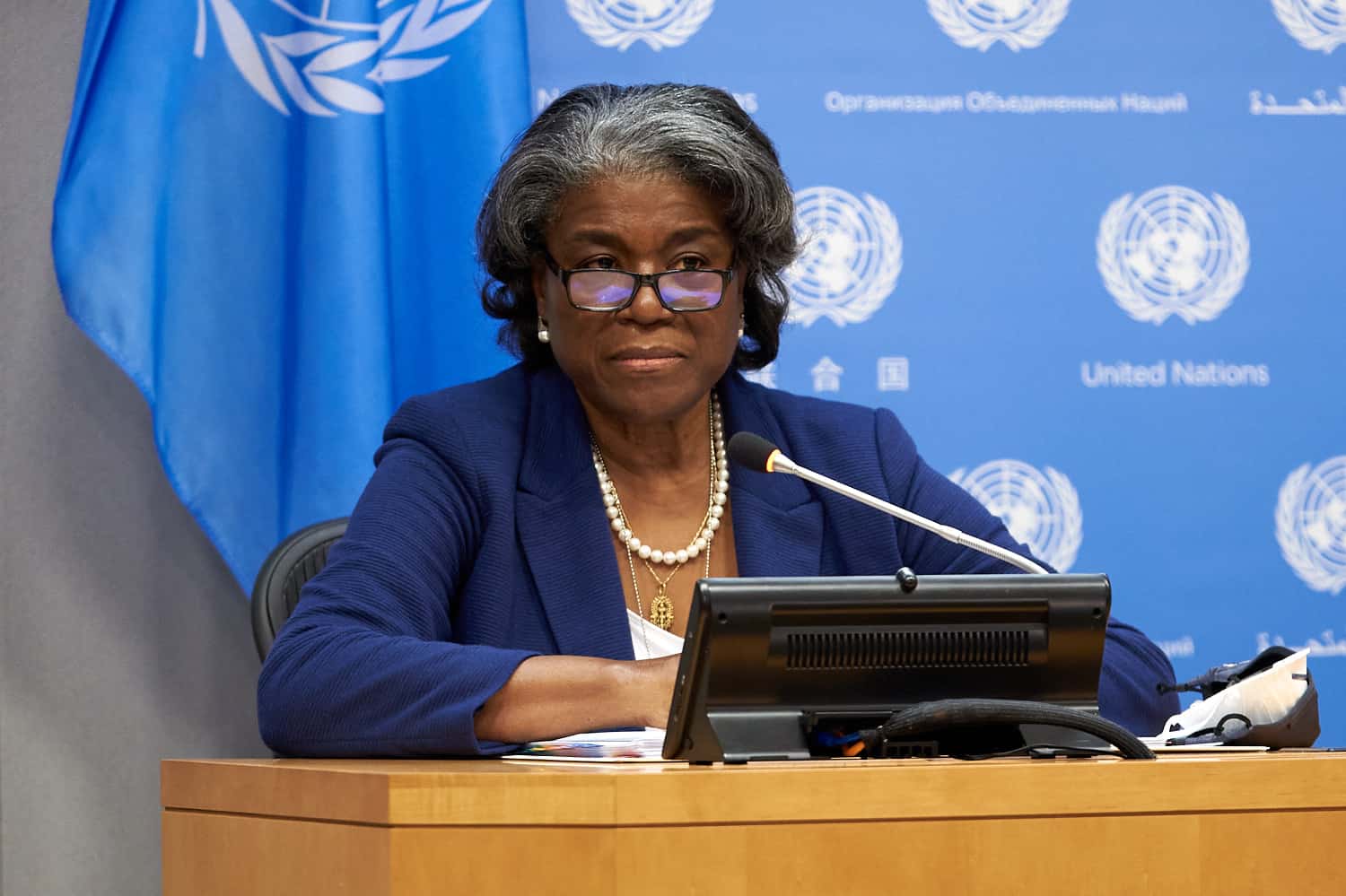
U.S. Pledges $203M to prevent Sudan crisis spillover in region
U.N. ambassador Linda Thomas-Greenfield said the U.S. is pledging $203M in the hopes of averting the crisis in Sudan to spill over into the region. Close to 9 million people have fled their homes, according to the United Nations, and more than 1 million have left the country. Thousands have been killed in a conflict overshadowed by the ones in Gaza and Ukraine. “We hope this new round of aid serves as a call to action for others to follow. Partners will use this funding to build new shelter for refugees or provide cash assistance so that they can pay rent, and it will help children whose lives have been upended by conflict return to school,” among other things, Thomas-Greenfield told reporters in New York on Thursday. “Three quarters of a million people, women and children, the very old and very young, facing famine, starvation, IPC five level conditions. People are eating dirt to survive, relying on tree leaves for nutrition,” she also said. The war in Sudan began a little over a year ago causing tens of thousands to flee into neighboring Chad in search of safety. The U.N. says it has asked for $2.7 billion in funding to respond to humanitarian needs but has received $155 million — or 6%. “My call is for those who have influence on the warring parties to press them, to urge them to come to the table, because until they come to the table, the people of Sudan will continue to suffer. There is no military solution to this situation,” the ambassador also said.
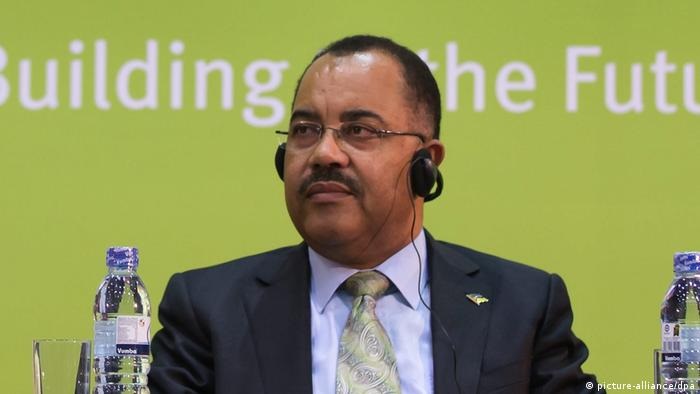
Mozambique: former finance minister on trial in US
Former Mozambique finance minister Manuel Chang has begun trial in the US for his alleged involvement in the “tuna bond” scandal, revealed in 2016. Chang, who served as finance minister from 2005 to 2015, faces charges of accepting bribes to secure large loans for Mozambique, which prosecutors claim were subsequently embezzled. The loans were originally intended to fund a fleet of tuna fishing vessels but instead contributed to a financial crisis when Mozambique’s hidden debt of $2 billion was exposed. Prosecutors allege that substantial portions of the loans were diverted to bribes and kickbacks, including $7 million to Chang himself. During opening statements in a federal court in Brooklyn, Assistant U.S. Attorney Peter Cooch accused Chang of abusing his authority for personal gain through bribery, fraud, and money laundering. Chang has pleaded not guilty, with his defense arguing there is no evidence he accepted payoffs in exchange for guaranteeing the loan repayments on behalf of Mozambique. The scandal severely impacted Mozambique’s economy, leading to stagnation in growth, currency depreciation, inflation, and reduced investor confidence. Mozambique has since reached settlements with creditors, including payments to Credit Suisse and agreements with VTB Bank and BCP Bank. Chang’s extradition to the US followed legal battles in South Africa, where he was arrested in 2018. Despite attempts by his defense to dismiss the case, arguing legal immunity and jurisdictional overreach, these arguments were rejected by U.S. District Judge Nicholas Garaufis.

UAE leader, Al Burhan discuss urgent issues amid Sudan crisis
UAE president Sheikh Mohammed confirmed UAE’s support for ending Sudan’s crisis in a call with army chief Al Burhan.
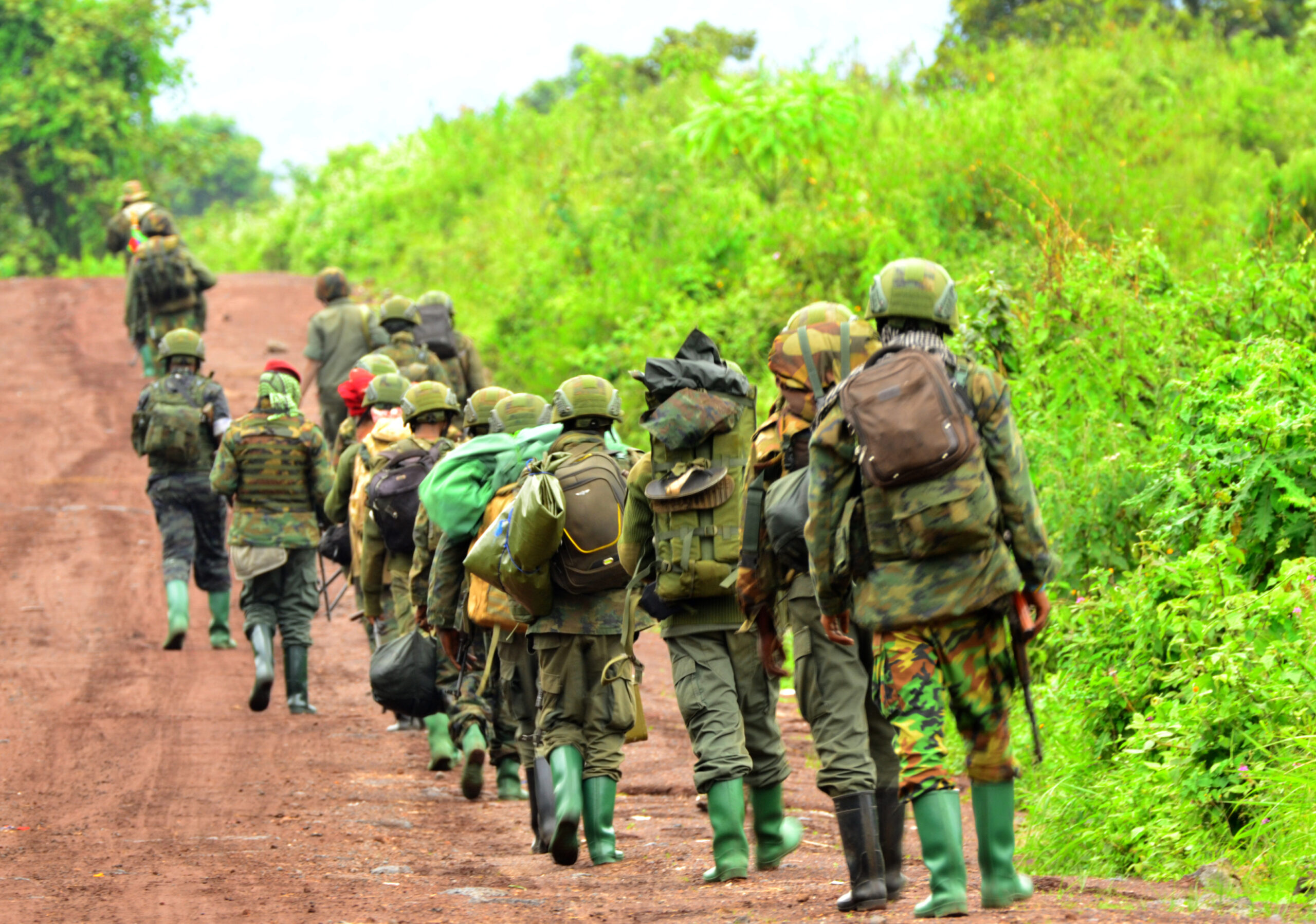
M23 rebels, DRC observe uneasy truce in east
A 15-day truce extension offers a glimmer of hope, but both sides reportedly prepare for renewed conflict.
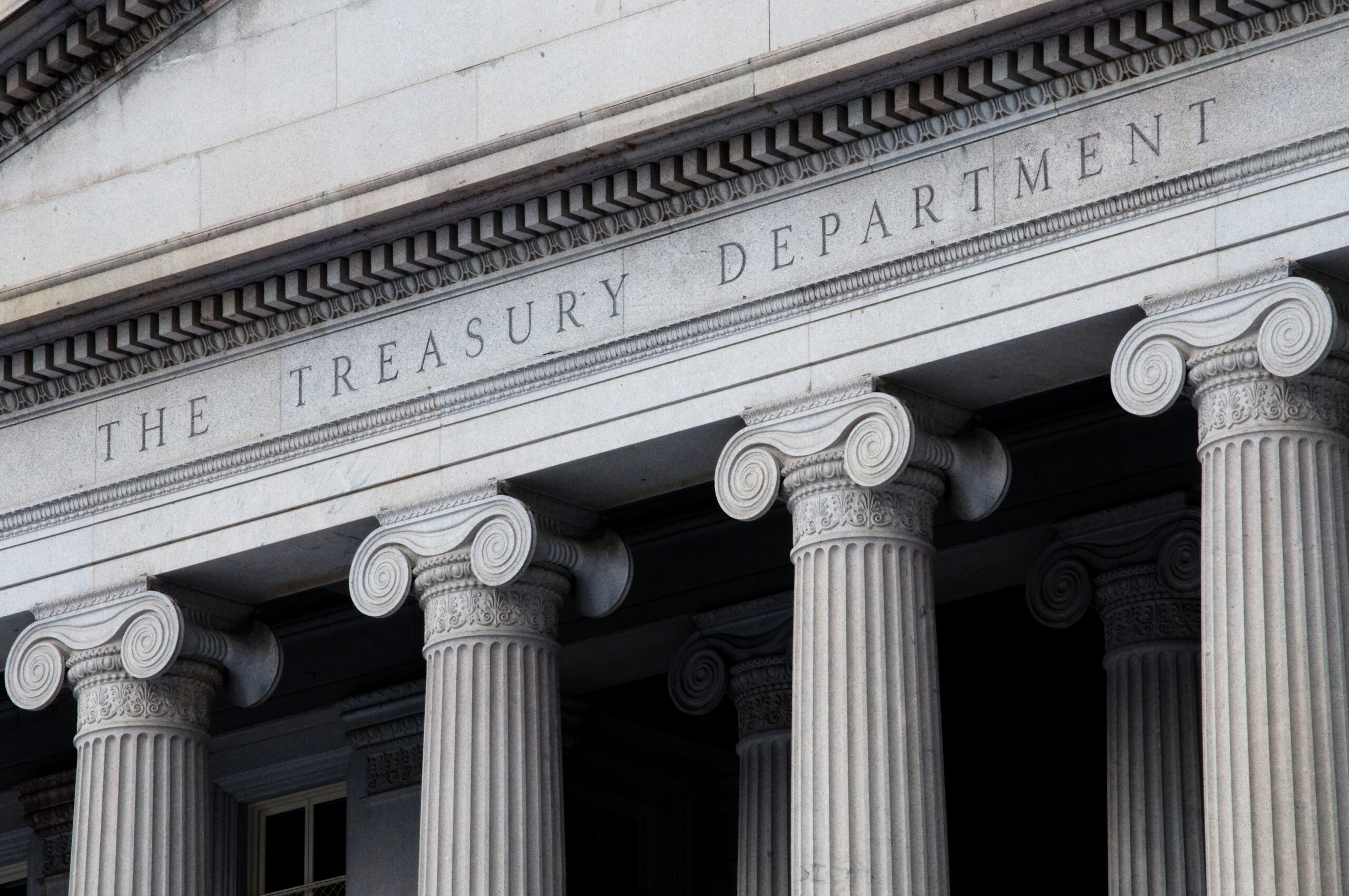
US sanctions Sierra Leonean migrant smuggler
Thousands of migrants from Asia and Africa allegedly smuggled into the U.S. by a network led by a Sierra Leonean man.
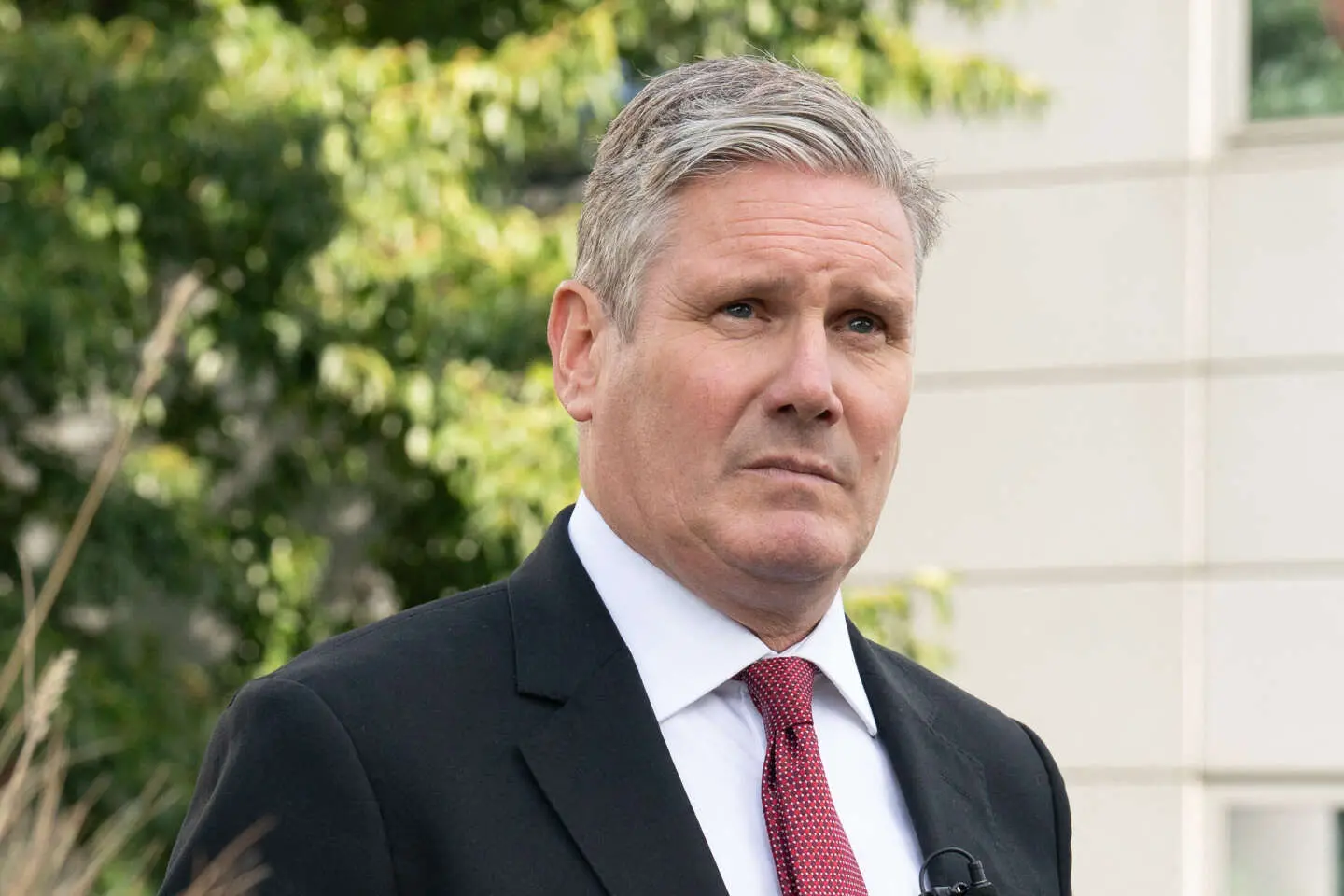
UK announces $109M Africa aid for migration crisis
Prime Minister Keir Starmer unveiled a nearly $109 million fund for humanitarian and development projects in Africa and the Middle East.