



West African nations write to UN over Ukraine’s Sahel role
The military juntas of Burkina Faso, Mali, and Niger have turned their backs on traditional Western allies in favor of Russia.

Congo mpox cases surge, Africa seeks urgent vaccine support
The global response to mpox is facing criticism as Africa struggles to access vaccines and treatments, while the virus continues to spread rapidly across the continent.

Africa embraces renewable energy for sustainable progress
In a move toward sustainable development, African countries are embracing renewable energy

Malawi: Rescue intensifies after plane crash
Rescue efforts have intensified after a privately owned plane with two Dutch nationals on board crashed into the waters of Lake Malawi on Tuesday afternoon. The aircraft belonging to a Zimbabwean company, Nyasa Express, also had a Zimbabwean pilot. A Dutch female passenger was rescued by a group of fishermen and is currently in hospital being treated for minor injuries. Moses Kunkuyu, Malawi’s minister of information and digitization, told Anadolu on Wednesday that the government has intensified efforts to locate the two missing persons – a Dutch passenger and the Zimbabwean pilot. “We are very optimistic that at the end of Wednesday, we should be able to succeed in our efforts,” he said. The C2110 aircraft had taken off from the lakeshore district of Nkhotakota en route to eastern Malawi and crashed 45 minutes before landing. “Rescue efforts are getting there to push the plane ashore. It’s currently spotted underwater close to the shore,” Kunkuyu said. On June 10, an aircraft crash killed Saulosi Klaus Chilima, Malawi’s vice president, and eight others. Investigations are underway to establish the cause of the crash.

Blinken arrives in Qatar for Gaza cease-fire talks
US Secretary of State Antony Blinken arrived in the Qatari capital Doha on Tuesday evening after coming from Egypt as part of ongoing consultations aimed at achieving a cease-fire in Gaza. Egypt is expected to host a new round of talks before the end of the week focusing on prisoner exchanges and halting the conflict. Blinken’s visit comes following indirect negotiations between Israel and the Palestinian resistance group Hamas which took place in Doha on Aug.15 and 16. The discussions are set to continue in Cairo. Hamas has rejected recent claims by US President Joe Biden that the group “backed away” from a cease-fire agreement, asserting its commitment to ending the conflict. The Qatar-based Al Jazeera channel reported that Blinken arrived in Doha, with footage of his arrival broadcast. The network did not provide details on the duration or agenda of his visit, which is part of his ninth regional tour since the conflict in Gaza began last October. On Tuesday, Blinken discussed the progress of Gaza negotiations with Egyptian President Abdel Fattah al-Sisi, according to a statement from the Egyptian presidency. The meeting followed Blinken’s arrival in the new city of El Alamein, located northwest of Cairo, after visiting Israel. On the same day, Hamas dismissed Biden’s recent comments about the group’s alleged withdrawal from a cease-fire agreement as “misleading claims,” reaffirming its commitment to ending the conflict. The Israeli public broadcaster KAN later cited unnamed sources from the Israeli negotiating team who claimed that Prime Minister Benjamin Netanyahu is attempting to “blow up” the negotiations and obstruct reaching a deal with Hamas. On Sunday, Netanyahu reiterated his commitment to maintaining military control over the Philadelphi Corridor along the Gaza-Egypt border, while Israeli opposition leader Yair Lapid accused him of stalling and undermining the negotiations. For months, the US, Qatar and Egypt have been trying to reach an agreement between Israel and Hamas to ensure a prisoner exchange and cease-fire and allow humanitarian aid to enter Gaza. But mediation efforts have been stalled due to Netanyahu’s refusal to meet Hamas’s demands to stop the war. Israel has continued its brutal offensive on the Gaza Strip following an attack by Hamas on Oct. 7, 2023. The conflict has resulted in over 40,170 Palestinian deaths, mostly women and children, and more than 92,740 injuries, according to local health authorities. The ongoing blockade of Gaza has led to severe shortages of food, clean water and medicine, leaving much of the region in ruins. Israel faces accusations of genocide at the International Court of Justice, which has ordered a halt to military operations in the southern city of Rafah, where over one million Palestinians had sought refuge before the area was invaded on May 6.

79,000 displaced as Omo river overflows in southern Ethiopia
About 79,000 people have been displaced in southern Ethiopia after heavy rains led to the overflow of the region’s Omo River across 34 districts, local media reported on Tuesday. Ato Tadele Hate, a local chief, told Sheger Radio that consecutive days of downpour wreaked havoc on agricultural fields and livestock, calling on the federal government and humanitarian organizations to provide urgent assistance. “This devastation is becoming a recurring issue,” lamented Hate. “The heavy rains last year caused similar problems, and now the current flooding has hit areas where people had already been relocated due to last year’s floods.” He also stressed the need for immediate measures to divert the Omo River and prevent future overflows. Hate expressed concern for the city of Omorate, which is located on the bank of the Omo River and faces high risk of being severely impacted by the flooding. “Unless urgent action is taken, we fear that Omorate, home to thousands, might be completely wiped out by the floods,” he warned. Southern Ethiopia is particularly vulnerable in the rainy season to frequent and severe landslides and flooding. Tilahun Bishaw, the local head of the Ethiopian Red Cross Association, indicated that the rains are expected to continue and the situation to worsen unless immediate action is taken.

A $12 billion oil hub will be built in Ghana
Batı Afrika ülkesi Gana’da, petrol ve gaz sektörü için devrim niteliğindeki 12 milyar dolarlık petrol merkezinin inşası başladı. Ulusal basındaki haberlere göre, ülkenin Western vilayetinin Jomorow bölgesinde inşa edilecek petrol merkezinin temel atma törenine, Gana Cumhurbaşkanı Nana Akufo-Addo ve Enerjiden Sorumlu Devlet Bakanı Herbet Krappa’nın yanı sıra çok sayıda davetli katıldı. Akufo-Addo, burada yaptığı konuşmada, projenin çeşitlendirilmiş, verimli ve mali açıdan sürdürülebilir bir enerji sağlama vizyonuyla uyumlu olduğunu belirtti. Projenin ülkenin kalkınmasına yardımcı olacağını vurgulayan Akufo-Addo, “Afrika’da ham petrol ve petrol ürünleri fiyatlandırması için ölçüt olacak bir tesis öngörüyoruz.” ifadesini kullandı. Akufo-Addo, 12 milyar dolarlık petrol merkezi projesinin yaklaşık 780 bin doğrudan ve dolaylı istihdam yaratmasının beklendiğine dikkati çekti. Enerjiden Sorumlu Devlet Bakanı Krappa da petrol merkezinin Gana’yı küresel enerji ekosisteminde yeniden konumlandıracağını, ihracatı kolaylaştıracağını ve böylece gelir yaratacağını belirtti. Krappa, merkezin Gana’nın enerji ihtiyacını sürdürülebilir şekilde karşılayacağını kaydetti. Ülkede inşa edilecek petrol merkezi, günde 300 bin varillik bir rafineri, bir petrokimya tesisi ve kapsamlı depolama ve liman tesislerini içerecek. Dünyanın en büyük ikinci kakao üreticisi olan Gana’da 2010’da petrol keşfedilmişti. Gana’da halihazırda günlük 132 bin varil ham petrol ve yaklaşık 325 milyon standart fit küp doğal gaz üretiliyor.

Four soldiers were killed in a terrorist attack in Nigeria
It was reported that four soldiers were killed in a terrorist attack in Sokoto State, Nigeria. In a written statement, Edward Buba, Director of Media Operations at the Nigerian Ministry of Defense, stated that terrorists ambushed a military unit near the Niger border, close to the Bachaka Kurya Forest in Sokoto State. Buba noted that four soldiers lost their lives in the attack. Following the assault, Buba reported that a significant number of terrorists were killed in the ensuing clash with the soldiers. “Important ammunition belonging to the terrorists was seized. The remaining terrorists fled to Niger,” he added.

Burkina Faso, Mali, Niger accuse Ukraine of supporting terrorism in Sahel
Burkina Faso, Mali and Niger petitioned the president of the UN Security Council on Tuesday to denounce the Ukrainian government’s “open and assumed support for international terrorism” particularly in Africa’s Sahel region. The move follows recent comments by Ukrainian officials suggesting that Kyiv had played a role in attacks by Tuareg separatist rebels that caused the deaths of many Malian soldiers last month in the northeastern village of Tinzawaten on the border with Algeria. In a joint letter, the three countries’ foreign ministers said their governments were shocked by the comments of Andriy Yusov, a spokesman for Ukrainian military intelligence, “admitting Ukraine’s role in the cowardly, barbaric and criminal attacks” between July 24 and 26. It added that the remarks were confirmed by Yurii Pyvovarov, Ukraine’s ambassador to Senegal. Yusov said the rebels received “the necessary information they needed” to conduct the attacks after Malian army allies of Russia’s Wagner Group confirmed “losses” in the clashes. The letter called on the Security Council to “take appropriate measures against these subversive actions which strengthen terrorist groups in Africa.” It said the official’s comments go beyond the scope of foreign interference, which is condemnable itself. “This is official and unequivocal support by the Ukrainian government for terrorism in Africa, particularly in the Sahel. These acts also constitute a violation of the sovereignty and territorial integrity of our States, a clear aggression and support for international terrorism, in flagrant violation of the Charter of the United Nations and the relevant international conventions,” the letter says in part. The three countries, ruled by military juntas, have signed a defense pact under their formation called the Confederation of Sahel States. The Tinzawaten area has been a battleground between separatist forces and the Malian army over the past decade. Mali and Niger earlier this month severed diplomatic relations with Ukraine, citing comments by the Ukrainian military official suggesting that Kyiv played a role in the July attacks.

US pushes for progress in Sudan peace talks while aid routes open
US Secretary of State Antony Blinken expressed hope that a humanitarian agreement in Sudan could pave the way for a broader peace deal to end the ongoing war.

Deadly boat crash in Congo leaves 20 dead, hundreds missing
The overloaded boat crashed into a sunken barge while navigating at night. Rescue efforts are ongoing.
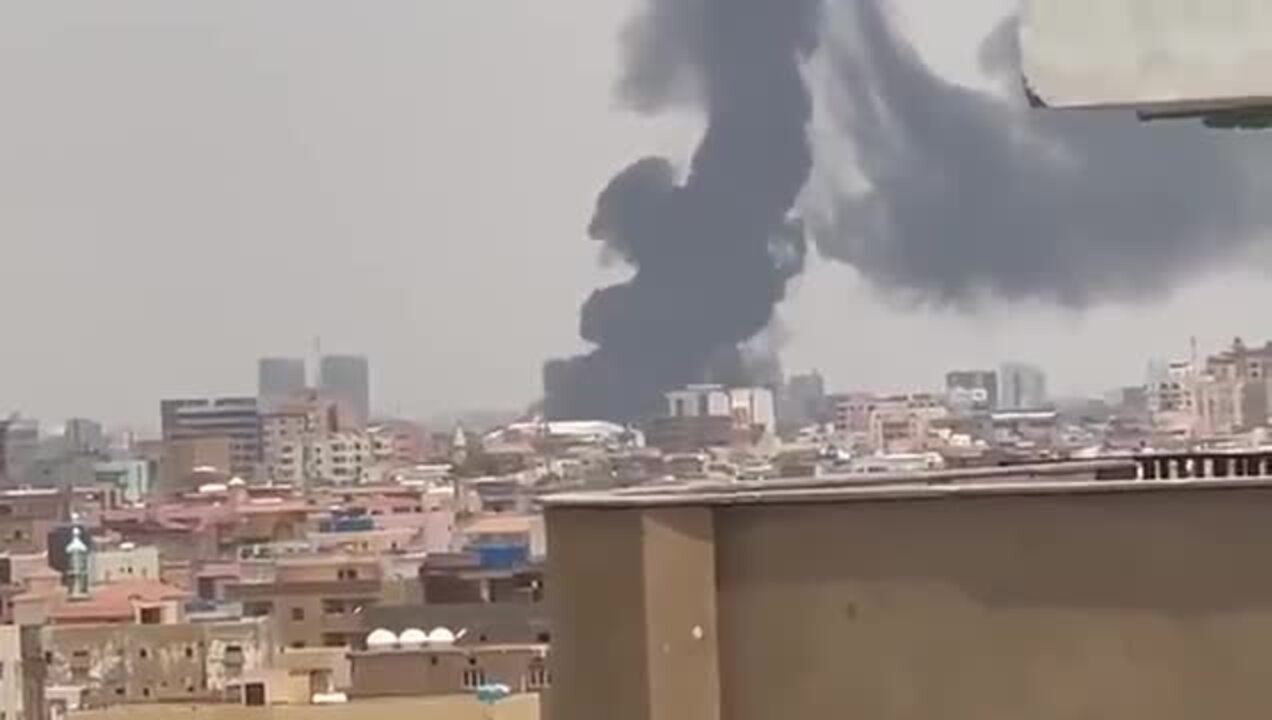
RSF blames Burhan-controlled SAF for absence in Geneva talks
The RSF calls for humanitarian aid and condemns Burhan-controlled SAF for targeting civilian infrastructure.

Amnesty: Repression in Burundi persists under current president
Despite early optimism for change, burundi’s president has continued to target human rights defenders journalists and opposition members through intimidation harassment.

Heavy rains displace thousands in southern Ethiopia
The Omo River has breached its banks, inundating numerous districts in southern Ethiopia and causing significant damage to agriculture and livelihoods.

RSF accuses Islamist militias, SAF of brutal massacres in Darfur
In the Tawisha locality of North Darfur, residential areas were devastated, with entire families reportedly killed in the strikes

Umma Party criticizes SAF’s decision to skip Geneva Peace Talks
The Umma Party also criticized the SAF for undermining the importance of the Geneva talks, which are backed by key international actors including the United Nations, the African Union, and Egypt

Kenya’s Supreme Court upholds controversial tax hike
Apex court clears path for Finance Act 2023, sparking public outrage, concerns over rising costs
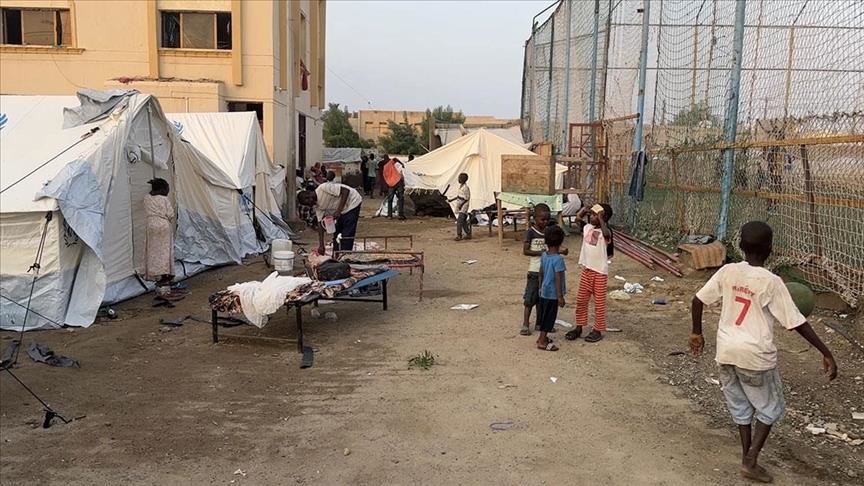
UAE boosts humanitarian aid to Sudan amid conflict
The conflict has caused a devastating humanitarian crisis, and clashes have killed nearly 16,000 people and displaced millions

US’ Blinken arrives in Egypt to discuss Gaza cease-fire efforts
US Secretary of State Antony Blinken arrived in Egypt on Tuesday to discuss efforts aimed at reaching a cease-fire in Gaza and a prisoner swap between Israel and the Palestinian group Hamas. According to the local website Qahera News, Blinken arrived in the town of El-Alamein, northern Egypt, where he will hold meetings with top Egyptian officials. Blinken will meet separately with President Abdel Fattah al-Sisi, Foreign Minister Badr Abdelatty, and intelligence chief Abbas Kamel. Later in the day, he will travel to Qatar to meet top Qatari officials to continue talks on Gaza cease-fire efforts. This is Blinken’s ninth Mideast tour since Oct. 7, which started with Israel where on Monday he met with Prime Minister Benjamin Netanyahu and other top Israeli officials.

Africa emerges as a global hub of innovation and entrepreneurship
Africa is rapidly establishing itself as a dynamic center of innovation and entrepreneurship

Kenyan serial killer who confessed to 42 murders escapes custody
Thirteen inmates, including Collins Jumaisi, the prime suspect in the gruesome murders of 42 women on Tuesday morning, escaped from a Nairobi police cell, authorities have confirmed. Speaking to local media, Kenya police spokesperson Resila Atieno Onyango confirmed the daring breakout occurred at the Gigiri Police Station in the Kenyan capital Nairobi. Jumaisi, who had confessed to killing 42 women, including his wife, had been awaiting trial for his heinous crimes, police said he escaped along with 12 other inmates and a massive manhunt involving various security agencies is currently underway. The director of criminal investigations, Mohamed Amin, confirmed the escape and stated, “It is very unfortunate, and our officers are pursuing the group.” Jumaisi, known for the Mukuru murders, where the bodies of his female victims were found in a water-filled quarry in Nairobi’s Embakasi area, missed his scheduled court appearance last Friday. This has intensified public outrage and raised concerns about the effectiveness of the justice and security systems. The apparent ease of the breakout from Gigiri Police Station, which is known for its high security due to its proximity to several embassies, has led to speculation about potential security breaches or collusion.
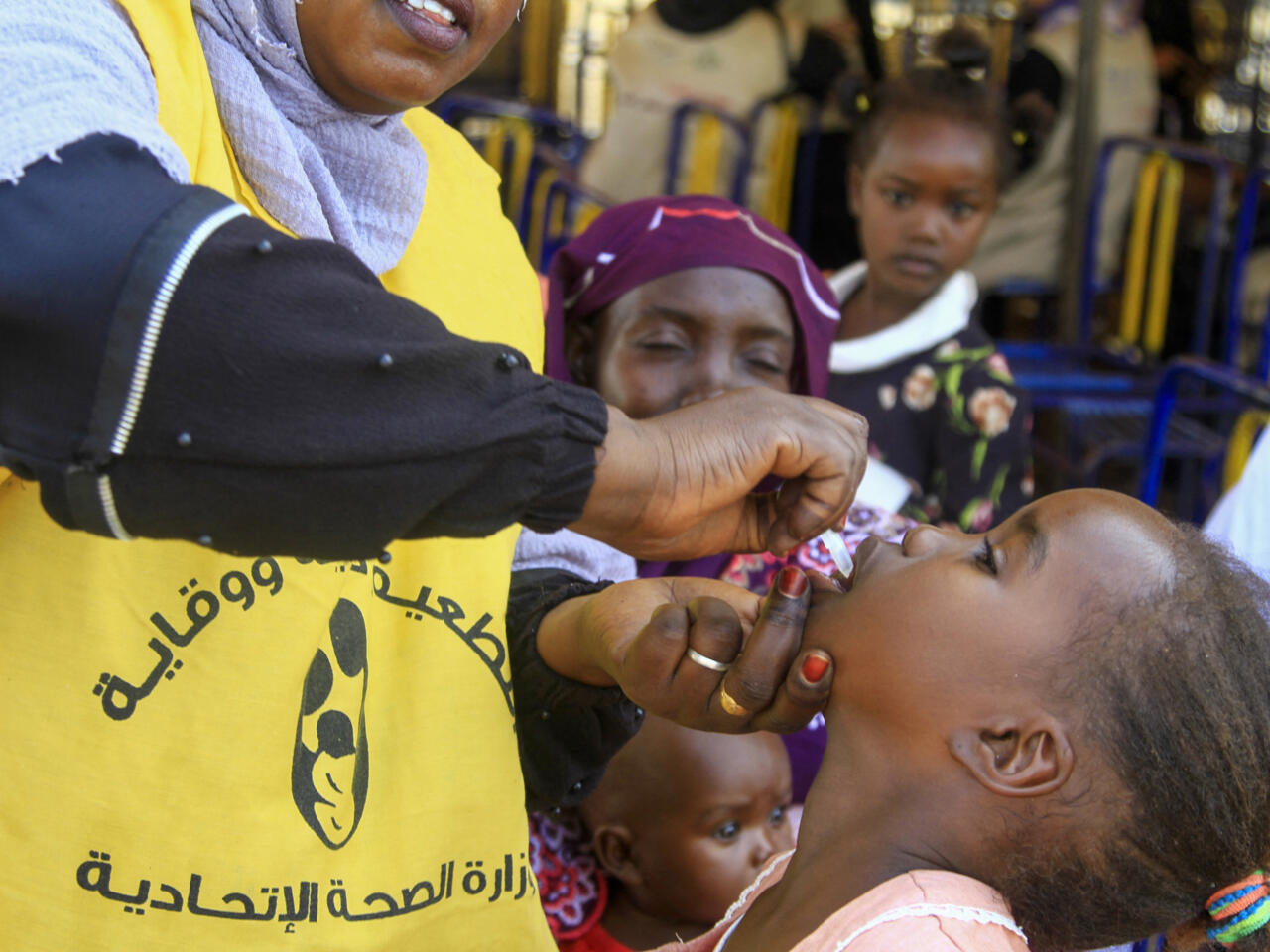
Sudan declares cholera epidemic after 22 deaths
Sudan faces a new challenge in the midst of a 16-month conflict between the military and a paramilitary group as health authorities declared a cholera epidemic. Health Minister Haitham Mohamed Ibrahim said 22 people have died and 354 cases of the disease have been confirmed across the country in recent weeks. The World Health Organization said recently that 78 deaths from cholera were recorded in Sudan between 1 January and 28 July this year. Cholera is a highly contagious infection transmitted through ingesting contaminated food or water and can kill within hours without treatment. Seasonal floods in recent weeks have exacerbated the situation with critical infrastructure washed away in 12 of Sudan’s 18 provinces, making access to clean water difficult for many. Ibrahim said outbreak was “because of the weather conditions and because drinking water has been contaminated”. The conflict in Sudan has further battered what was an already weak healthcare system, displaced more than 10 million people, and pushed many into starvation. The WHO on Friday said cases of dengue fever and meningitis infections were also on the rise. A new round of talks aimed at ending the conflict in Sudan began in Switzerland last Wednesday, despite the army’s absence.

Deadly bus crash kills 8, injures dozens in Uganda
A horrific bus crash in Uganda has claimed the lives of eight people and injured dozens more.
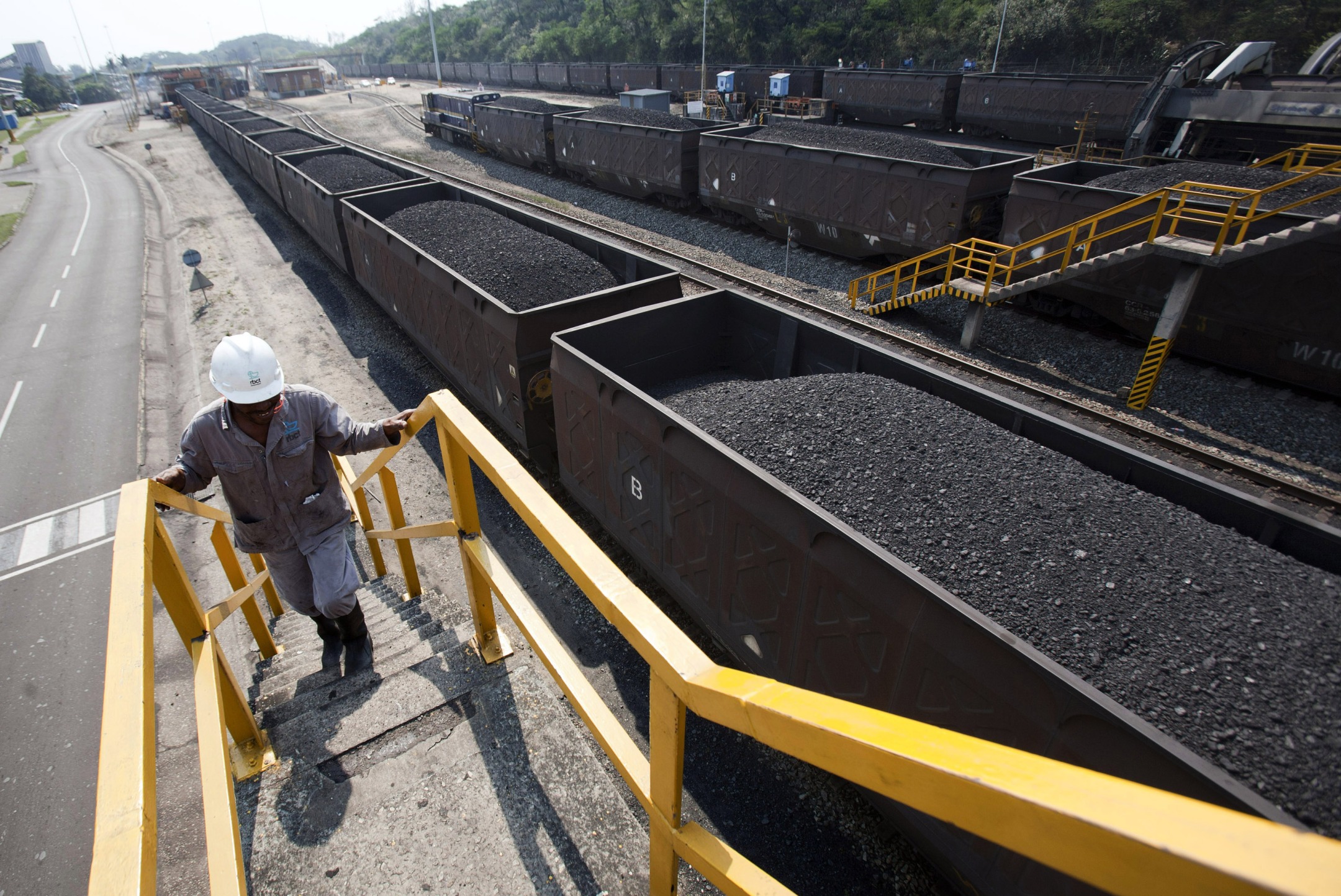
South Africa’s coal exports expected to rebound in 2025
Rail bottlenecks have significantly hindered South Africa’s coal exports, but Thungela CEO believes the worst is over.

Four men charged for Tanzania gang rape
The accused have pleaded not guilty, while police have apologized for insensitive comments made by an officer.
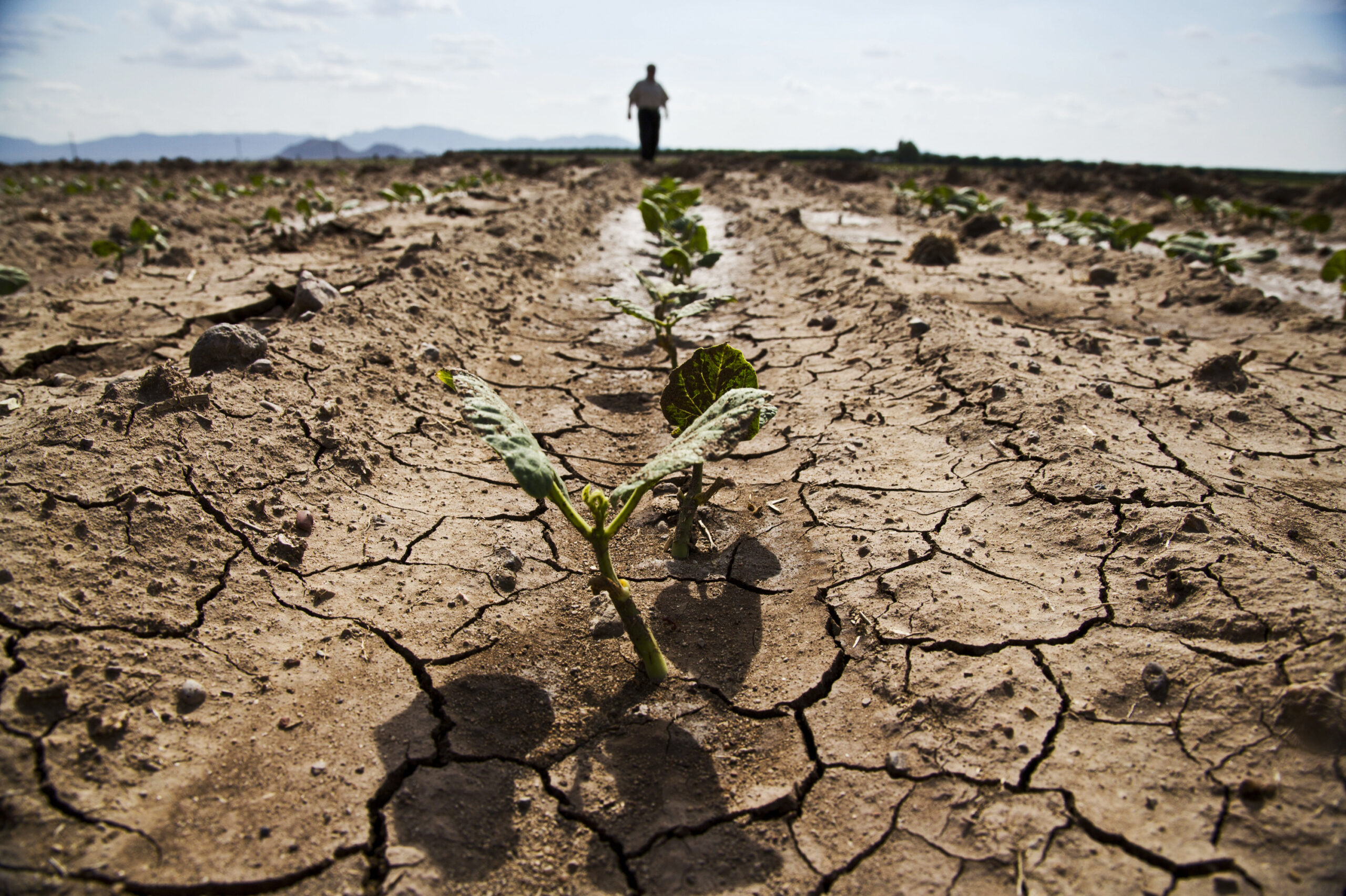
Malawi receives $11.2 million drought insurance payout
Malawi’s drought crisis is eased with a $11.2 million insurance payout, which will be used to provide food aid and support to over 300,000 households.

SAF Airstrikes in Darfur result in dozens dead and injured RSF reports
The RSF reported that the SAF’s airstrikes targeted populated neighborhoods and water stations, resulting in dozens of civilian casualties, including women and children