



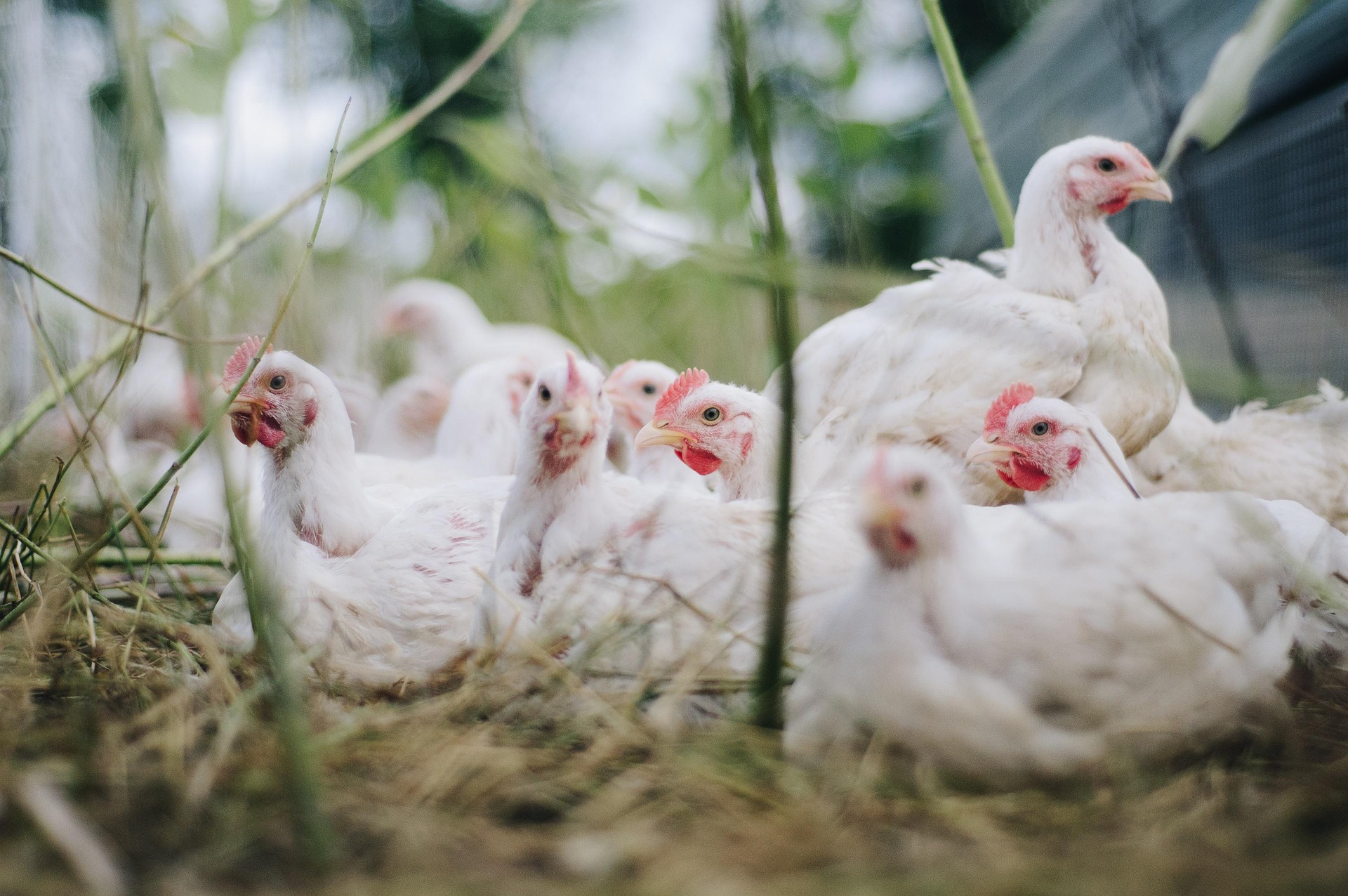
Namibia resumes poultry imports from South Africa
Namibia, which consumes around 2,500 metric tons of chicken per month, primarily depends on imports from neighboring South Africa to meet its demand

Nigeria, Equatorial Guinea sign key gas pipeline agreement
Nigeria and Equatorial Guinea signed a crucial gas pipeline agreement in Malabo, targeting opportunities in gas exploration, employment, and regional stability within africa.
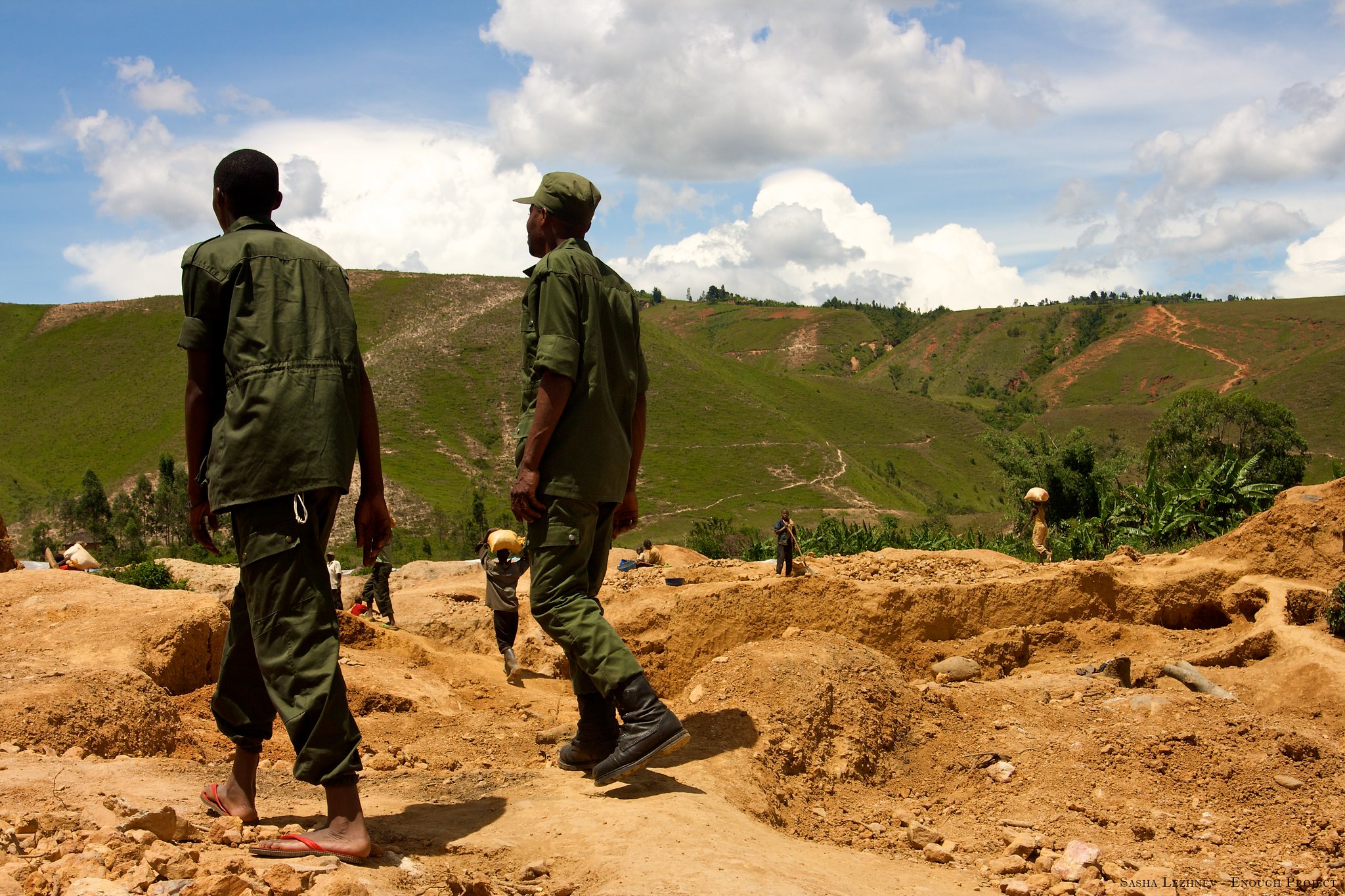
Congo’s South Kivu lifts mining suspension, governor announces
The suspension, imposed in July due to “disorder caused by mining operators,” affected mining operations in the region, which is rich in tin ore cassiterite and coltan
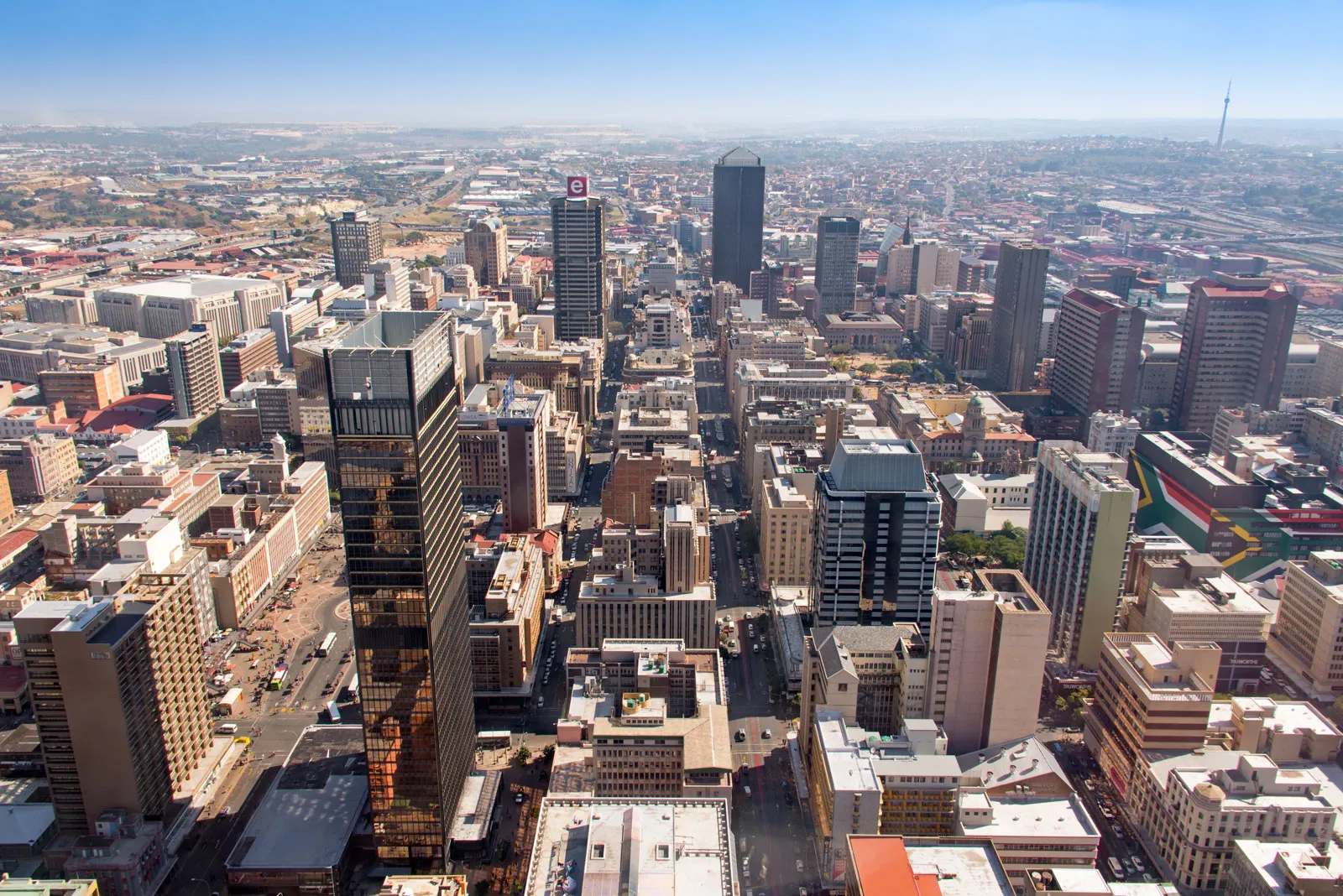
South Africa’s unemployment rate climbs, over 8 million jobless
South Africa’s unemplyment rate increased by 0.6 percentage points from 32.9% in Q1 2024 to 33.5% in Q2 2024, the government’s statistics office reported Tuesday. Africa’s most industrialized economy has struggled to create jobs in recent years due to a long recession and most recently the Covid-19 pandemic. About 8.4 million people were out of work, up from 5.2 million in 2014. The number of employed persons fell by 92,000 to 16.7 million in Q2 2024. The sectors which saw the most job decreases include trade, agriculture and construction. Only manufacturing, social services and utilities added jobs. The figures are the first to be released since the May elections which brought in a coalition government which put reviving the ailing economy top of its agenda. Unemployment was a key political issue in the vote, likely contributing to the loss of an absolute majority by the African National Congress (ANC). The statistics affice said that the most significant decrease in employment was observed in the Western Cape, Mpumalanga and KwaZulu-Natal provinces.

Ethiopia faces backlash over $1 billion bond proposal
A group of bondholders holding over 40% of Ethiopia’s $1 billion bond has expressed disappointment with the government’s proposed 20% principal haircut.

Egypt and Somalia strengthen ties with defense pact
The agreement also includes plans for increased economic cooperation between the two nations.

Botswana seeks double stake in HB Antwerp at no extra cost
Due to the declining diamond market, Botswana seeks to increase its ownership in HB Antwerp from 24% to 49.9% without injecting additional capital.

Kenya workers to strike against Adani’s airport development deal
Kenya’s aviation workers plan to strike next Monday over a proposed deal with India’s Adani Airport Holdings to develop JKIA, citing concerns over job losses and non-Kenyan workers.

Prices disappear from menus as inflation surges in Ethiopia
In Addis Ababa, Ethiopia’s new exchange rate policy has caused inflation to soar, leading hotels and businesses to frequently update or erase menu prices.
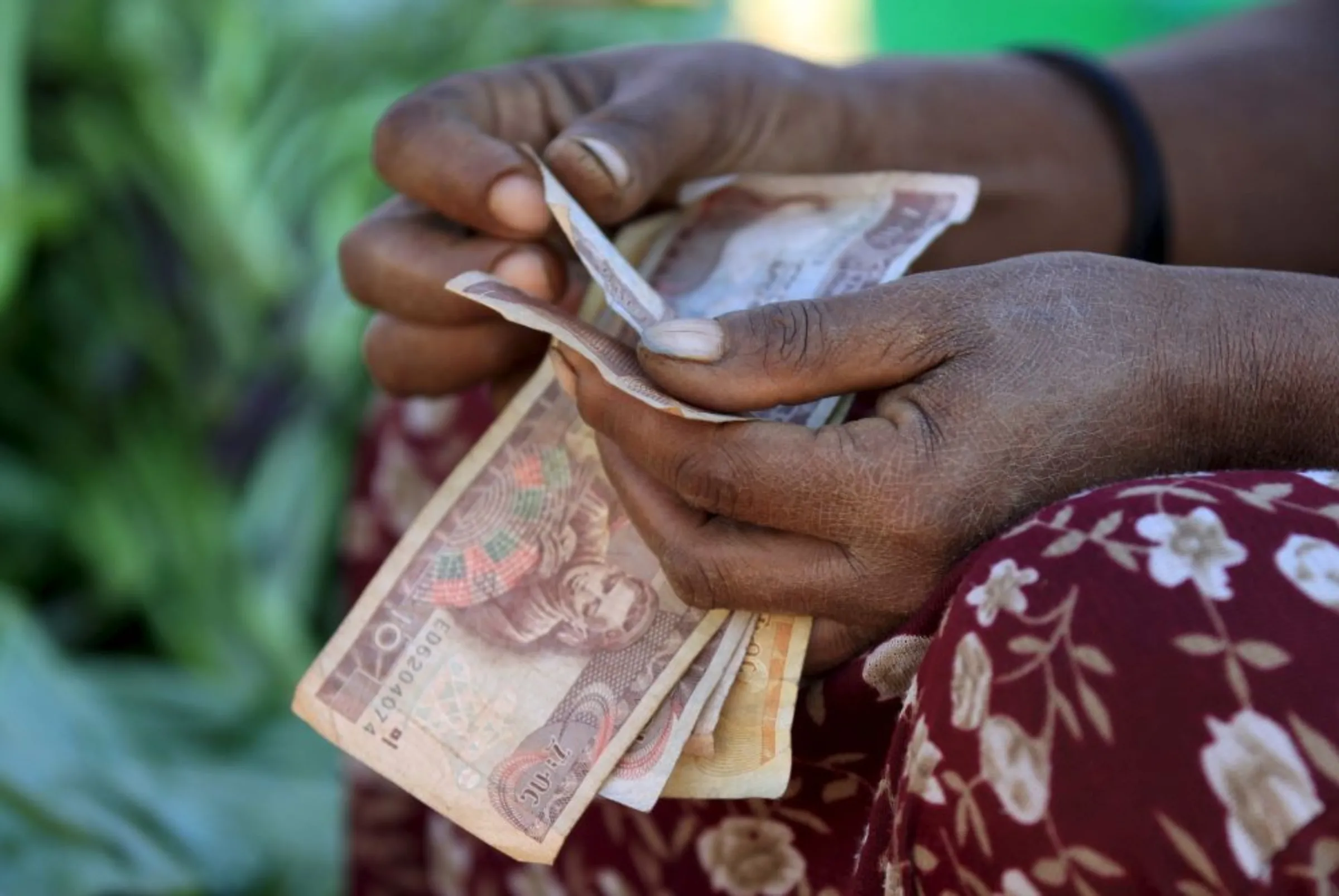
Businesses in Addis Ababa are struggling with soaring inflation
Businesses in Addis Ababa are struggling to keep pace with soaring inflation following the government’s shift to a flexible exchange rate policy implemented late last month. Since the policy change, the Ethiopian birr has lost 60% of its value against the dollar as of Monday, leading to increased prices for basic goods and prompting some businesspeople to hoard supplies. At the Samra Hotel, prices now fluctuate daily, or even hourly, to keep up with the changing market conditions, as noted by Rahel Teshome, an employee at the hotel. Many supermarkets in Addis Ababa are hoarding products in warehouses and selling only small quantities in-store to avoid penalties from city authorities, who are cracking down on hoarders. Consumers seeking bulk purchases face inflated prices and must retrieve products from warehouses. In Merkato, the city’s largest open-air market, guards are stationed to prevent businesses from raising prices. Recently, police raided warehouses, seizing 800,000 liters (210,000 gallons) of edible oil, which was later distributed at previous prices to local cooperatives. Over 3,000 stores accused of hoarding have been closed across the country. The Addis Ababa City Trade Bureau has warned of further actions against those exploiting the floating birr to hike prices. The new exchange rate policy represents a significant shift in Ethiopia, where the government had long controlled foreign currency prices, fostering a black market. Now, commercial banks set foreign exchange rates, and non-bank entities are allowed to operate foreign exchange bureaus. The International Monetary Fund (IMF) approved a four-year, $3.4 billion credit facility in conjunction with Ethiopia’s reforms. The IMF has committed to disbursing $1 billion immediately to address urgent needs, with Managing Director Kristalina Georgieva calling the reforms a “landmark moment for Ethiopia.” In response to foreign currency shortages, authorities have imported 14 million liters (3.7 million gallons) of edible oil to ease consumer pressure. However, these measures have had limited impact given the rising prices of other essential goods. Experts warn that Ethiopians, particularly those on fixed incomes, face uncertain times ahead. Getachew T. Alemu, a public policy specialist in Addis Ababa, notes that the immediate IMF funding may not be sufficient to alleviate the strain, suggesting that without careful policy actions, conditions could worsen. The government’s efforts to curb price speculation have also been challenged by its own actions. Last week, authorities raised the cost of ordinary passports from 2,000 to 5,000 birr, leaving individuals like Almaz Teferi, who was in the process of obtaining a passport, shocked by the sudden increase. Teferi, who is preparing to work as a domestic laborer in the Gulf states, had been saving to cover the passport fee but found the cost had risen significantly within days.

Dangote refinery urges enforcement of crude supply for local refiners
The refinery reported that it is expecting to receive 15 cargoes for September, of which the Nigerian National Petroleum Corporation (NNPC) has allocated six

Ripple starts testing its stablecoin on XRP Ledger, Ethereum
Ripple Labs, a US-based technology company that has developed the Ripple payment protocol and exchange network, said Friday it started testing its stablecoin, RLUSD, on XRP Ledger and Ethereum blockchain networks. “Testing, testing…RLUSD! We’re excited to share that Ripple USD (RLUSD) is now in private beta on XRP Ledger and Ethereum mainnet,” it wrote on X. The company, however, noted that RLUSD has not yet received regulatory approval, and it is not available for purchase or trading. It warned users to be cautious of scammers who claim they have or can distribute Ripple USD. “This is a significant milestone and a step closer to bringing more high-quality assets to the XRPL, driving new opportunities, liquidity, and institutional use cases for users, developers, and applications,” the company said in a statement on its website. The mainnet version of Ripple USD is also available on Ethereum, while there are plans to expand to other blockchains and decentralized finance protocols, it added. Ripple USD is currently in the beta phase, and it is being tested by the company’s partners, which is crucial for ensuring that the stablecoin meets the highest standards of security, efficiency and reliability before it becomes widely available, and after receipt of regulatory approval, said the statement. Stablecoins are designed to be pegged one-to-one with the US dollar to ease exchange for crypto users and investors. Ripple Labs was fined $125 million on Wednesday after four years of litigation with the US Securities and Exchange Commission. The ruling pushed up the price of XRP, its native cryptocurrency, for a daily gain of 23%.

Ethiopia aims to build Africa’s largest airport
Ethiopia is building Africa’s largest airport near Addis Ababa to handle increased air traffic and boost the country’s economy.

Inflation protests cripple Nigerian economy
Businesses in Nigeria are counting the cost of the recent protests sparked by soaring inflation and economic hardship.

New gold refinery opens in Ghana to boost economy
Ghana has opened its first commercial gold refinery to increase revenue from the precious metal, create jobs, and curb smuggling.

Ethiopia licenses independent forex bureaus
Ethiopian government is taking concrete steps to liberalize its economy by allowing independent forex bureaus to operate.

Egypt’s inflation eases to 25.7% in July
Core inflation, which excludes volatile items like fuel and certain foods, also slowed to 24.4% from 26.6% in June
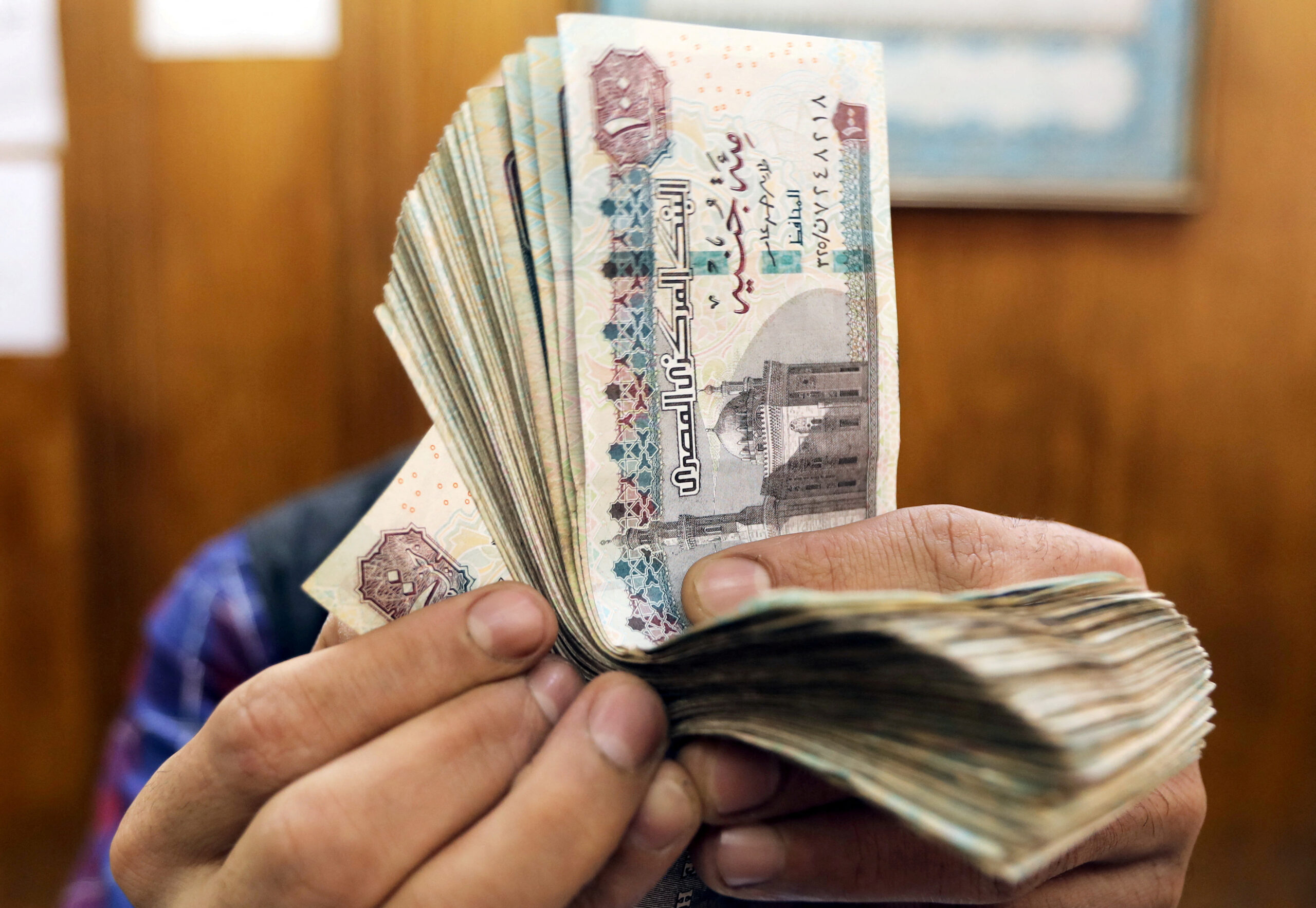
Egyptian pound falls against foreign currencies
The Egyptian pound is declining against foreign currencies, nearing 50 per U.S. dollar following recent hikes in metro fares and fuel prices. On Tuesday, the currency was valued at 49.16 per U.S. dollar, according to the Central Bank of Egypt. After fluctuating between 47 and 48 per dollar in June and July, the pound has lost approximately 60% of its value since its initial public offering in March, falling to around 30 per dollar. This new exchange rate comes a week after the International Monetary Fund (IMF) completed its third review of Egypt’s financial situation, authorizing the release of $820 million as part of an $8 billion bailout package. This loan aims to support Egypt’s struggling economy, which faces challenges such as a foreign currency shortage, soaring inflation, and unrest in the Red Sea due to attacks by Yemen’s Houthi rebels. The IMF noted last week that while inflation remains high, it is decreasing, and a flexible exchange rate is central to the country’s economic strategy. Egyptians are dealing with significant inflation, with the oil ministry recently announcing a 10% increase in fuel prices. The last fuel price hike occurred in March, attributed to rising costs due to Red Sea attacks and the currency’s depreciation. The Houthis have targeted commercial ships in the Red Sea in response to Israel’s actions in Gaza, impacting global trade routes. Oil, natural gas, and grain passing through these sea lanes are crucial to the Suez Canal, which handles 12% of world trade. Additionally, Cairo Metro fares increased last week, now ranging from 2 to 5 Egyptian pounds, as reported by the National Tunnels Authority. This fare increase aligns with Egypt’s agreement with the IMF to double its bailout, which now totals $8 billion. The price adjustments are part of the conditions set by the IMF for continued financial aid.

Zambia’s proposed mining law sparks concerns among investors
Since taking office in 2021, President Hakainde Hichilema’s administration has aimed to restore the country’s investment reputation and boost copper production
Ethiopian birr falls to 107.9 at auction
Ethiopia’s central bank set the exchange rate at 107.9 birr per U.S. dollar in a special auction to align with a market-determined system and secure IMF support.
World Bank: 100+ Countries Trapped in “Middle-Income Trap”
The World Bank announced on Thursday that over 100 countries risk falling into a “middle-income trap” unless they implement bold economic growth strategies. Countries such as South Africa, India, Brazil, and China face significant challenges that could impede their progress toward becoming high-income nations in the coming decades. The World Development Report 2024: The Middle Income Trap reveals that as countries become wealthier, they often encounter a “trap” when their GDP per capita reaches approximately 10 percent of the annual US GDP per person. Somik Lall, Senior Advisor to the World Bank Group Chief Economist and Director of the report, noted that the outlook for these countries is bleak. “Over the past 30 years, only 34 middle-income economies have successfully transitioned to high-income status, while others remain trapped,” he said. The study highlights that middle-income countries face tougher challenges compared to their predecessors, including rapidly aging populations, increasing protectionism in advanced economies, and the urgent need for faster energy transitions. It presents a “comprehensive roadmap” to help developing countries escape the “middle-income trap” and achieve high-income status. Lall suggests that countries should abandon outdated methods and adopt a “3i strategy” involving a phased approach with progressively sophisticated policies tailored to their development stage. Low-income countries should focus initially on investment policies (the 1i phase). As the benefits of investment diminish, they should then shift to “infusion,” incorporating global ideas and integrating them into local economies. For upper-middle-income countries, the final phase involves “innovation,” where they strive to become global leaders and producers. Lall emphasized that success will depend on how well societies manage the balance between creation, preservation, and destruction. “Countries that avoid the discomfort of reforms and openness will miss out on the benefits of sustained growth,” he concluded.

Kenyan carmaker Mobius cease operations
Financial struggles and competition from second-hand imports contributed to the closure.

Nigeria’s crude output rises as navy curbs oil theft effectively
Nigeria’s oil output has increased to between 1.6 and 1.7 million barrels per day due to improved security measures by the Nigerian navy to combat crude theft.

Global markets recovered after historically high selling pressure
After concerns that economic activity in the US may slow down more sharply than expected led to deepening selling pressure in global markets on Monday, risk appetite increased in the markets on Tuesday. The effects of concerns that the Fed’s decision to cut interest rates in the near future could raise concerns about the course of the economy, causing panic in the markets, were also felt intensely. The emergency rate cut decision could be interpreted as the Fed losing control over the markets, analysts pointed out, adding that the bank should clarify the steps it will take in the short term. On the other hand, the Purchasing Managers’ Index (PMI) for the service sector in the US provided some relief in July, while the Institute for Supply Management (ISM) service sector (PMI) increased by 2.6 points on a monthly basis to 51.4 in July, in parallel with market expectations. “It doesn’t make sense to maintain a restrictive policy stance if the economy is weakening,” said Chicago Fed President Austan Goolsbee, a closely followed Fed officials, in an interview on Tuesday. “The employment numbers came in weaker than expected, but it doesn’t look like a recession yet,” he added Goolsbee refrained from commenting on whether the Fed would go to an emergency meeting and cut interest rates, saying that this is a very big table, so everything is always on the table, such as rate hikes and rate cuts. With these developments, forecasts for the Fed to cut interest rates by 50 basis points in September have also strengthened. In the Eurozone, the composite Purchasing Managers’ Index (PMI), which was 50.9 in June, fell to 50.2 in July, the lowest level in the last five months. The service sector PMI in the Eurozone, which was 52.8 in June, fell to 51.9 in July, the lowest level in the last four months. In Germany, service sector PMI, which was 53.1 in June, fell to 52.5 in July, the lowest level in the last four months. In the region, the Producer Price Index (PPI) increased by 0.5% on a monthly basis in June, while it decreased by 3.2% annually. While cryptocurrency markets also recovered, Bitcoin increased by 2.1% to $55,506. Reflecting the decline in technology stocks yesterday. Nvidia’s shares, one of the companies that attracted attention in the artificial intelligence rally, fell 6.36%. Apple’s shares also dropped 4.82%, while Berkshire Hathaway, where US investor Warren Buffett is the Chief Executive, halved its shares in the company. Microsoft’s shares declined 3.27%, Meta’s shares fell 2.54%, Alphabet’s shares fell 4.61% and Amazon’s shares fell 4.1%, while Tesla’s shares fell 4.23%. While banking stocks also decreased with recession fears, Citigroup’s shares fell 3.42%, Wells Fargo’s shares fell 2.14%, JPMorgan Chase’s shares fell 2.13% and Morgan Stanley’s shares fell 3.94%. US markets saw a slight downbeat on Monday, with the Nasdaq index fell 3.38%, the S&P 500 dropped 3%, and the Dow Jones decreased by 2.60%. The US 2-year bond yield closed at 3.97% while Brent crude oil prices have stood at $76,9 per barrel. The US 10-year bond yield closed at 3.84%, and gold prices down by 0.3% to $2,403 an ounce. As for the VIX volatility Index, also known as the fear index, fell to 38.57. European stock markets continued to follow a mixed trend. The FTSE 100 index in the UK dropped 2.04%, France’s CAC 40 index 1.42%, Germany’s DAX 40 index decreased 1.82% and, Italy’s MIB 30 index 2.27% on Monday. In Türkiye, the BIST 100 index in Borsa Istanbul closed at 9,893.41 points, down 5.54% from the previous close. The USD/TRY exchange rate traded at 33.3502 at the opening of the interbank market on Monday. On the other hand, the Consumer Price Index (CPI) increased by 3.23% and the Domestic Producer Price Index (D-PPI) by 1.94% on a monthly basis in July. Annual inflation realized as 61.78% in consumer prices and 41.37% in domestic producer prices. In Asian markets, which experienced a historic decline on Monday due to rising recession concerns, some of the losses experienced with the upward trend were compensated on Tuesday. The investments made in high-yielding assets with Japanese yen borrowing on Monday triggered the selling pressure in the regional markets with the BoJ’s interest rate hike and the rapid appreciation of the Japanese yen, analysts said. Thus, both the yen, which strengthened with the hawkishness of the BoJ, and the concern that the increasing recession concern in the world could negatively affect the performance of exporting Japanese companies played an important role in deepening the selling pressure in Japanese stock markets. On the other hand, Japan’s Finance Ministry, Financial Services Agency and BoJ officials are expected to meet today to discuss the state of the markets. In addition, the Reserve Bank of Australia left the policy rate unchanged at 4.35 percent. Near the close, Japan’s Nikkei 225 index rose 8.9%, South Korea’s Kospi index 4%, while the Hong Kong’s Hang Seng composite index fell 0.1% and China’s Shanghai index decreased 0.3%.

Glencore fined $150 million for Congo bribery
Swiss prosecutors have concluded a long-running investigation into Glencore’s activities in Congo, finding the company responsible for bribery.
Egypt’s NFA continues upward trend after two-year slump
The country has taken steps to stabilize its currency and attract foreign investment.

Nigerian president stands firm against fuel subsidies despite unrest
President Bola Tinubu’s firm stance against fuel subsidies sparks nationwide protests across Nigeria.