Niger

WHO allocates 900,000 Mpox vaccines to Africa

Several African countries, including the Central African Republic, Côte d’Ivoire, Democratic Republic of the Congo, Kenya, Liberia, Nigeria, Rwanda, South Africa, and Uganda, are set to benefit from a new mpox vaccine allocation. The Democratic Republic of the Congo (DRC), which has reported 80% of Africa’s confirmed mpox cases this year, will receive 85% of nearly 900,000 doses allocated. The vaccine distribution is part of the World Health Organization’s Access and Allocation Mechanism (AAM), aimed at expanding access to mpox vaccines, treatments, and diagnostic tools. Limited vaccinations have already been carried out in DRC and Rwanda. The outbreak, which has spread across 19 African countries this year, was declared a public health emergency by the WHO and Africa CDC in mid-August. With over 38,000 suspected cases and more than 1,000 deaths, DRC remains the epicenter of the outbreak. Wealthier countries have pledged over 3.6 million vaccine doses to aid the response.

WHO allocates 900,000 Mpox vaccines to Africa Read More »

WHO Allocates Nearly 1 Million Mpox Vaccine Doses to Africa

The World Health Organization announced on Friday that nearly one million doses of mpox vaccines have been allocated to nine African countries. This follows the creation of an Access and Allocation Mechanism (AAM) last month to ensure equitable access to the vaccines. WHO Director-General Dr. Tedros Adhanom Ghebreyesus noted that over 50,000 individuals have already been vaccinated in the Democratic Republic of the Congo and Rwanda, thanks to donations from the U.S. and the European Commission. The Africa Centres for Disease Control and Prevention reported a 500 percent increase in mpox cases compared to last year, now affecting 19 countries. The WHO declared mpox a global health emergency in mid-August after a new strain began spreading from the Democratic Republic of the Congo. Dr. Ghebreyesus stated that the allocation of approximately 900,000 doses was based on public health needs, especially in areas with significant transmission. He emphasized that this is the first allocation of nearly six million doses expected to be available by the end of 2024. While vaccination is a critical component, he highlighted the importance of other strategies, including case finding, contact tracing, infection prevention, clinical care, risk communication, and testing, as part of a comprehensive response plan.

WHO Allocates Nearly 1 Million Mpox Vaccine Doses to Africa Read More »

Climate change fuels health crisis, warns new report

A new report from global health experts warns that climate change is pushing temperatures to dangerous levels, leading to increased deaths and the spread of infectious diseases. The Lancet Countdown report, released ahead of the COP29 climate summit, highlights that every country faces unprecedented health threats due to climate change. The experts urge governments to redirect the trillions spent on fossil fuels towards protecting health and livelihoods. “Resources should not perpetuate fossil fuel use but rather promote access to clean, renewable energy,” said Dr. Marina Romanello, the report’s executive director. The study, conducted by 122 experts, reveals record levels of heat-related deaths, food insecurity, and infectious diseases driven by climate change. In 2023, people faced an average of 50 additional days of extreme temperatures. Nearly half of the global land area is experiencing extreme droughts, exacerbating food insecurity for 151 million people in 124 countries. Romanello emphasized that climate change is a critical health issue affecting all demographics, particularly vulnerable populations. “The health implications are enormous,” she stated, referencing the acute hunger crisis in regions like Somalia due to drought.

Climate change fuels health crisis, warns new report Read More »

Over 600 million women and girls affected by war, U.N. warns

Over 600 million women and girls are now affected by war, marking a 50% increase in a decade, and they fear being forgotten amid a global backlash against women’s rights, according to top U.N. officials. U.N. Secretary-General Antonio Guterres highlighted in a recent report that progress in women’s rights is eroding amid escalating armed conflicts. He noted that the goals of equal participation in peace negotiations, outlined in a Security Council resolution from 2000, remain largely unmet. Guterres pointed out that women’s leadership in peace efforts is being undermined, with decision-making predominantly male-dominated. He warned that as long as patriarchal structures persist, achieving peace will remain challenging. The report revealed alarming statistics: the proportion of women killed in armed conflicts doubled in 2023, cases of conflict-related sexual violence rose by 50%, and the number of girls affected by serious violations increased by 35%. Sima Bahous, head of UN Women, echoed these concerns, emphasizing the lack of attention to women’s voices in peace initiatives. She highlighted the dire situations faced by women in places like Afghanistan, Gaza, Sudan, and Myanmar, expressing that 612 million affected women and girls wonder if they have been forgotten by the international community. Bahous stressed the urgent need for action, noting that many women in conflict zones face severe food insecurity and high maternal mortality rates. Women’s participation in peace negotiations remains low, with less than 10% involvement in peace processes overall. To address these issues, U.N. Deputy Secretary-General Amina Mohammed announced a “Common Pledge on Women’s Participation in Peace Processes,” calling for concrete commitments to include women as mediators and ensure their meaningful involvement in peace negotiations. Ambassadors at the meeting highlighted a persistent lack of political will to support women’s roles in peace processes, underscoring the need for renewed commitment from member states.

Over 600 million women and girls affected by war, U.N. warns Read More »

African leaders condemn Terror attack on Turkish defense facility

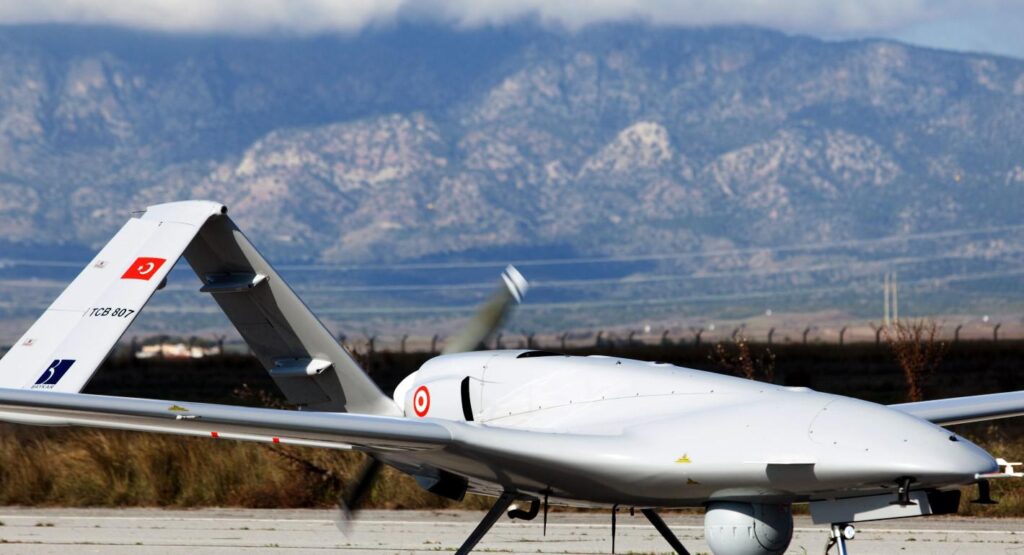
Mali, Senegal, and Somalia condemned a “heinous” terrorist attack on a defense industry facility in Turkey’s capital on Wednesday. Mali’s transitional government president, Col. Assimi Goita, expressed “total solidarity” with Turkey, a key defense partner, and extended condolences to the victims’ families. The attack on Turkish Aerospace Industries (TAI) resulted in at least five deaths and 22 injuries, according to Turkish Interior Minister Ali Yerlikaya. Senegal’s President Bassirou Diomaye Faye labeled the attack “cowardly,” expressing compassion for the Turkish people and condolences to President Recep Tayyip Erdogan. Somalia condemned the incident as a “heinous” act, noting it poses a threat to global peace. The Foreign Ministry commended the swift response of Turkish security forces and expressed confidence that the perpetrators would be brought to justice. Somalia reiterated its commitment to fighting terrorism alongside Turkey and the international community, calling for strengthened cooperation against such threats.

African leaders condemn Terror attack on Turkish defense facility Read More »

African health body says mpox still major health issue as cases rise

Mpox is still a major public health issue in Africa, the head of the Africa Centres for Disease Control and Prevention (Africa CDC) said Thursday amid surging new cases. A total of 3,186 new cases were reported in the past week, with 489 confirmed and 53 deaths, Jean Kaseya said at a news conference. “We don’t see a decrease in terms of death, but we see an increase when we compared with previous weeks,” he said, adding there is a need to accelerate several interventions, including vaccination, to stop the spread. In 2024, more than 38,300 cases have been recorded in 16 countries on the continent to go along with 979 deaths, according to the latest data from Africa CDC. Ghana and Zambia are the latest countries to report an outbreak of mpox on the continent. The World Health Organization declared mpox a global public health emergency in August for the second time in two years, following the spread of a new variant of the viral infection from the Congo to neighboring countries. Kaseya said a vaccination campaign launched last weekend in Congo, the most affected country in the region, is on track with more than 1,600 people vaccinated, mainly in the east. Nigeria, which has received an allotment of 10,000 doses of a vaccine from the US, is to start vaccination in the coming days, according to Africa CDC. Africa expects to receive 10 million doses from partners. Mpox exhibits flu-like symptoms and pus-filled lesions.

African health body says mpox still major health issue as cases rise Read More »

Niger, Burkina Faso call for immediate cease-fire in Lebanon

 Burkina Faso and Niger top diplomats took stand on Monday at the UN General Assembly’s 79th session, demanding cease-fire in Lebanon.  The diplomats welcomed the participation of Palestine in this session, emphasizing its significance. Bakary Yaou Sangare, Niger’s Minister of Foreign Affairs, expressed hope that it marks a step toward “the advent of a free, independent, and sovereign Palestinian state, living in peace with its neighbors and within its 1967 borders.” Niger and Burkina Faso reaffirm their support to the Palestinian cause and believe only a two-state solution could end the cycle of violence and guarantee peace and security in the region. The Niger minister and Karamoko Jean Marie Traore, Burkina Faso’s minister of foreign affairs, also deplore the situation in Lebanon and calls for an immediate end to hostilities. Concerning the fight against terrorism in the Sahel (Mali, Burkina Faso and Niger), the diplomat from Burkina Faso deplores a vast and virulent campaign of denigration and stigmatization against security forces whom they accuse of violating human rights without proof. Burkina Faso top diplomat states “nearly 70% of the territory is now under state control compared to 40% in 2022”.  This has enabled the resettlement of displaced populations and the reopening of schools. In less than two years, the reconquest actions have enabled more than 700,000 people to return to their villages, and nearly 1,500 schools to reopen, he added. Bakary Yaou Sangare deplores subversive actions and the new recolonization strategy claimed and assumed by France.  He added “France informs, trains, finances and arms terrorist groups in the Sahel. It offers accommodation and meals to its local servants, some of whom occupy Niger’s diplomatic holdings in Paris in flagrant violation of the 1961 Vienna Convention on diplomatic relations”. Burkina Faso reiterates its support for the political process in course in Western Sahara, with a view to achieving a mutually acceptable and negotiated political solution.

Niger, Burkina Faso call for immediate cease-fire in Lebanon Read More »

African Leaders warn of funding crisis in Malaria fight

African Leaders Warn of Funding Crisis in Malaria Fight Amid Global Challenges African leaders have highlighted significant funding gaps in the fight against malaria, exacerbated by the ongoing global financial crisis and climate change impacts. Meeting this week in New York alongside the United Nations General Assembly, they emphasized the urgent need for coordinated efforts to prevent a funding crisis that could reverse decades of progress. The African Leaders Malaria Alliance (ALMA), which hosted the meeting, warned that continued reductions in malaria funding could lead to an additional 112 million cases and approximately 280,000 deaths by 2029. Currently, Africa accounts for about 236 million malaria cases—95% of the global total—and 97% of deaths, with Nigeria bearing nearly a third of this burden. Guinea-Bissau President Umaro Sissoco Embalo, chair of ALMA, stated, “We must act urgently to protect lifesaving malaria interventions. Our target is to eliminate malaria in Africa.” Experts estimate that the continent needs up to $6.3 billion annually to eradicate the disease, urging sustained global support for malaria financing. ALMA also pointed to climate change and increasing resistance to insecticides and antimalarials as major hurdles in combating malaria. Ngashi Ngongo, head of the Executive Office at the African Union, noted that eliminating malaria alongside addressing other endemic diseases like HIV and tuberculosis is vital for reducing Africa’s overall disease burden and achieving universal health coverage. Following the World Health Organization’s approval last year, malaria vaccines are now being integrated into routine immunization schedules for children across Africa. Additionally, on Thursday, Nigerian health authorities signed an agreement with U.S.-based drone company Zipline to utilize AI-powered drones for distributing medical supplies, including blood and vaccines. Abdu Muktar, Nigeria’s national coordinator for the Unlocking Healthcare Value-Chain Initiative, praised the initiative’s ambition to produce healthcare products locally, emphasizing the importance of effective delivery systems. “What Zipline is doing is using technology to ensure delivery, reduce waste, and enhance accountability,” he said. In 2022, governments of malaria-endemic countries contributed approximately $1.5 billion to combat the disease.

African Leaders warn of funding crisis in Malaria fight Read More »

Scroll to Top