
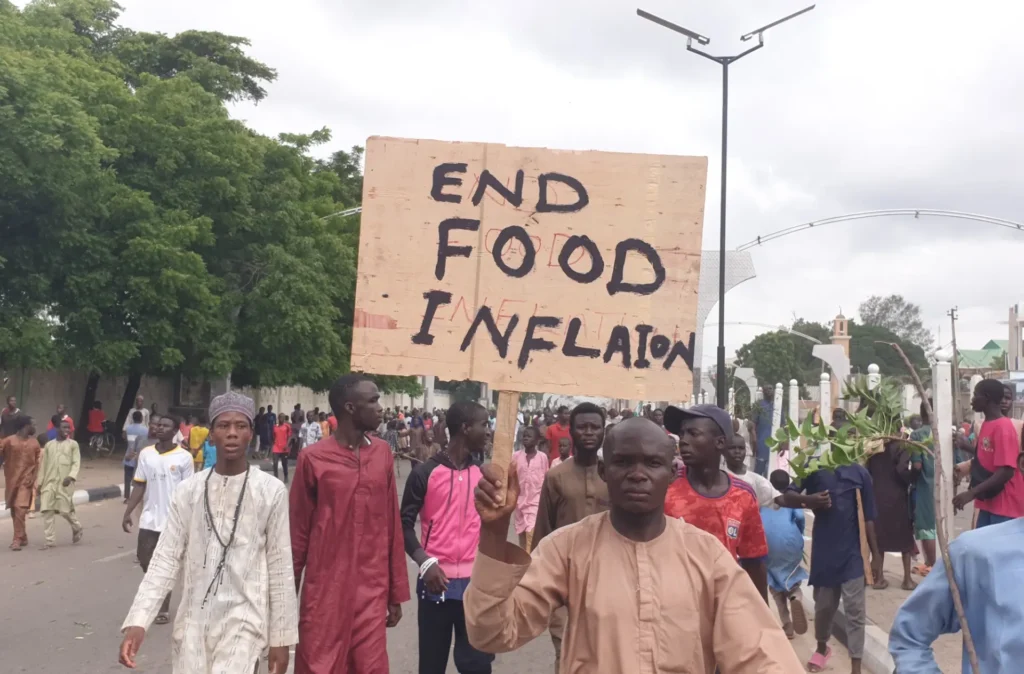
Nigerian businesses suffer losses amid inflation protests
The protests, which began last Thursday and lasted through the weekend, led to the deaths of at least 22 people
Nigerian businesses suffer losses amid inflation protests Read More »
The protests, which began last Thursday and lasted through the weekend, led to the deaths of at least 22 people
Nigerian businesses suffer losses amid inflation protests Read More »

Businesses in Nigeria are counting the cost of the recent protests sparked by soaring inflation and economic hardship.
Inflation protests cripple Nigerian economy Read More »

The death toll in Nigeria from Lassa fever, a deadly hemorrhagic disease, rose to 163 on Thursday. According to a statement from the Nigeria Centre for Disease Control and Prevention, the Lassa fever outbreak continues to spread across 34 states and the Federal Capital Territory. The Nigerian government previously announced that three medications have been identified for treating the disease. During the dry season, which typically runs from November to May, Lassa fever cases tend to increase. In 2023, a total of 1,227 cases of Lassa fever were detected and 219 people lost their lives. Lassa fever, which is also found in several other African countries like Mali, Togo, Ghana, Liberia and Sierra Leone, was first detected in Nigeria in northeastern Borno state in 1969. On Jan. 23, 2019, the Nigerian government declared a state of emergency due to a Lassa fever outbreak. The disease is transmitted through contact with rat feces, can spread from person to person, and can cause fatal hemorrhagic fever. Authorities are warning the public to avoid contact with rats and other rodents.
Death toll in Nigeria from Lassa fever rises to 163 Read More »

Nigerian security forces have apprehended seven Polish nationals, including students, on allegations of participating in protests.
Nigeria accuses Poles of involvement in anti-government protests Read More »

Bayelsa police spokesperson Musa Muhammed reported on Thursday that the boat was carrying traders transporting goods to various coastal communities
At least 20 dead in boat explosion on Nigerian river, police report Read More »
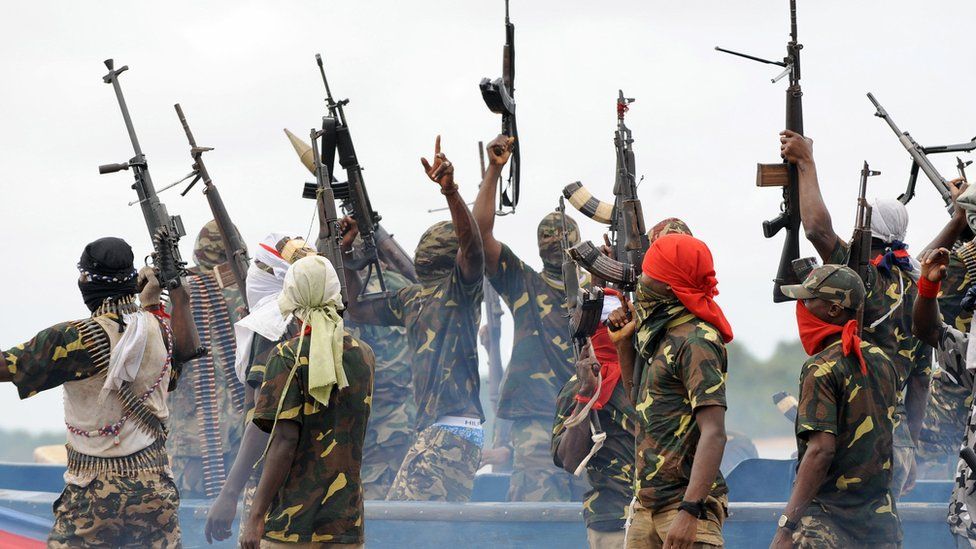
Eleven people were killed Wednesday in an armed attack on a mining site in Nigeria’s Zamfara state Gunmen on motorcycles attacked the site in the Anka area, according to local media reports. Several people were also wounded in the attack. Nigeria has long faced attacks from armed gangs as well as terrorist groups such as Boko Haram and ISWAP, the West African branch of the Daesh/ISIS, in various parts of the country. Despite a mandatory death penalty for kidnapping in Nigeria, abductions for ransom are common. Armed groups often target villages, schools and travelers in the northern part of the country to demand ransom.
11 killed in armed attack on mining site in Nigeria Read More »

Countries aim to increase global wind energy capacity 2.4-fold by 2030, but national plans fall short of the UN’s COP28 commitment to triple global renewable energy capacity. London-based think tank Ember analyzed the 2030 wind energy targets of 70 countries and the EU, which account for 99% of the current installed wind capacity, to see if they align with the COP28 goal. The report found that while national targets would double global wind capacity by 2030, they are insufficient to meet the COP28 pledge. Current targets would expand wind energy capacity from 901 gigawatts at the end of 2022 to 2,157 gigawatts by 2030. Achieving the tripling goal requires an additional 585 gigawatts worldwide. Most of the expected increase will come from China, which is projected to triple its wind capacity by 2030 and account for over half of the global increase in wind capacity from 2024 to 2030. However, the U.S. and India face significant gaps between their current targets and the needed increase. Not all countries are falling short. Brazil needs to build 0.3 gigawatts of new wind capacity annually from 2024 to 2030 to meet its 2030 targets. Last year, Brazil set a record by adding 5.3 gigawatts of wind capacity, and the IEA predicts it will add an average of 2.4 gigawatts annually until 2030. Turkey has nearly achieved its goal of generating 12% of its electricity from wind by 2030 and has the potential to set higher targets. Ember Electric Analyst Katye Altieri noted, “Governments are not ambitious or proactive enough, especially in onshore wind capacity. Despite its role in providing cheap electricity and complementing solar energy, wind energy isn’t receiving adequate attention.” Ben Backwell, CEO of the Global Wind Energy Council (GWEC), emphasized that wind energy must be central to the clean energy transition. “Every gigawatt installed is a step towards a greener world. Targets play a crucial role in guiding our direction, but only real actions that meet these targets can effectively address climate change, drive clean industry, and ensure secure energy,” he said.
Global wind energy plans fall short of reaching the 2030 target Read More »

Amidst growing economic hardship in Nigeria, protests erupted against government policies.
Amnesty: Nigerian security forces kill 21 protesters Read More »

The World Bank announced on Thursday that over 100 countries risk falling into a “middle-income trap” unless they implement bold economic growth strategies. Countries such as South Africa, India, Brazil, and China face significant challenges that could impede their progress toward becoming high-income nations in the coming decades. The World Development Report 2024: The Middle Income Trap reveals that as countries become wealthier, they often encounter a “trap” when their GDP per capita reaches approximately 10 percent of the annual US GDP per person. Somik Lall, Senior Advisor to the World Bank Group Chief Economist and Director of the report, noted that the outlook for these countries is bleak. “Over the past 30 years, only 34 middle-income economies have successfully transitioned to high-income status, while others remain trapped,” he said. The study highlights that middle-income countries face tougher challenges compared to their predecessors, including rapidly aging populations, increasing protectionism in advanced economies, and the urgent need for faster energy transitions. It presents a “comprehensive roadmap” to help developing countries escape the “middle-income trap” and achieve high-income status. Lall suggests that countries should abandon outdated methods and adopt a “3i strategy” involving a phased approach with progressively sophisticated policies tailored to their development stage. Low-income countries should focus initially on investment policies (the 1i phase). As the benefits of investment diminish, they should then shift to “infusion,” incorporating global ideas and integrating them into local economies. For upper-middle-income countries, the final phase involves “innovation,” where they strive to become global leaders and producers. Lall emphasized that success will depend on how well societies manage the balance between creation, preservation, and destruction. “Countries that avoid the discomfort of reforms and openness will miss out on the benefits of sustained growth,” he concluded.
World Bank: 100+ Countries Trapped in “Middle-Income Trap” Read More »
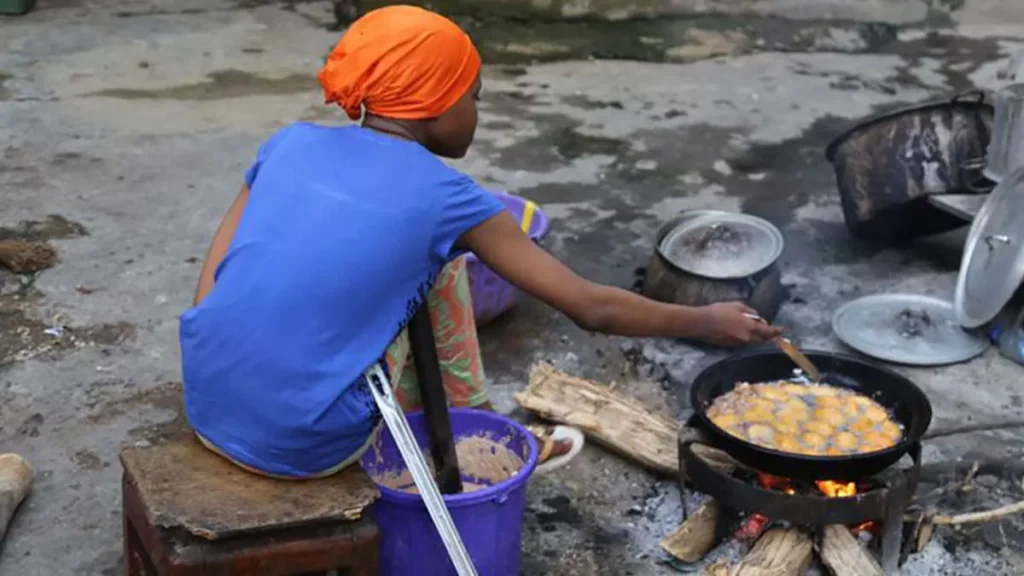
In Nigeria’s Kogi State, six people have died from food poisoning. According to national reports, individuals who consumed the local dish “amala” at a home in the Anyoke area of Kogi State were affected. Six of those poisoned died at the residence. Kogi State Health Commissioner AbdulAzzez Adams Adeiza stated that two others from the same household were hospitalized with symptoms of vomiting and abdominal pain. A health committee has been established to investigate the incident, and food samples have been collected for analysis.
Six people die from food poisoning in Nigeria Read More »