
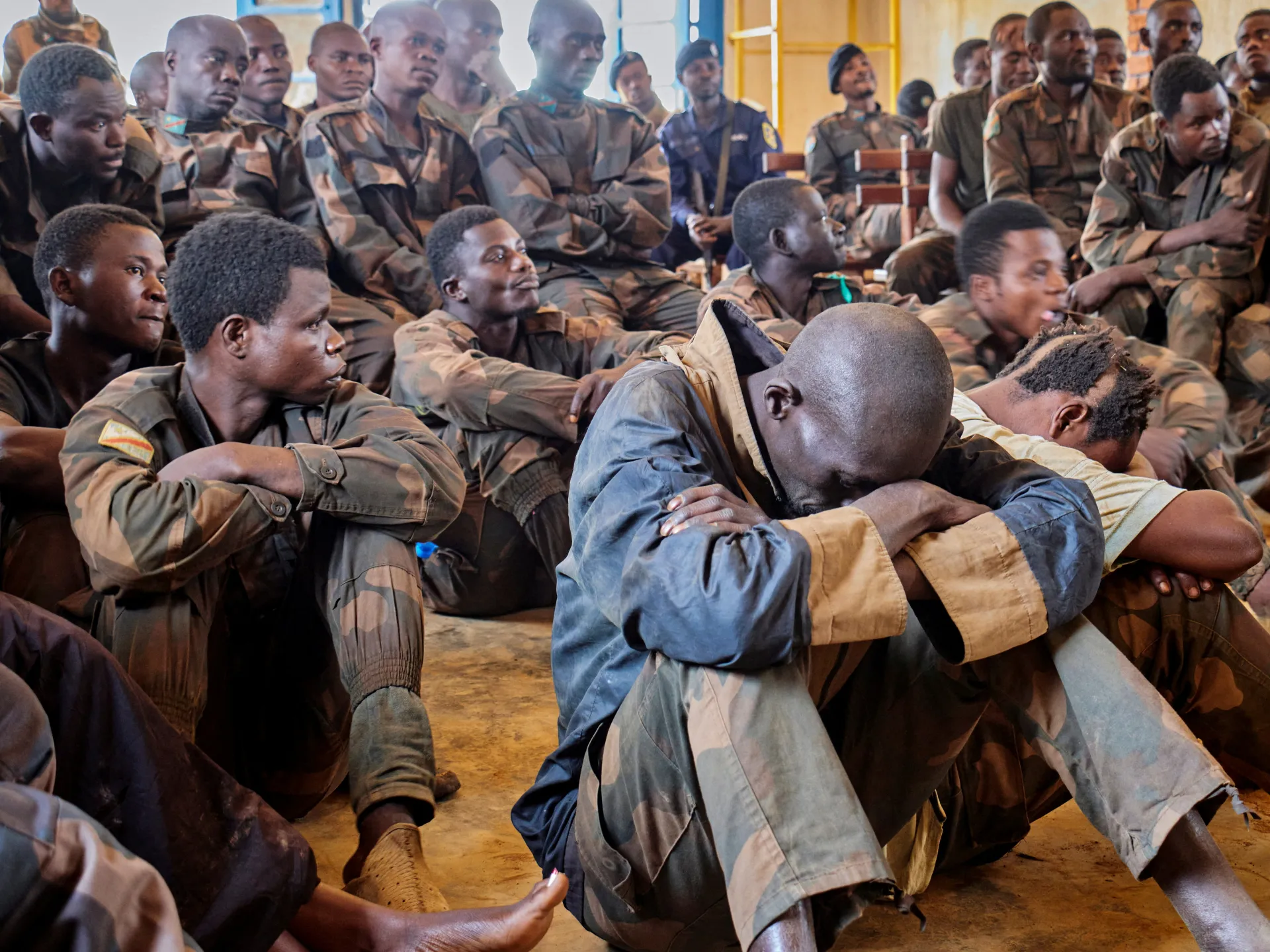
The United Nations mission in the Democratic Republic of Congo (MONUSCO) warned Monday that conflict-related sexual violence remains widespread across the country, with armed groups responsible for the majority of reported abuses in 2025.
According to data from the UN Joint Human Rights Office (UNJHRO), investigators documented 887 cases of conflict-related sexual violence involving 1,534 victims last year. The victims included 854 women and 672 girls, underscoring the disproportionate impact of the violence on women and children.
Nearly 80% of the recorded victims were located in the eastern provinces of North Kivu and South Kivu, regions that have experienced persistent fighting between government forces and numerous armed groups.
The UN report found that non-state armed groups were responsible for about 75% of the documented cases. Among them, the M23 rebel movement accounted for the largest share of victims, with 439 cases attributed to the group. Other armed factions identified in the report include Wazalendo fighters, the Cooperative for the Development of the Congo (CODECO), various Mai-Mai militias, the Democratic Forces for the Liberation of Rwanda (FDLR), and the Allied Democratic Forces (ADF).
The UN also raised concerns about the involvement of state actors. Members of the Congolese army, police, and national intelligence agency were linked to nearly one in five cases documented by investigators.
According to UNJHRO, rape continues to be used systematically as a weapon of war in parts of eastern Congo. Women and girls are often subjected to sexual slavery, while children born as a result of rape face stigma, family rejection, and a heightened risk of exploitation or recruitment by armed groups.
The report highlighted significant gaps in support for survivors. While around 70% of victims receive emergency medical care, fewer than 2% have access to comprehensive assistance, including legal aid, psychological counseling, and long-term social support.
UN officials warned that the lack of sustained support leaves many survivors struggling with lasting physical and psychological trauma.
The UN human rights office called on Congolese authorities to accelerate judicial proceedings for sexual violence cases and ensure that children born of rape are formally registered. It also urged armed groups to end practices such as sexual slavery and release captives, while appealing for increased international funding to support survivors.
The UNJHRO, established in 2008 through the merger of earlier UN human rights monitoring mechanisms, continues a broader effort to document abuses in the Democratic Republic of Congo that dates back to the mid-1990s.