Affi N’Guessan named FPI candidate for 2025 election
Former Ivorian Prime Minister Pascal Affi N’Guessan was named the candidate for the Popular Ivorian Front (FPI) in the upcoming 2025 presidential election on Saturday. At a congress held in Yamoussoukro, the political capital of Ivory Coast, N’Guessan was re-elected president of the FPI with an overwhelming 99.34% of the vote from approximately 4,500 delegates. The FPI is the party of former President Laurent Gbagbo, and N’Guessan assumed its leadership during Gbagbo’s trial at The Hague for war crimes and crimes against humanity. N’Guessan previously ran for president in both 2015 and 2020, losing to incumbent Alassane Ouattara in both elections. In 2020, he rejected the election results and was briefly arrested on charges of attempting to establish a “parallel government.” Among his key policy proposals are the abolition of the Senate and the restoration of presidential term limits. Ouattara, who won a controversial third term in 2020, has not yet announced whether he plans to seek re-election for a fourth term.
Global leaders convene in Baku for COP29, seek climate solutions
The 29th Conference of the Parties (COP29) to the UN Framework Convention on Climate Change (UNFCCC) commenced in Baku on Monday, bringing together world leaders, policymakers, and activists with a renewed commitment to address intensifying climate crises. Running until Nov. 22, the event will focus on urgent discussions around global warming, climate adaptation, and sustainability. With extreme weather events on the rise and average global temperatures reaching unprecedented levels, COP29 presents a crucial platform for advancing solutions. “COP29 will bring together leaders from governments, business, and civil society to advance concrete solutions to the defining issue of our time,” the UN noted, emphasizing the need for collaboration to combat the escalating impacts of climate change. A primary focus at this year’s conference is climate finance. The UN highlights the need for trillions of dollars to assist nations in significantly reducing greenhouse gas emissions while building resilience against climate-driven threats. “A key focus of COP29 will be on finance, as trillions of dollars are required for countries to drastically reduce greenhouse gas emissions and protect lives and livelihoods from the worsening impacts of climate change,” the organization stated. Established in 1992, the UNFCCC treaty arose from the initial findings of the Intergovernmental Panel on Climate Change (IPCC), with the goal of stabilizing greenhouse gas concentrations to prevent severe human-driven disruptions to the climate. Since its inception, the UNFCCC has underpinned global climate agreements such as the Kyoto Protocol in 1997 and the Paris Agreement in 2015. The convention’s 198 member countries meet annually to assess progress and negotiate collective responses to the climate crisis. This year’s conference in Baku promises a renewed emphasis on actionable commitments and innovative funding mechanisms to drive global progress.
Egypt’s headline inflation rises to 26.5% in October
Monthly inflation growth remained steady at 1.1% in October, the same rate as the previous month
Somalia bars Ethiopia from new AU mission
Addis Ababa excluded from mission due to its ‘violations against Somalia’s sovereignty and territorial integrity,’ says defense minister
Africa’s expansive time zones showcase the continent’s vast diversity
Africa is a continent of extraordinary geographical scale, with a diversity that extends even to its time zones
Economic promises dominate Mauritius election for relief
Mauritius is holding a parliamentary election, with Prime Minister Jugnauth and opposition leaders pledging economic measures to address rising costs of living.
Russia-Africa ministerial conference opens in Sochi
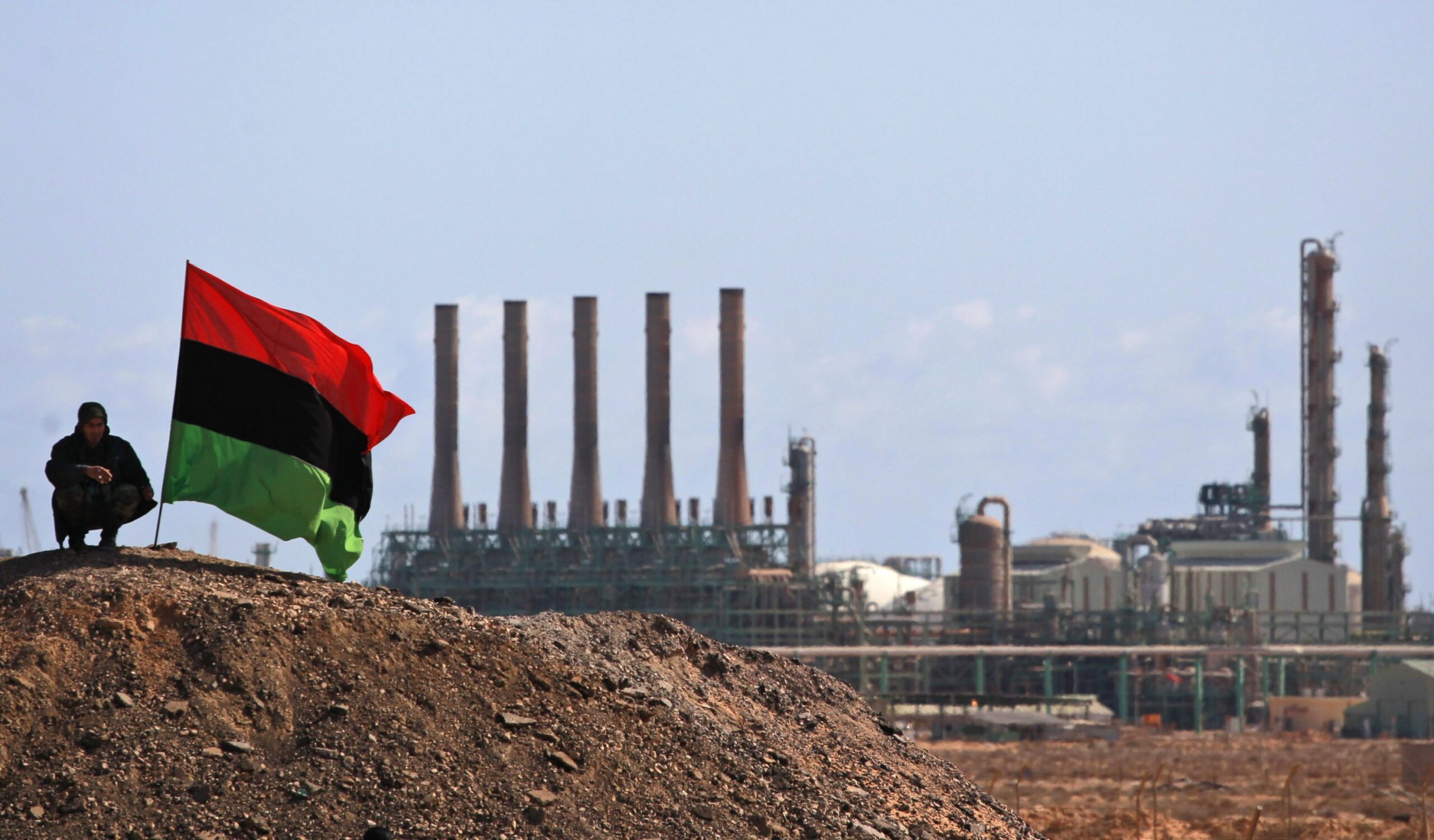
The first-ever ministerial conference of the Russia-Africa Partnership forum, chaired by Foreign Minister Sergey Lavrov, opened in the city of Sochi on Saturday. The two-day event is taking place at Sirius University, with the participation of foreign ministers from Russia and African states, as well as the leadership of the African Union Commission and major continental integration associations, the Russian Foreign Ministry said in a statement. The business program on the sidelines of the conference features roundtable discussions and panel sessions on key items on the Russian-African agenda, including security, trade and investment, industrialization, technology transfers, agriculture, the development of the mining sector, education, healthcare and epidemiological safety. The ministry said Lavrov held six bilateral meetings with his counterparts from the Central African Republic, Cameroon, Libya, Mali, Rwanda, Sudan, Uganda earlier in the day. Speaking at a meeting with Libyan Foreign Minister Taher al-Baour, Lavrov said the situation in the Middle East is changing fast. “We want to contribute as much as possible to its pacification in the Palestinian territories, in Lebanon, and in Libya,” he added. Russian Deputy Foreign Minister Mikhail Bogdanov, for his part, held talks with his counterparts from Ghana, Sierra Leone and Somalia.
Chad blames Sudanese army for destabilization, citing Deby killing
Chad has accused Sudan of arming and financing a rebel group operating in the region, and of being involved in the assassination of former President Idriss Deby.
Landslide death toll rises to 12 in Cameroon
Cameroon’s transportation network has been thrown into chaos by a series of landslides that have blocked a major road in the west of the country.
UN reports 1.4 million affected by flooding in South Sudan
The United Nations Office for the Coordination of Humanitarian Affairs (OCHA) has reported that approximately 1.4 million people have been affected by the flooding disaster in South Sudan, with 379,000 people displaced. According to a statement from OCHA, the floods in South Sudan this year have impacted around 1.4 million people. The statement also revealed that 379,000 people have been displaced due to the floods. The floods in South Sudan this year have been described as the worst in recent years, with many roads submerged. The statement noted that humanitarian aid deliveries have been delayed due to the difficult conditions and the efforts of response teams to reach affected communities. The statement also mentioned an increase in malaria cases, which has overwhelmed the health system and worsened the situation in flood-affected areas.
Rwanda discharges last patient of Marburg virus disease
More than a month after Rwanda declared an outbreak of Marburg virus disease, health authorities have discharged the last patient, the World Health Organization (WHO) said on Saturday. The last patient was discharged on Friday but their contacts, along with those of previously discharged patients, will continue to be followed up until the end of their 21-day observation period, the WHO said in a statement. If no new infections arise 42 days after the last confirmed case tests negative, the outbreak will be declared over. A total of 66 cases and 15 deaths have been recorded during the outbreak, which was declared on Sept. 27. Health Minister Sabin Nsanzimana said the outbreak is under control and though no new cases are being reported for over a week, surveillance measures continue. “This outbreak demonstrates that with the best available treatment, recovery is possible, and contributions to science can be made,” he said. “The evidence generated from this outbreak is going to help shape surveillance activities going forward and prevent future outbreaks.” Brian Chirombo, WHO representative in the East African country, attributed the containment of the disease to concerted efforts which involved rapid deployment of rapid response teams, close monitoring of contacts, and implementation of infection prevention and control measures. “Rwanda is successfully emerging from a highly challenging outbreak, effectively mitigating its potentially devastating impacts. The WHO remains committed to supporting these ongoing collaborative efforts until the outbreak is officially declared over,” he said. Marburg virus disease is in the same family as the virus that causes Ebola, a highly virulent disease that causes hemorrhagic fever, with a fatality ratio of up to 88%. The virus is transmitted to people from fruit bats and spreads among humans through direct contact with the bodily fluids of infected people, surfaces and materials. Symptoms include high fever, strong headache, vomiting and muscle aches.
Botswana swears in Duma Boko as president
Thousands of people gathered in Gaborone, Botswana, on Friday for the inauguration of the country’s new president, Duma Boko, marking the end of the former ruling party’s 58-year reign. Boko, leader of the Umbrella for Democratic Change (UDC) coalition, which secured 36 parliamentary seats and denied former president Mokgweetsi Masisi a second term, took the oath of office in front of a large crowd. Arriving in an open-top vehicle with flag-bearing soldiers on white horses, Boko delivered his first official address as president, calling for unity and reconciliation after a contentious election. He praised his predecessor, Masisi, for conceding power peacefully, despite the jeers he faced during the campaign. “This is a historic moment, humbling and sobering,” Boko said, emphasizing the importance of moving past division and focusing on the country’s future. He expressed deep gratitude to the citizens who elected him and promised to serve with love and dedication. Boko’s speech, filled with optimism, was light on specific plans but referenced his party’s campaign promises, including tackling corruption, implementing a minimum wage of 4,000 Pula ($302) per month, and expanding social benefits such as unemployment allowances and old age pensions. Unemployment remains the most pressing concern for Batswana, with rates rising to 27.6% in 2024, up from 25.9% in 2023. The country’s reliance on diamond exports, which account for 80% of revenue, has been strained by the global downturn in demand. Calls for increased local ownership and a larger share of the mining profits have gained traction. Among the dignitaries attending the inauguration were former president Ian Khama, South African Deputy President Paul Mashatile, and Economic Freedom Fighters leader Julius Malema. Boko’s victory and the peaceful transfer of power have been hailed as a historic moment for Botswana, a country once believed unlikely to see a peaceful handover to an opposition party.
Burkina Faso mulls death penalty reinstatement
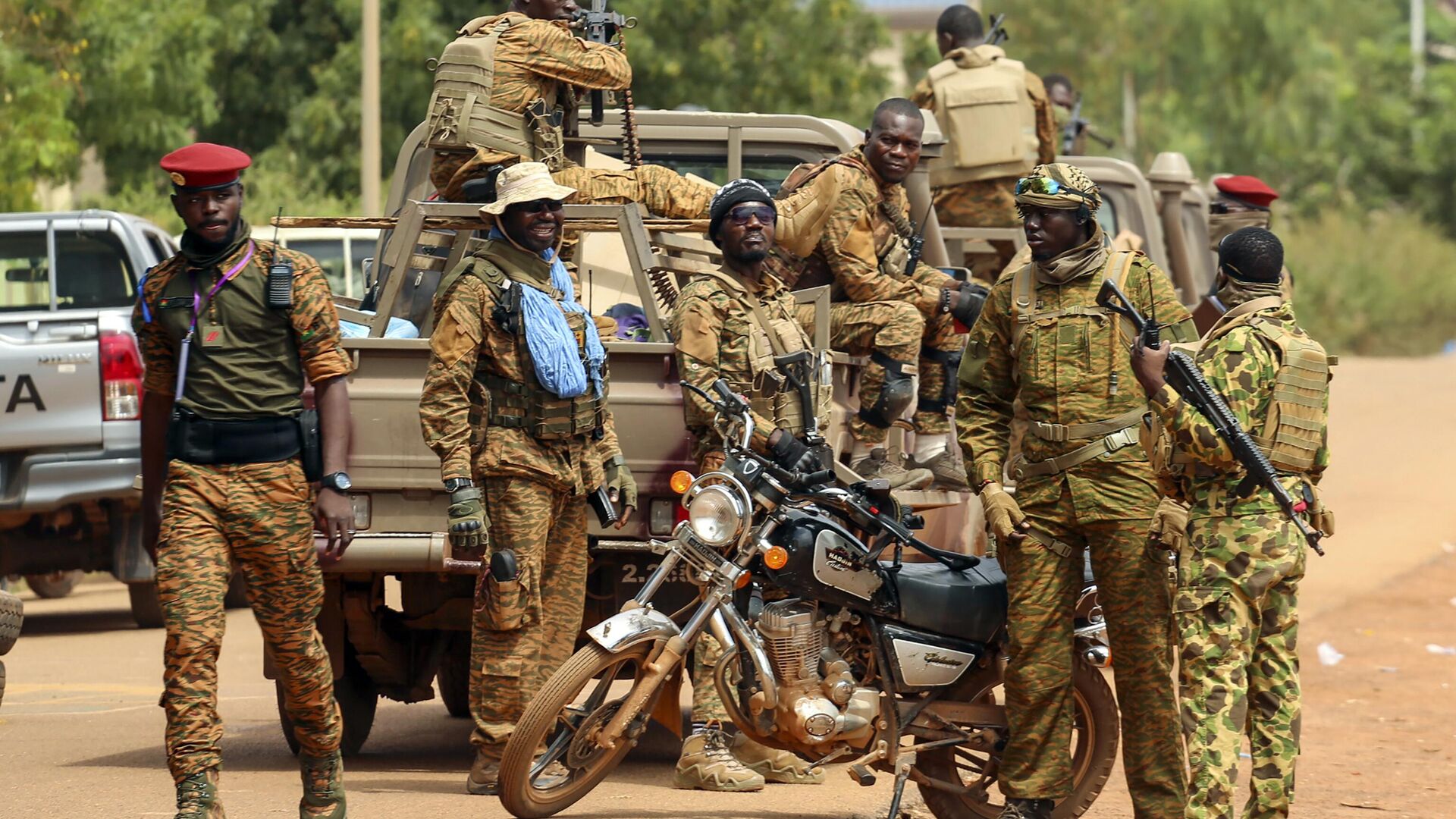
Burkina Faso’s military junta is considering bringing back the death penalty, a move that would reverse the country’s 2018 abolition of capital punishment.
African street food: A flavorful journey through regional delights
African street food is not only beloved by locals but is increasingly captivating tourists with its bold flavors
US, UN officials discuss Haiti, Somalia, Yemen issues
In a phone call with UN Secretary-General Antonio Guterres and US Secretary Antony Blinken discussed the security needs in Haiti and Somalia and advocated for detainees held by Houthis in Yemen.
New insurgent group kills 15 in Northwest Nigeria raid
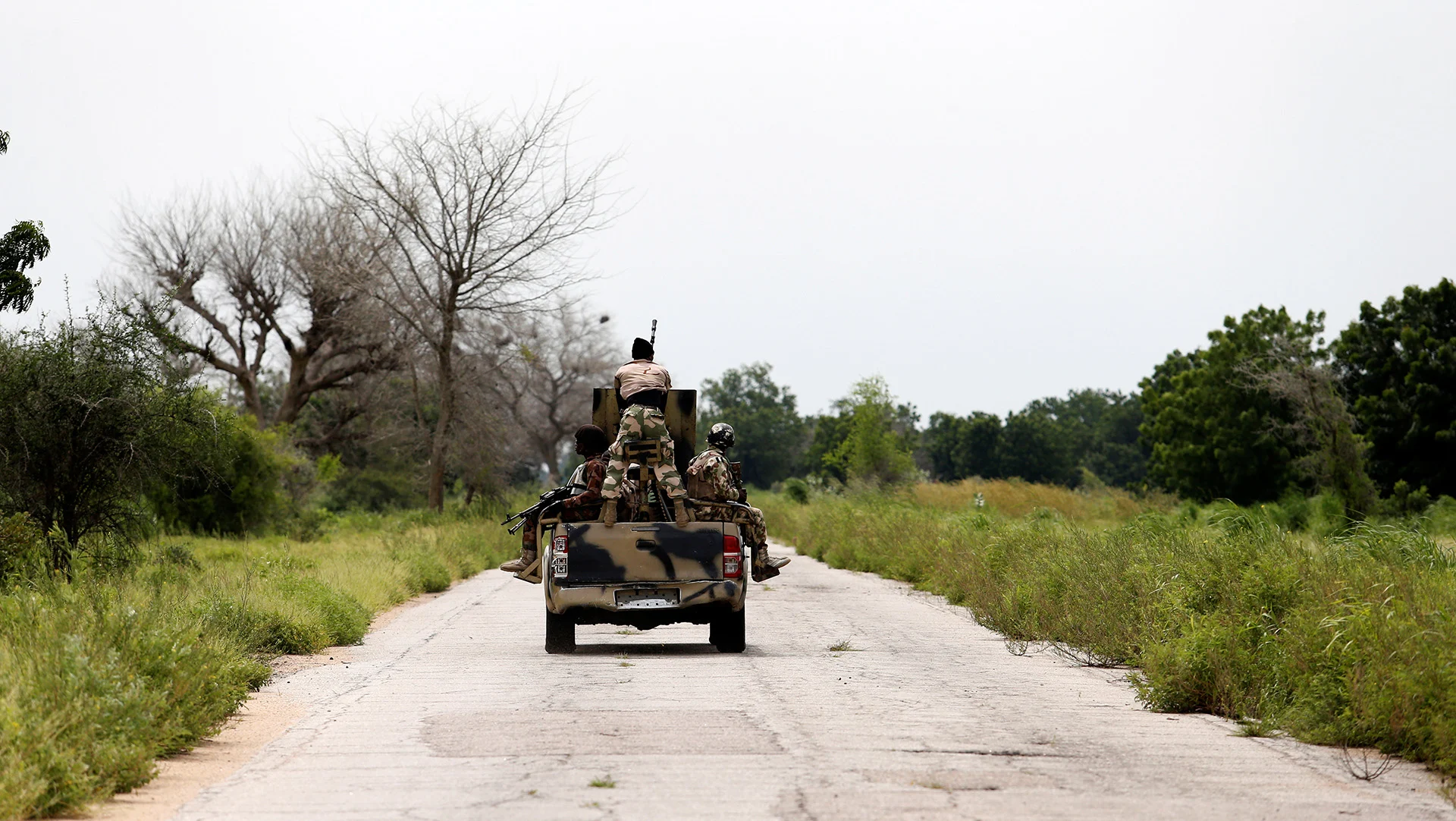
The group Lakurawas, formed by militant herding communities along the Nigeria-Niger border following a coup in Niger in July 2023, has recently emerged as a threat
Cairo: Africa’s first city to shine with street lighting in 1863
Cairo became the first city in Africa to introduce street lighting in 1863
Nigeria military denies secret abortions, child killings
Nigeria’s Human Rights Commission has concluded an investigation into allegations of war crimes by the Nigerian military in the northeast.
UNHCR: 71 pct of Sudanese refugees faced human rights abuses
As Sudanese refugees continue to flood into Chad, UNHCR reports widespread human rights violations, with many refugees suffering deep trauma and fleeing appalling violence.
US condemns M23 ceasefire violations in DR Congo
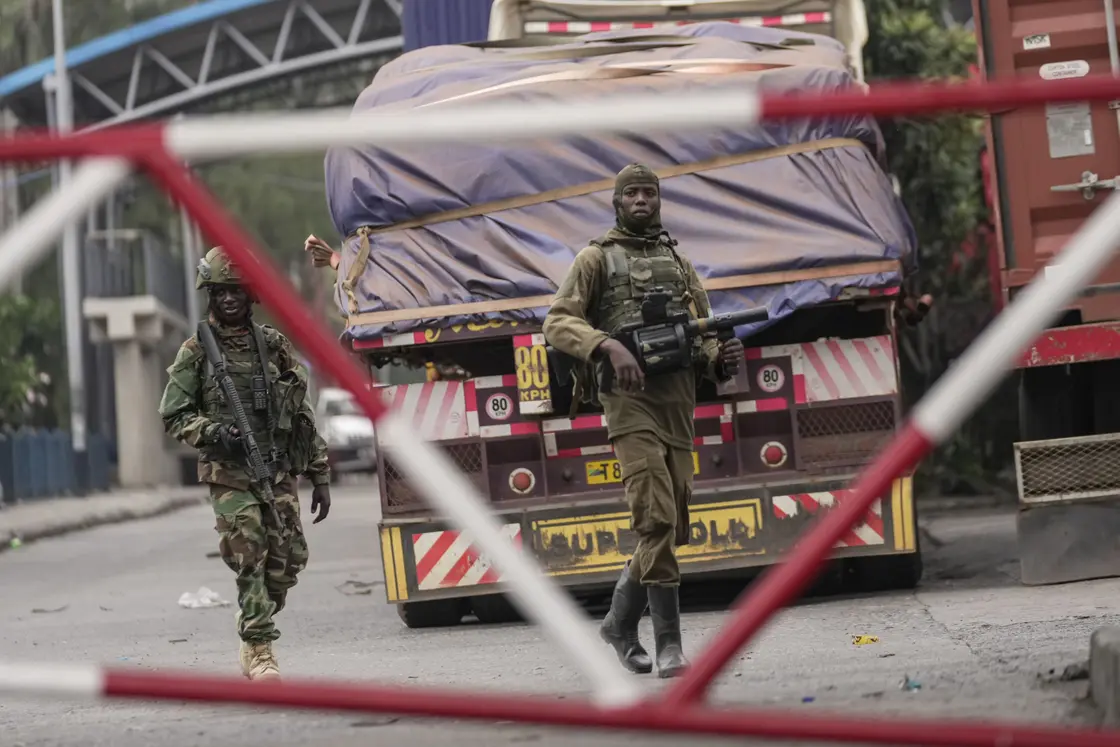
The US has expressed deep concern over M23 rebel group’s continued attacks in eastern DR Congo, urging immediate cessation of hostilities and withdrawal from occupied territories.
Mozambique protests intensify amid election dispute
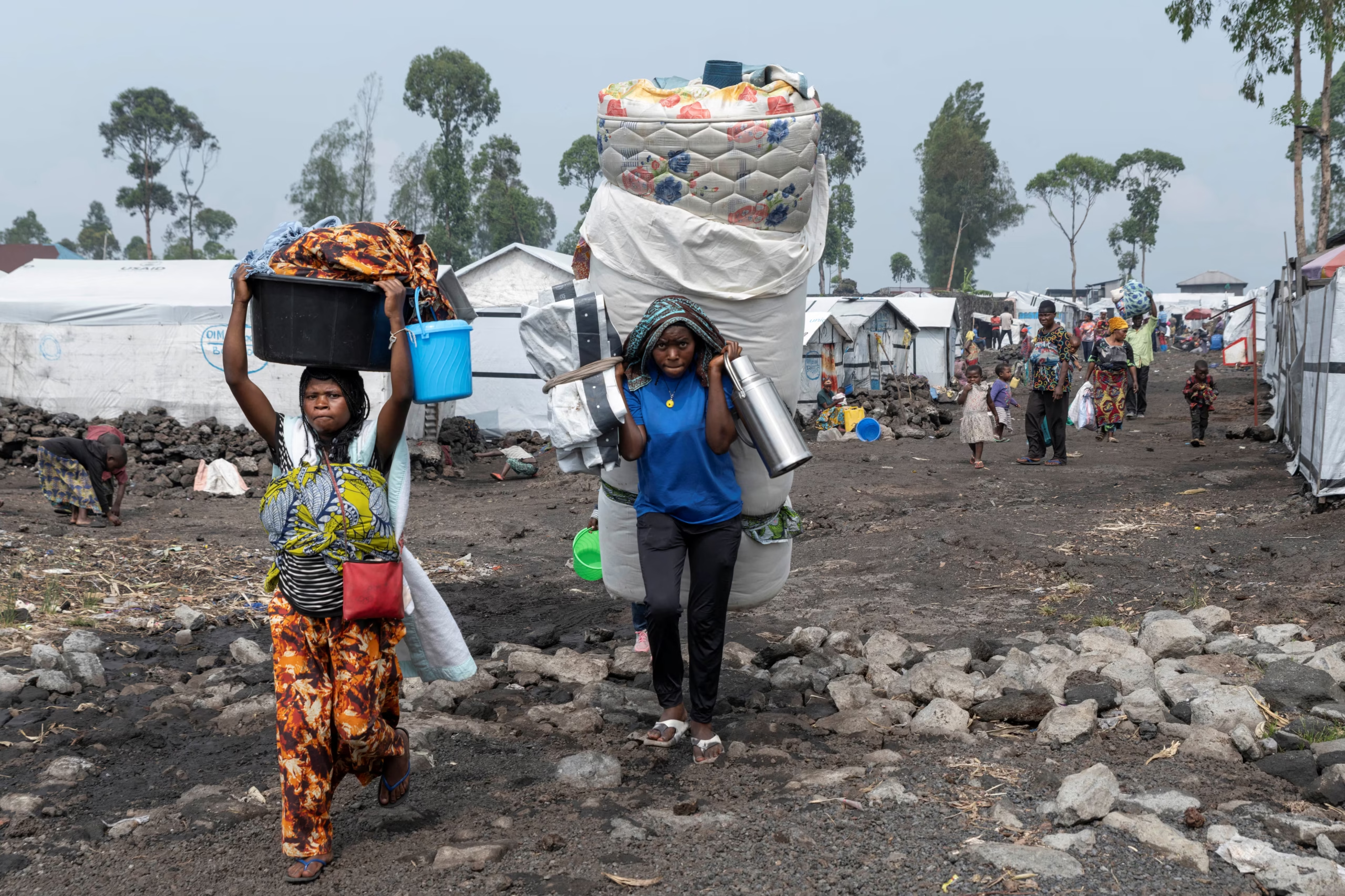
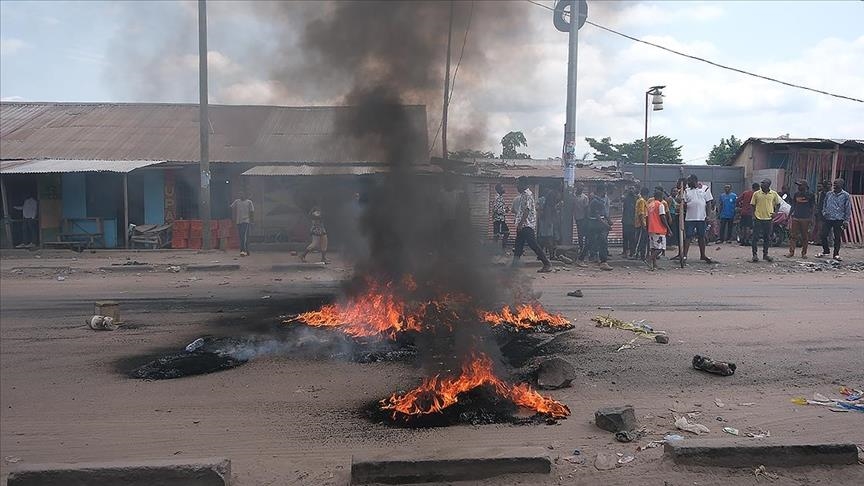
Thousands protested in Mozambique’s capital on Thursday and security forces responded by firing tear gas and rubber bullets, as weeks of post-election unrest continued in the southern African country. The protests were sparked by a vote last month that will keep the ruling party in power for more than a half-century amid allegations of rigging. Opposition parties and many citizens have rejected the results of the Oct. 9 presidential election as fraudulent and growing protests in the capital, Maputo, and other cities have been met by deadly force from police. Thursday’s protest was the biggest yet. International rights groups say police have killed at least 20 people since the unrest began nearly a month ago, while local groups say the death toll is more than 50. Authorities are threatening to deploy the army as protesters set fires on the streets and burn ruling party offices. According to Human Rights Watch, the internet is being restricted and social media sites have been blocked. Neighboring South Africa has shut its border post with Mozambique and heightened security around it. What happened in the election? The candidate for the ruling Front for the Liberation of Mozambique, Daniel Chapo, was declared the winner of the presidential election on Oct. 24. That keeps the party that has governed Mozambique since independence from Portugal in 1975 in power for another five years. Even before the results were announced, opposition parties claimed fraud, accusing the ruling party, Frelimo, of ballot stuffing, manipulating voter lists, and staffing polling stations with officials loyal to it. Frelimo has long been accused of rigging elections in the country of around 34 million. The European Union’s observer team said there were irregularities in the election, including the altering of some results. Mozambican media has reported that the Constitutional Council, the supreme body for election law, has asked the commission that ran the election to explain discrepancies. Senior opposition figures killed Independent candidate Venancio Mondlane, who was second behind Chapo in the official results, has led criticism of the vote. He called for a national strike and for people to stay at home in the days after the election in protest at the alleged tampering. But the mood changed when two senior opposition figures were killed in their car in a late-night shooting by unidentified gunmen on Oct. 18. The men who were killed were the lawyer for Mondlane and the official spokesperson for the political party that supported Mondlane in the election. Mondlane said they were assassinated and he and opposition supporters gathered near the site of the killings the day after to protest. Police fired tear gas canisters at Mondlane, his aides and journalists who were interviewing him, forcing them to flee. Growing protests Since then, there have been waves of protests across the country. In one city, protesters toppled and cut the head off a statue of current President Filipe Nyusi, who is stepping down after serving a maximum two terms. Mondlane said on social media that he had gone into exile in fear for his life after the killing of his lawyer. His whereabouts are unknown, but he has called on social media for more protests “so that we can then be freed from these shackles that have held us up for 50 years.” Authorities have said little other than the protests have been violent and needed to be quelled. They have not given information on the number of people killed or injured in the protests. Rights groups accused the police of shooting at peaceful protests in the days after the election and said children were among the victims. Anger among opposition supporters has swelled. The presidential palace is under heavy guard. A history of civil war and violence Mozambique is still in the shadow of a bloody 15-year civil war the leftist Frelimo fought against rebel group Renamo after independence. The country only held its first elections in 1994 and this was the first vote where there were no armed groups connected to political parties after a process to disarm militias. The country, which has rich natural resources including large, newly discovered natural gas fields, was already struggling with a yearslong insurgency by an Islamic State-affiliated group in the northern province of Cabo Delgado. Mondlane, who broke away from Renamo, has support among Mozambique’s disaffected youth and he and the new Podesa party that is backing him have become the biggest challenge to Frelimo’s long rule.
Samburu tribes celebrate tradition with cultural festival in Kenya
The tribes living in the Samburu region in northern Kenya are among the few that can still live according to their traditions. One of the most important aspects of the Samburu tribe’s survival is their livestock, including cattle, sheep, goats, and camels, from which they earn their livelihood. At a festival organized by the nomadic Maa community in the Samburu National Reserve, they performed cultural dances in their traditional clothing and jewelry.
Landslide in Western Cameroon kills 4, over 50 missing
At least four people have died and over 50 are missing in western Cameroon after three passenger buses and several road workers were caught in a landslide, authorities reported on Wednesday, November 6. Torrential rains weakened the soil, triggering the landslide on Tuesday along a highway connecting Dschang in Cameroon’s West Region to the economic capital, Douala. Cameroon’s Minister of Public Works, Emmanuel Nganou Djoumessi, confirmed that only four bodies had been recovered from the rubble, with many others still buried in the debris. “I’ve instructed that the bodies be taken to the mortuary and survivors receive immediate care,” said Djoumessi. This tragedy follows widespread flooding across West Africa, including neighboring Nigeria, where heavy rains have killed over 1,000 people and displaced hundreds of thousands this year. Governor of the West Region, Augustin Awa Fonka, noted that landslides have become more frequent in Cameroon, attributing the increasing frequency of such disasters to climate change and the deteriorating state of local infrastructure.
Sudan launches malaria vaccine campaign
Sudan Launches First Malaria Vaccination Campaign Amid Ongoing Conflict Sudan has begun its first malaria vaccination campaign amid its 18-month-long civil war, targeting 148,000 children under 12 months across 15 sites in Gedaref and Blue Nile states. The country is one of the first 16 African nations to roll out the malaria vaccine, a joint initiative by the Federal Ministry of Health, UNICEF, the World Health Organization (WHO), and Gavi, the Vaccine Alliance. The campaign follows the arrival of 186,000 vaccine doses in October, with plans to expand the program to 129 sites by 2025 and 2026. Malaria remains a leading cause of death in Africa, with nearly half a million children under five dying annually from the disease, according to UNICEF. In 2023, Sudan reported more than 3.4 million malaria cases, with an estimated 7,900 deaths. However, the ongoing conflict has made accurate reporting difficult. The vaccine, recommended for children aged 5-12 months, aims to reduce hospital admissions and fatalities from malaria. The conflict, which erupted in April 2023 between the Sudanese military and the Rapid Support Forces, has displaced over 14 million people, or about 30% of the population, according to the UN.
Africa CDC sounds alarm: Mpox crisis deepens
The Central African region is the epicenter, accounting for a majority of cases and deaths.
Africa CDC presses Trump on mpox funding
Africa CDC is urging the Trump administration to honor Biden’s pledge of $500 million and 1 million mpox vaccines amid the continent’s ongoing mpox outbreak.
ICC issues arrest warrant for Central African Republic militia leader
Beina faces charges of war crimes and crimes against humanity, including mass killings, murder, rape, and persecution