



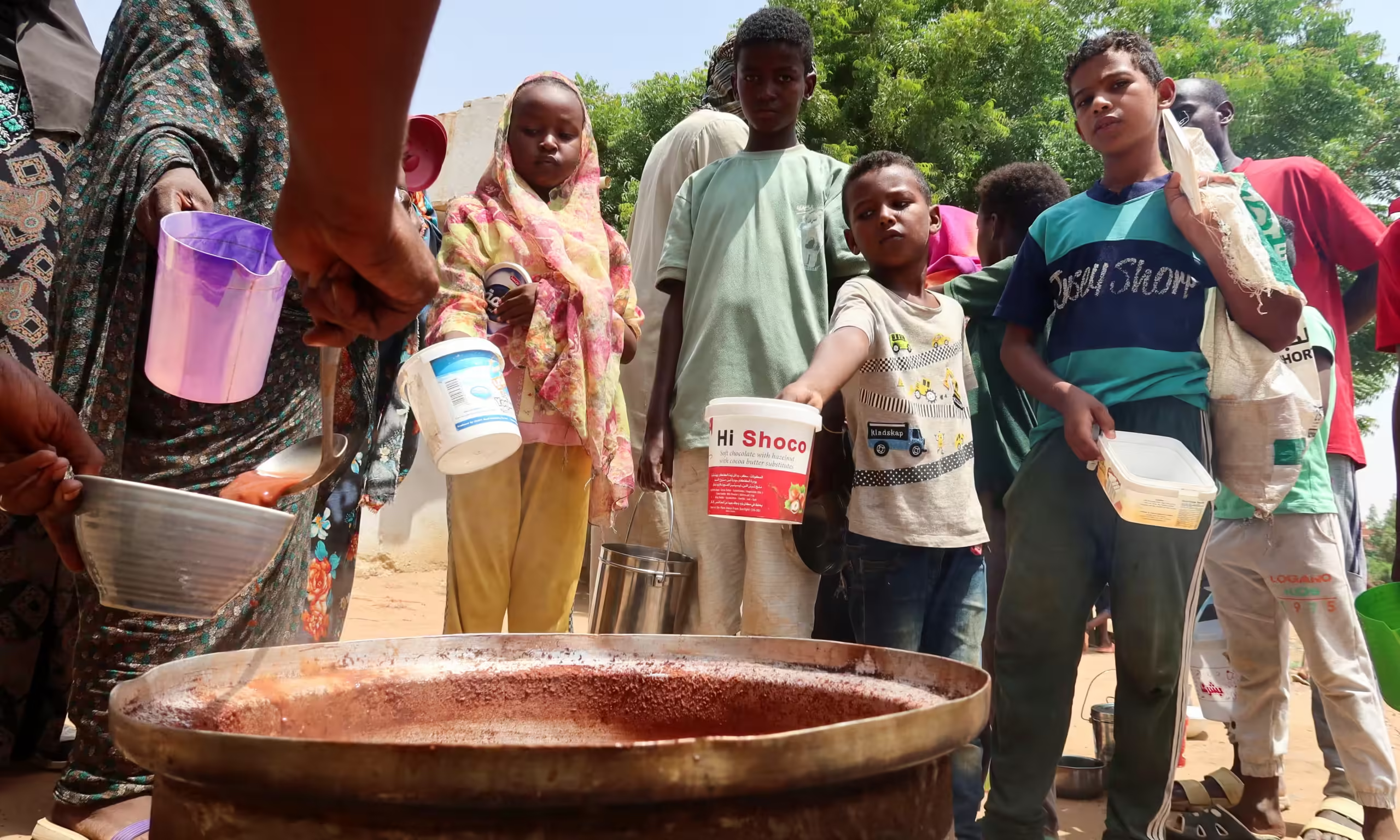
Famine declared in Sudan’s north Darfur
Aid restrictions have exacerbated the crisis, putting millions of lives at risk. Urgent action is needed to prevent further loss of life.

Was al-Burhan assassination a false flag operation?
On Tuesday, General Abdel Fattah al-Burhan narrowly escaped an alleged assassination attempt, occurring just one day after his government hinted at a willingness to participate in US-backed ceasefire talks in Switzerland. During a military graduation ceremony on Wednesday, al-Burhan publicly rejected the proposed talks in Geneva and demanded global recognition of his authority over Sudan. His delayed response to US Secretary of State Antony Blinken’s invitation for the peace summit, scheduled for August 14, contrasts with his previous dismissals of international negotiations. The attempted attack reportedly took place in Red Sea State during a military parade and cadet graduation ceremony in Gebeit. Sources indicate that two suicide drones targeted the event, resulting in five fatalities and several injuries, according to a rapid press release from the Sudanese Armed Forces (SAF). This prompt communication is unusual for SAF, known for its typically slower updates in such situations. Following the incident, al-Burhan addressed his supporters with a resolute message, “one army, one people,” and visited the wounded at Gibeit Hospital, also attending the victims’ funeral. The attack has sparked comparisons with recent assassination attempts on high-profile figures, including US presidential candidate Donald Trump, with Sudanese social media users drawing parallels between Burhan and Trump. Speculation and Patterns There is significant speculation about the attack’s origins. Possibilities range from regime hardliners opposed to peace negotiations to potential involvement by the Rapid Support Forces (RSF). Despite this, the RSF’s lack of long-range drone technology makes them an unlikely culprit. However, recent Sudan-Iran relations and Tehran’s support for SAF suggest the possibility of Iranian drones being involved. The RSF would gain little from targeting Burhan, who is widely disliked. This incident follows a pattern of suspicious drone attacks in SAF-controlled regions, which some analysts view as potential “false flag” operations intended to bolster pro-war factions and undermine ceasefire efforts. Political Implications The alleged assassination attempt may politically benefit al-Burhan, potentially addressing criticisms of military inefficiency and justifying crackdowns on perceived opponents. These crackdowns have intensified, with thousands detained on accusations of collaborating with the RSF or opposing the war. The timing of the attack is significant, coinciding with Sudan’s foreign ministry’s request for consultations with the US on ceasefire talks. Despite Burhan’s public rejection of negotiations, his government showed some willingness for dialogue, a stance the RSF had already accepted. US Special Envoy Tom Perriello has been preparing for these talks with backing from the Arab League, IGAD, and the UN. The US State Department has condemned the violence but has not provided extensive comments on the attack. Lack of Visual Evidence As of Wednesday, there is no definitive visual evidence of the drone attack. Available footage shows only panicked reactions and smoke, without clear evidence of the drones, explosions, or casualties.
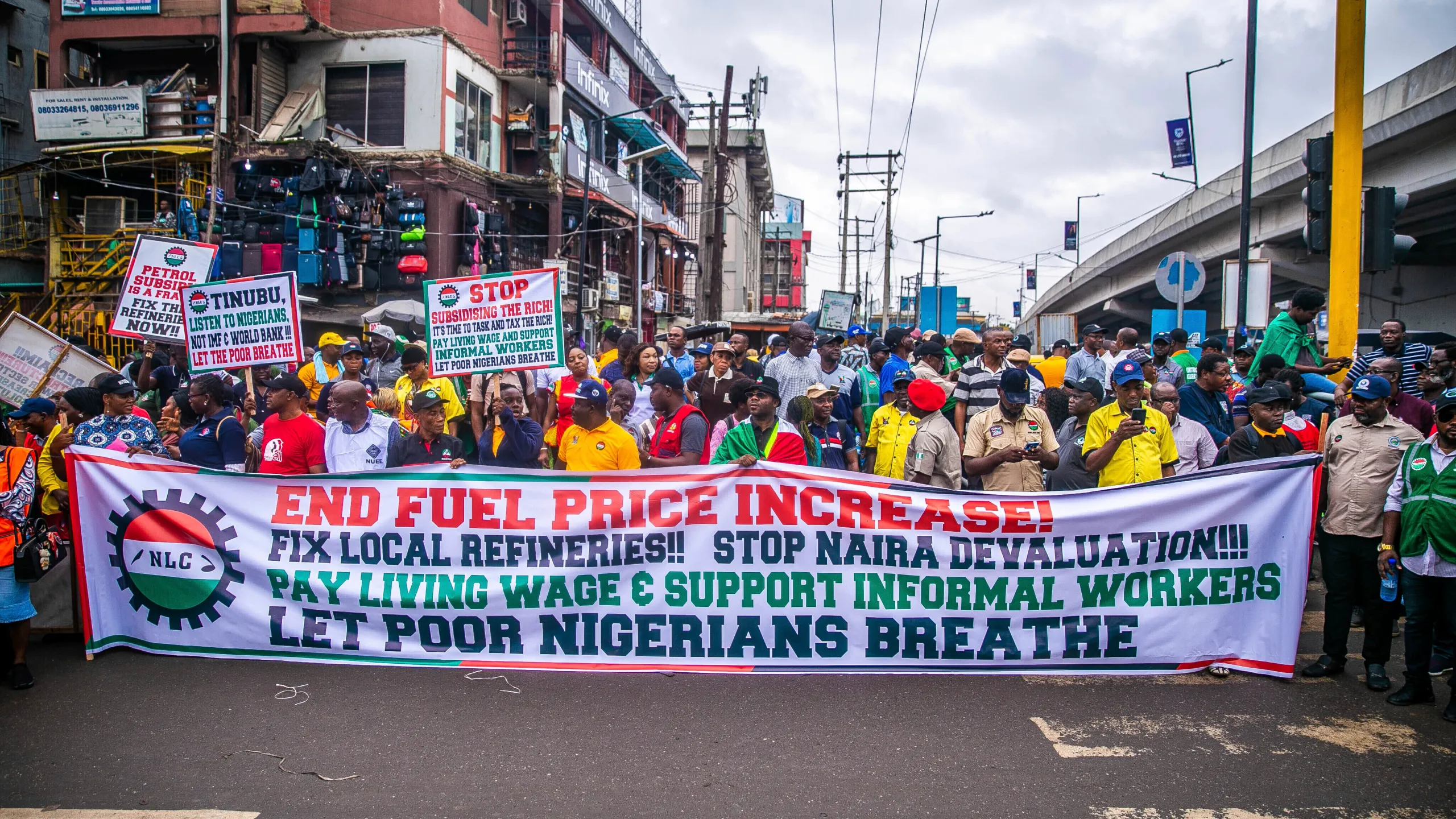
Police clash with protesters in Nigeria over rising costs
In Lagos, police monitored the protests as demonstrators marched towards government buildings and designated protest sites

Nigerian protesters killed amid nationwide unrest
Nigeria is engulfed in widespread unrest as citizens protest against soaring living costs and government failures, resulting in multiple deaths.
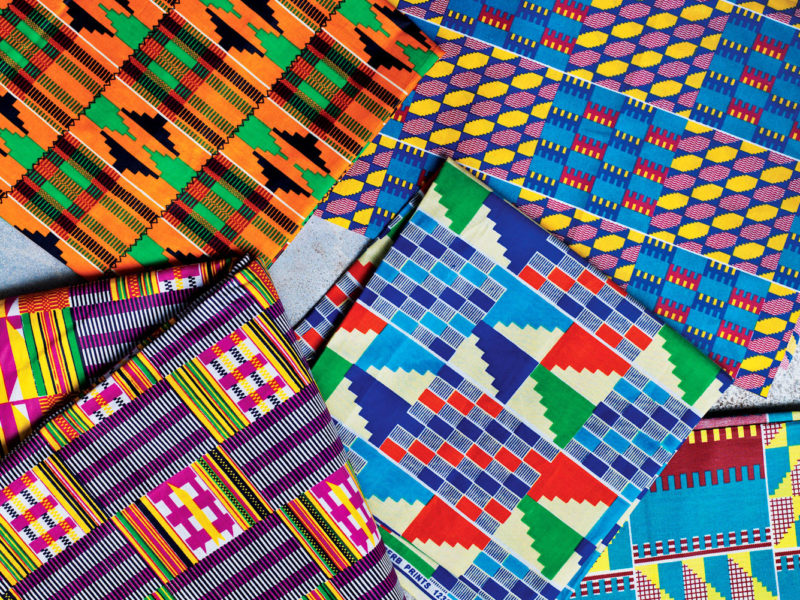
Ashanti and Ewe weave cultural legacy with Kente cloth
Kente cloth, known for its vibrant hues and detailed designs, is a product of skilled craftsmanship

S Africa condemns Haniyeh’s assassination, warns of Middle East turmoil
South Africa’s government condemned the assassination of Hamas political leader Ismail Haniyeh on Thursday, warning that the killing could further destabilize the Middle East. The attack, which occurred in Tehran, is widely believed to have been carried out by Israel, although the Israeli government has not officially commented. South Africa, a vocal critic of Israel’s military actions in Gaza, has likened the plight of Palestinians to that of South Africa’s Black population during apartheid—a comparison that Israel rejects. In a statement, South Africa’s Department of International Relations and Cooperation expressed concern that Haniyeh’s assassination and ongoing attacks on civilians in Gaza would exacerbate regional tensions. The government extended condolences to Haniyeh’s family and called for an investigation into his death. Haniyeh was a key figure in Hamas’s international diplomacy and had been involved in indirect negotiations aimed at reaching a ceasefire in Gaza following Hamas’ attack on Israel on October 7. Following the onset of Israel’s air and ground offensive in Gaza, South Africa’s then-Foreign Minister Naledi Pandor had contacted Haniyeh to discuss humanitarian aid for the Palestinian enclave. South Africa has long supported Palestinian statehood and previously brought a case against Israel at the International Court of Justice, accusing it of genocide over its actions in Gaza—a claim Israel denies. While South Africa’s stance has strained relations with some Western allies, the country insists that its support for Palestinians does not equate to support for Hamas, which is classified as a terrorist organization by many Western countries and is committed to Israel’s destruction. New Foreign Minister Ronald Lamola declared that Haniyeh’s killing violated international law and undermined efforts to achieve peace and stability in the Middle East. He emphasized the need for the perpetrators to be brought to justice.

General Al-Burhan rejects US-backed Sudan peace talks
Al-Burhan vowed to continue fighting until the country is “cleansed” of all rebels and mercenaries

Kenya undertakes mass poisoning to control invasive crows
In a bid to tackle the nuisance created by invasive Indian house crows, authorities in coastal Kenya have initiated a culling operation aimed at eliminating a million of these birds. Unlike the scenario in Alfred Hitchcock’s horror film “The Birds,” this initiative targets the crows, which have caused significant disruptions for decades by preying on wildlife, raiding tourist areas, and attacking poultry farms. The culling, involving the use of poison, has commenced in Watamu and Malindi, with the goal of preventing the crows’ advance toward Nairobi. Known locally as “kunguru” or “kurabu,” these crows originated from India and other parts of Asia, often traveling on trading ships. They were intentionally introduced to East Africa in the 1890s to address a waste problem in Zanzibar. The crows were first recorded in Mombasa in 1947, and their population has since surged due to the abundance of rubbish and lack of natural predators. The Indian house crows are considered one of the world’s most invasive and destructive birds. They have severely impacted biodiversity by preying on indigenous species, including birds, mammals, and reptiles. Conservationists report significant declines in small native bird populations, such as weavers and waxbills, due to the crows’ nest-raiding behavior. Eunice Katana, a farmer in Kilifi county, describes the crows’ behavior as wild and damaging, noting that they attack livestock and defecate on houses. Residents also complain about the birds’ early morning noise and their tendency to dirty tree shades. The poisoning campaign aims to halve the crow population, following consultations with environmental experts, conservationists, community leaders, and the hotel industry. The culling process involves months of pre-baiting, followed by poisoning at gathering sites using Starlicide, an avian poison effective against crows without harming other species. In 2022, tests of the poison killed close to 2,000 crows. Currently, 2kg (4.4lb) of poison is available in Kenya, sufficient to kill about 20,000 crows, with plans to import more from New Zealand. However, the use of poison has raised ethical concerns among animal and bird rights activists, who argue for humane, sustainable alternatives. Despite these concerns, proponents of the culling emphasize the need to protect native species and maintain ecological balance. This culling effort is not Kenya’s first attempt to control invasive bird species; a similar program over 20 years ago had some success before being halted. Now, with the crows spreading inland, authorities are determined to act decisively to prevent further ecological damage.
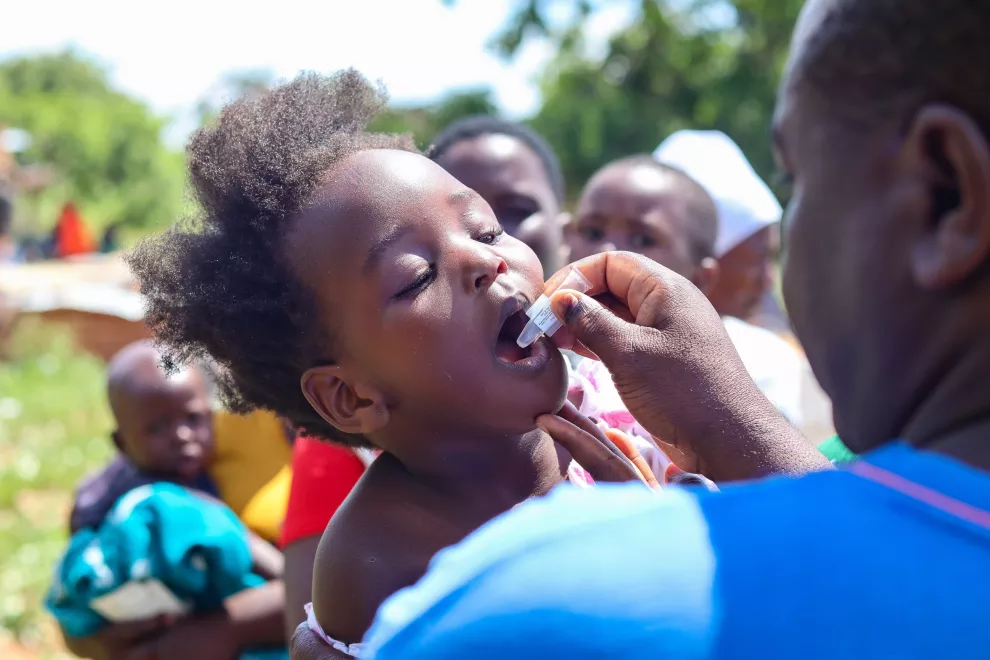
Cholera death toll in Nigeria rises to 156
The cholera outbreak in Nigeria has now claimed 156 lives, according to the Nigeria Center for Disease Control (NCDC). Between July 15 and 21, the country reported 170 new cases and three deaths. Since January, there have been 4,809 reported cholera cases. In response, medical supplies for case management and infection control have been distributed to health centers nationwide. Nigeria declared a national emergency on June 26 due to the outbreak. Last year, Nigeria recorded over 3,000 cholera cases and more than 100 deaths. Cholera, caused by the bacterium Vibrio cholerae and spread through contaminated food and water, can lead to severe diarrhea and dehydration, which can be fatal if untreated. The country’s challenges with clean water access and medical resources exacerbate the risk of disease. Additionally, Nigeria frequently contends with outbreaks of malaria, polio, typhoid, and monkeypox.
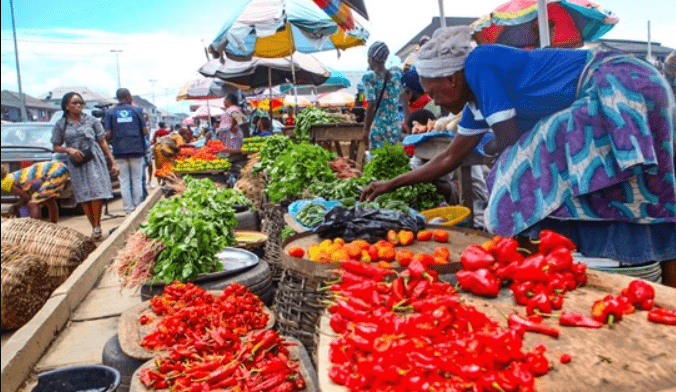
Nigeria plans nationwide protests over economic struggles
Nigerians are planning nationwide protests this week to tackle the worst cost-of-living crisis the country has seen in decades. With strong backing on social media, there are concerns that the demonstrations could mirror the deadly anti-police brutality protests of 2020 or lead to unrest similar to the recent chaotic protests in Nairobi over a tax hike. President Bola Tinubu’s government is working to prevent such outcomes. Local media reported on Tuesday that organizers of the planned protests against rising economic hardships on Thursday have rejected a police proposal to confine the rallies to specific areas. Human Rights Watch criticized the officials’ response, suggesting it reflects a concerning willingness to suppress dissent.

Rwanda leading Africa’s surgical revolution
Rwanda’s IRCAD Africa Advances Surgical Training Across the Continent ICRAD Africa, based in Rwanda, has trained over 300 African surgeons in minimally invasive surgery, addressing the gap between high and low-income countries in high-tech surgical practices, according to a government health official. Inaugurated as the continent’s sole center focused on research and training in minimally invasive surgery, IRCAD Africa aims to enhance Africa’s medical expertise. This modern technique reduces pain and trauma for patients, leading to shorter hospital stays, lower risks of bleeding and infection, and faster recovery times. Many African nations still rely on traditional, more invasive surgical methods, which involve longer recovery periods and more significant patient trauma. IRCAD Africa’s managing director, David Kamanda, emphasized that over 95% of Africa’s population lacks access to advanced medical and surgical procedures, highlighting the center’s role in bridging this gap. Surgeons from 25 African countries and beyond have trained at IRCAD Africa, chosen for its global rankings, safety, and connectivity. Founded in 1994, IRCAD has become a global leader in minimally invasive surgery (MIS) and its application in low- and middle-income countries is expected to reduce surgical mortality in poorly equipped hospitals. Rwandan President Paul Kagame praised IRCAD Africa’s launch, seeing it as a significant investment in public health infrastructure. Dr. Anel Lengton, a South African general surgeon, lauded the center for providing real-time practice on actual tissue, a rare opportunity. Dr. Omeke Joseph Chigozie from Nigeria, training in laparoscopic techniques, praised IRCAD Africa for its potential to produce future medical leaders and impact not just Rwanda and Africa, but the world.

South Sudan faces UN outrage over killings
The United Nations has expressed deep concern over a surge in extrajudicial executions in South Sudan, including the killing of a child by firing squad.
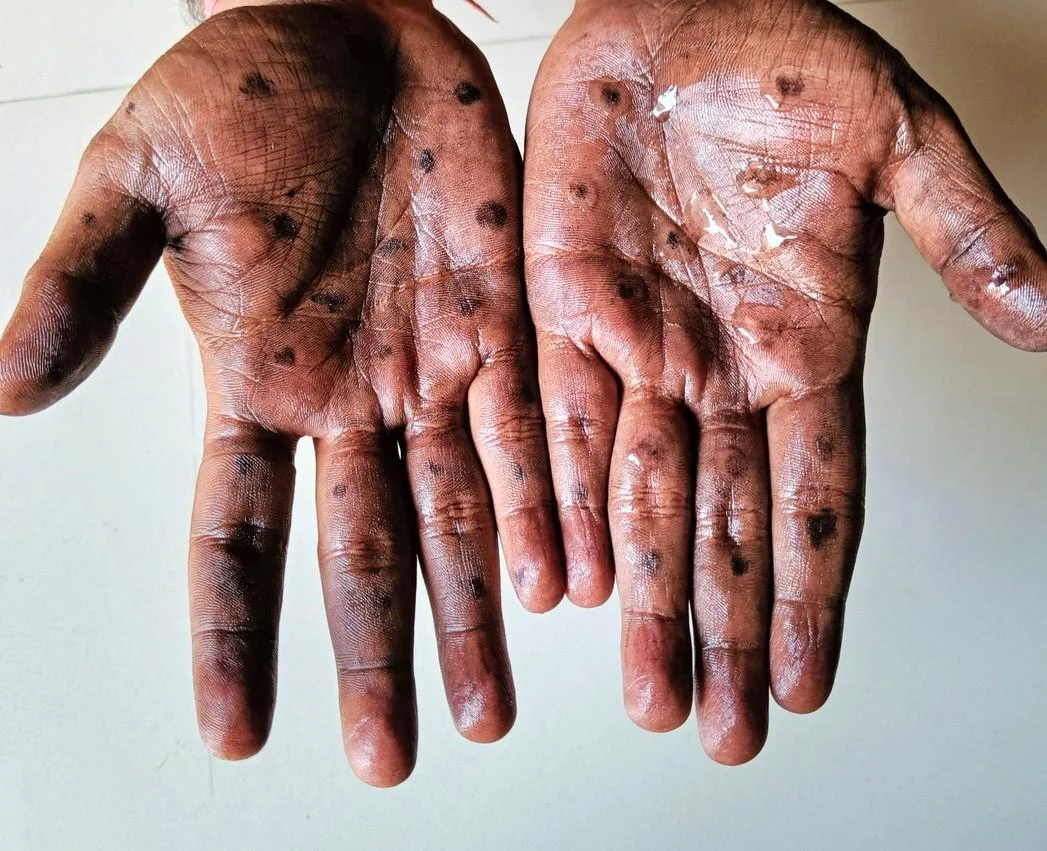
Mpox outbreaks emerge in Kenya and Central African Republic
Mpox is making a comeback in Africa with new outbreaks in Kenya and the Central African Republic.
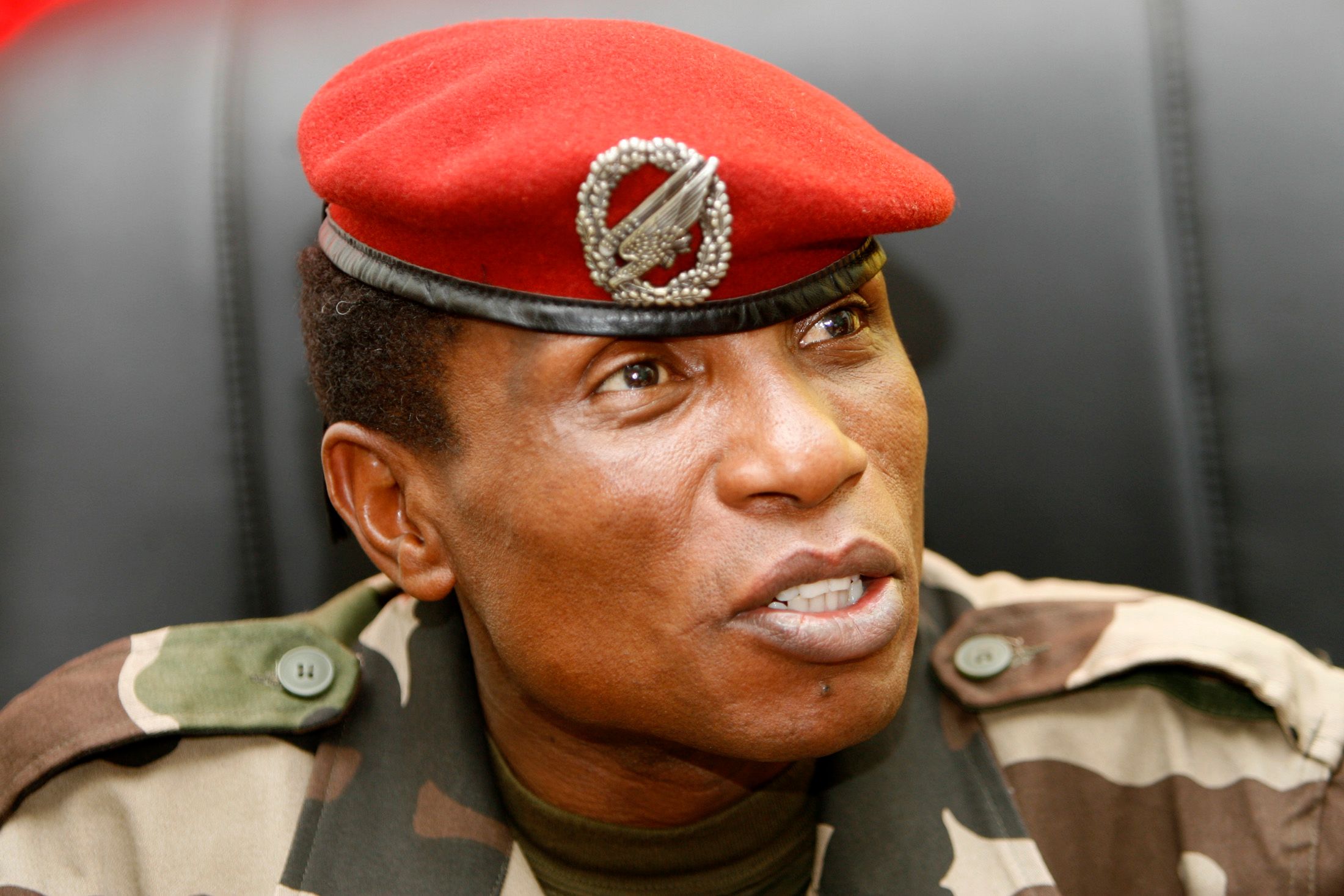
Dadis Camara sentenced to 20 years in Guinean court verdict
Guinean court has sentenced former dictator Moussa Dadis Camara to 20 years in prison for crimes against humanity in connection to a 2009 political rally massacre.

Five children killed in South Africa school bus crash
Authorities are investigating the cause of the crash while the nation mourns the loss of young lives.

Agribusiness boom in Africa: Startups lead with tech solutions
Agribusiness in Africa is experiencing a rapid transformation as a wave of technology-driven startups emerge

Kenyan court orders $3.4m payout for Garissa attack victims
The court ruled that the state failed to protect students from the al-Shabaab attack.

HRW lambasts Tanzania of Maasai evictions
World Bank and European Union have suspended funding to Tanzania over the forced displacement of Maasai people.

RSF says political deal a must before forces can vacate gov’t buildings
His remarks come in the wake of recent talks in Geneva between the RSF and the forces of General al-Burhan (SAF)
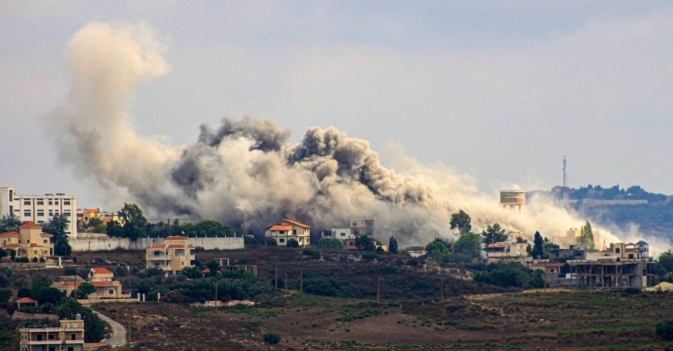
Drone strike hits Sudanese base during SAF General Burhan’s visit
The strike resulted in five fatalities

Nigerian singer and actress Onyeka Onwenu dies at 72
Onwenu’s illustrious career spanned music, film, journalism, and politics

Genocide survivor reflects on faith and resilience 30 years later
Thirty years ago, Pascal Kanyemera, then a teenager hiding from the machetes that claimed his father, two brothers, and around 800,000 others during the Rwandan genocide, made a pact with God. “If I survive one more week, I will give you 100 Rwandan francs,” he prayed. God listened, and Kanyemera, now 46 and living in Ottawa, Canada, kept his promise, paying 400 Rwandan francs in total. “It shows how much I trusted in His protection,” he says. Kanyemera’s grandmother, uncles, and cousins were among the thousands of Tutsis killed by Hutu extremists in the genocide, which began on April 6, 1994, when a plane carrying President Juvénal Habyarimana was shot down. Hutus blamed the Tutsis for the attack, leading to widespread massacres with military and police support. Kanyemera, hiding in a school, learned of his family’s deaths only after he was reunited with his mother and sisters in a French-controlled refugee camp in late May. Survivors like Kanyemera and Frida Umuhoza, who witnessed her mother’s beheading and survived brutal attacks, recount their harrowing experiences. Umuhoza, in her book Chosen to Die: Destined to Live, describes her ordeal and how Christian faith helped her forgive. Another survivor, Immaculée Ilibagiza, survived 91 days hiding in a pastor’s bathroom, finding solace in prayer. Kanyemera, now president of the Humura association supporting genocide survivors, attributes his survival to divine intervention. Despite the dangers, including Hutu militias patrolling the school where he hid and planned attacks on refugee camps, he survived. Many survivors, despite the pain, continue to share their stories, educate younger generations, and write about their experiences to prevent future genocides. Tarcisse Ruhamyandekwe, who lost family members in the genocide, emphasizes the importance of remembering and honoring those who perished. He reflects on the brutal nature of the killings and the discrimination Tutsis faced, which started early in life with enforced identification. Ruhamyandekwe, who fled to Congo in 1985 to escape rising violence, recalls the long-standing animosity that fueled the genocide. Despite the challenges, he has preserved memories of his childhood home in Rwanda and shares his experiences with his children. Writing and faith have been his sources of solace and expression. “In my book, I talk about what I call the invisible hand of God,” he says. “Some call it luck, but I believe it was divine guidance.” For Ruhamyandekwe, remembering and teaching future generations about the genocide is crucial for reconciliation and honoring the memory of those lost.
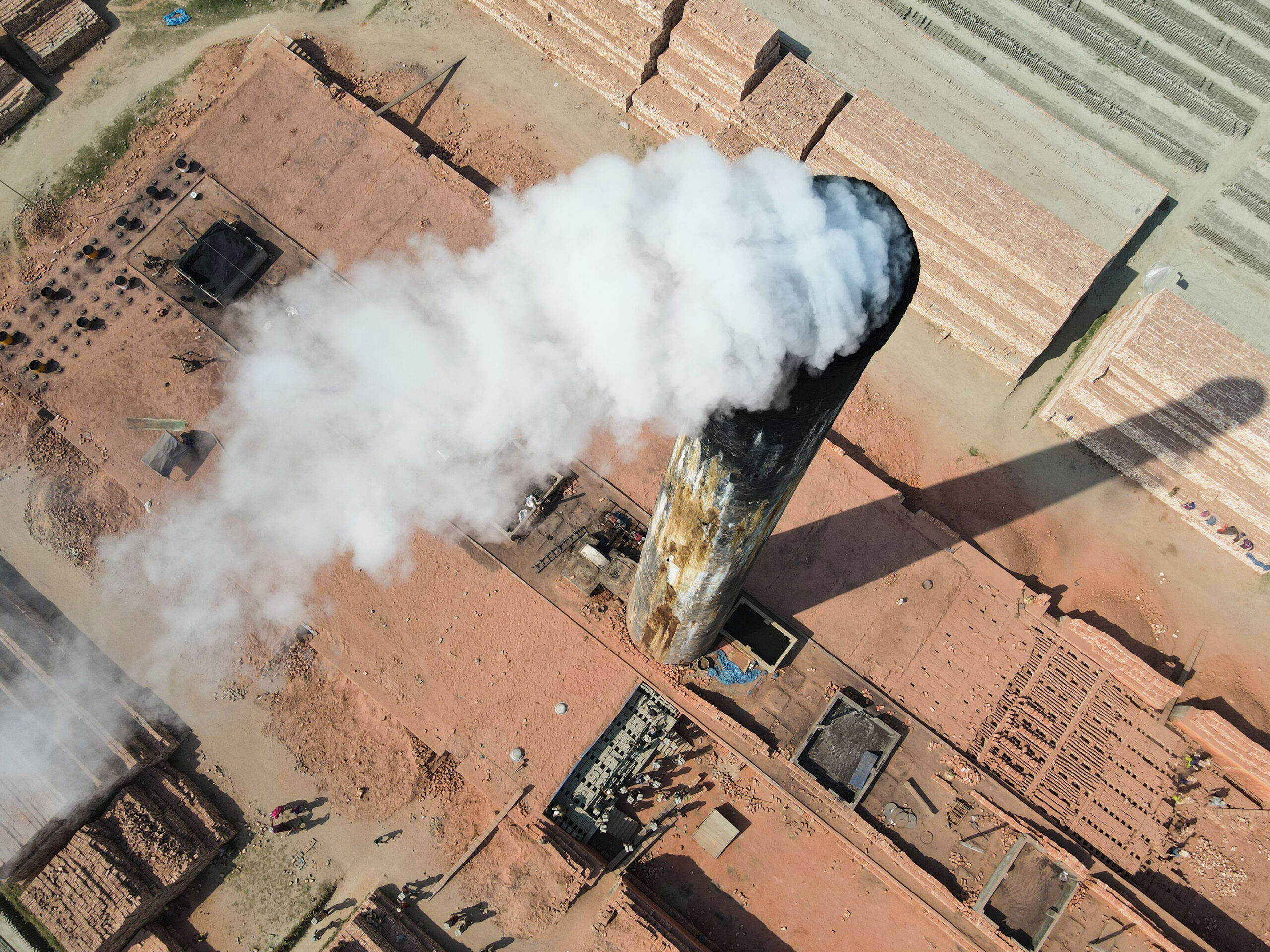
Africa feels climate change effects more severely
The impacts of climate change on livelihoods are varying significantly across regions, with the most vulnerable areas, including many African countries, experiencing severe daily disruptions. According to the Intergovernmental Panel on Climate Change (IPCC), African countries, despite contributing minimally to greenhouse gas emissions, are among the hardest hit by human-induced climate change. Factors such as high dependence on rain-fed agriculture, inequitable access to financial resources, and weak adaptation capacity contribute to the heightened impact. The ND-GAIN index highlights that nine out of the ten most vulnerable and least resilient countries to climate change are in Africa, including Chad, the Central African Republic, Guinea-Bissau, Eritrea, the Democratic Republic of the Congo, Sudan, Niger, Zimbabwe, and Liberia. Climate change is causing rising ocean levels that threaten Africa’s coastal metropolises with reduced land area, increased coastal flooding, and stronger storm surges. The African coastline has been experiencing a steady rise in sea levels for the past four decades. Experts predict that if this trend continues, sea levels could rise by 0.3 meters by 2030, affecting 117 million Africans. The survival of Africa’s coastal ports, which handle an estimated 90% of the continent’s import and export trade, is at risk. This poses a concern for Africa’s rapidly growing population and urbanization in coastal areas. Rising sea levels reveal the stark and destructive impact of global warming on a continent already facing rapid population growth and land pressure. Coastal cities are also facing increased public health risks due to rising groundwater levels and the transformation of urban areas into wetlands. In addition, rising sea levels are causing severe flooding and erosion. The World Bank estimates that erosion, flooding, and pollution are causing approximately $3.8 billion in annual damage along 56% of the coastline in Benin, Ivory Coast, Senegal, and Togo. Alexandria, located in the Nile Delta, is among the densely populated coastal cities at risk of being submerged within 30 years. A sensitivity assessment for Alexandria, Rosetta, and Port Said predicts that a 0.5-meter rise in sea levels by 2050 could displace over 2 million people, result in 214,000 job losses, and cause over $35 billion in damages. A 1-meter rise could lead to $50 billion in damage solely in Alexandria. In Lagos, Nigeria, a city of over 20 million people, the total annual cost of river and water flooding is estimated at $4 billion. Some forecasts suggest that a 3-degree increase in global warming could force one-third of Lagos’s population to relocate due to rising sea levels. The World Bank reports that Dakar, Senegal, has $39 billion worth of economic assets vulnerable to flooding. The city of St. Louis in Senegal is disappearing under rising waters, displacing many residents. Mozambique’s coastal cities are also at risk, situated along a cyclone path that is expanding and intensifying due to rising sea surface temperatures.
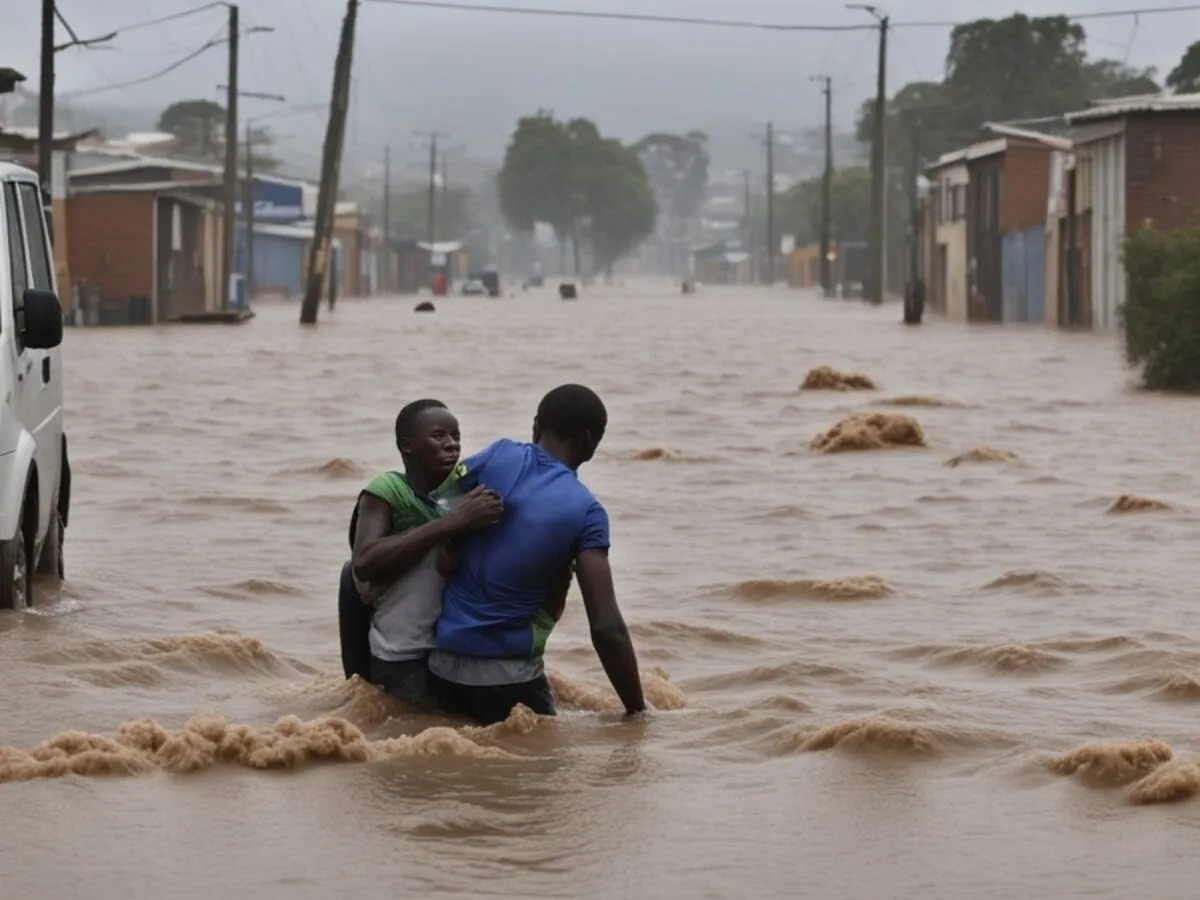
Flooding in Eastern Sudan’s Kassala province displaces residents
Flooding in Kassala Province, eastern Sudan, has exacerbated the plight of displaced individuals seeking refuge there. In the Industrial School area, one of Kassala’s largest displacement camps, residents are urgently appealing for aid. Ali Abdul Jabbar, an internally displaced person from Sennar, shared his situation: “We’ve been here for 20 days after fleeing Sennar. The rain and water conditions are evident. We’re facing issues with our accommodations, but once they’re repaired, we’ll move in. We urge authorities to address these conditions swiftly.” Another displaced resident, Merwan Abood from Sennar, described the situation as dire and called for immediate assistance: “I urge all compassionate individuals in Kassala, Sudan, and beyond to provide essential supplies such as equipment, shelter, blankets, clothing, and medicine.” In Kassala, people are navigating knee-deep floodwaters, holding onto their salvaged belongings, while some have resorted to resting on dry ground after abandoning their partially submerged tents. According to the Sudanese Ministry of Health, at least 12 people have died due to the flooding that began on Saturday, which has submerged homes and tents. The crisis follows last year’s upheaval in Sudan, where clashes between the military and the RSF in Khartoum and other regions led to widespread violence. The U.N. reports over 14,000 deaths and 33,000 injuries from the conflict, though activists believe the figures may be higher. This ongoing conflict has resulted in the largest displacement crisis globally, with over 11 million people displaced from their homes.

Guinea protesters clash with police over activists’ disappearance
Violent clashes erupted in Guinea’s Conakry as protesters demand the release of two missing pro-democracy activists.
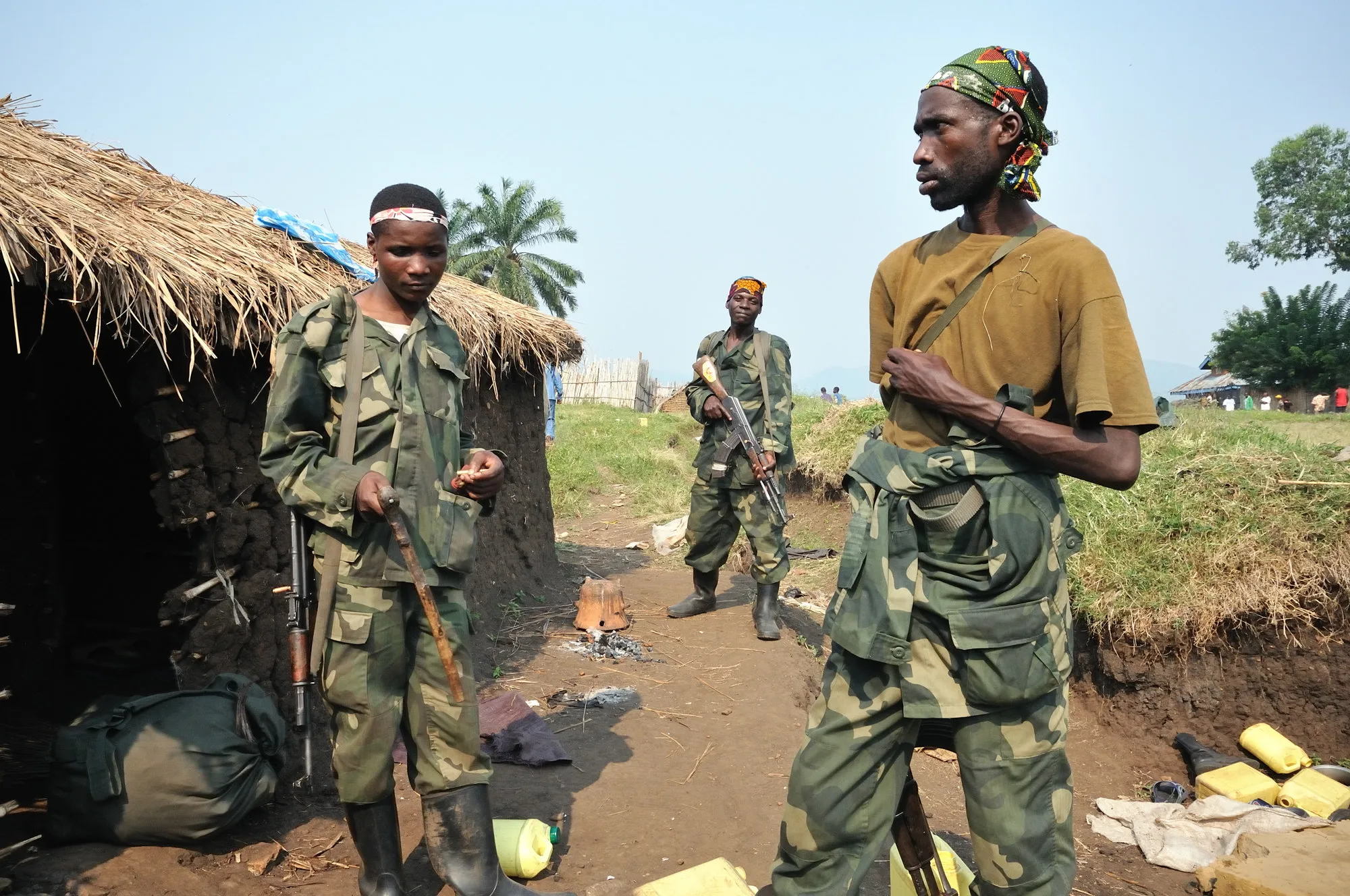
Ceasefire agreed in eastern Congo after Angola talks
The ongoing conflict in eastern Congo shows signs of easing as the DRC and Rwanda agree to a ceasefire mediated by Angola.
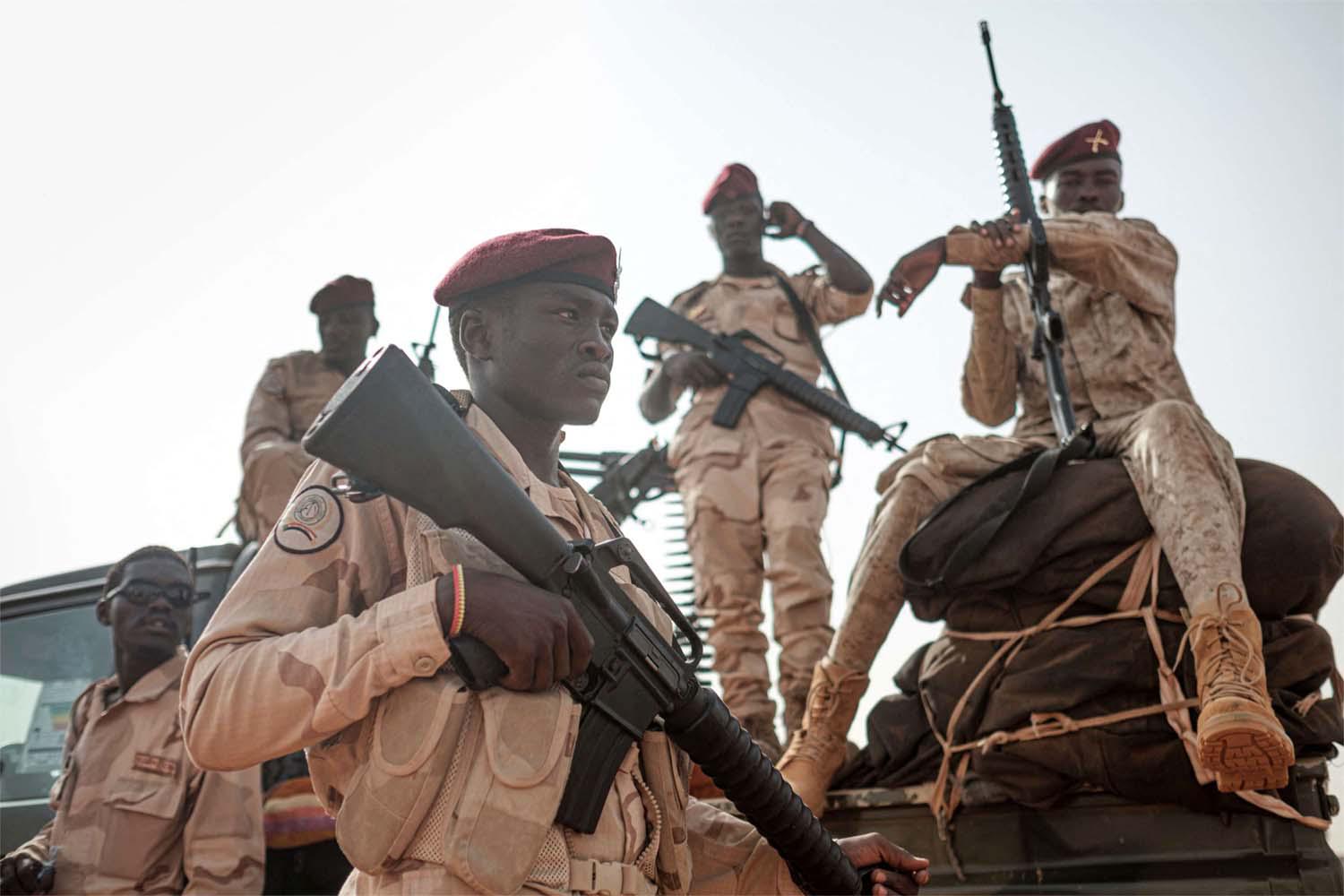
RSF blames Burhan’s army for sabotaging Sudan peace talks
Sudan’s RSF calls for an end to the war and demands al Burhan-controlled SAF participate in the Geneva negotiations to address the humanitarian crisis.