




Egypt-Turkey trade relations ‘very robust and balanced’
Egypt’s trade relations with Turkey are “very robust and balanced,” reflecting a healthy economic partnership between the two countries, according to Egyptian Minister of Investment and Foreign Trade Hassan El-Khatib. Egypt and Turkey “have highly diversified exports, which strengthen their trade relationship,” Khatib said in an interview with Anadolu. “Turkey is the first export destination to Egypt globally and Egypt is one of Turkey ’s most significant trade partners in Africa, while Türkiye is the top export destination for Egyptian goods,” he added. Khatib landed in Turkey on Monday to attend the opening session of the 40th Ministerial Conference for Trade Ministers of the Standing Committee for Economic and Commercial Cooperation of the Organization of Islamic Cooperation (OIC). His talks in Turkey aimed at exploring ways to enhance trade and investment relations between Ankara and Cairo. According to the minister, the bilateral trade volume reached $6.9 billion in 2023, with Egypt’s exports at $3.6 billion and imports from Turkey totaling $3.3 billion. By the year-end, he said, the trade volume could reach $8 billion. In September, Egyptian President Abdel Fattah al-Sisi paid a landmark visit to Ankara following a visit by Turkish President Recep Tayyip Erdogan to Cairo in February. During the visit, the two leaders signed 17 new agreements to enhance bilateral cooperation, especially in the fields of trade and investment. They also signed a mutual declaration for the first meeting of the High-level Strategic Cooperation Council between the two countries. Khatib called the mutual declaration a “turning point towards building a new chapter for cooperation between Egypt and Turkey , and exploring new paths for cooperation based on mutual benefits and solidarity.” – New industrial parks Khatib said both Cairo and Ankara agreed to develop two new industrial parks in Egypt. “The first project, located in the New Administrative Capital, will span 2.1 million square meters and is expected to cost $120 million. The second project is located in New October City and will be over 2.6 million square meters,” he added. The minister said that both Egypt and Turkey aim to increase their trade volume to $15 billion within a few years “through improving the infrastructure and business environment for joint venture projects and investments, eliminating any obstacles of trade exchange and investments.” “I am fully convinced and optimistic that the outcomes of this strategic partnership will be witnessed very soon,” the minister said. “The figures for trade volume investment flow and projects are very satisfying and reflect momentum in the mutual relations.” – Key sectors for growth Khatib said both Egypt and Turkey have “very good potential” for growth in the fields of chemicals, petrochemicals, textiles, apparel, automotive, furniture, building materials, pharmaceuticals and medical supplies. “There is significant potential for growth in bilateral trade between Egypt and Türkiye, given their strong industrial and agricultural capabilities,” he added. The minister said trade in services, including telecommunications, tourism and construction, also has “promising” opportunities. “Additionally, expanding the Free Trade Agreement (FTA) to include a wider range of agricultural goods would significantly enhance trade opportunities,” Khatib said. “Turkey is currently Egypt’s largest importer, and increasing access to the Turkish market for Egyptian agricultural products could further improve competitiveness internationally,” he added. “In return, Egypt would benefit from Turkish agricultural products that help meet local demand and stabilize prices.” – Regional challenges On obstacles to advancing trade and investment relations, Khatib pointed to regional instability and disrupted supply chains as significant hurdles. “The ongoing conflicts, instability, and disrupted supply chains in the region pose risks to the global economy, including both our countries,” he noted. Regional tension has escalated due to Israel’s ongoing war on the Gaza Strip, which has killed over 43,400 people, mostly women and children, since last year. The conflict has spread to Lebanon with Israel launching massive airstrikes on the country, killing more than 3,000 people since last year amid cross-border warfare with the Hezbollah group. The conflict has also involved Yemen’s Houthi group, which began to attack commercial ships in the Red Sea in a show of solidarity with Gaza. “Despite these challenges, Egypt has successfully positioned itself as a leading destination for foreign direct investment (FDI),” Khatib said. “In 2023, Egypt was recognized as the top investment destination in Africa for the second consecutive year, capturing 18.6% of Africa’s total FDI, amounting to $52.6 billion. Globally, Egypt ranked 32nd in FDI attraction, with net FDI flows reaching $46.1 billion in 2023/2024.” – Turkish investment in Egypt Khatib said Turkish investments in Egypt reached $3 billion, primarily in the manufacturing and services sectors, employing over 50,000 Egyptians in the textile sector alone. “The Turkish investments in Egypt are growing fast,” he said. “With the increase of Turkish investments in Egypt, which contributed significantly to the Egyptian exports globally, and at the same time, most of the Turkish investors in Egypt import different products from Turkey (raw materials – intermediate commodities). This is reflecting the concept of integration and the mutual benefits.” To support Turkish investors, the Egyptian minister said a specialized unit within the General Authority for Investment and Free Zones (GAFI), Egypt’s government investment arm, will be established, aimed at “providing personalized assistance and resolving any challenges they may encounter.” – Joint ventures in Africa Khatib said there is “wide room for cooperation” between Egypt and Turkey in Africa. “The potential for trade and investment opportunities is huge, especially after the African Continental Free Trade Area (AfCFTA) entered into force and fully implemented,” he said. “Egypt could be an industrial and logistical hub for Turkish products and commodities to access African markets. Construction companies could find a base ground to work together in Africa,” the minister added.

France-Algeria relations strain as trade tensions rise
France is closely monitoring potential trade restrictions imposed by Algeria amid escalating diplomatic tensions over Western Sahara.

Morocco boosts EU wheat imports amid Black Sea competition
As Black Sea wheat prices rise and supply concerns grow, Morocco has turned to the EU for wheat imports, bolstering demand for European wheat.

South Africa and UK to enhance trade and defense collaboration
As Britain’s largest trading partner in Africa, South Africa exports key goods like precious metals, automobiles, and agricultural products to the UK

Senegal plans to finalize Yakaar-Teranga investment in 2025
Petrosen targets mid-2025 for final investment decision on Yakaar-Teranga gas project and seeks new partners.

Ghana’s new cocoa model smooths purchases, cuts delays
Ghana’s cocoa purchases are running smoothly this season, thanks to a new financing system that has addressed the issues of delayed payments and increased efficiency.

Nigeria and UK strengthen partnership on economy and security
The partnership aims to stimulate economic growth through increased investment and trade, creating jobs and adding local value in both countries.

Ethiopia’s electric vehicle dream hits a roadblock
The country faces challenges in charging infrastructure, spare parts availability, and skilled mechanics to support the growing number of electric vehicles.

Fitch upgrades Egypt’s rating to B with stable outlook
Lorem ipsum dolor sit amet, consectetur adipiscing elit, sed do eiusmod tempor incididunt ut labore et dolore magna aliqua. Ut enim ad minim veniam, quis nostrud exercitation ullamco laboris nisi ut aliquip ex ea commodo consequat. Duis aute irure dolor in reprehenderit in voluptate velit esse cillum dolore eu fugiat nulla pariatur. Excepteur sint occaecat cupidatat non proident, sunt in culpa qui officia deserunt mollit anim id est laborum.

Fitch affirms Nigeria’s ‘B-’ rating with positive outlook
Fitch Ratings said Friday it affirmed Nigeria’s long-term foreign currency issuer default rating at ‘B-‘ with a positive outlook. The rating agency said Nigeria’s rating is supported by the country’s large economy, developed and liquid domestic debt market and large oil and natural gas reserves. Those factors, however, are balanced against weak governance indicators, high hydrocarbon dependence, weak net foreign exchange reserves, high inflation, ongoing security challenges and low non-oil revenue. Fitch expects crude oil production to increase in 2024-2026, averaging 1.4 million barrels per day, from 1.23 million in 2023, due to improved onshore surveillance.

Kenya reinstates tax hikes, sparks concern
Kenya’s government plans to reintroduce tax hikes that led to protests earlier this year, despite public opposition and economic concerns.

Turkey aims to become gas hub in 2025 with Russia’s help
Turkey’s Energy Minister Alparslan Bayraktar announced plans to launch a gas hub in 2025, powered by Russian gas and centered around Istanbul.

Algeria buys 480,000 tons of wheat
Algeria’s state grains agency, OAIC, has secured a significant wheat supply through a recent international tender.

Egypt’s foreign assets drop after two-year high in may
Egypt’s net foreign assets fell by $3.53 billion in August, reaching $9.72 billion, following a peak in May, as the country engages in renewed talks with the IMF for financial support.

Niger signs deal with Starlink for internet
Niger has partnered with SpaceX’s Starlink to provide high-speed internet access to the entire country, aiming to boost digital infrastructure and security.

Senegal secures $300M for 2024 budget after IMF delay
The government aims to engage with the IMF to establish a new program that aligns with its objectives for stabilizing the macroeconomic framework

Italy and Libya sign deals to boost cooperation
Italy’s Mattei Plan, aimed at fostering cooperation with African countries, has led to several agreements with Libya, including those related to energy, infrastructure, and migration.
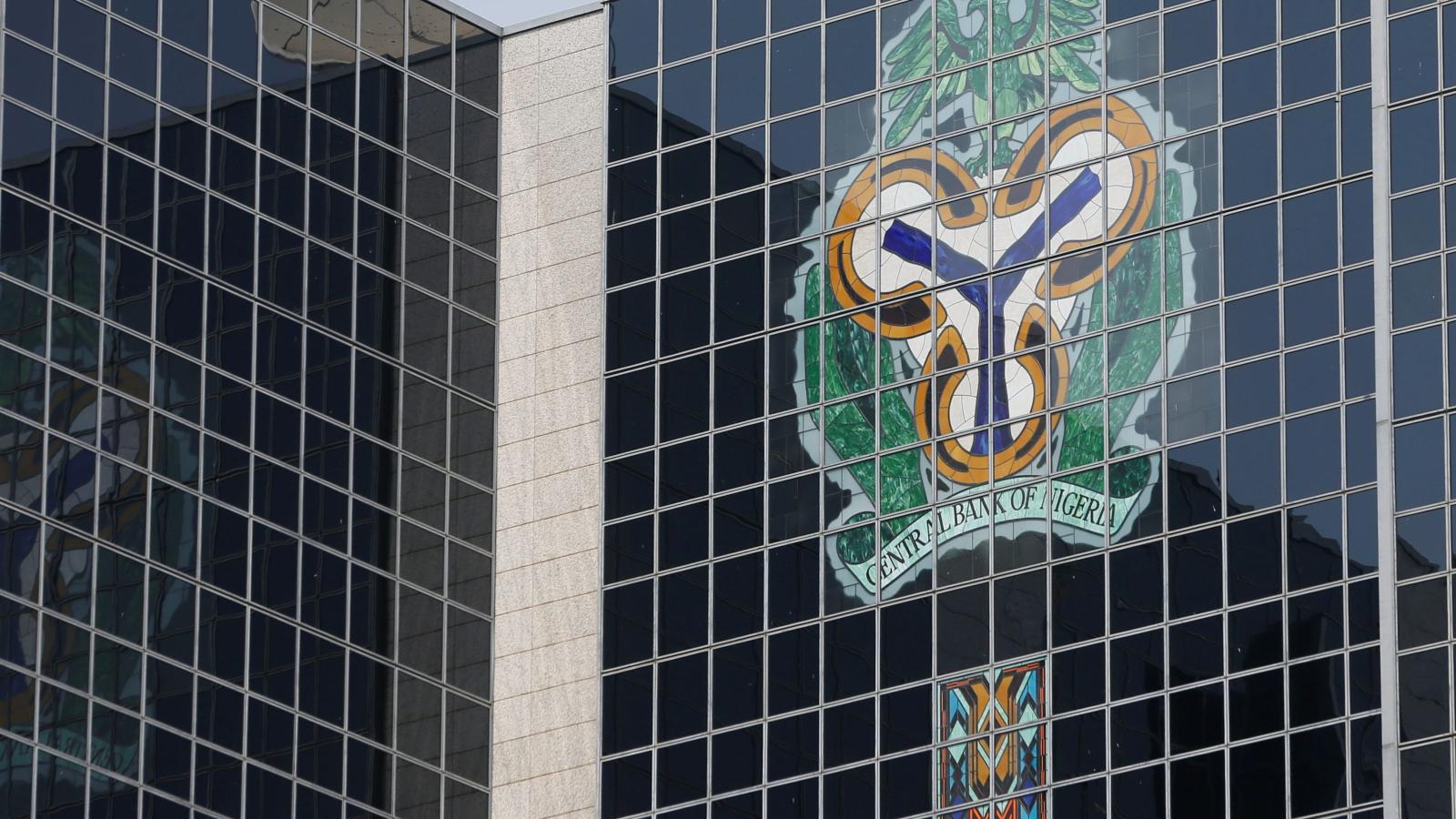
Nigeria central bank pledges economic stability, inflation control
Nigeria’s central bank chief vows to use all available tools to combat rising inflation, as the country grapples with the impact of recent economic reforms.

Angola’s Cabinda refinery nears completion early
Angola’s Cabinda oil refinery, a joint venture between Gemcorp and Sonangol, is set to begin production in early 2024, ahead of schedule but over budget

World Bank: Global commodity prices to hit 5-year low by 2025
Forecasts show oil prices falling because of surplus, gold reaching new records, metal stabilizing in next 2 years

Ghana eyes Nigeria’s Dangote refinery for cheaper fuel
Ghana plans to import petroleum products from Nigeria’s Dangote Oil Refinery to reduce fuel costs and decrease reliance on European imports.
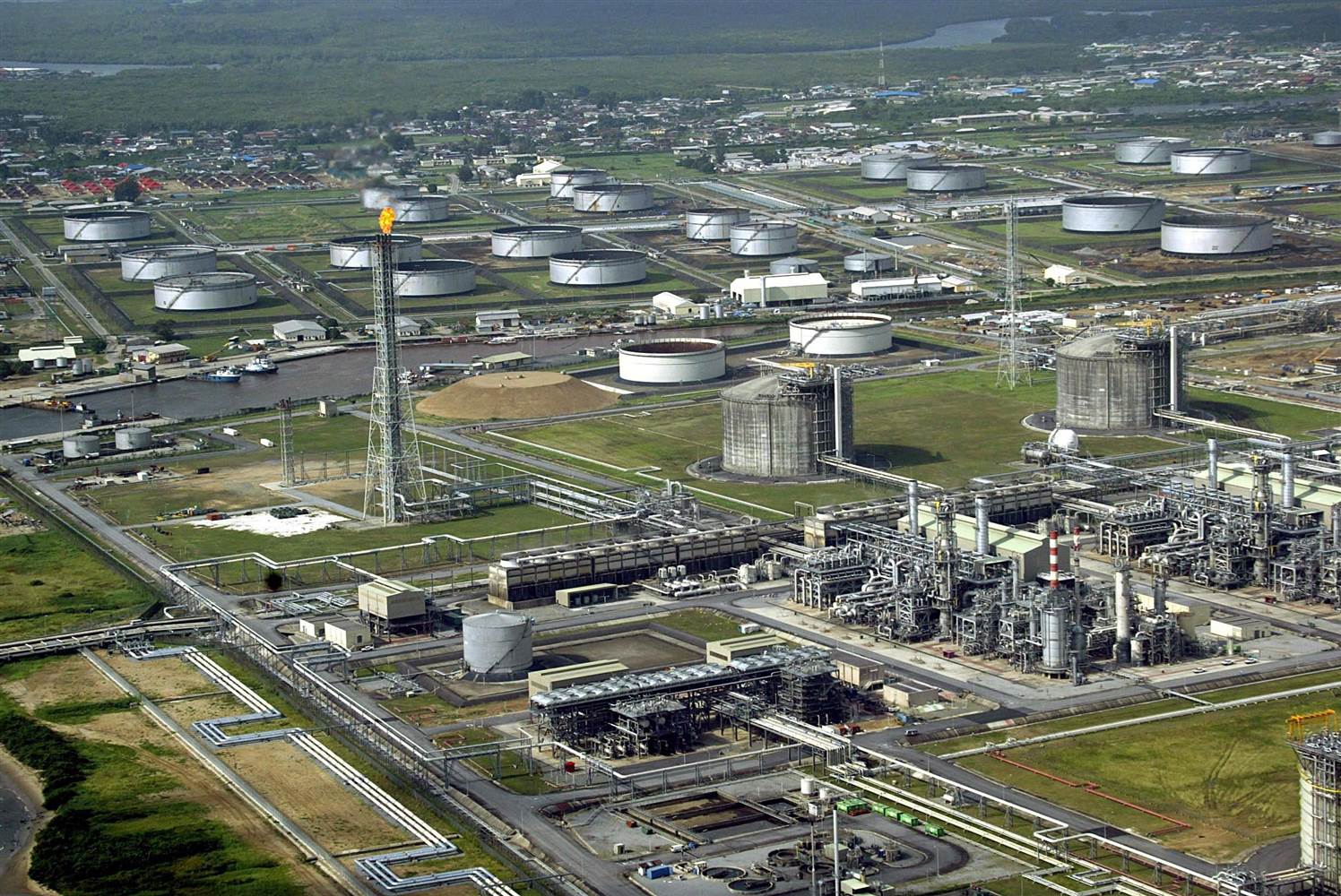
Kenya’s court blocks $740 million Adani energy contract
Kenya’s High Court has halted the government’s plans to award a major electricity transmission contract to India’s Adani Energy Solutions Limited, citing concerns over the procurement process. On Friday, the court issued an order blocking the Sh95.68 billion ($740 million) deal after the Law Society of Kenya (LSK) petitioned against it, highlighting issues of public participation and constitutional compliance. Justice Bahati Mwamuye ruled for a conservatory order, suspending any project agreements related to the development of transmission lines and substations. The project, designed to enhance Kenya’s electricity infrastructure, has been controversial since its signing on October 11 as a 30-year public-private partnership with the Kenya Electricity Transmission Company (KETRACO). It aimed to finance several high-voltage transmission lines. This court decision is seen as a win for local contractors who argued they were unfairly excluded from the bidding process. Adani Group’s recent attempt to secure a management lease at Nairobi’s Jomo Kenyatta International Airport has also faced public protests, with critics expressing concerns over potential threats to local jobs and sovereignty. Both the airport project and the transmission line deal have faced scrutiny over transparency and public involvement, with opponents warning of economic risks tied to foreign control of critical infrastructure.

IMF warns of slow growth for Africa’s commodity economies
Africa’s commodity-dependent nations are facing economic headwinds, with the IMF calling for urgent reforms to boost growth and reduce reliance on volatile commodity markets.
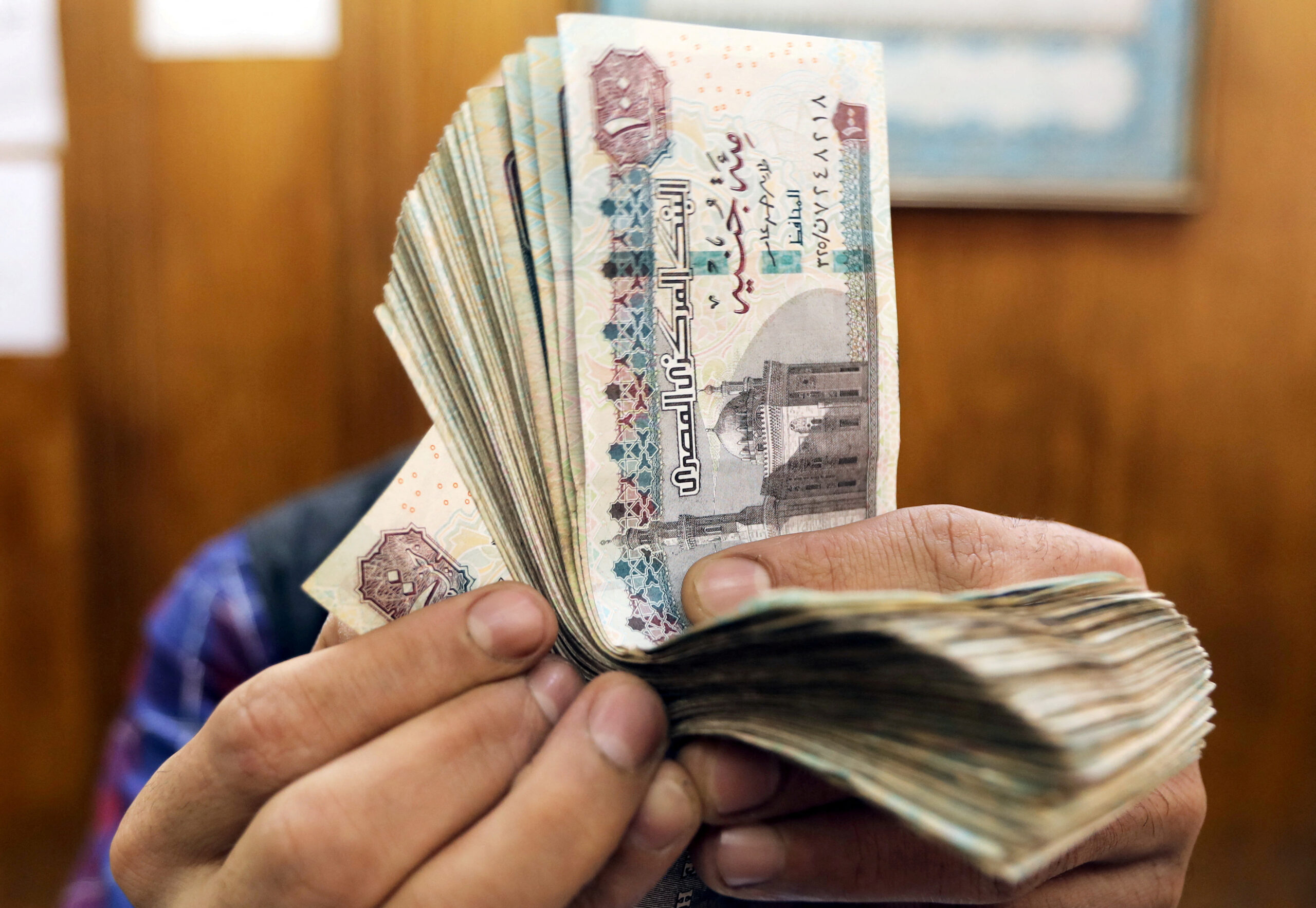
Egypt’s Economy Expected to Grow 4% by June 2025
Egypt’s economy is projected to grow by 4.0% by June 2025 as it begins to recover from austerity measures linked to an International Monetary Fund (IMF) program, according to a recent Reuters survey of economists. The poll, conducted from October 9 to 23, anticipates GDP growth will accelerate to 4.7% in the fiscal year 2025/26 and rise further to 5.3% by 2026/27. In the current fiscal year 2023/24, GDP growth is expected to fall to 2.4%, down from 3.8% the previous year. Key challenges include a currency crisis and ongoing conflict in neighboring Gaza, which have negatively impacted tourism and Suez Canal revenues. Earlier this year, Egypt secured a major agreement with the UAE’s ADQ sovereign fund for $24 billion in development rights for real estate along its Mediterranean coast. This deal facilitated an $8 billion financial reform package with the IMF in March. James Swanston from Capital Economics noted that while Egypt’s economic outlook is gradually improving, strict fiscal policies will remain essential to address the budget deficit and the debt-to-GDP ratio. He highlighted that the benefits of a weaker pound are beginning to materialize. Although inflation is slowing, it is expected to remain high, with forecasts of 20.4% for 2024/25 and 11.4% for 2025/26. Inflation slightly rose to 26.4% in September, down from a peak of 38.0% in 2023. The IMF also estimates a 4.1% growth rate for Egypt’s economy in 2025. Analysts predict further depreciation of the Egyptian pound, forecasting it to reach about 50.4 per dollar by the end of June 2025 and 52.0 by June 2026. The central bank previously maintained the pound’s value at 30.85 to the dollar until it was allowed to float in March 2024; the current exchange rate is around 48.8 to the dollar. Additionally, analysts expect the central bank’s overnight lending rate to decrease to 22.25% by June 2025 and further to 14.25% by June 2026, providing much-needed support for households and businesses in the coming years.

Mali accuses Barrick Gold of breaching mining deal
Mali alleges Barrick violated their mining pact, potentially jeopardizing Barrick’s operations in the country.

Sudan-South Sudan pipeline back online, exports to resume
South Sudan will soon resume pumping crude oil for export through Sudan after repairs to a key pipeline damaged during the ongoing conflict.

Binance exec freed, but legal issues in Nigeria remain
Nigerian government has dropped money laundering charges against a Binance executive, Tigran Gambaryan, due to his deteriorating health.