


Ivory Coast faces cocoa shortage risk due to dry season
Farmers in Ivory Coast warn that a prolonged dry season could delay the mid-crop harvest and lead to a potential cocoa shortage.

Dangote refinery set to hit full capacity in 30 days, exec says
The 650,000-barrel-per-day (bpd) facility, built by Nigerian billionaire Aliko Dangote in Lagos, began refining crude into diesel, naphtha, and jet fuel in January 2024

Nigeria’s Dangote refinery to reach full capacity in 30 days
The refinery, which has faced challenges securing adequate crude oil supplies, is exploring new markets for its products, including exports to Saudi Aramco.

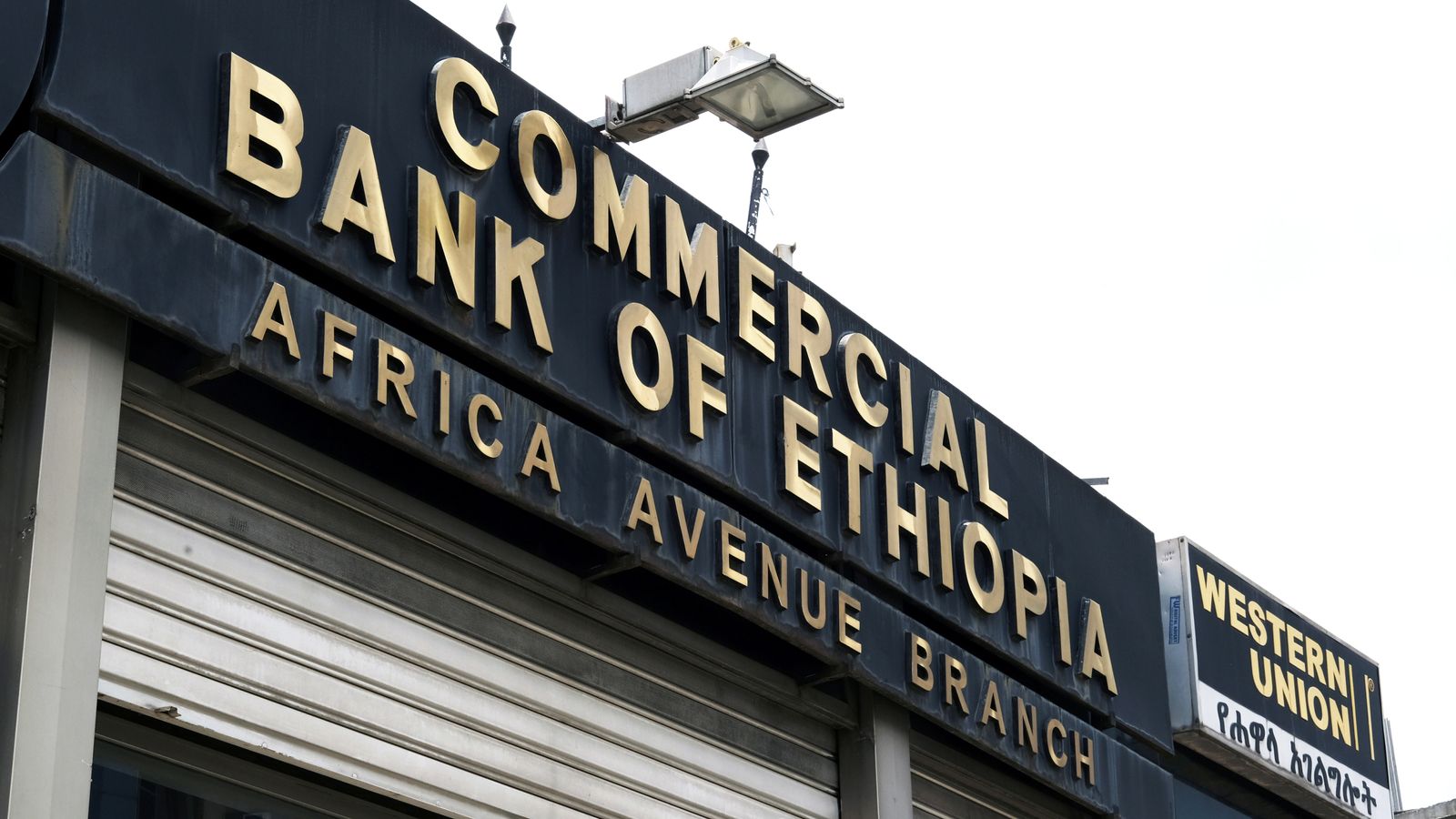
Ethiopia nears completion of debt restructuring negotiations
Ethiopia’s Finance Minister has announced that the country is in the “final stages” of negotiations to restructure its sovereign debt.

France, UAE to develop $30-$50B AI data centre
The deal was reached during a meeting between French President Emmanuel Macron and UAE President Sheikh Mohamed bin Zayed Al Nahyan in Paris

Egypt signs $3B LNG deals with Shell and TotalEnergies for 2025
After experiencing a significant decline in domestic production, Egypt reverted to being a net importer of natural gas in 2024

Nigeria’s lithium boom raises hopes and sparks concerns
Nigeria is experiencing a lithium mining boom, driven by global demand for the metal used in electric vehicle batteries.

Volkswagen’s African unit sets export record for Polo
Volkswagen’s African unit achieved a record 131,485 Polo exports in 2024, primarily to European and Asia-Pacific markets.
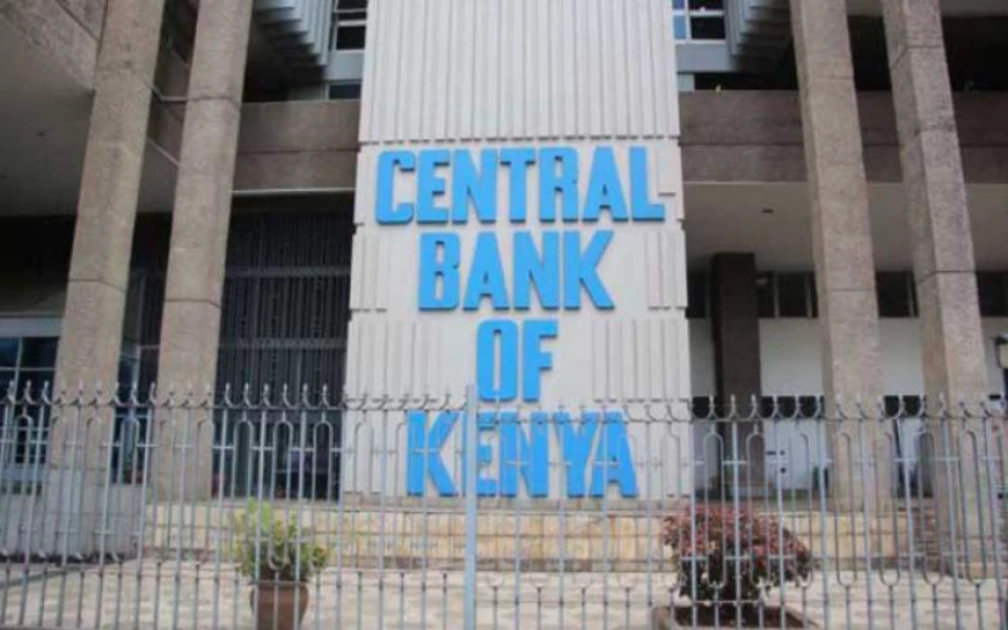
Kenya central bank cuts interest rate again to boost growth
The Central Bank of Kenya cut its key interest rate for the fourth consecutive meeting on Wednesday, aiming to stimulate economic growth. The Monetary Policy Committee lowered the Central Bank Rate by 50 basis points to 10.75%. The Kenyan economy has faced challenges, including the impact of the COVID-19 pandemic and a recent drought. While the economy showed signs of recovery, growth has slowed. The rate cut is expected to encourage lending, boost investment, and stimulate economic activity. However, the bank acknowledged potential risks, such as higher-than-expected inflation and a worsening global economic environment. This action reflects the central bank’s commitment to supporting economic growth while maintaining price stability.

Nigeria increases 2025 budget following higher revenue collection
Nigeria’s President Bola Tinubu has increased the 2025 budget to $36.4 billion, citing additional revenue from tax, customs, and other government agencies.

Global gold demand reaches record 4,974 tons in 2024
Record-breaking gold prices combined with high demand pushed total value of demand to all-time high of $382B, latest report shows

Africa pushes for GDP recalculation at G20 despite doubts
African leaders are planning to push for a recalculation of GDP at upcoming international summits, arguing that current measures fail to adequately reflect the value of their vast natural resources.

Shell exits Nigeria as government eyes oil restart in delta
Nigeria is negotiating with local communities to restart oil production in a vulnerable region after Shell sold its onshore business, raising environmental and economic concerns.

Morocco unemployment rate rises to 13.3% amid drought
Morocco’s unemployment rate rose to 13.3% in 2024, primarily due to job losses in the agricultural sector caused by a severe drought.

Morocco, Yemen sign seven agreements to boost cooperation
Morocco and Yemen have signed seven agreements to strengthen bilateral cooperation in areas such as education, infrastructure, and meteorology.

Ghana appoints Johnson Asiamah as central bank governor
Ghana’s President, John Dramani Mahama, has nominated Johnson Asiamah as the next Governor of the Bank of Ghana, pending approval from the Council of State. Asiamah, a seasoned banking professional, brings over 23 years of experience to the role. He previously served as the second deputy governor from 2016 to 2017. In a statement, the president’s office praised Asiamah’s expertise in monetary policy and exchange rate management, highlighting his contributions to maintaining financial stability and promoting economic growth. The announcement comes as the current governor, Ernest Addison, is set to retire at the end of March. Addison will take a leave of absence starting February 3. President Mahama, sworn in earlier this month, is focused on revitalizing Ghana’s economy. He has committed to addressing the country’s economic challenges, which include instability in key sectors like cocoa and gold. Despite these difficulties, Mahama’s government has yet to release its formal economic policy. This delay was one of the reasons cited by the central bank for its decision to keep its key lending rate unchanged in January. The Bank of Ghana has set an inflation target of 8%, with a margin of 2 percentage points. However, inflation has remained stubbornly high, reaching over 23% in December. The central bank’s latest forecast suggests that it will take longer than anticipated for inflation to return to its desired range of 6%-10%.

Africa proposes minerals-backed currency for stability
According to the AfDB, the low level of investment is partly due to Africa’s volatile currency markets
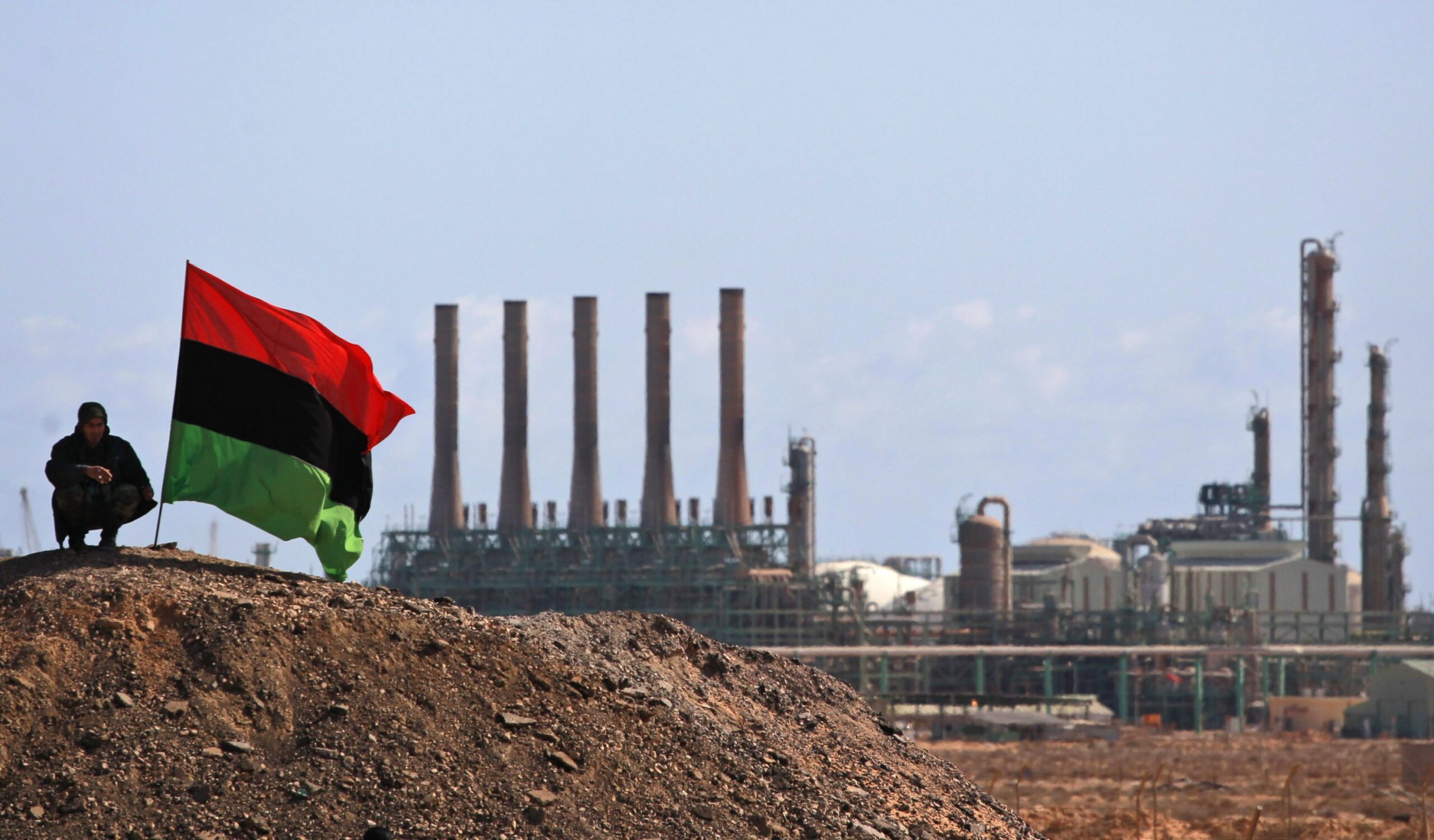
Libya’s oil firm aims to enhance transparency and efficiency
New chairman Massoud Suleman plans to enhance Libya’s oil output and transparency at National Oil Corporation.

Suez Canal chief says signs of stability emerging in Red Sea
Despite recent Houthi claims that they would scale back attacks, Maersk announced last week it would continue diverting ships away from the Gulf of Aden and Red Sea

H&M ramps up regional sourcing to counter tariff risks
The move comes as the company braces for potential U.S. import tariffs, its finance chief told media on Thursday

Mali, Burkina Faso, Niger tighten grip on foreign mining operations
Military juntas in West Africa, including Mali, Burkina Faso, and Niger, are increasing pressure on foreign mining companies, seeking greater control over natural resources and revenue.

$8 billion pledged to electrify 300 million Africans
Mission 300, an initiative to provide electricity to 300 million Africans by 2030, has secured over $8 billion in new funding commitments from global lenders.

TotalEnergies backs Mozambique’s $20b LNG project
President Daniel Chapo and TotalEnergies’ CEO Patrick Pouyanne discuss crucial energy projects in Mozambique, including the $20 billion LNG development and a $5 billion hydropower project facing significant obstacles.

Diageo sells Guinness Ghana stake to Castel Group
Diageo, the spirits giant, has agreed to sell its 80.4% stake in Guinness Ghana to Castel Group for $81 million.

Africa seeks energy solutions at Dar es Salaam summit
African leaders at the Tanzania summit aim to address energy deficits and secure investments to provide electricity for 300 million people by 2030.

Sudan’s oil production disrupted in clashes between rival forces
Fighting in Sudan’s civil war has set ablaze the country’s largest oil refinery, according to satellite imagery.

New gas power plant planned for northern Morocco
Morocco’s water and electricity utility, ONEE, plans to build a 990-megawatt gas-fired power plant in the north of the country at a cost of $420 million.