


UN voices alarm as Sudan faces deepening internal fragmentation
The United Nations expressed deep concern Wednesday that the escalating conflict in Sudan risks “deepening the fragmentation” of the already troubled nation. This warning from Secretary-General Antonio Guterres’ spokesman, Stephane Dujarric, comes a day after paramilitary forces announced the formation of a rival government. Dujarric stated the UN is “extremely concerned about any further escalation,” emphasizing that such steps could further entrench the ongoing crisis. The formation of a parallel government, he added, would not bring Sudan closer to resolving the conflict, which necessitates meaningful and inclusive dialogue. Preserving Sudan’s unity, sovereignty, and territorial integrity remains crucial for long-term stability, according to the UN.

Arab divisions block deal at Sudan peace conference in London
Arab countries disagreed at the London summit on how to approach Sudan’s crisis, blocking any unified commitment to peace.

G7, EU condemn Sudan atrocities as war enters third year
They call ‘for immediate, unconditional ceasefire,’ urge both Sudanese army, Rapid Support Forces to engage ‘meaningfully in serious, constructive negotiations’

Seven killed in attack in north-central Nigeria
More than 20 people wounded, with many houses burnt

Protests erupt over deadly Tunisian school accident
Three students died in a Tunisian school wall collapse triggering protests against failing public services and government accountability.

Gambian ex-soldier convicted in US for torture after failed coup
Michael Sang Correa was found guilty in Denver of torturing detainees after Gambia’s 2006 failed coup against former ruler Yahya Jammeh.

Macron orders diplomats out after Algeria’s retaliatory move
France expels 12 Algerian officials in response to a diplomatic dispute following the arrest of an Algerian consular worker in France.

Barrick Gold’s Mali office closed amid ongoing tax dispute
Mali has closed Barrick Gold’s Bamako office, citing tax issues, as tensions over gold exports and mining rights continue to escalate.

Sudanese refugees overwhelm Chad’s Touloum camp
The Touloum refugee camp in Chad is struggling to provide for an increasing number of Sudanese refugees, with malnutrition and overcrowding becoming severe.

125,000 displaced in South Sudan since March – UN
South Sudan’s ongoing clashes have displaced 125,000 people since March, resulting in over 180 deaths, the UN reports.

Tanzania’s main opposition party calls election ban unconstitutional
The government’s move to charge Lissu with a capital offense and bar his party from contesting the elections is expected to attract heightened scrutiny of its human rights record

UN warns Sudan’s child crisis is worsening as conflict persists
Over 15 million children in Sudan urgently need aid as conflict and famine intensify, warns UNICEF, calling for immediate international support.

Kenya foils smuggling of giant ants to exotic pet markets
The smuggled ants, concealed in modified test tubes and syringes designed to sustain the insects for up to two months, were intercepted by authorities at Jomo Kenyatta International Airport

EU and Britain increase aid for Sudan at London conference
At a conference in London marking two years since the outbreak of the war in Sudan, the European Union and Britain committed to bolstering their humanitarian assistance to the country, which has been ravaged by conflict since April 2023. The EU and its member states pledged over 522 million euros ($592 million), while Britain announced an additional 120 million pounds ($158 million) in aid. The funds are intended to address the dire humanitarian situation in Sudan, which has led to the displacement of millions and severe devastation across regions like Darfur. The British government, co-hosting the conference with the African Union, the European Union, France, and Germany, aims to create a more coordinated international response to the crisis. British Foreign Secretary David Lammy stressed the need for diplomacy to urge the warring parties to protect civilians and allow humanitarian aid to reach those in need. “We cannot resign ourselves to inevitable conflict. We must work to ensure that we’re not having the same discussions a year from now,” Lammy said at the conference’s opening. Despite the significant international focus, Sudan’s junta-led government criticized the conference for not including representatives from either side of the conflict, calling out the exclusion of Sudanese officials and expressing dissatisfaction with the participation of countries like the United Arab Emirates (UAE) and Kenya. Sudan accuses the UAE of supporting the Rapid Support Forces (RSF), a claim that has found some credibility with U.N. experts and U.S. lawmakers. The UAE has denied the allegations and is seeking to have the case dismissed in the International Court of Justice. The ongoing war between General al-Burhan’s army (SAF) and the RSF has killed tens of thousands, displaced millions, and drawn in foreign powers. As the conflict enters its third year, the situation has become one of the worst humanitarian crises in the world. UN officials reported that systematic rape is being used as a weapon of war in Sudan, and the United Nations Development Programme (UNDP) called for a more coordinated international response. “Sudanese people are tired of this war,” said Luca Renda, the UNDP Resident Representative in Sudan. The German foreign minister, Annalena Baerbock, described the crisis as “the greatest humanitarian catastrophe of our time.” The conference aims to put pressure on the international community to take more substantial action, with the continued focus on the urgent need for aid and a sustainable path to peace.

South Sudan Machar’s party seeks international inquiry
South Sudan’s main opposition group is calling for an international investigation into alleged government abuses, including reported use of incendiary weapons during recent clashes.

Night raid in Nigeria leaves dozens dead, homes destroyed
At least 40 people were killed in a late-night attack by gunmen on a Christian farming community in Nigeria’s Plateau state, prompting a presidential investigation.

Ghana orders foreigners to exit gold market by April 30
Ghana has instructed foreign nationals to leave its gold trading market by April 30, as the West African nation aims to streamline gold purchases from small-scale miners, enhance its earnings, and curb smuggling. The new directive was announced by a newly established government body on Monday. As Africa’s leading gold producer, Ghana is shifting away from a system that allowed both local and foreign companies with export licenses to buy and export gold from artisanal or small-scale mining. Under the new regulations, the newly formed GoldBod, a government agency, will be the sole entity authorized to buy, sell, assay, and export artisanal gold. The statement issued on Monday clarified that previous export licenses are no longer valid. Foreigners will be required to vacate the local gold trading market by the end of April. However, they will still have the option to apply to purchase or export gold directly through GoldBod. Finance Minister Cassiel Ato Forson emphasized in January that the establishment of GoldBod would enable Ghana to retain more revenue from gold sales while ensuring the stability of the national currency. Ghana’s gold exports surged by 53.2% in 2024, reaching $11.64 billion, with nearly $5 billion generated from legal small-scale mining operations. Gold prices recently soared above the $3,200-per-ounce mark for the first time, driven in part by the ongoing trade tensions between the United States and China. These geopolitical uncertainties have led investors to turn to gold as a safe-haven asset.

Algeria defends expulsion of French officials as retaliation
Tensions between Algeria and France grew as Algeria defended the expulsion of 12 French officials over a diplomatic incident.

AU expresses concern over escalating violence in Sudan
AUC condemns attacks in Sudan’s North Darfur, urging a ceasefire and immediate action to protect civilians and restore peace.

South African president appoints Mcebisi Jonas as special envoy to US
Jonas, who currently serves as the independent non-executive chairman of telecommunications company MTN Group, will continue in this role while taking on his new diplomatic responsibilities

US secures release of American held in Tunisia, official says
Vieira, who had been in Tunisia for missionary work, was arrested in March 2024 and was suspected by Tunisian authorities of espionage

Trump warns terrorists in Somalia won’t evade US forces
President Trump promises swift action against terrorists in Somalia, with General Dan Caine leading the charge.

Tanzanian opposition faces ban for skipping code signing
CHADEMA may miss Tanzania’s 2025 elections after its leader’s treason charge and party’s boycott of a mandatory ethics code event.
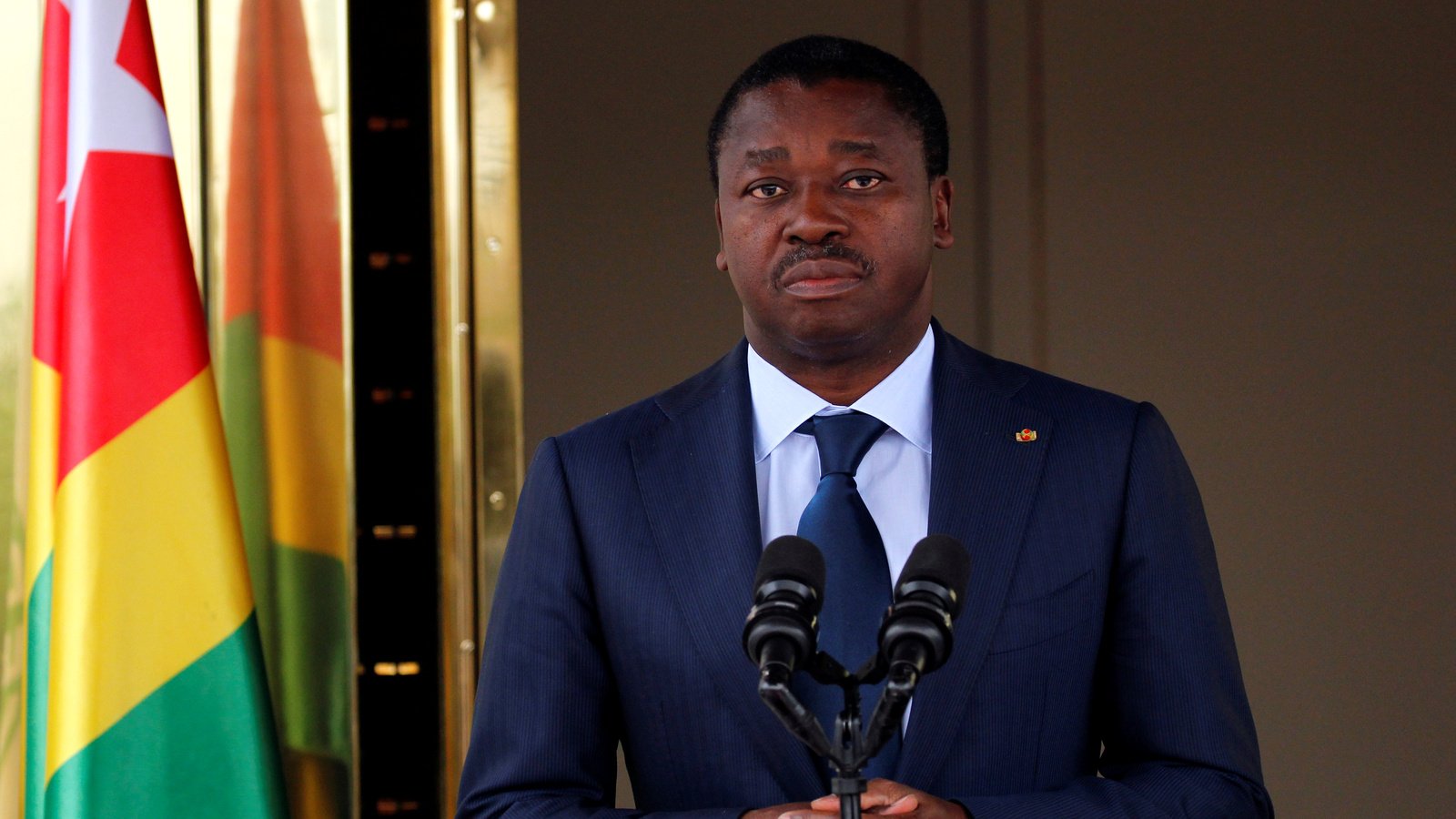
President Gnassingbé named AU mediator in DRC crisis
Togo’s president will mediate between DR Congo and Rwanda after Angola stepped down from the African Union role.

Landmine blast kills eight in northeast Nigeria
The blast occurred around 11:45 a.m. near Gidan Kaji, about 30 kilometers (19 miles) from Damboa, in an area known for attacks by the extremist group Boko Haram

Clashes erupt in Goma amid east Congo violence
Deadly clashes in Goma between pro-government forces and M23 rebels triggered unrest and claims of provocation from both sides of the conflict.

France’s arrest of consular agent sparks protest from Algeria
Algeria condemned France’s arrest of its diplomat, calling the move unjustified and damaging to long-standing diplomatic ties.