


UN maintains arms embargo on Sudan
The international community has renewed its commitment to supporting peace and security in Sudan by extending sanctions against the country.

Over 60 accused in DRC prison break trial
The DRC government has accused 63 people of participating in a prison break that resulted in a mass escape and widespread violence.

Iran offers security expertise to Burkina Faso, says envoy
Tehran to set up pharmaceutical production unit, other units in West African nation, says Mojtaba Faghihi

26 bodies recovered after migrant boat capsizes off Senegal
Wooden boat was carrying over 100 illegal migrants from town of Mbour when it sank, according to reports

Strike leaves passengers stranded at Nairobi Airport over Adani deal
The strike, which saw workers engage in a “go-slow” by deliberately working slowly to cause disruption, led to long queues outside the airport
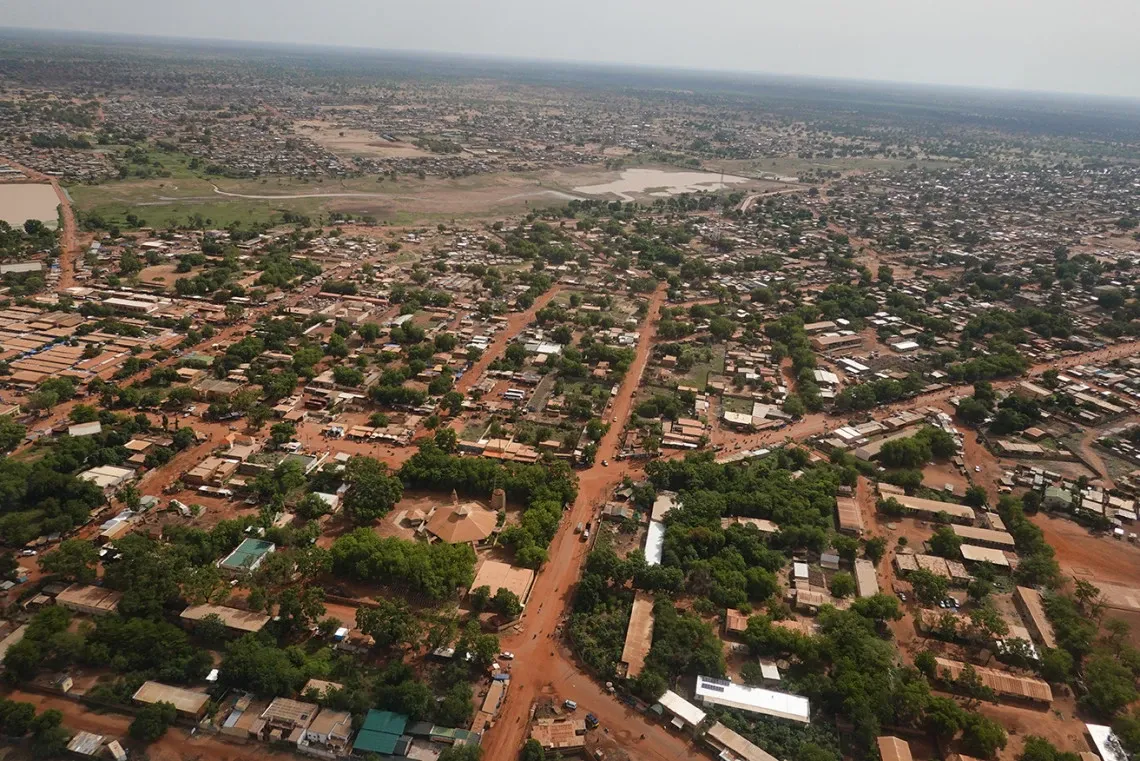
Africa: The largest French-speaking region in the world
Africa has become the largest French-speaking region in the world, surpassing even France

No step back: South Africa advances Israel’s Gaza genocide case
South Africa will submit a memorial next month in its ongoing genocide case against Israel at the International Court of Justice, with several countries supporting the case.

DRC receives 50,000 more mpox vaccines from the US
The Democratic Republic of Congo has received 50,000 additional mpox vaccine doses from the United States to help combat the ongoing epidemic.
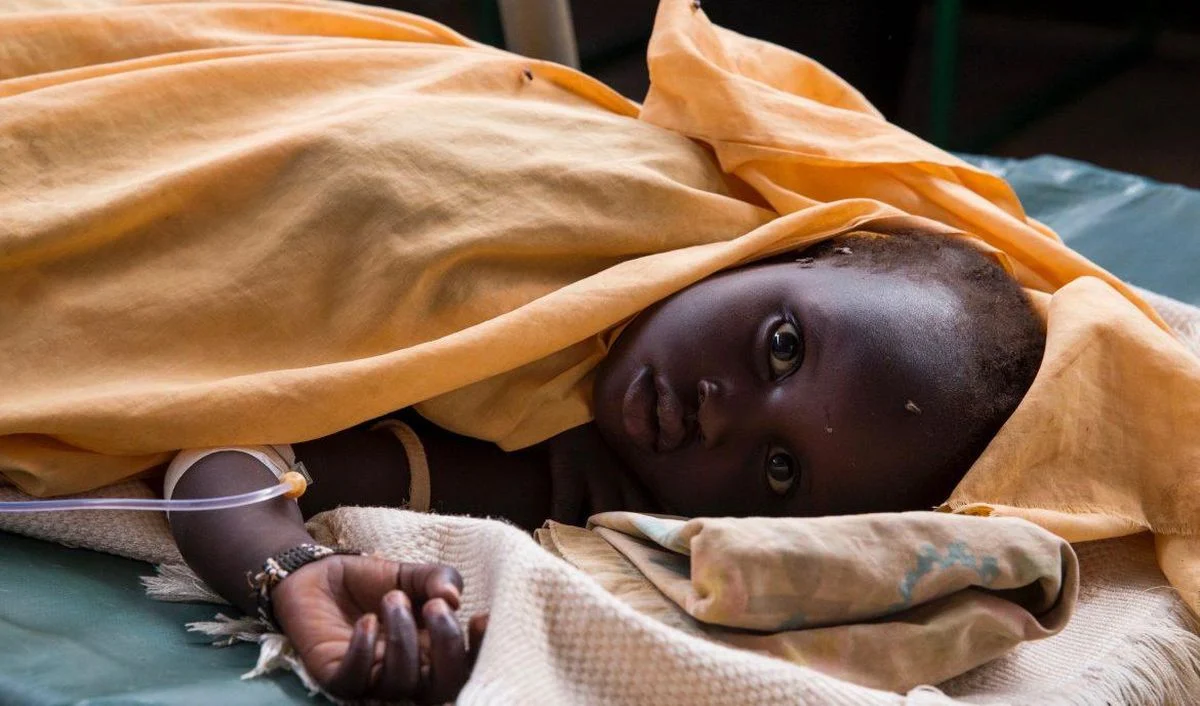
Cholera outbreak in Sudan claims 235 lives
The government and international organizations must work together to provide urgent medical care, improve sanitation, and prevent further deaths.

Senegal arrests captain in migrant boat tragedy
The deadly incident is part of a larger trend of increasing migration from West Africa to Europe.

UN resumes talks to end Libya’s central bank crisis
Libya’s future hangs in the balance as the UN mediates a central bank dispute that has halted oil production.

Niger hosts international West Africa climate change conference
Meeting in capital Niamey comes amid rise in extreme climate disasters affecting nearly 28M people
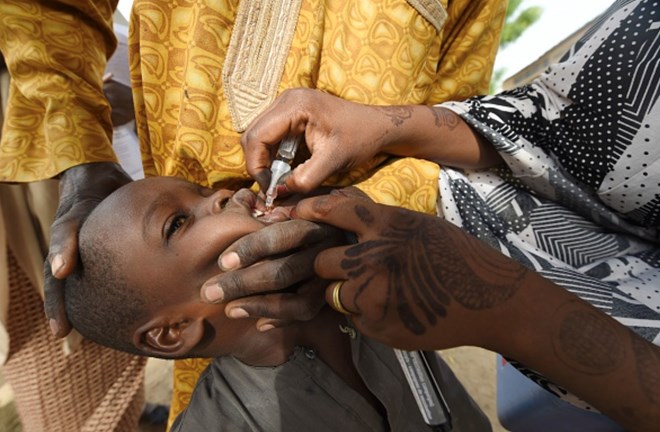
Somalia begins nationwide polio vaccination for children under five
UNICEF highlights campaign’s crucial role in eradicating polio amid ongoing challenges

Chad floods affect nearly 1.5M people: UN
‘With farmland flooded and livestock drowned, there will be a lot less food available now and in the future in a country where 3.4M people already face acute hunger,’ says spokesperson
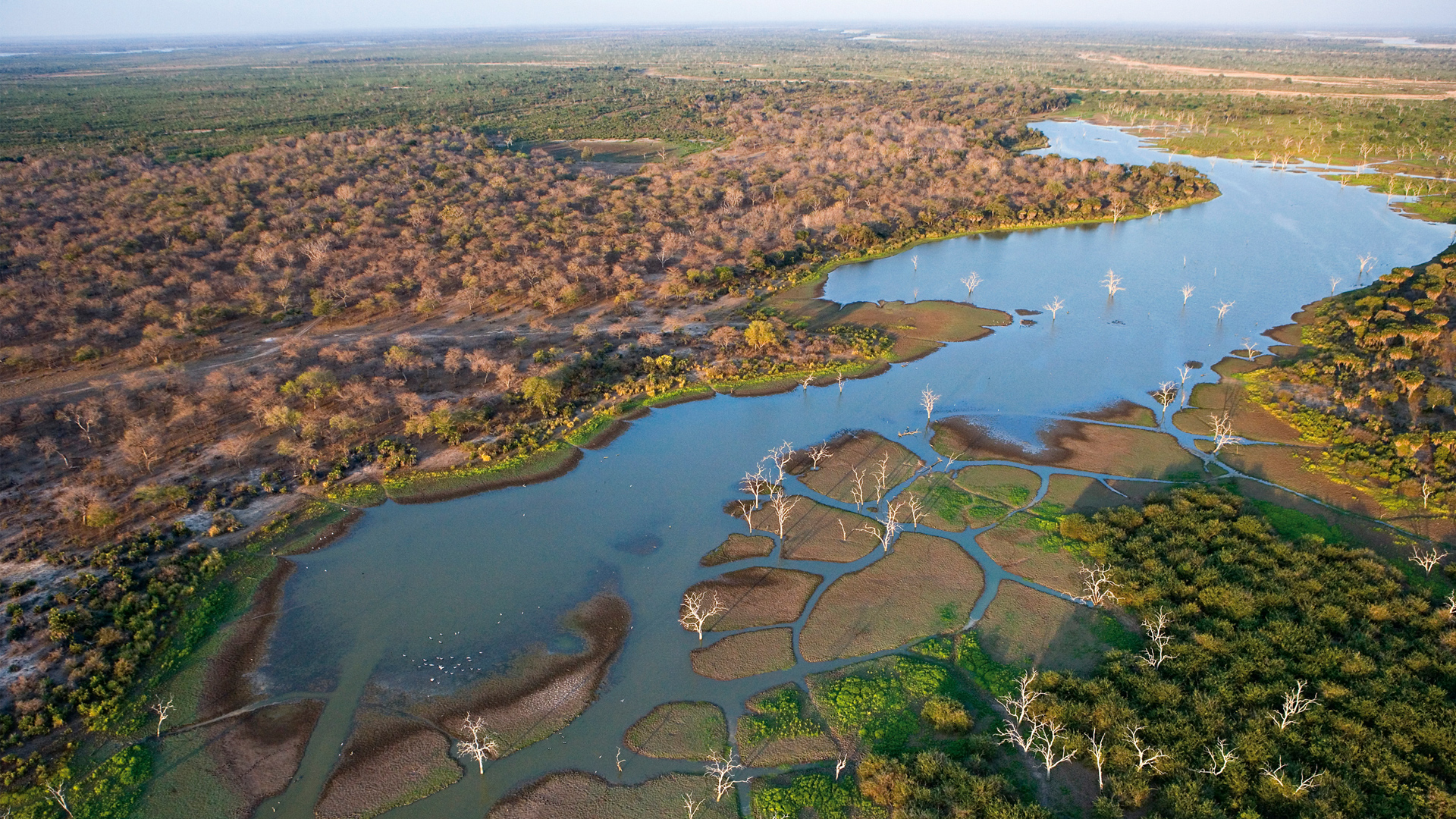
The Okavango Delta: A lush oasis in the heart of the Kalahari
One of the world’s largest inland deltas, this unique ecosystem defies the norm

Niger arrests over 245 linked to terror groups
Authorities in Niger have arrested at least 245 people allegedly linked to terrorist groups as part of ongoing operations to combat crime and insurgency, officials said Thursday. The arrests were carried out by Niger’s Central Service for the Fight against Terrorism and Transnational Organized Crime, according to the Integrated Operations Coordination Center (CICO). Many of those detained are suspected to be members of armed groups involved in kidnappings and other criminal activities, operating along the Niger-Nigeria border, where the militant group Boko Haram is active. Additional arrests were made near the Mali-Niger border, an area where the Support Group for Islam and Muslims (JNIM) operates, as well as in the Agadez region, known for its gold mines. Among those arrested were nationals from Algeria, Chad, and Somalia. Security forces also confiscated over 559 kilograms of drugs, 108,381 tablets of various types, and arrested 139 traffickers. CICO stated that these actions are part of broader efforts to dismantle criminal networks in the region. The arrests coincide with the junta’s launch of two major military operations: Operation Almah in the Tillaberi region, located on the left bank of the Niger River, and Operation Garkoua in the Agadez region, aimed at rooting out criminals. Niger, along with neighboring Burkina Faso and Mali, withdrew from the Economic Community of West African States (ECOWAS) last September after ECOWAS threatened military intervention following the Niger coup in July. Earlier this year, the three nations formed the Alliance of Sahel States and announced the creation of a joint military force to tackle escalating security challenges posed by terrorist groups in the region.

Death toll increases in Algeria and Morocco after catastrophic floods
The death toll is climbing in Algeria and Morocco following severe flooding triggered by intense rainfall. Over 20 people have lost their lives, with dozens more reported missing as floods inundated villages in these typically arid regions. In Morocco, the floods have destroyed homes and severely impacted infrastructure, including roads, electricity, water supplies, and phone networks. Officials noted that the storms over the weekend brought rainfalls surpassing the annual average in some areas. This deluge comes at a time when the country is grappling with a water shortage due to six consecutive years of drought. Neighboring Algeria is facing similar devastation, with bridges and railways also affected by the flooding. The government has deployed thousands of civil protection and military personnel to aid in emergency response and assist residents trapped in their homes. Rescue operations are ongoing in both countries.

Turkey’s Erdogan calls for summit of Muslim leaders on Gaza war
The OIC, composed of 57 member states, serves as the collective voice for the Muslim world

Salt as currency: The forgotten wealth of ancient Africa
In ancient Africa, one of the most precious commodities wasn’t gold or silver, but salt!

Israel to call US to pressure South Africa to drop genocide case
Israeli officials are urging US Congress members to convince South Africa to withdraw its genocide case against Israel, which is currently pending at the International Court of Justice.

Record-breaking cocaine seizure in Guinea-Bissau
Guinea-Bissau police seized 2.6 tons of cocaine from a plane that arrived from Venezuela, arresting the crew of five.
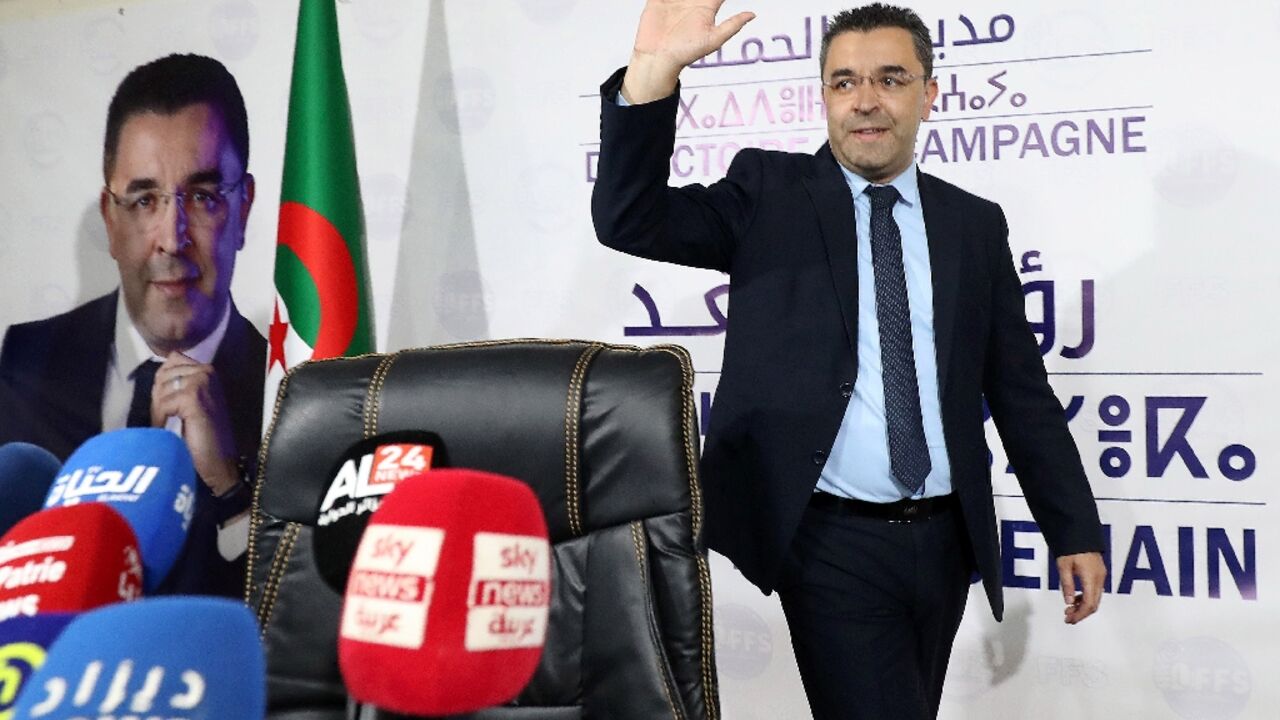
Algerian presidential candidates accuse election authority of fraud
The two unsuccessful candidates in Algeria’s presidential election disputed the reported voter turnout and vote percentages, accusing electoral authorities of fraud.
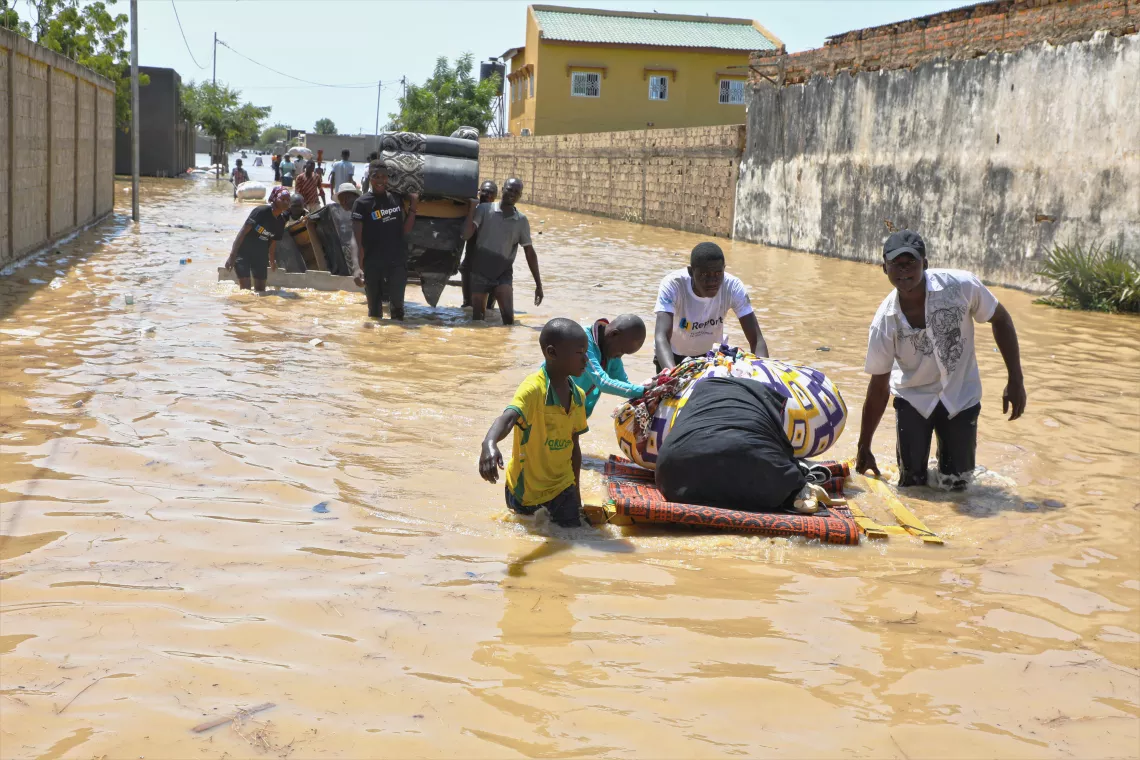
Severe flooding in Chad leaves 341 dead and 1.5 million affected
The recent flooding in Chad has resulted in 341 deaths and affected 1.5 million people, with severe damage to homes, cattle, and crops reported across the country.
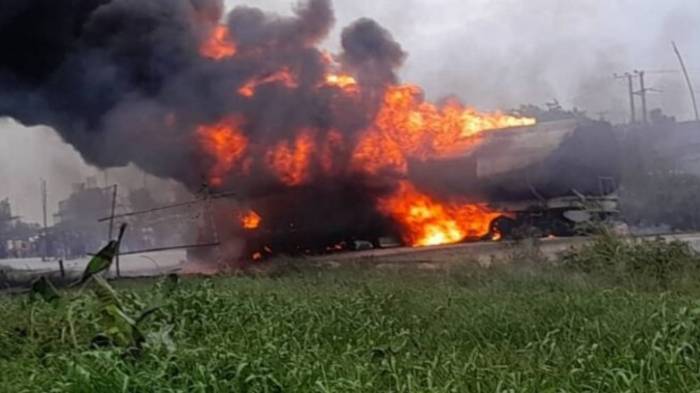
Nigeria fuel tanker explosion death toll reaches 60
More bodies pulled out of burnt vehicles, 3 injured people succumbed to injuries, says official

Senegal boat capsizing leaves six dead, many missing
The dangers of the perilous journey across the Atlantic Ocean were tragically highlighted by a boat accident off the coast of Senegal that resulted in the deaths of six people.

SADC officials gather in Zambia to address regional conflicts
The 26th meeting of the SADC Organ on Politics, Defence, and Security Cooperation reviewed peaceful elections in several Southern African countries.
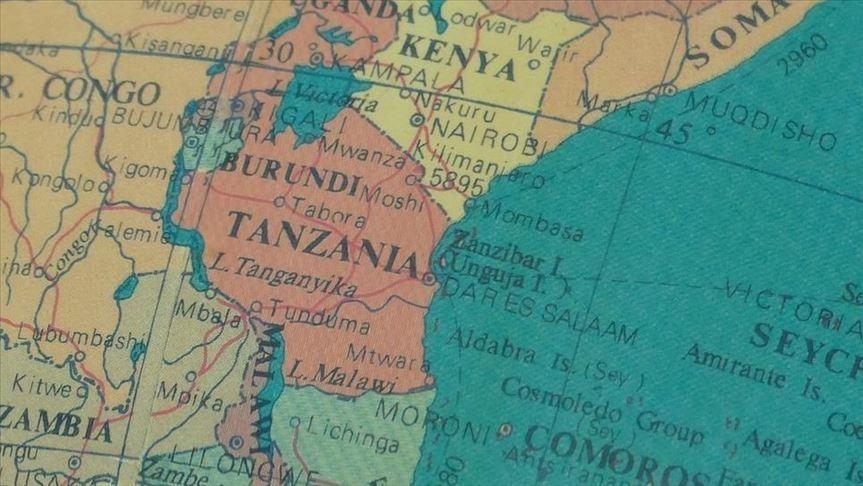
Tanzania’s CHADEMA leader to be buried amid safety concerns
Ali Mohamed Kibao to be buried in Tanga region, a day after his mutilated body was discovered and dumped in Dar es Salaam