

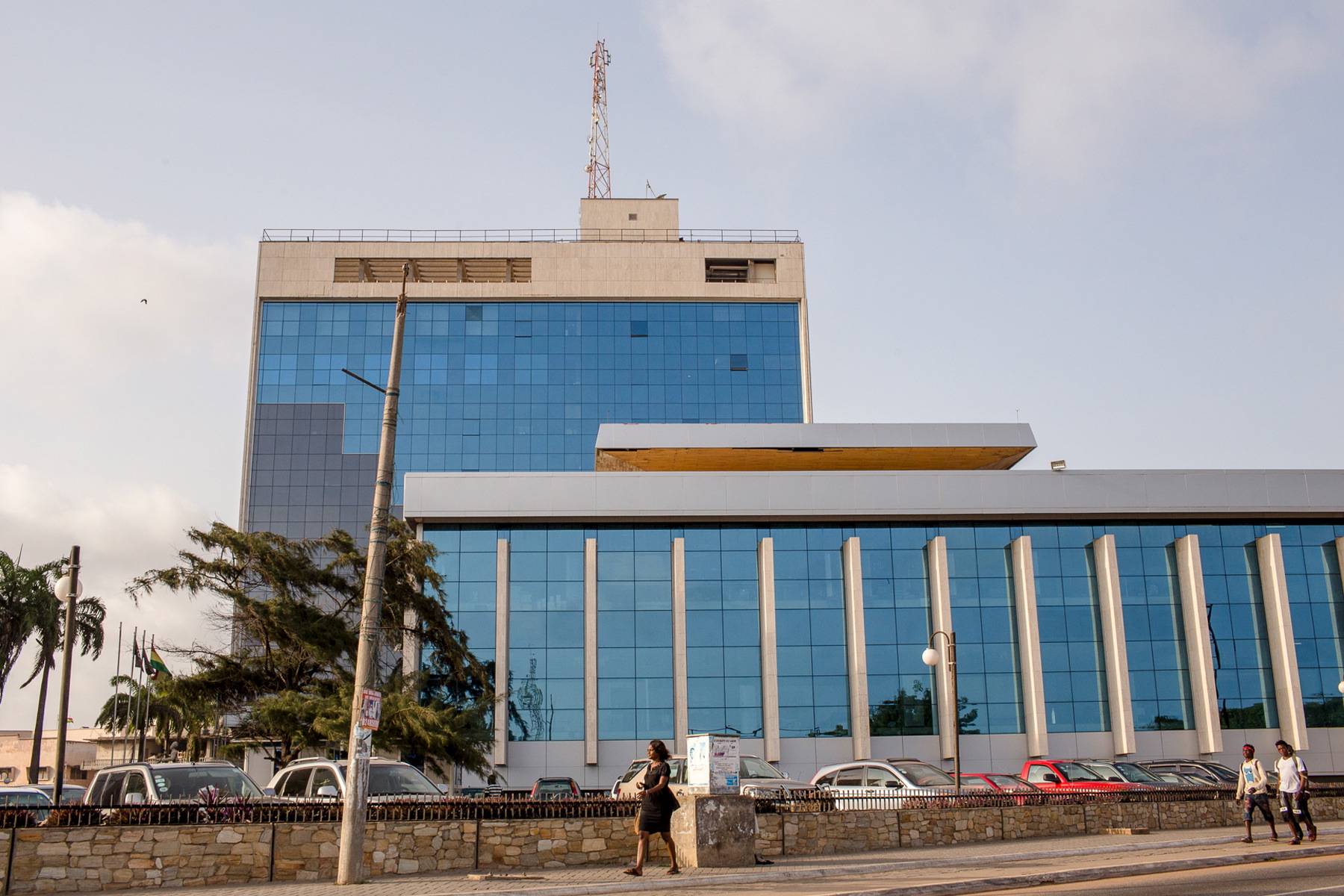
Ghana’s Central Bank governor says inflation remains too high
The Bank of Ghana aims for an inflation target of 8%, with a permissible range of 2 percentage points on either side

Turkey’s stock rally fades as political turmoil weighs on markets
The benchmark Borsa Istanbul index (.XU100) ended last week down 16.6%, its worst drop since 2008

DR Congo considers extending cobalt export ban to stabilize prices
The Congolese government is considering extending its cobalt export ban after prices jumped over 50% since the restrictions began in February.

Ethiopia restructures $8.4 billion in debt to stabilize economy
Ethiopia secured a deal to restructure $8.4 billion in debt, aiming to stabilize its economy after years of financial strain and high inflation.

Ethiopia imposes new tax to replace lost USAID funding
In response to the USAID aid freeze, Ethiopia’s parliament has imposed a tax on workers and businesses to support critical development and relief programs.

Nigerian refinery halts fuel supply amid naira deal stall
Dangote Petroleum Refinery cites a mismatch between naira sales and dollar-denominated crude purchases for the temporary suspension.

DR Congo to limit cobalt exports, partner with Indonesia
DRC, the world’s largest cobalt producer, had been considering export quotas since imposing the ban

Alphabet to acquire Wiz for $32B to boost cloud security
The acquisition price is significantly higher than the $23 billion Google had previously offered for Wiz last year before regulatory concerns stalled the deal

Egypt and Capricorn energy negotiate western desert agreements
Capricorn Energy is in advanced discussions with Egypt regarding gas concession agreements in the Western Desert.

Turkey announces oil, gas agreement with US
Turkish Petroleum has formed a joint venture with US oil giants Continental Resources and TransAtlantic Petroleum to develop unconventional oil and natural gas resources in Turkey.

Egypt will cut fuel subsidies by December
Egypt will cut fuel subsidies to cost recovery level by December 2025 as part of its economic reform program, with the IMF approving $1.2 billion in financial support.

IMF approves $1.2 billion disbursement for Egypt after fourth review
Egypt secures a $1.2 billion IMF fund release as part of its ongoing economic reform commitments.

Ghana government ends several Covid-era taxes
Ghana’s government has scrapped several IMF-linked taxes to ease economic hardship, pledging new revenue measures.

Nigeria’s anti-graft agency recovers almost $500 million in one year
Nigeria’s Economic and Financial Crimes Commission reported recovering nearly $500 million and securing over 4,000 convictions in the past year.

AFC chief seeks to unlock billions from African pension funds
The AFC, which deploys $2.5 billion to $3 billion annually, is looking to increase fund allocation by backing projects that attract further investment

US considers mineral deal with DR Congo
DR Congo seeks United States investment in minerals in exchange for regional stability assistance.

Huawei and Zambia explore village digital transformation modes
Zambia and Huawei launched a smart village initiative to enhance digital access and development in rural areas.

Mali and Barrick work to finalize gold mine agreement
The Malian government and Barrick Gold are in the process of finalizing an agreement to end their dispute.

South Africa rejects Musk’s race-based Starlink claim
South Africa has denied Elon Musk’s claim that his Starlink satellite company is not allowed to operate in the country due to his race, stating that no application had been received from the company.

Morocco secures French loan for Alstom train purchase.
France lends Morocco 781 million euros to buy Alstom high-speed trains for rail network expansion.

Mali suspends foreign gold mining permits after fatal accidents
Mali has suspended permits for foreign artisanal gold mining companies following a series of fatal accidents in the country.

Congo’s cobalt export ban disrupts ERG shipments, supply chains
ERG has declared force majeure on cobalt shipments from its Metalkol operation due to Congo’s export ban, impacting global supply and pushing cobalt prices higher.

Turkey and Zambia aim to boost agricultural ties
Türkiye and Zambia have held discussions to strengthen bilateral agricultural cooperation, focusing on mechanization and technology transfer to modernize Zambia’s agricultural sector.

Seplat Energy to invest $320 million as Exxon assets fuel growth
Seplat Energy plans to invest up to $320 million in new wells and infrastructure to boost oil output to 140,000 bpd following its acquisition of Exxon’s Nigerian assets.
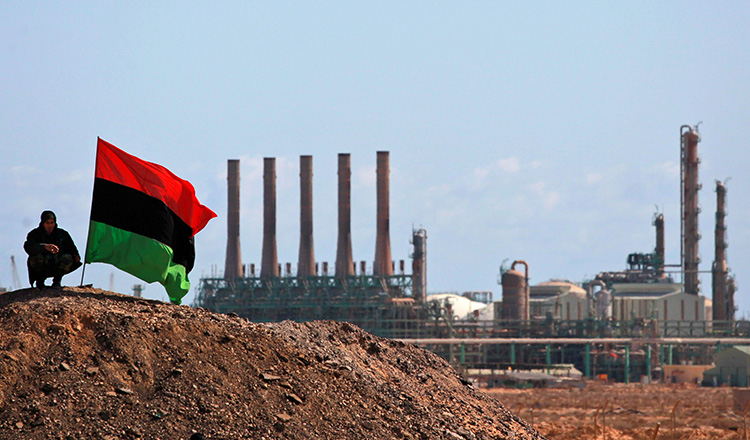
Libya opens first oil bidding round in 17 years
Libya has announced its first oil exploration bidding round in 17 years to attract foreign investment and boost oil production.

Uganda signs first mining deal to revive Kilembe copper mine
Uganda has signed its first mining production sharing agreement to redevelop the dormant Kilembe copper and cobalt mine with local firms Sarrai Group and Nile Fibreboard Limited.

Cocoa mid-crop at risk in Ivory Coast due to lack of rainfall
Ivory Coast farmers highlight the need for regular rainfall to support cocoa mid-crop this month.